· Design & Ambiance · 9 min read
Restaurant Ambiance and Atmosphere: Designing a Multi-Sensory Experience
Atmosphere is not decoration — it is a system of interconnected sensory signals that directly influences how long guests stay and how much they spend.
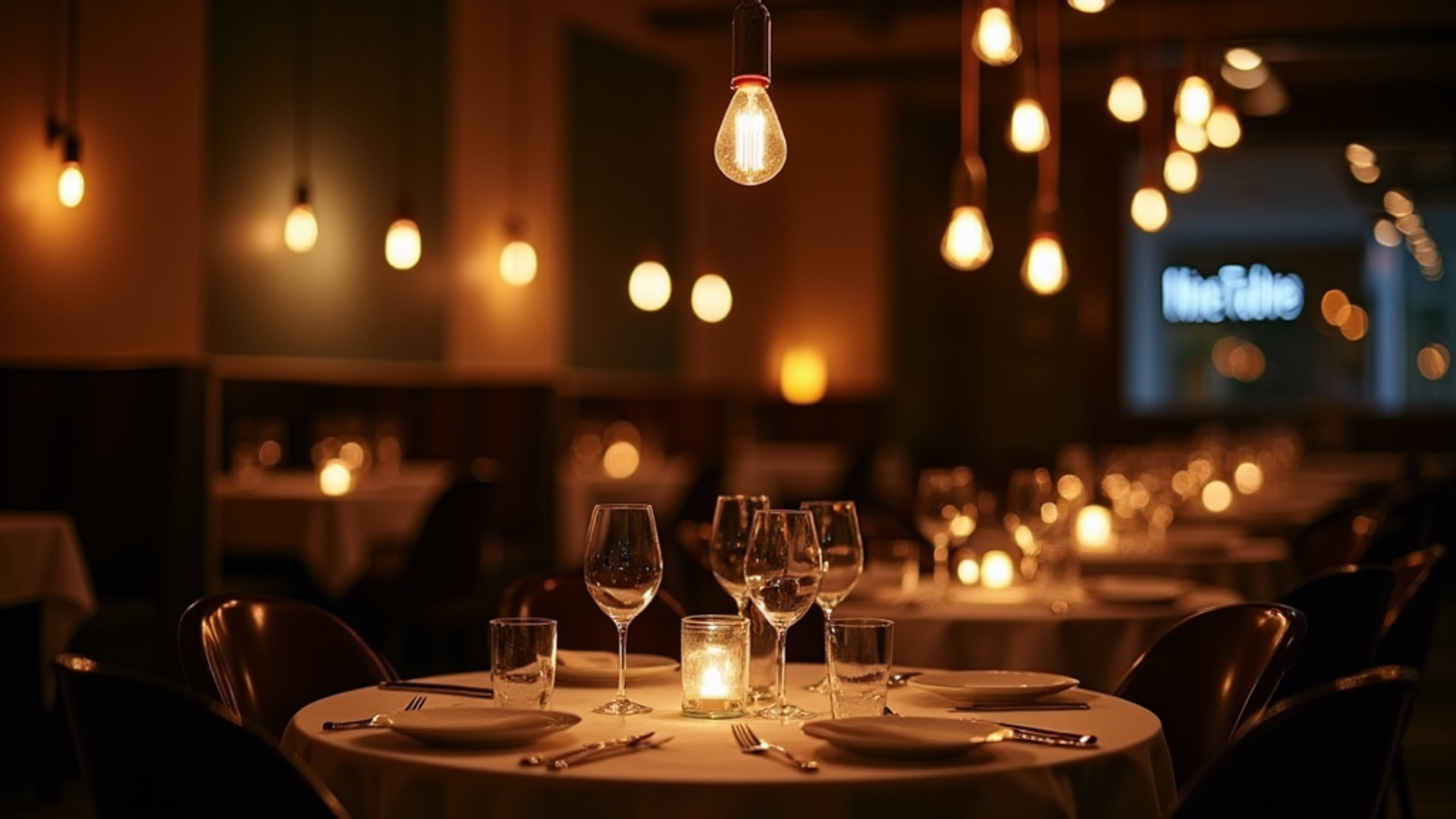
Walk into a restaurant and within eight seconds you have already formed an opinion about whether you want to be there. Before a server says a word, before you read the menu, the space has communicated its price point, energy level, and whether it matches your mood. This is atmosphere — and it is not an accident in well-run restaurants. It is a designed system.
A 2025 peer-reviewed study published in PLOS ONE examined 440 customers at an upscale fine-dining restaurant using Structural Equation Modeling, tracking how atmospheric elements influenced satisfaction and behavioral intentions including return visits and recommendations. The research confirmed what experienced operators already know: atmosphere does not merely make dining more pleasant — it directly drives commercial outcomes.
The Sensory Stack
Atmosphere operates on five sensory channels simultaneously. Most operators manage only two of them consciously — sight and sound. The ones who manage all five create experiences that guests cannot easily describe but cannot forget.
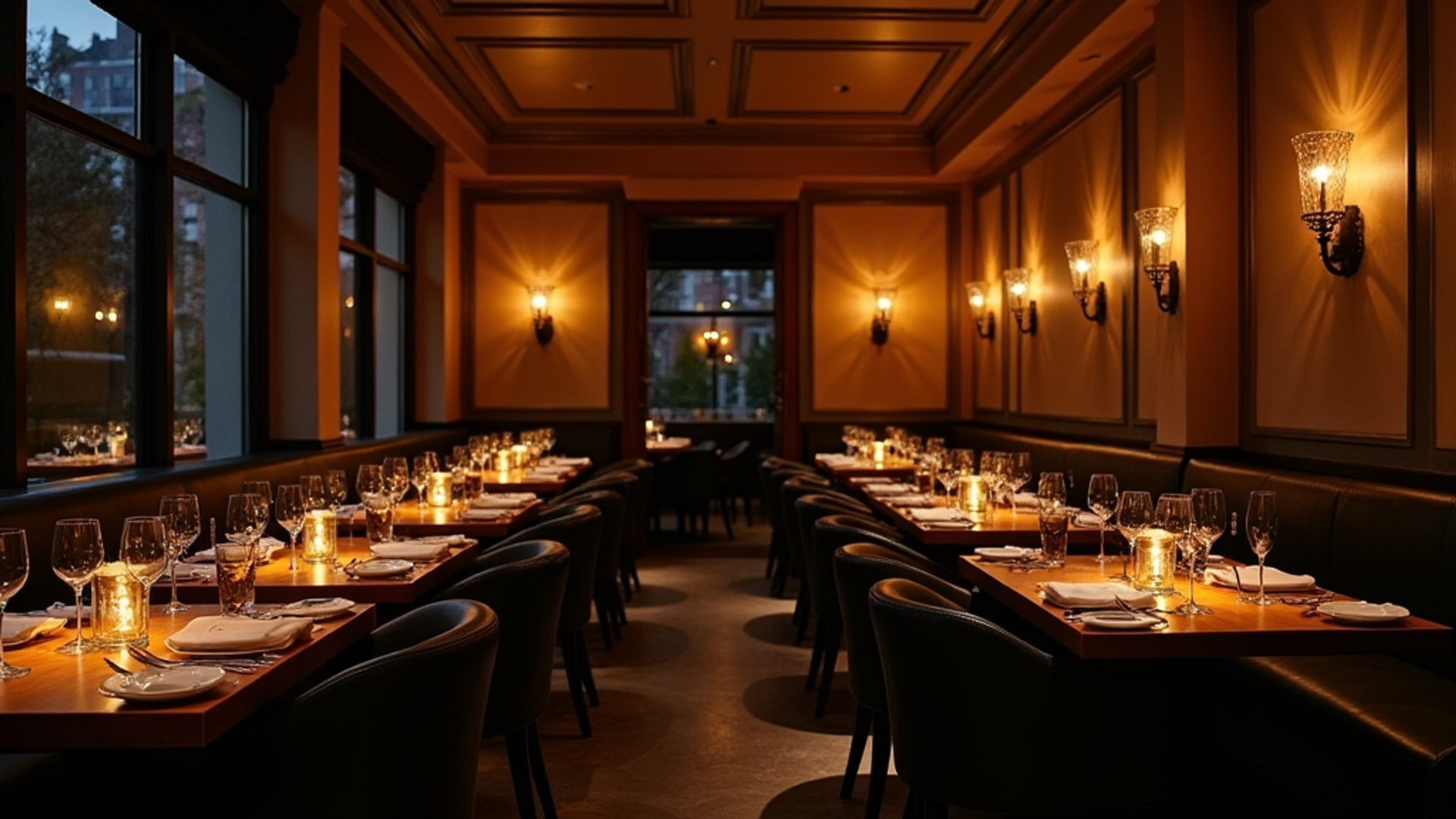
Sight is the dominant channel. The architecture, lighting, color palette, furniture, surface materials, art, plants, and tableware all register visually before anything else. The PLOS ONE study found that spatial configuration — the way the room is organized and how it looks — had a significant positive effect on both customer satisfaction and behavioral intentions. Overcrowded spaces feel chaotic and reduce satisfaction, while too much empty space creates an unwelcoming atmosphere. The optimal layout balances privacy with sociability.
Sound is the second most powerful channel, and the most mismanaged. According to research on restaurant sound systems by Octasound, background music influences dining duration, spending patterns, and even food quality perception. Faster-tempo music in casual settings can increase table turnover. Slower, softer music in fine dining environments encourages guests to linger and order additional courses or drinks. Counterintuitively, a 2025 PLOS ONE study found that music-related attributes had minimal and statistically insignificant impact on satisfaction compared to cleanliness and spatial design — suggesting that music’s primary role may be preventing negative experiences rather than driving positive ones.
Smell is processed directly by the limbic system — the brain’s emotional center — without the filtering that visual information goes through. The smell of fresh bread, brewed coffee, or a wood-fired grill can trigger appetite and positive associations before a guest consciously notices it. Negative smells — garbage, cleaning chemicals, stale fryer oil, or the acrid undertone of a poorly ventilated kitchen — communicate quality problems more immediately than any visual cue.
Touch encompasses the physical feel of every surface a guest contacts: chair upholstery, table texture, the weight of cutlery, the material of the menu. These tactile cues communicate quality and reinforce or contradict the visual messaging of the space. Heavy ceramic dishes communicate craft. Thin plastic glasses undercut a premium interior.
Temperature is often ignored as a design element, but discomfort overrides everything else. A beautifully designed room that is two degrees too cold — or a well-lit dining area next to a poorly ventilated kitchen that bleeds heat — will generate negative reviews regardless of food quality. HVAC design must be integrated with atmospheric design, not treated as a separate back-of-house concern.
Lighting as the Master Control
Lighting is the single highest-leverage design element for atmosphere. It changes every other material, color, and surface in the room, and it can be adjusted in real time to shift the mood of the space.
Research compiled from academic design literature confirms that dimmer lighting in full-service restaurants encourages longer stays, higher per-person spending, and more positive evaluations of food quality. Bright lighting in fast-casual and QSR settings promotes faster turnover. The GloriaFood blog notes that dimming lights as evening progresses naturally shifts the atmosphere without requiring any other change to the physical environment.
The color temperature of lighting matters as much as intensity. Warm white light at 2700–3000K makes wood tones glow, skin look healthy, and food appear appetizing. Cool white light above 4000K is excellent for task work but makes dining spaces feel clinical and food look less appealing. The YouTube extract from Coffee Business Basics emphasizes this: many cafes and casual restaurants flood narrow spaces with bright overhead lights instead of using focused, layered lighting — and it costs them the atmosphere they paid a designer to create.
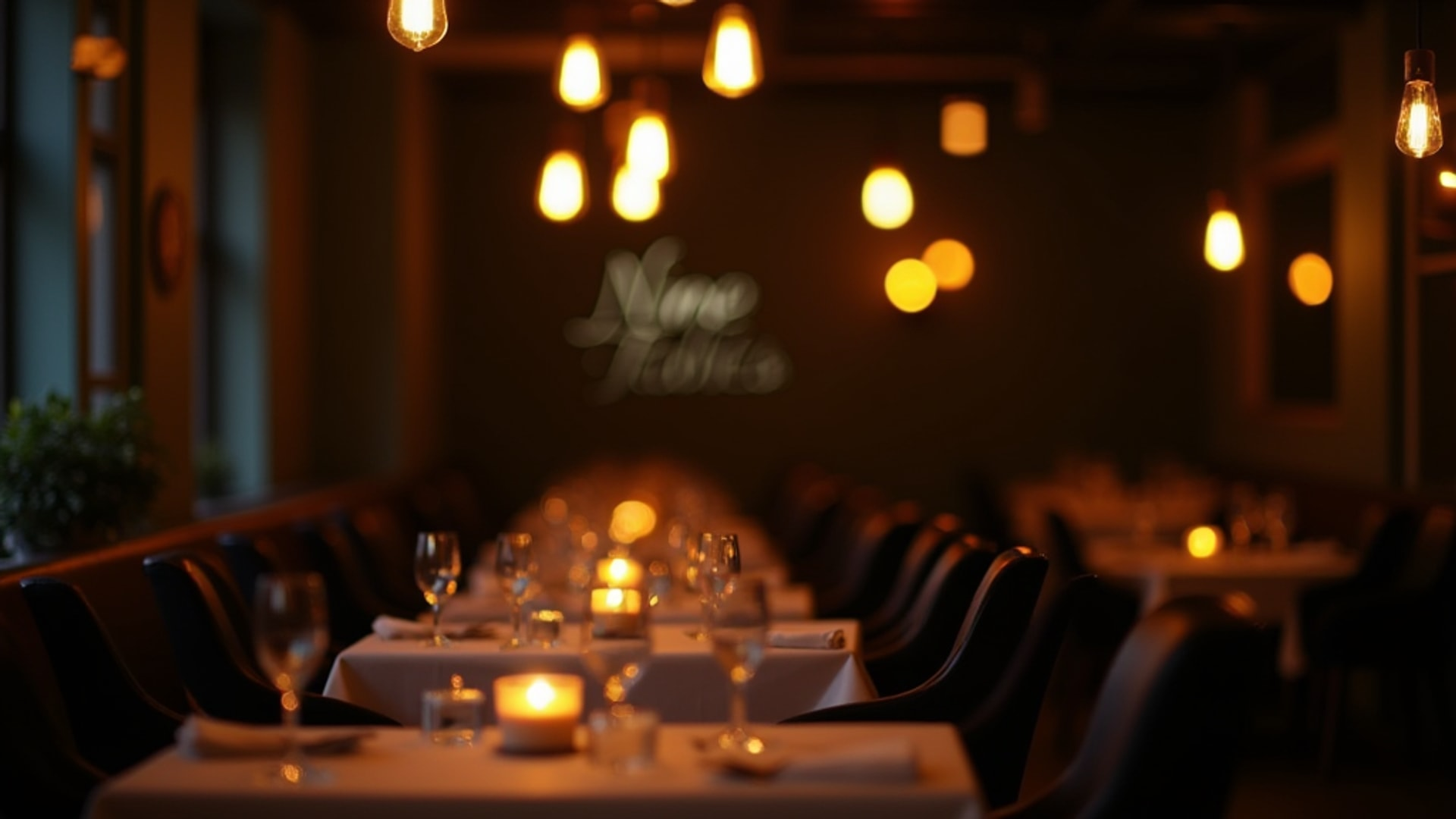
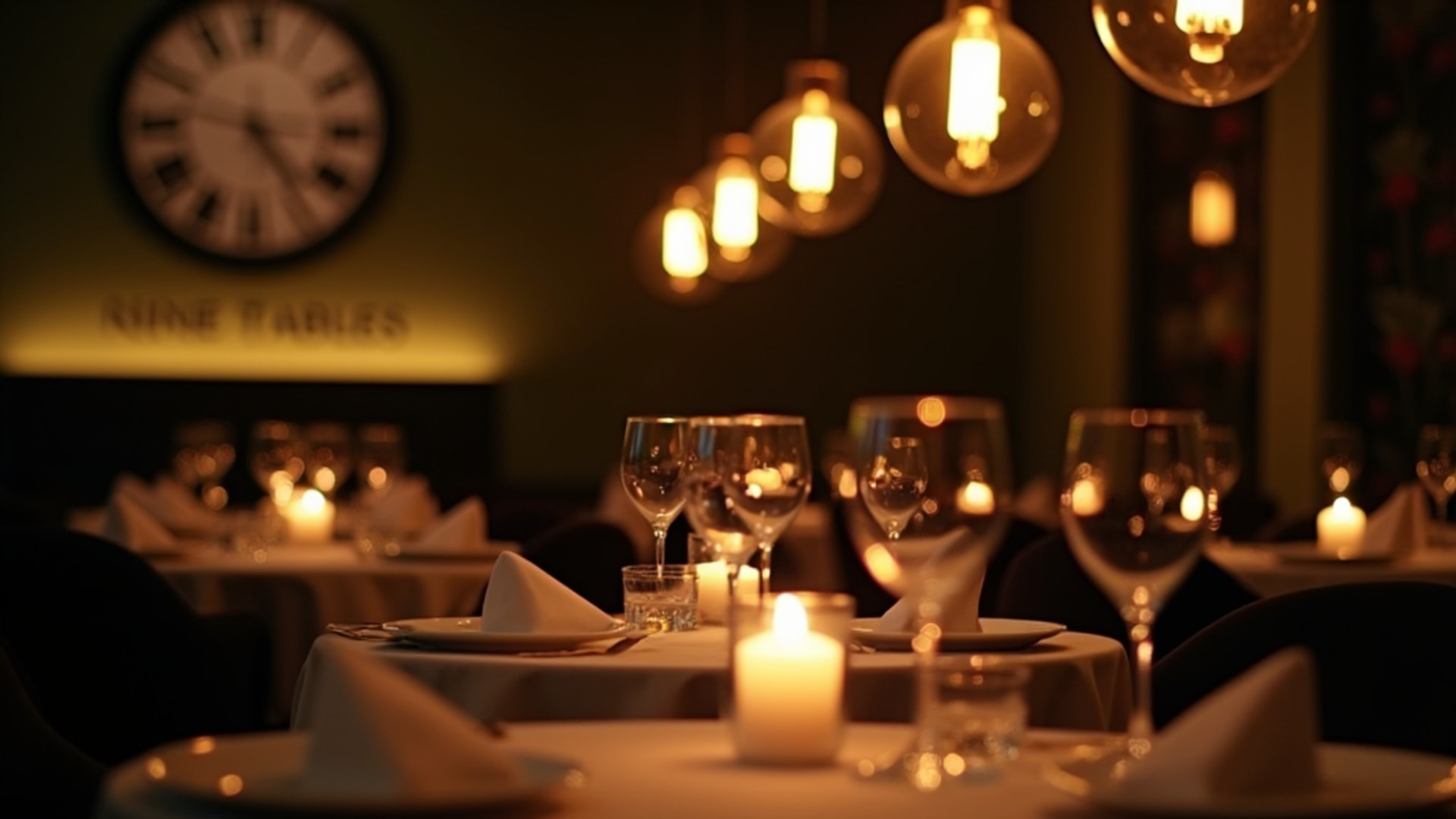
Layering is the technique, as covered in our lighting and ambiance guide. An effective lighting plan uses ambient light to define the overall mood, task light at service stations and counters, accent light to highlight architectural features or art, and decorative light — pendant fixtures, candles, lanterns — to create warmth and visual interest. Each layer is independently controllable with dimmers, allowing a single space to serve a different experience at noon versus 9 PM.
Color and the 60-30-10 Framework
Color influences customer behavior at a subconscious level. Red and yellow stimulate appetite and energy, which is why fast-food chains have used this palette for decades. Blue, rare in natural foods, can suppress appetite — it works for branding but not for dining room walls. Warm earth tones communicate comfort and authenticity. Deep blues and neutrals suggest sophistication for fine dining. Greens and naturals signal freshness and health for farm-to-table and wellness concepts.
The 60-30-10 rule provides a practical framework. The dominant color at 60 percent typically covers walls and large surfaces. The secondary color at 30 percent appears in furniture, textiles, and major fixtures. The accent color at 10 percent creates focal points through art, decorative objects, or signature design details. This ratio creates visual balance and prevents any single color from overwhelming the space.
Consistency extends beyond the dining room walls. The GloriaFood blog and YouTube analysis both emphasize that every touchpoint — interior, menu, packaging, signage, and digital presence — should reflect the same palette. When the menu’s color scheme contradicts the interior, or the website uses different colors than the physical space, customers register a subtle inconsistency that undermines confidence in the brand.
Music Strategy
Music selection is a brand decision, not a background detail. The GloriaFood blog’s guidance is direct: playlists should complement the cuisine and concept rather than defaulting to generic background music. Coordinating music with the time of day improves the effect — energetic playlists for lunch service, slower selections for dinner.
Volume calibration is critical. According to Octasound, volume levels should allow comfortable conversation at table level without requiring raised voices. This sounds obvious but is violated constantly. A restaurant where you must lean in and shout to hold a conversation is a restaurant guests will not return to for a business lunch, a first date, or a family celebration. The practical test: stand at the center of the dining room during service and try to hold a normal conversation at normal volume. If you cannot, the volume is too high.
Zone separation allows different energy levels in different spaces. The bar might run higher volume and faster tempo. The dining room maintains conversational levels. Private dining rooms need independent control for presentations and speeches. This requires dedicated speaker circuits and independent amplifier channels for each zone — an infrastructure decision made during construction, not after opening.
Scent Management
Most restaurants manage scent reactively — dealing with bad smells when they arise — rather than proactively designing the olfactory experience. The basics are non-negotiable: proper ventilation to prevent cooking odors from accumulating in the dining room, rigorous cleaning protocols for drains and grease traps, and fresh air at the entrance.
The proactive approach uses scent as a brand signal. A bakery-driven concept benefits from allowing fresh bread aroma to drift into the dining area. A wood-fired pizza concept might design the exhaust system to allow the oak smoke aroma to remain perceptible near the entrance without overwhelming the space. A fine dining restaurant might use subtle scented candles or diffusers in the restrooms as a brand-consistent detail.
Spatial Configuration and Seating Mix
The PLOS ONE study found spatial configuration to be among the top three drivers of customer satisfaction, confirming that how the room is organized matters as much as what it looks like. The research found that balancing privacy with sociability — avoiding both overcrowded and excessively empty arrangements — is the key spatial design principle.
Varied seating types serve this goal. GloriaFood identifies the pattern: booths for intimate dining, counter seating for casual solo diners, communal tables for social groups, and standard tables as the flexible backbone. This mix ensures guests can self-select the level of privacy and social engagement that matches their visit purpose. A couple on a date occupies a booth and stays 20 minutes longer. A solo business traveler chooses the bar and orders a second drink. A group of colleagues takes the communal table and orders a round.
The seating arrangement itself shapes the acoustic environment. Booths with high backs create natural sound barriers between parties. Open dining rooms with hard floors and no soft furnishings become echo chambers. The acoustic design and the seating layout are inseparable — which means both must be resolved in the design phase, not retrofitted after opening.
Cleanliness as Atmosphere
The PLOS ONE study’s most actionable finding is that sanitation and menu-related attributes had the strongest positive effects on customer satisfaction — stronger than spatial configuration, stronger than music, stronger than lighting. The standardized path coefficient for sanitation was 0.337, the highest of all atmospheric attributes measured.
This reframes cleanliness not as a baseline operational requirement but as the foundation of atmospheric excellence. A beautifully designed restaurant that has sticky menus, visibly dirty baseboards, or staff visible using phones in the dining room creates a cognitive dissonance that no amount of lighting or music investment can overcome.
The practical implication: build cleaning protocols into the service rhythm. Side work between service periods should include wiping all surfaces, inspecting and replacing menus, clearing detritus from sight lines, and resetting the space to opening condition. The atmosphere the designer created on day one should be the atmosphere guests experience every day.
Putting It Together
Restaurant atmosphere is not a single design decision. It is the sum of several hundred decisions that must align to produce a coherent sensory experience. A cohesive concept begins with a clear answer to: what should this guest feel when they walk in, and how do we want them to feel when they leave?
From that foundation, every element — the lighting temperature, the playlist genre, the seat upholstery material, the table spacing, the scent at the entrance, the tableware weight, the staff energy — should be evaluated against whether it advances or contradicts that emotional goal. When they all point the same direction, the result is an atmosphere that guests cannot quite articulate but deeply want to return to.
The GloriaFood analysis summarizes the commercial logic precisely: strong ambiance strengthens branding, drives social media attention, increases customer retention, and increases spending per visit. In a margin-constrained business, those four outcomes justify serious design investment.
→ Read more: Restaurant Design Psychology
→ Read more: Color Psychology in Dining Environments