· Design & Ambiance · 13 min read
Restaurant Lighting and Ambiance: A Practical Design Guide
Lighting, color, and sound shape how guests feel, how long they stay, and how much they spend. This guide covers the layered lighting approach, color temperature by concept, acoustic treatment, and the common mistakes that undermine an otherwise solid design.
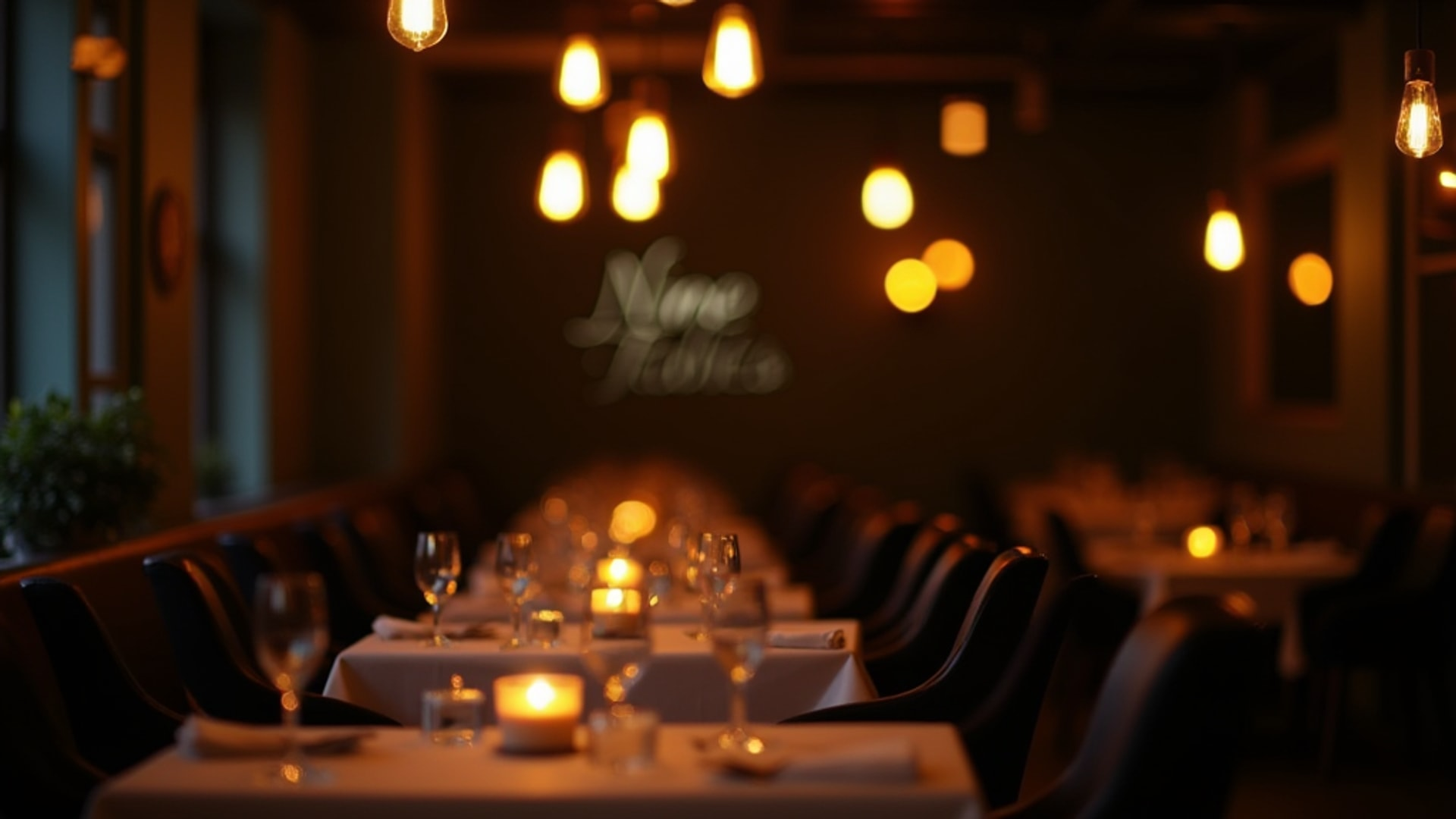
A restaurant can have outstanding food and attentive service, but if the lighting makes faces look grey and the noise forces guests to shout across the table, they will not come back. Atmosphere is not a finishing touch. It is a system of lighting, color, and sound that directly influences satisfaction, dwell time, and spending. Academic research published in PLOS ONE (2025), based on a study of 440 fine-dining customers, confirmed that the physical environment is a strategic business tool that shapes both satisfaction and return intention.
This guide covers what actually works, drawn from industry research and practitioner experience, so you can make informed decisions whether you are building from scratch or fixing an existing space.
The Three Layers of Restaurant Lighting
Professional lighting design operates on three distinct layers. Skip any one of them and the room will feel off, even if guests cannot articulate why.
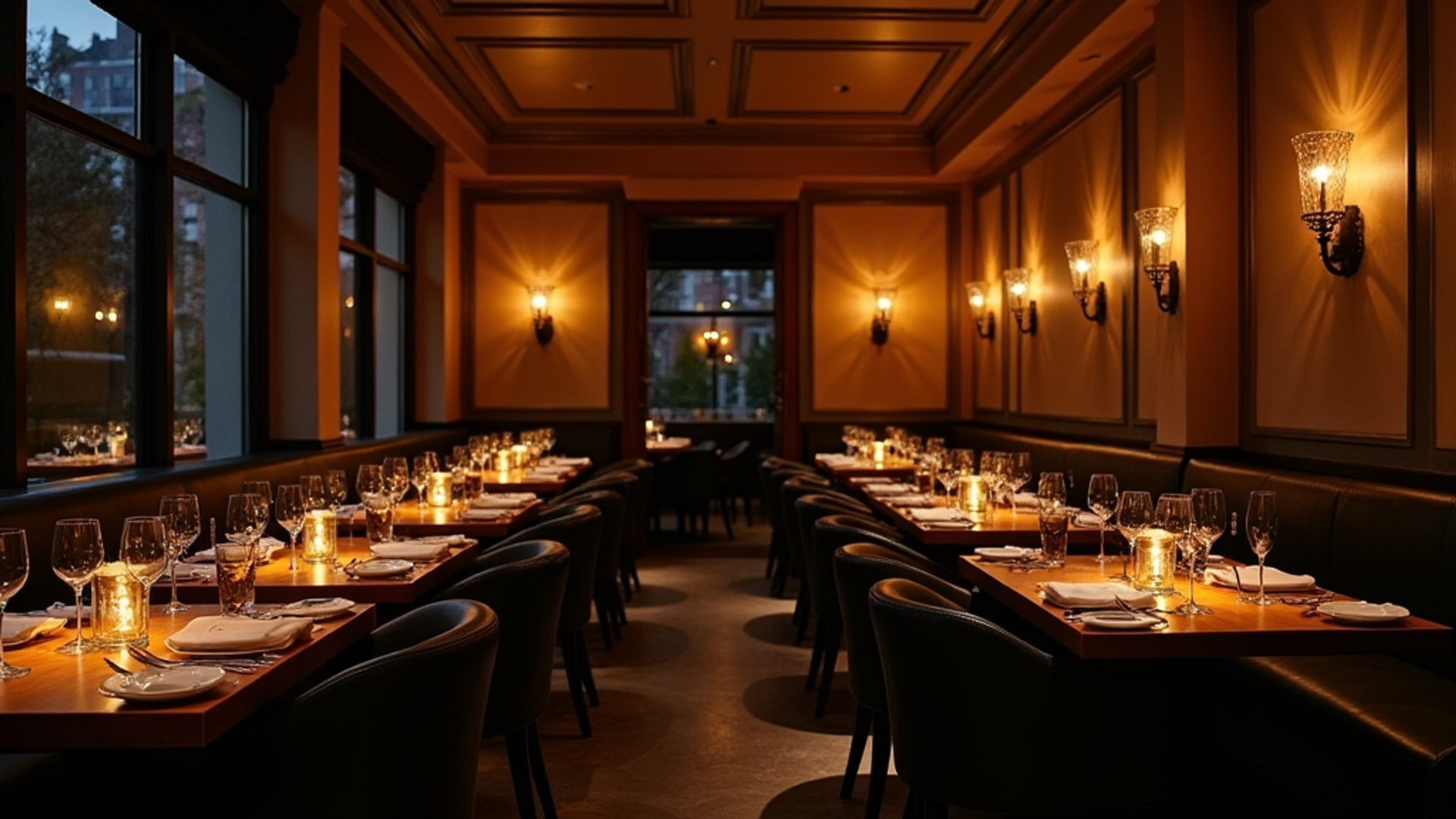
Ambient lighting is your base layer. It provides the general illumination that lets people move through the space safely. Sources include recessed downlights, cove lighting, and indirect fixtures. In restaurants, ambient light should be softer than in retail or office settings. The goal is an even, comfortable glow without harsh shadows or hot spots.
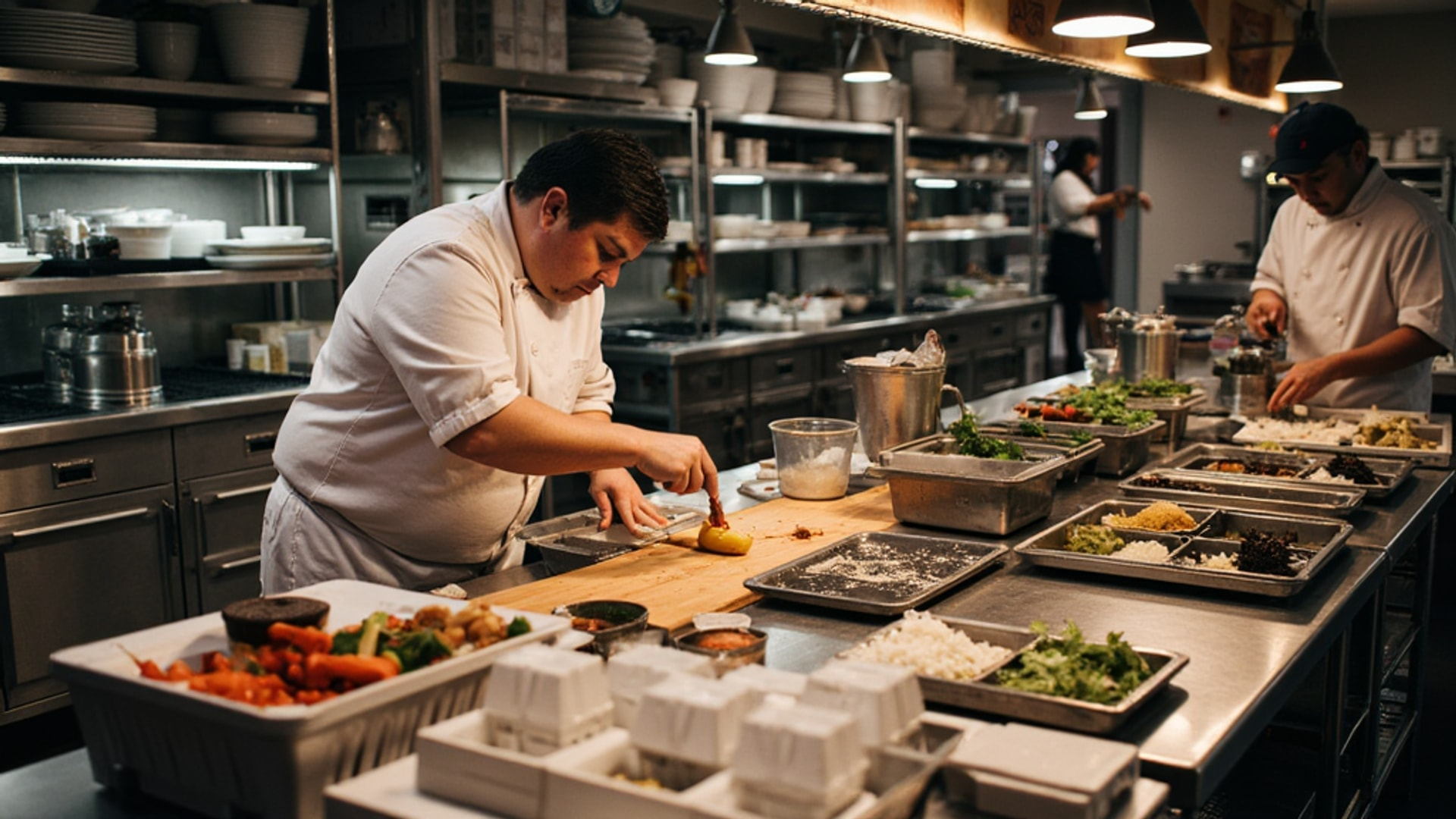
Task lighting delivers focused brightness where people need to see clearly. The host stand needs it for reservation screens. The bar surface needs it for pouring and mixing. Kitchen prep demands high-intensity task lighting for food safety. The critical rule: task light must never spill into the dining room. According to Schaller Tech’s restaurant lighting guide, separating bright service areas from dining zones prevents the atmosphere-breaking effect of kitchen light bleeding into guest spaces.
Accent lighting is directional. It draws the eye to focal points: art on the walls, a wine display, textured stone, architectural details. Track lights and spotlights create pools of brightness that add visual depth. Without accent lighting, even an expensively designed space looks flat and one-dimensional.
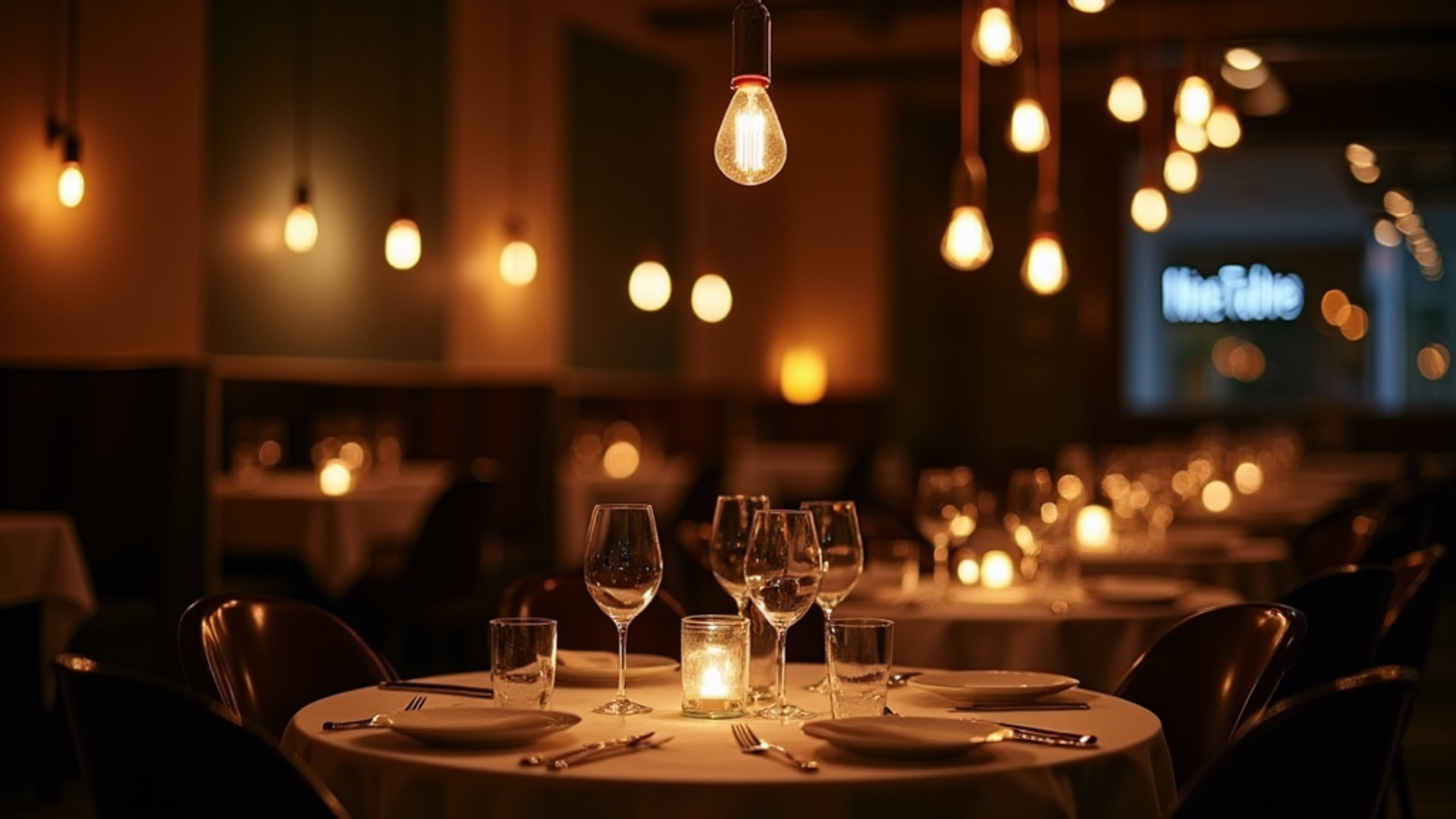
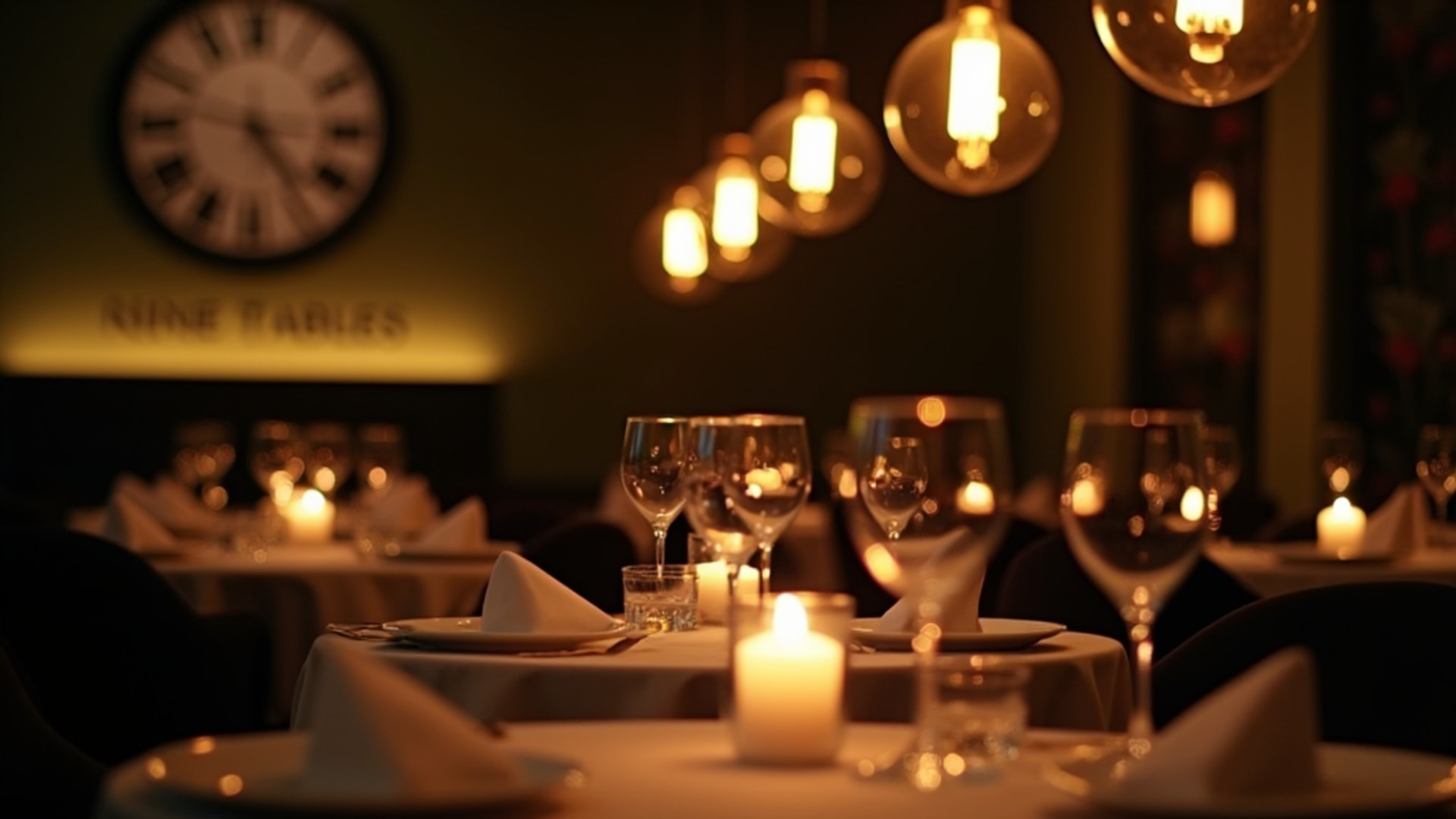
Some designers add a fourth category, decorative lighting, which covers statement fixtures like chandeliers, sculptural pendants, and candles. These pieces are as much furniture as light sources. A pendant over a table casts a warm pool onto the surface that makes food look its best, and it gives the room visual character. But decorative fixtures should still serve a lighting function, not just look good while contributing nothing to the overall illumination plan.
Color Temperature: The Single Most Important Specification
Color temperature, measured in Kelvin (K), determines whether your light feels warm or clinical. Get this wrong and everything downstream suffers: food looks unappetizing, skin looks tired, and the mood never lands.
Here is a practical breakdown by concept:
| Color Temperature | Feel | Best For |
|---|---|---|
| 2200-2700K | Warm amber, candlelight | Fine dining, romantic restaurants, evening bar service |
| 2700-3000K | Warm white, cozy | Full-service casual, family dining, cafes |
| 3000-3500K | Neutral warm | Fast-casual, brunch-focused concepts |
| 4000-5000K | Cool white, energetic | Quick-service counters, fast-food, kitchens |
According to Home Lighter Inc’s restaurant lighting guide, warm white light in the 2700K to 3000K range flatters skin tones, makes wood surfaces look rich, and gives food an appetizing appearance. Above 4000K, light reads as blue-toned and clinical. It is fine for back-of-house work areas, but it makes food look dull and faces look washed out.
The behavioral impact is well documented in the design psychology literature: dimmer, warmer lighting encourages guests to linger, relax, and order additional courses or drinks. Brighter, cooler lighting promotes faster eating and quicker table turns. Neither approach is inherently better. The right choice depends on your business model. A fast-casual concept that needs 3 table turns per lunch service should not light the room like a candlelit bistro.
Color Rendering Index (CRI)
Beyond color temperature, look for a CRI of 90 or above. CRI measures how accurately a light source renders colors compared to natural sunlight. A high-CRI warm light makes a red sauce look vibrant and a green salad look fresh. A low-CRI bulb at the same color temperature makes those same dishes look grey and lifeless. When specifying fixtures, always check both Kelvin and CRI.
Dimming Systems: One Room, Multiple Moods
Your restaurant serves different purposes at different hours. Morning coffee demands brightness. Dinner calls for warmth and intimacy. A single fixed lighting level cannot serve both.
The range of options:
- Simple rotary dimmers: Inexpensive and better than nothing. Someone on staff has to remember to adjust them.
- Programmable scene controllers: Store preset scenes (bright morning, moderate lunch, low-ambient dinner, late-night bar mode) and switch between them at the touch of a button.
- Automated systems: Shift lighting levels on a schedule without staff intervention. The best options adjust automatically as daylight changes throughout the day.
As Home Lighter Inc notes, incremental dimming as daylight fades prevents the jarring mood shift that occurs when a room suddenly feels different. The transition should be gradual enough that guests barely notice it happening.
One critical caveat: not all LED fixtures dim well. Low-quality dimmable LEDs may flicker, buzz, or produce an unpleasant color shift at low levels. Invest in commercial-grade dimmable fixtures and test them at every brightness level before committing to a full order.
Natural Light: Free Illumination with Strings Attached
Restaurants with large windows or skylights get free illumination during the day. Natural light makes spaces feel open and connected to the world outside. According to Carroll Design’s guide on restaurant daylighting, natural light exposure improves mood, reduces stress, and creates a welcoming atmosphere that particularly benefits brunch and lunch concepts.
But uncontrolled natural light creates real problems:
- Glare: Direct sunlight blinds guests on one side while leaving the other side in relative darkness.
- Heat gain: West-facing windows in summer can raise temperatures several degrees, straining your HVAC and making guests uncomfortable.
- Evening black mirrors: After dark, large uncovered windows reflect the interior back at guests, creating a fishbowl effect.
The solutions are straightforward. Sheer curtains diffuse sunlight without blocking it. Motorized roller shades can be programmed to respond to sun position throughout the day. Low-emissivity window coatings reduce heat gain without noticeably reducing visible light. For evening service, curtains or exterior landscape lighting give the glass something to show other than a reflection of the dining room.
Carroll Design recommends planning your dining room layout around your building’s solar orientation, which also ties into window design choices. Place breakfast seating near east-facing windows for pleasant morning light. Position evening dining areas where you have the most control over artificial lighting. Design around the sun, not against it.
Color Psychology: What Your Walls Are Saying
Your color palette is not just aesthetic. Research compiled by Fohlio and confirmed by the Wasserstrom Blog shows that color has a measurable, biologically rooted effect on appetite, mood, and dining behavior.
Warm Colors Stimulate Appetite
Red, orange, and yellow trigger responses linked to energy-dense foods found in nature. Red creates urgency and can accelerate eating pace, which is why fast-food chains incorporate it heavily. Orange evokes comfort and encourages conversation. Yellow triggers happiness but becomes overwhelming in large doses.
Cool Colors Slow Things Down
Blue is a natural appetite suppressant because very few foods in nature are blue. But it inspires thirst and conveys serenity, making it appropriate for fine dining and bar environments where you want guests to linger. Green signals health and freshness, the obvious choice for farm-to-table and health-focused concepts.
The 60-30-10 Rule
According to the YouTube extract on color psychology from The Futur Academy, a practical framework for applying your palette is the 60-30-10 rule:
- 60% dominant color: Walls and large surfaces
- 30% secondary color: Furniture, textiles, major fixtures
- 10% accent color: Art, decorative elements, signature details
This ratio prevents any single color from overwhelming the space while creating visual balance.
→ Read more: Color Psychology in Dining Environments
Color and Lighting Interact
Here is what many operators miss: your wall colors only look right under the lighting you have chosen. A warm terracotta wall looks rich and inviting under 2700K light. Under 5000K cool white, that same wall looks muddy. As the Wasserstrom Blog emphasizes, color temperature and wall color must be evaluated together during the design process, not in isolation. Always test paint samples under your actual fixtures at the brightness levels you plan to use.
Acoustics: The Problem Nobody Plans For
Poor acoustics is one of the most common complaints in restaurant reviews, yet it remains one of the most overlooked elements during design. According to Second Skin Audio’s practical guide on restaurant noise control, noise ranks as the second or third most common restaurant complaint, behind only poor service and food quality.
The YouTube extract from Acoustic Geometry confirms that modern design trends have made the problem worse. Polished concrete floors, exposed brick, metal fixtures, large glass windows, and open ceilings all reflect sound waves. As the room fills with guests, noise escalates exponentially. Add an open kitchen and you have a recipe for an uncomfortably loud space.
Target Noise Levels
| Concept | Target dB Range | Notes |
|---|---|---|
| Fine dining | 60-70 dB | Conversation at normal speaking volume |
| Full-service casual | 70-75 dB | Comfortable conversation, moderate energy |
| Lively casual / bar | 75-80 dB | Energetic buzz, conversation requires slight effort |
| Nightclub / sports bar | 80+ dB | Conversation is secondary to atmosphere |
Above 80 dB, normal conversation becomes difficult and guest satisfaction drops. Above 85 dB, prolonged staff exposure risks hearing damage.
The Business Cost of Bad Acoustics
The impact is measurable and direct. Couples who cannot converse comfortably do not return. Staff who cannot hear orders clearly make errors that look like inattention. Research cited in the topic synthesis on lighting and acoustics indicates that a calmer soundscape enhances taste perception and meal enjoyment, encouraging guests to stay longer and order more.
The Wall Street Journal’s report on acoustic engineering confirms that sound treatment during the design phase is far more cost-effective than retrofitting. Retrofitting typically costs 2 to 3 times more and produces less elegant results.
Acoustic Treatment Options
You have three categories of tools:
Absorptive materials reduce overall reverberation by soaking up sound energy. According to Acoustical Solutions, effective options include:
- Polyester acoustic panels (non-allergenic, fire-rated, easy to clean)
- Wood wool panels (aesthetic enough for visible wall applications)
- Acoustic clouds mounted below the ceiling
- Hanging baffles for tall-ceilinged spaces
Diffusive elements scatter sound waves to prevent harsh reflections without deadening the room. Think irregular surfaces, bookshelves, and decorative panels with varying depths.
Barrier elements block direct sound transmission between zones. High banquette backs, partial walls, and booth dividers all serve this purpose. They also create visual intimacy.
Do not overlook the everyday items that contribute to noise reduction: carpet in high-traffic areas, heavy curtains near seating zones, tablecloths that dampen plate and silverware noise, and upholstered seating throughout the dining room.
→ Read more: Restaurant Ceiling Design
Sound Masking with Background Music
Counterintuitively, steady background sound below 60 dB can mask intrusive conversation from adjacent tables. A well-calibrated background music system helps individual tables feel more private. As Octasound’s restaurant sound system guide explains, the most effective approach divides the restaurant into distinct audio zones rather than treating the entire space as a single listening environment. The bar gets higher-energy music at slightly elevated volume. The dining room gets a more subdued selection at conversational levels. Private dining rooms get independent control.
One important legal note from the same source: playing music in a restaurant constitutes a public performance under copyright law. Understanding music licensing requirements is essential. Personal streaming accounts from Spotify or Apple Music do not include commercial use rights. You need either a commercial music service that bundles licensing, or direct licenses from the relevant performing rights organizations.
The 2025 PLOS ONE study provides an interesting nuance here: music-related attributes had minimal and statistically insignificant impact on measured customer satisfaction. This suggests that background music is more about preventing negatives (awkward silence, overheard conversations) than creating positives. Do not over-invest in your playlist while neglecting physical acoustic treatment.
Common Lighting and Ambiance Mistakes
Based on the findings from Aaron Allen & Associates and the Coffee Business Basics YouTube channel, here are the mistakes that show up repeatedly:
“Skull lighting.” Overhead downlights aimed directly at tables cast harsh shadows under brows and noses. The effect is unflattering and uncomfortable. Use angled fixtures, pendants that hang closer to table height, or indirect ambient sources instead.
Uniform brightness everywhere. If every corner of your restaurant is lit to the same level, the space feels monotonous and institutional. Vary light levels by zone. Create brighter spots at the bar and dimmer, more intimate pools at dining tables. The contrast between zones is what creates atmosphere.
Flooding narrow spaces with overhead light. Coffee Business Basics identifies this as the single most common mistake in cafe design. The instinct to install bright overhead lighting makes the space feel institutional. Instead, use many small, focused lights (pendants over tables, wall sconces, under-counter lighting) to create layers of warmth.
Ignoring the exterior. Burnt-out exterior lights signal that the restaurant is closed, according to Aaron Allen. Your facade and entry path need intentional illumination after dark. This is not optional: it is your first impression.
Visual clutter creep. Your space looked clean on opening day. Then a promotional sign went up. Then a loyalty banner. Then seasonal decorations that never came down. Coffee Business Basics recommends a quarterly “design audit” and a strict one-in-one-out rule for any non-permanent visual elements.
Planning acoustics after the build. Retrofitting acoustic treatment costs 2 to 3 times more than incorporating it during design, and the results are less refined. Integrate acoustic and lighting plans from day one.
Lighting and Ambiance Checklist
Use this as a planning tool when designing or renovating:
Lighting:
- Three layers planned: ambient, task, accent
- Color temperature selected to match concept (2200-3000K for most dining areas)
- CRI of 90+ specified for all guest-facing fixtures
- Dimming system with at least 3-4 preset scenes
- Task lighting contained to service areas with no spill into dining room
- Natural light managed with adjustable window treatments
- Exterior and entry lighting planned for after-dark first impressions
Color:
- Palette aligned with concept (warm for appetite, cool for lingering)
- 60-30-10 ratio applied to dominant, secondary, and accent colors
- Paint samples tested under actual fixture lighting at planned brightness levels
- Color scheme consistent across interior, menu, signage, and digital presence
Acoustics:
- Target noise level defined for each zone (dining, bar, private)
- Absorptive materials specified for walls and/or ceilings
- Booth backs or dividers planned as sound barriers between tables
- Kitchen noise contained with soundproof doors or barriers
- Background music system with separate zone controls
- Commercial music license secured
- Soft furnishings (curtains, upholstery, tablecloths) factored into acoustic plan
The Bottom Line
Lighting, color, and sound are not decorative afterthoughts. They are business systems that directly affect how guests feel, how long they stay, and whether they come back. The 2025 PLOS ONE study found that spatial configuration, sanitation, and menu design had the strongest effects on customer satisfaction, but atmospheric elements including lighting and acoustics shape the environment in which those experiences happen.
The good news is that the fundamentals are not complicated. Use warm light in the 2700-3000K range for dining areas. Dim it as the evening progresses. Choose colors that match your concept. Treat your acoustic problems before they become review-page complaints. And plan all of it during design, not after the build is done.
The difference between a restaurant that feels right and one that feels off is rarely the food. It is the room.
→ Read more: Restaurant Sound System Design
→ Read more: Restaurant Ambiance and Atmosphere