· Design & Ambiance · 10 min read
Restaurant Design Psychology: How Space, Light, and Color Drive Customer Behavior
Every design decision in a restaurant influences how long guests stay, how much they spend, and whether they return — understanding the psychology turns design into a revenue tool.
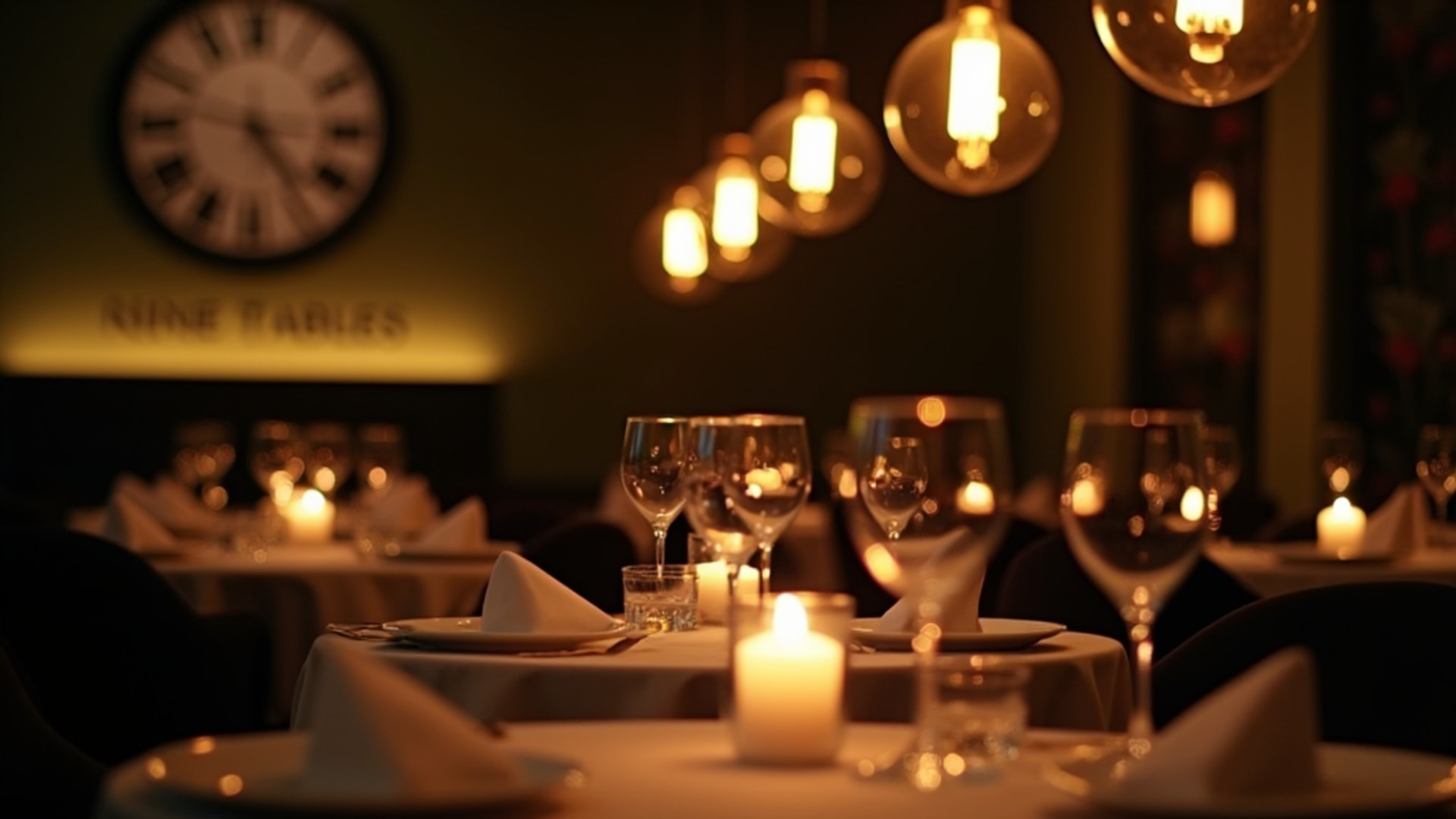
Restaurant design is applied psychology. Every material, color, light level, and spatial arrangement triggers a psychological response in the guest — shaping how comfortable they feel, how hungry they are, how long they want to stay, and how much they are willing to spend. This is not speculation. It is documented in peer-reviewed research across environmental psychology, consumer behavior, and what academics call the “servicescape” literature.
For operators, understanding this psychology transforms design from an aesthetic exercise into a strategic business tool. The same square footage, designed with behavioral psychology in mind, can produce materially different revenue outcomes than the same space designed by instinct or trend-following.
The Servicescape Framework
The foundational concept in restaurant design psychology is the servicescape — the total physical environment within which a service encounter takes place. This framework, developed by consumer behavior researchers and applied extensively to hospitality, holds that the physical environment functions as a series of stimuli that influence customers’ emotional responses, which in turn drive their behavior.
A 2020 academic analysis compiled on ResearchGate summarizes the overarching finding: restaurant design is not merely decorative but a strategic investment that directly influences customer satisfaction, dwell time, spending, and return intention. This conclusion is now consistent across dozens of independent studies conducted across multiple countries and dining segments.
The 2025 PLOS ONE study — one of the most methodologically rigorous recent contributions — examined 440 customers at a fine-dining restaurant using Structural Equation Modeling. It confirmed that atmospheric elements influence behavioral intentions including return visits and recommendations, both directly and through customer satisfaction as a mediating variable. The study’s granular finding on which atmospheric elements matter most will surprise some operators: sanitation had the strongest effect on satisfaction, with a standardized path coefficient of 0.337, ahead of spatial configuration (also significant) and music (statistically insignificant in this population).
The practical implication: cleanliness is the foundation of the experiential hierarchy, not a baseline hygiene requirement separate from design.
Color Psychology: Eating, Staying, or Leaving
Color is the most widely studied and perhaps most powerful atmospheric variable in restaurant design. Its effects operate primarily at a subconscious level — customers cannot tell you that the wall color is influencing their behavior, but the research consistently demonstrates that it is.
Appetite stimulation: Red and yellow are the most documented appetite-stimulating colors. They create warmth and urgency, accelerating physiological arousal. The academic literature synthesized by ResearchGate confirms this: red and yellow stimulate appetite and are commonly used in fast-food environments. McDonald’s, Burger King, and dozens of other QSR brands did not arrive at their color palettes by accident — they reflect decades of refinement based on behavioral observation.
Calm and prolonged stays: Cool colors — blue, green, muted earth tones — have the opposite effect. They reduce arousal, promote relaxation, and encourage longer stays. These palettes are suited to environments where lingering is desirable: cafes targeting remote workers, wine bars, and fine dining restaurants where extended evenings with multiple courses and wine pairings generate the highest per-person revenue.
Appetite suppression: Blue in particular is rare in natural foods and has been associated with appetite reduction. The ResearchGate analysis confirms this: blue can suppress appetite. This does not mean you cannot use blue in a restaurant, but using it as the dominant color in a dining room where you want guests to eat enthusiastically is working against your own revenue.
60-30-10 rule provides the practical application framework, as detailed in our color psychology guide. The dominant color at 60 percent covers walls and large surfaces. The secondary color at 30 percent appears in furniture, textiles, and fixtures. The accent color at 10 percent creates focal points. This ratio creates visual balance without allowing any single color to overwhelm the space or trigger disproportionate psychological responses.
Color temperature in lighting interacts with wall and surface colors. Warm white light at 2700–3000K enhances warm-toned interiors, making wood glow and skin look healthy. Cool white light above 4000K flattens warm colors and makes spaces feel clinical. The YouTube extract on color psychology and atmosphere emphasizes this interaction: “Warm white lighting makes wood tones glow, skin look healthy, and food appear appetizing. Cool white lighting is excellent for task work but makes dining spaces feel clinical and food look less appealing.”
Lighting Intensity and Dwell Time
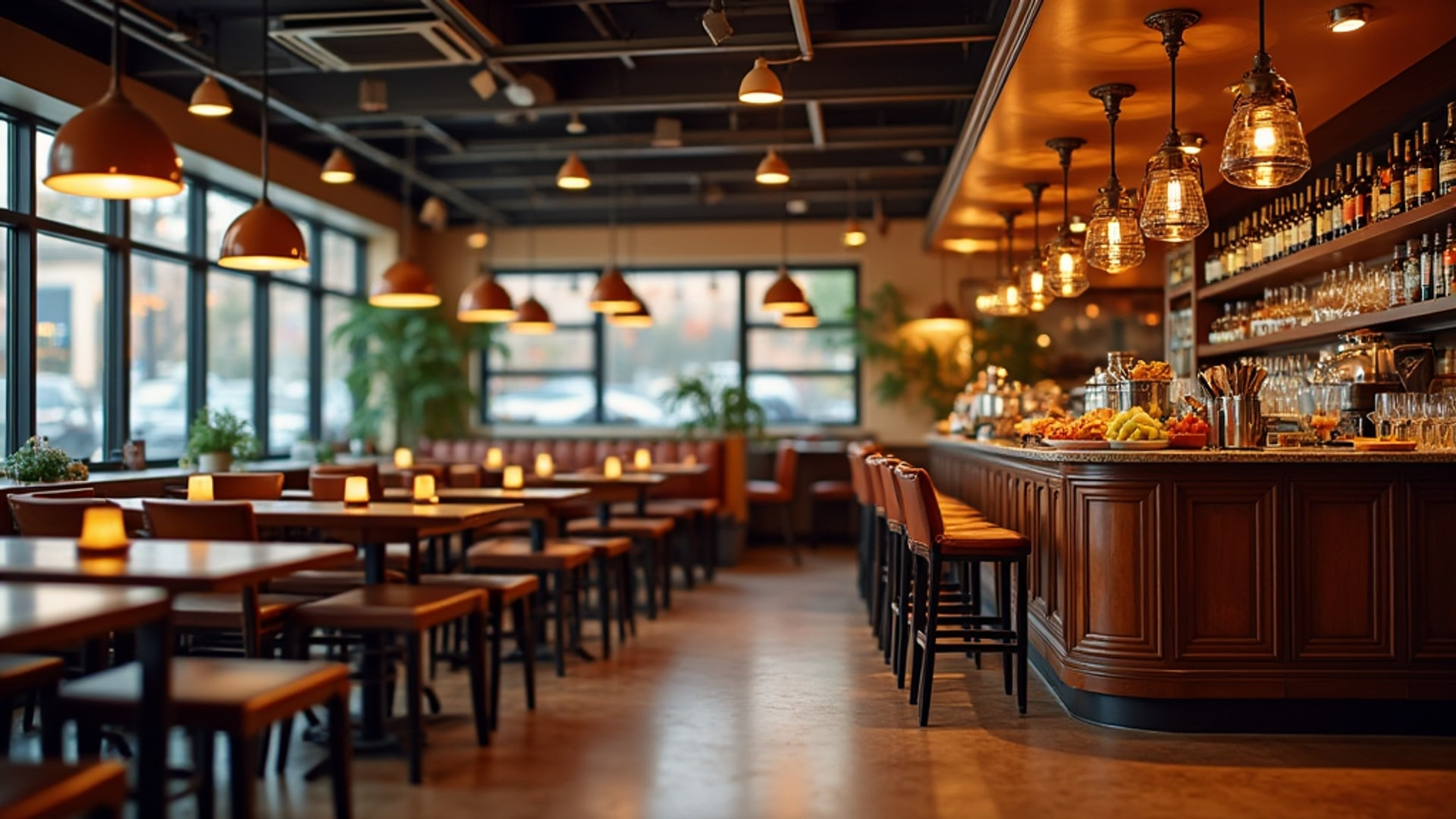
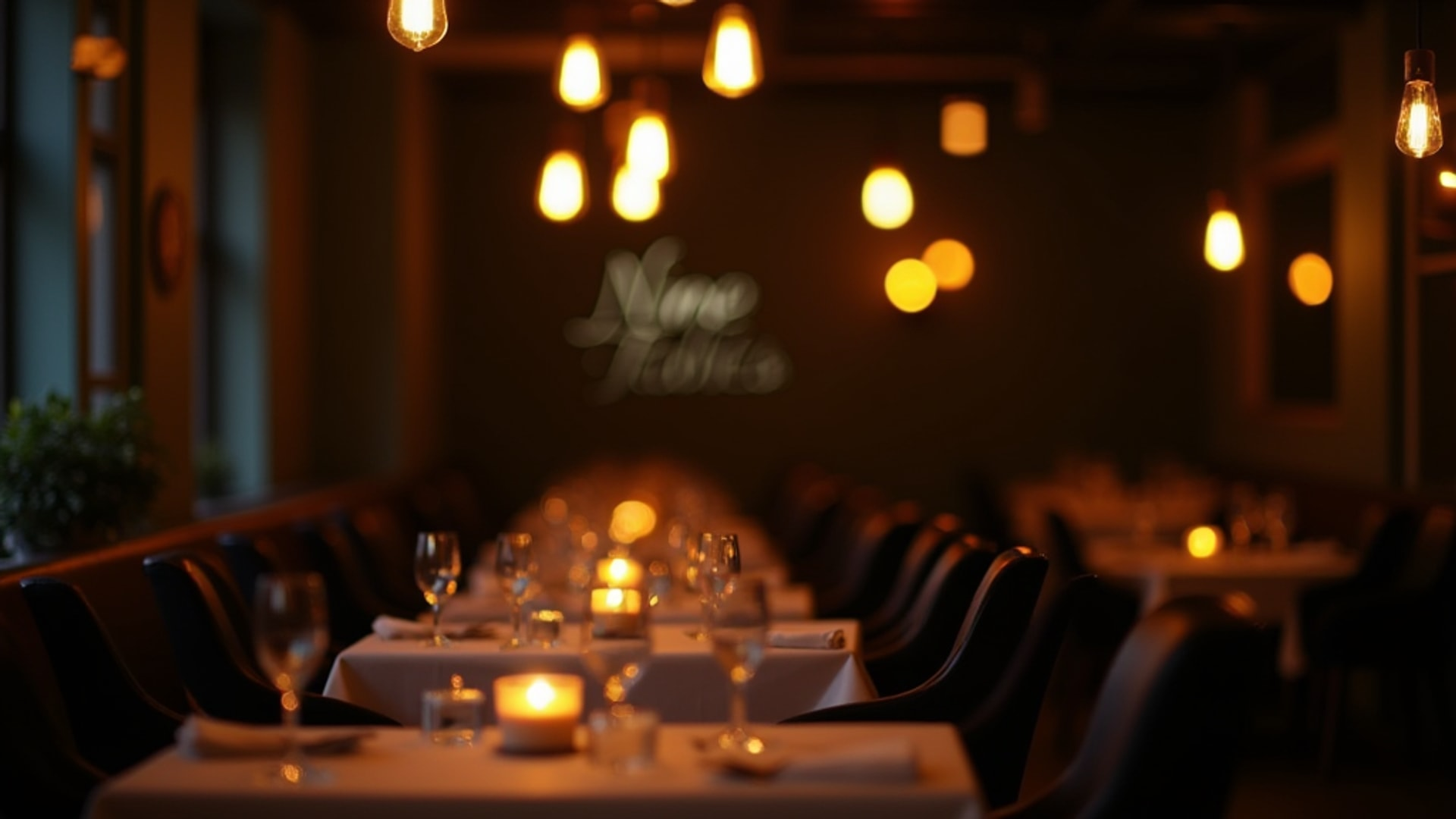
Light level is the fastest-acting behavioral lever in restaurant design. The research is consistent: bright lighting encourages faster eating and quicker departure; dim lighting encourages longer stays, higher per-person spending, and more positive evaluations of food quality.
The mechanism works through arousal levels. Bright light increases physiological arousal, making people eat more quickly and feel less comfortable lingering. Dim light reduces arousal, creates feelings of relaxation and intimacy, and makes people more willing to stay for additional courses, drinks, and conversation.
The ResearchGate academic synthesis makes the commercial logic explicit: bright lighting in fast-casual and QSR settings promotes faster turnover, while dimmer lighting in full-service restaurants encourages longer stays and higher per-person spending. These are not incidental findings — they are the basis for the lighting design choices made intentionally by every major chain brand.
Dimmable lighting systems are therefore not a luxury upgrade but a revenue management tool. A dining room that runs brighter during lunch service to accelerate turnover and shifts to 60 percent of that intensity for dinner service changes the behavioral environment for each service period. The physical space is identical. The guest experience — and the average check — is different.
Spatial Configuration: Privacy, Sociability, and Density
Spatial layout operates through two psychological mechanisms. First, perceived crowding. Research shows that overcrowded spaces feel chaotic, create cognitive stress, and reduce satisfaction. Guests in overcrowded rooms report lower food quality ratings even when the food is identical to a less crowded setting — the discomfort of the environment degrades the entire experience. Conversely, excessively empty spaces create an unwelcoming atmosphere and reduce social comfort.
The PLOS ONE study found that spatial configuration had significant positive effects on both satisfaction and behavioral intentions, confirming that the way a room is organized — not just decorated — matters to customers.
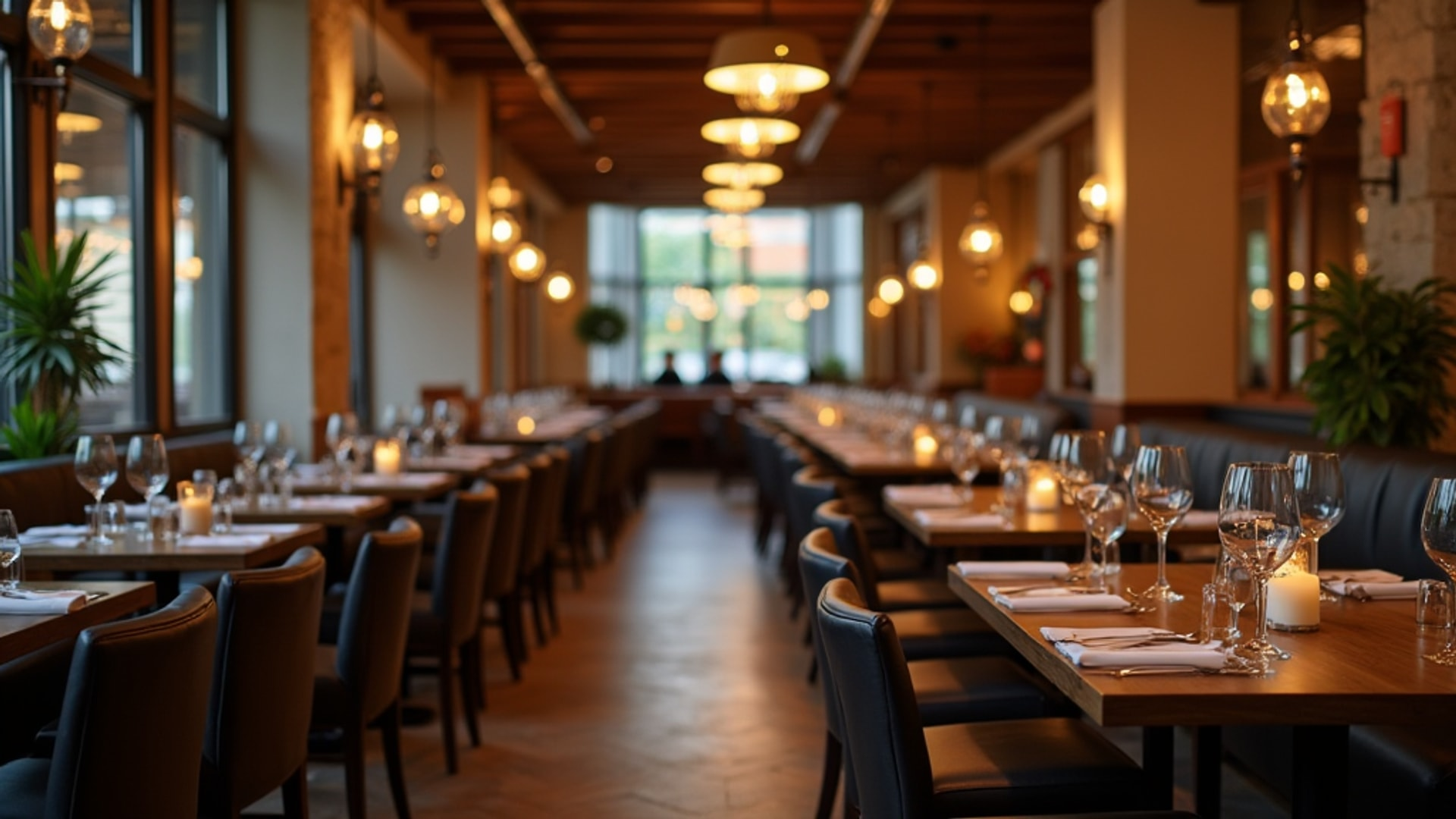
Second, privacy gradation. The research on spatial psychology in restaurants consistently finds that customers prefer spaces that offer a degree of enclosure and privacy. This preference drives the consistent popularity of booth seating, corner tables, and window seats. These positions offer what researchers call “back-against-wall” positioning — a primal comfort position that reduces ambient monitoring of approach directions and creates a sense of control over the immediate environment.
Designing a floor plan with a privacy gradient — some more enclosed and private positions, some more open and social — allows guests to self-select to the level of intimacy that matches their visit purpose. A first date sits in the corner booth. A group of friends celebrating a birthday sits at the central four-top. A solo diner on a business lunch sits at the bar.
The industry benchmark from Perfect Check — 18 to 20 square feet per person including table, chairs, and movement space — reflects the minimum personal space threshold for comfortable dining. Going below this creates the crowding effect. Going significantly above it creates the emptiness effect. The recommended 60/40 split between seating and circulation space ensures both adequate density and comfortable movement.
Menu Design as a Psychological Tool
Menu design research, compiled in the ResearchGate analysis, indicates that attractive, organized, modern menu formats with vivid item descriptions and quality imagery are associated with higher customer satisfaction ratings and increased average check sizes. The physical menu — or the digital menu board — is a designed object that communicates the restaurant’s brand positioning and quality expectations. The intersection of menu design and spatial design creates a cohesive guest experience.
The psychological mechanisms are well documented in the menu engineering literature. Vivid, sensory-specific item descriptions (“hand-pulled rotisserie chicken with smoky pan drippings and herb-roasted fingerling potatoes”) trigger more appetite response and stronger purchase intent than generic descriptions. Strategic placement of high-margin items — top right of a page, at category boundaries, with visual anchoring through boxes or icons — increases their order frequency without requiring price changes.
The PLOS ONE study’s finding that menu-related attributes had a standardized path coefficient of 0.322 on satisfaction — the second strongest effect after sanitation — confirms that the menu experience matters beyond the food it describes. A well-designed menu in a restaurant with good food produces higher satisfaction ratings than the same food with a poorly designed menu.
Music and the Sound Environment
The music research is more nuanced than most operators assume. The popular belief that faster music turns tables and slower music increases dwell time is supported by some studies. But the PLOS ONE study’s finding that music-related attributes had minimal and statistically insignificant impact on satisfaction challenges the assumption that music is a primary driver of guest experience.
The reconciliation of these findings: music may have a floor effect rather than a ceiling effect. Music that is wrong — too loud, the wrong genre for the concept, jarring or irritating — damages the experience measurably. But music that is merely adequate or appropriate may not significantly elevate satisfaction above a good baseline. The implication is that music management is more about avoiding mistakes than optimizing for peaks.
The specific mistakes to avoid: volume that requires raised voices for normal conversation, genre mismatch that creates cognitive dissonance (heavy metal in a tea room, elevator jazz in a sports bar), and tempo that is clearly inconsistent with the desired service pace.
→ Read more: Restaurant Sound System Design
Volume is the most measurable parameter. Octasound’s research on restaurant sound systems recommends volume levels that allow comfortable conversation at table level without requiring raised voices. The practical test is simple: sit at a center table during service and attempt to hold a normal conversation. If you must raise your voice, the volume is too high.
Cleanliness as the Design Foundation
The PLOS ONE study’s finding that sanitation has the strongest effect on satisfaction — a coefficient of 0.337, ahead of all other atmospheric attributes — deserves emphasis because it fundamentally reframes the relationship between cleanliness and design.
Sanitation is not a pre-design operational category separate from the designed experience. It is the primary variable in the atmospheric hierarchy. A restaurant with mediocre design that is immaculately clean will outperform a beautifully designed restaurant with visible sanitation failures on every measurable satisfaction outcome.
The design implication: build cleanability into the design. Specify surfaces that are easy to sanitize — no grout-heavy tile floors in high-traffic areas, no upholstery that cannot be spot-cleaned, no decorative elements that accumulate dust visibly. Design cleaning routines into the service rhythm. Train staff to treat visible cleanliness — clean menus, clean table bases, clean restrooms, clean server stations — as the highest-priority operational task during service.
Applying the Research: A Design Checklist
For a dinner-focused full-service restaurant optimizing for extended stays and high per-person spending:
- Warm color palette (terracotta, amber, deep olive, warm neutrals) at 60-30-10 ratio
- Dim lighting at 2700K, dimmable to 40–60 percent of maximum for dinner service
- Perimeter booths or banquettes for privacy gradient in 40–50 percent of seating
- Table spacing at minimum 18–20 square feet per person, aiming for 20–24
- Slow-tempo, genre-appropriate background music at conversational volume
- Immaculate cleanliness protocol as the non-negotiable operational foundation
- Menu with vivid descriptions, strategic item placement, and quality visual design
For a fast-casual concept optimizing for throughput and turnover:
- Energetic color palette (warm reds, yellows, bright orange accents)
- Brighter lighting at 3000–3500K to increase arousal and eating pace
- Majority freestanding tables for flexibility and accessibility
- Table spacing at 18 square feet per person — tight but comfortable
- Upbeat playlist at moderate volume
- Simple, readable menu boards with minimal decision complexity
- Equally immaculate cleanliness — guests in fast-casual settings are closer together and more exposed to adjacent table conditions
The science is clear. Design is not decoration. Every choice you make in the physical environment is a behavioral intervention that will play out thousands of times across your restaurant’s life. Design with intention.
→ Read more: Restaurant Ambiance and Atmosphere
→ Read more: Interior Design Concept Development