· Design & Ambiance · 9 min read
Color Psychology in Restaurant Design: How Colors Affect Appetite and Mood
The colors on your walls are doing psychological work whether you planned it or not — here is how to make them work for your concept instead of against it.
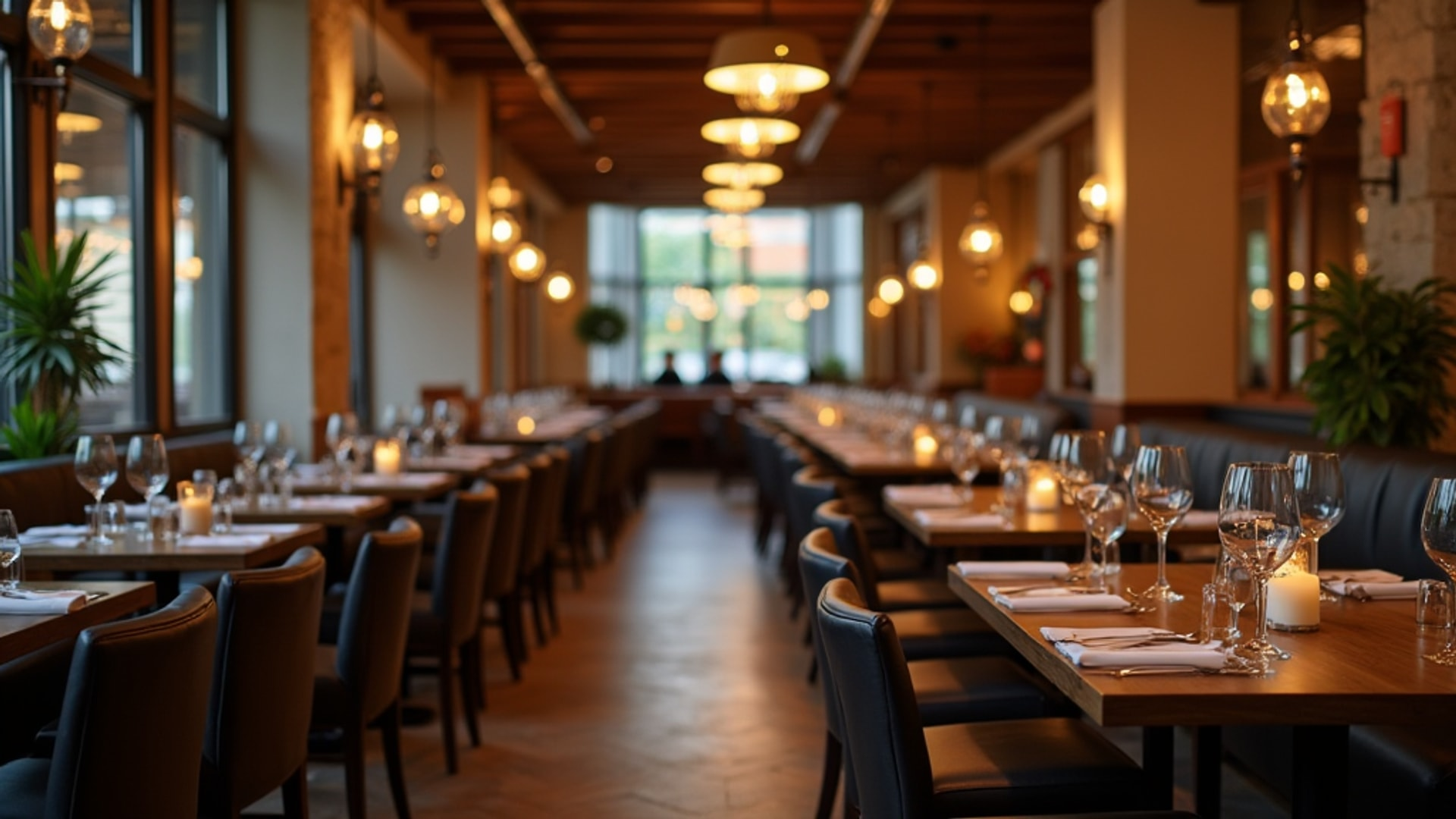
Color selection in a restaurant is one of the most consequential design decisions you will make, and most operators treat it as a matter of personal preference. Pick what looks good, match the logo, and move on. The problem with that approach is that the psychological responses to color are documented and measurable — they affect how long guests stay, how fast they eat, how much they spend, and whether they even feel hungry when they walk in.
According to research published through ResearchGate synthesizing multiple academic studies on restaurant design, the choice of color palette should align with the restaurant concept and target dining experience. Every color communicates something. The question is whether it communicates what you intended.
Why Color Affects Appetite at All
The mechanism behind color psychology in dining environments is evolutionary. Human brains learned to associate certain colors with edible, nutritious foods over hundreds of thousands of years. Colors that appear frequently among ripe fruits, vegetables, and other food sources trigger appetite-related responses. Colors that are rare in natural foods, or that are associated with toxicity or spoilage, can suppress appetite.
According to Wasserstrom’s analysis of color psychology for restaurant design, the color spectrum in restaurant interiors can be categorized into three functional groups: strong appetite stimulants, mild stimulants, and appetite suppressants. Understanding these categories helps restaurateurs make intentional choices that support their business model rather than working against it.
Strong Appetite Stimulants: The Warm Palette
Red
Red is the most studied and most powerful appetite stimulant in the color spectrum. According to Fohlio’s analysis of restaurant color psychology, red triggers primal responses linked to energy-dense foods found in nature — ripe berries, tomatoes, strawberries. It creates a sense of urgency and excitement that can accelerate eating pace.
The fast-food industry discovered this empirically. McDonald’s, KFC, Pizza Hut, Burger King, and Wendy’s all use red prominently in both branding and interior design. This was not an aesthetic accident — it was the accumulated observation that warm red environments produce faster eating and higher energy, which increases table turnover in high-volume operations.
For restaurants seeking high table turnover, red accents and warm tones encourage quicker dining. For restaurants where longer stays are the goal — such as fine dining concepts — red should be used sparingly or as a contained accent rather than a dominant wall color.
Orange
Orange evokes warmth and comfort, emotions tied to the security of abundant food. According to Fohlio, it creates a welcoming, social atmosphere that encourages conversation and lingering, making it effective for casual dining environments where the experience is as important as the food.
Orange occupies a middle ground in the appetite stimulant spectrum — strong enough to create warmth and appetite association, without the urgency that red conveys. It is the color most associated with hospitality and casual comfort in restaurant contexts.
Yellow
Yellow is associated with happiness and triggers serotonin release in anticipation of eating, according to Fohlio’s analysis. It creates an energetic, cheerful atmosphere — think of the emotional register of a sunny outdoor breakfast versus a dark dinner lounge.
The critical caveat with yellow is dosage. According to Fohlio, overly bright yellow can become overwhelming and anxiety-inducing in large doses. This is why yellow typically works best as an accent color rather than a dominant wall treatment. Used strategically — in lighting, trim, furnishings, or as one element in a warm palette — yellow adds energy and optimism. Applied broadly to large wall surfaces, it can become oppressive.
Mild Appetite Stimulants: Greens and Teals
Green and turquoise signal edible, non-poisonous plants in nature — the color of vegetables, fresh produce, herbs. According to Fohlio, these colors are milder appetite stimulants than warm colors because they lack the energy-density associations of red and orange. However, green carries a powerful secondary association that has made it dominant in a specific restaurant segment.
Green strongly conveys health, freshness, and natural sourcing. Farm-to-table restaurants, juice bars, smoothie shops, health-focused concepts, and plant-based restaurants all lean heavily on green because it reinforces their core brand positioning. The color does the positioning work at a glance.
According to Wasserstrom, green and turquoise evoke health, freshness, and nature, making them suitable for health-focused restaurant concepts. Customers in green-dominant environments read the restaurant’s values before they read the menu.
Green also creates a calming effect that encourages relaxed dining — comfortable without the urgency of warm colors. This pairs well with biophilic design elements like living walls and natural plantings. For restaurants with longer average dining times and premium check sizes, a green-accented palette can support the pacing the concept needs.
Appetite Suppressants: Cool and Dark Colors
Blue
Blue is the most studied appetite suppressant in restaurant environments. According to Wasserstrom’s analysis, blue is an appetite suppressant because very few natural foods are blue — historically this color has signaled inedibility or danger in food contexts. The brain’s association between blue and food is weak, and the appetite-stimulating response does not fire the same way it does with warm colors.
This does not mean blue has no place in restaurant design. According to Fohlio, blue inspires thirst and conveys cleanliness and serenity, making it appropriate for fine dining environments where the goal is prolonged, contemplative dining rather than rapid turnover. A cool, serene blue palette communicates premium positioning and encourages guests to linger over drinks and dessert rather than rush through courses.
The practical implication: if rapid turnover is important to your business model, avoid dominant blue interiors. If longer stays and higher per-person spending are the goal, a cool, sophisticated blue palette can serve that strategy.
Black, Brown, and Purple
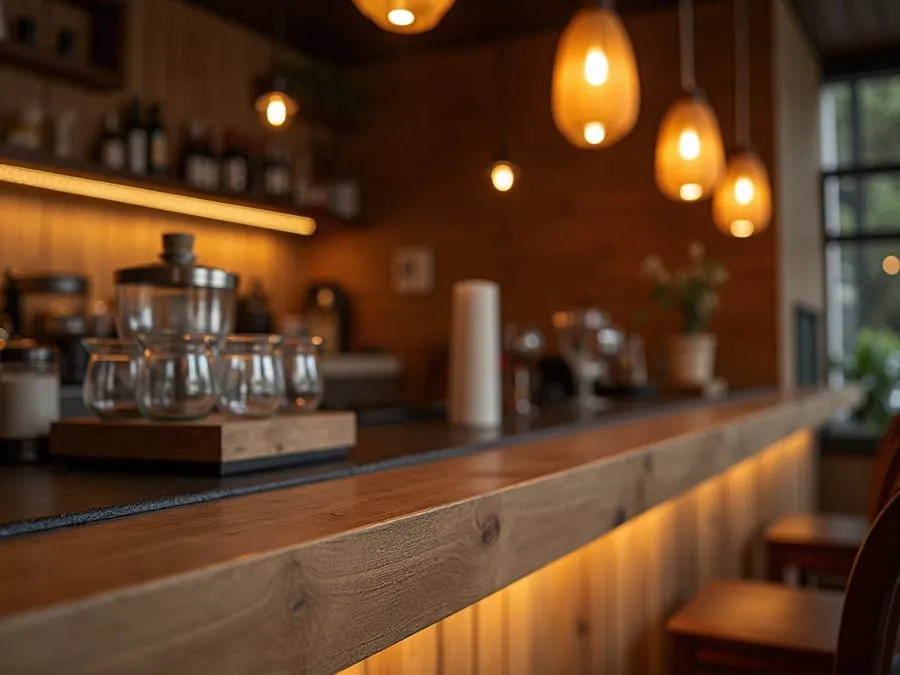
Black, brown, and purple similarly lack strong food associations and tend to suppress appetite, according to Wasserstrom. This is why many fine dining and upscale cocktail bar environments use these colors effectively — the goal in those settings is not to stimulate aggressive appetite and fast eating, but to create atmosphere, intimacy, and a sense of special occasion.
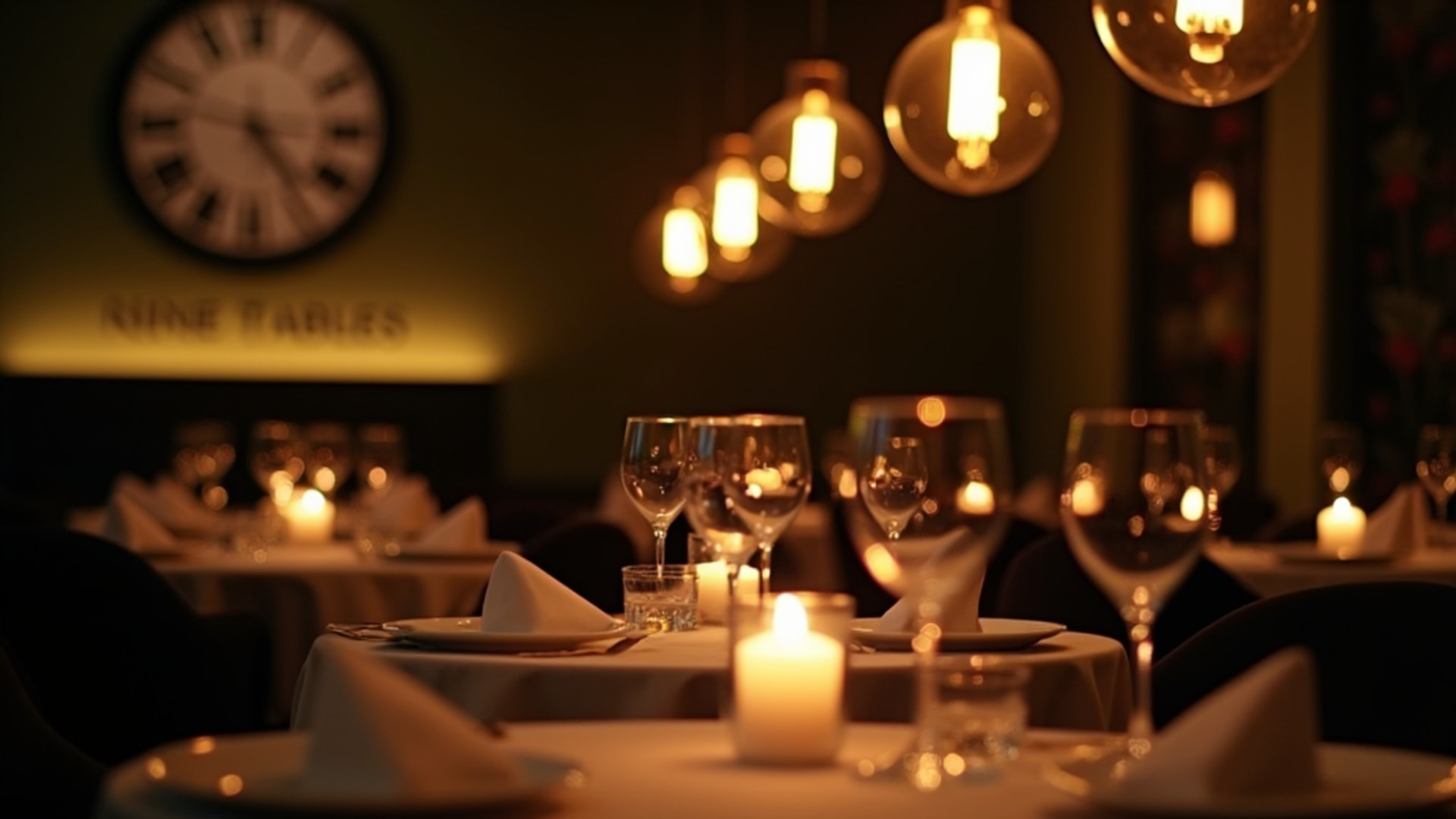
Deep jewel tones — navy, forest green, burgundy, charcoal — create intimate atmospheres where guests feel comfortable lingering, according to Wasserstrom. The suppressant effect, in these contexts, is a feature rather than a bug: it slows the pace, encourages additional drinks and desserts, and creates the emotional register appropriate for a celebratory dinner.
Strategic Color Application by Concept Type
Understanding the spectrum allows you to align color strategy with business model:
Quick-service and fast-casual concepts benefit from warm, energetic palettes — reds, oranges, and yellows — that stimulate appetite and encourage efficient turnover. According to Fohlio, brighter colors in casual seating areas encourage quicker turnover.
Full-service casual dining typically balances warm colors with neutrals, creating an inviting atmosphere that stimulates appetite without communicating urgency. Earth tones — terracotta, warm beige, sage green — work well here.
Health-focused restaurants align with greens and earth tones that reinforce brand positioning around freshness and natural sourcing. These colors do the brand positioning work before the menu does.
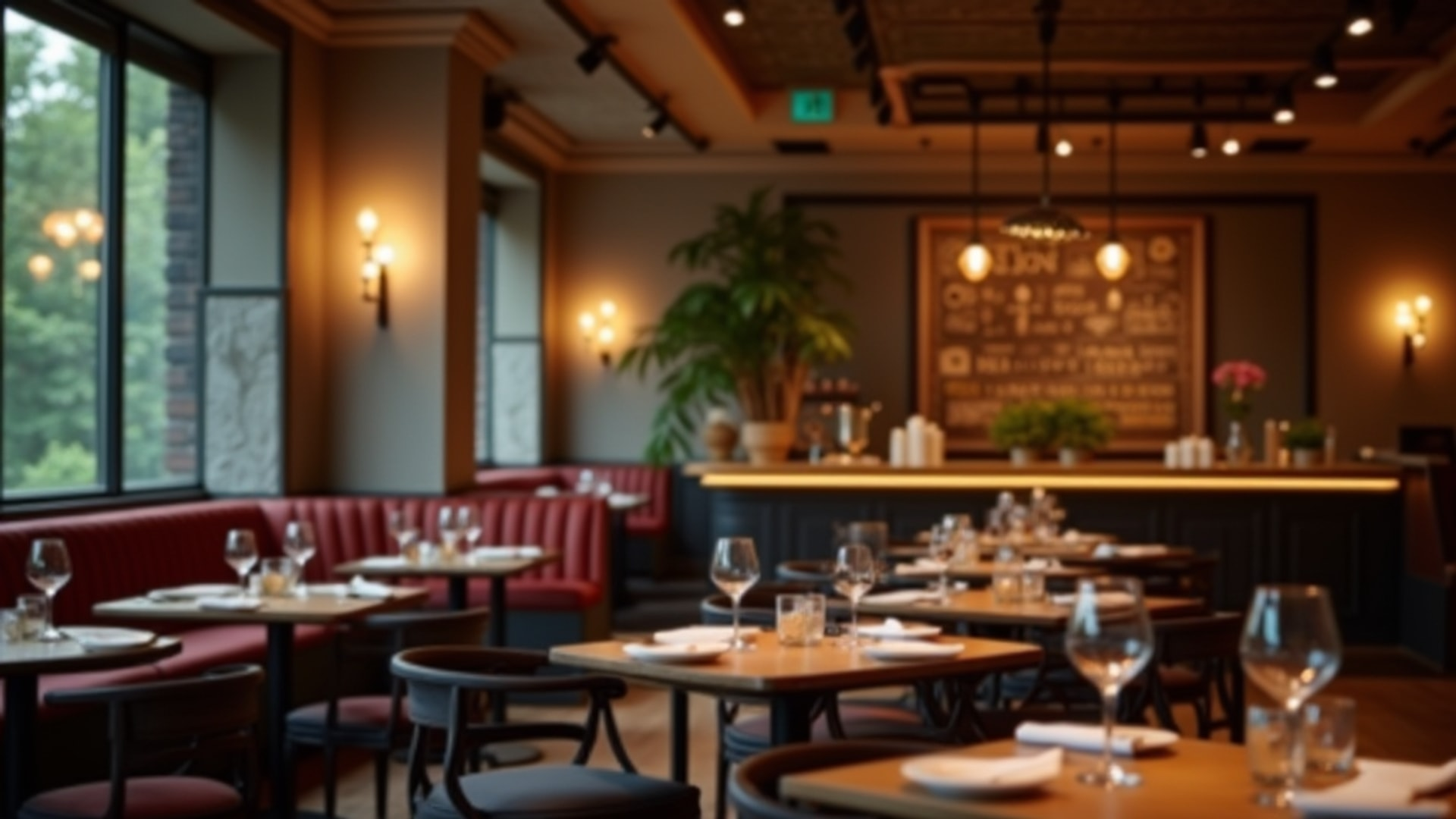
Fine dining and upscale concepts employ muted, sophisticated tones — deep blues, rich neutrals, jewel tones — that create intimacy and encourage guests to linger. According to Fohlio, comfortable, upholstered furniture in muted tones can encourage longer stays and additional orders in lounge or premium dining areas.
Bar and lounge concepts use deeper, darker palettes to create atmosphere and intimacy during evening hours. The lower appetite stimulation is appropriate because the primary product is beverages, not food.
The Interaction Between Color, Lighting, and Materials
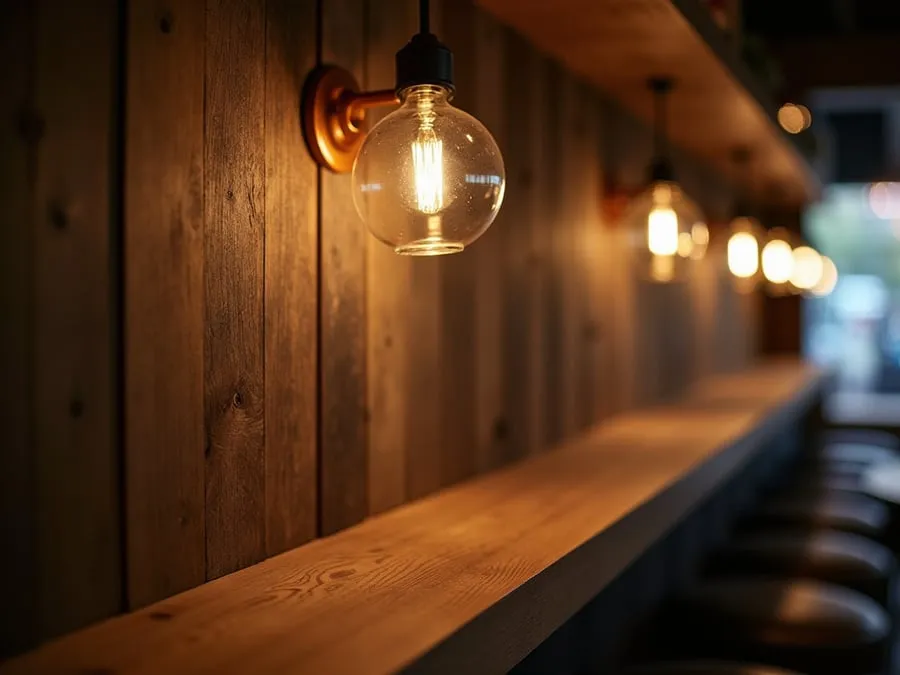
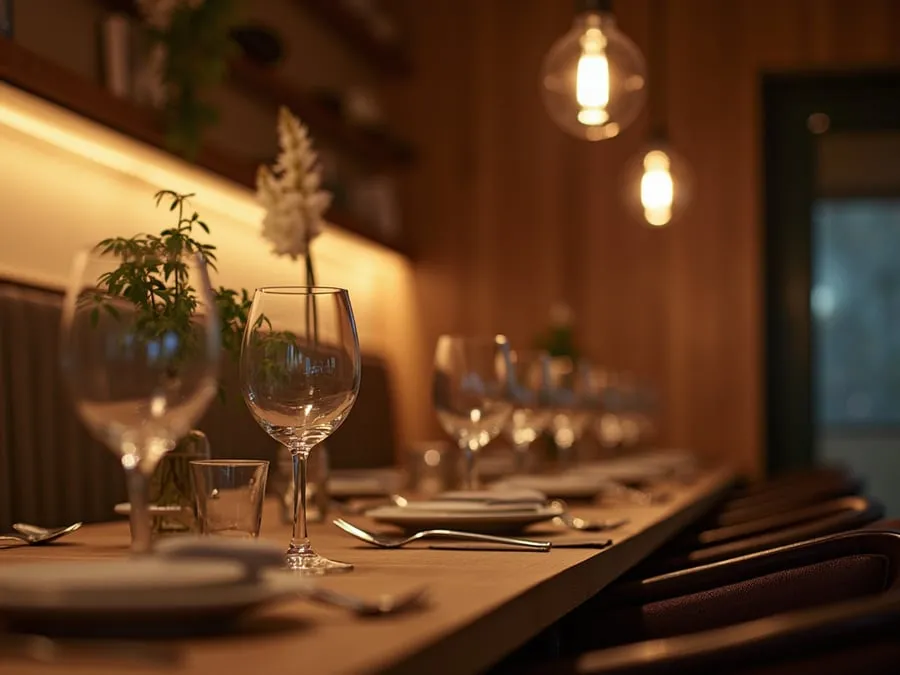
Color on a wall is never experienced in isolation. According to Wasserstrom, the interplay between wall color, lighting temperature, and material finishes creates the complete chromatic experience, and all three elements must be considered together.
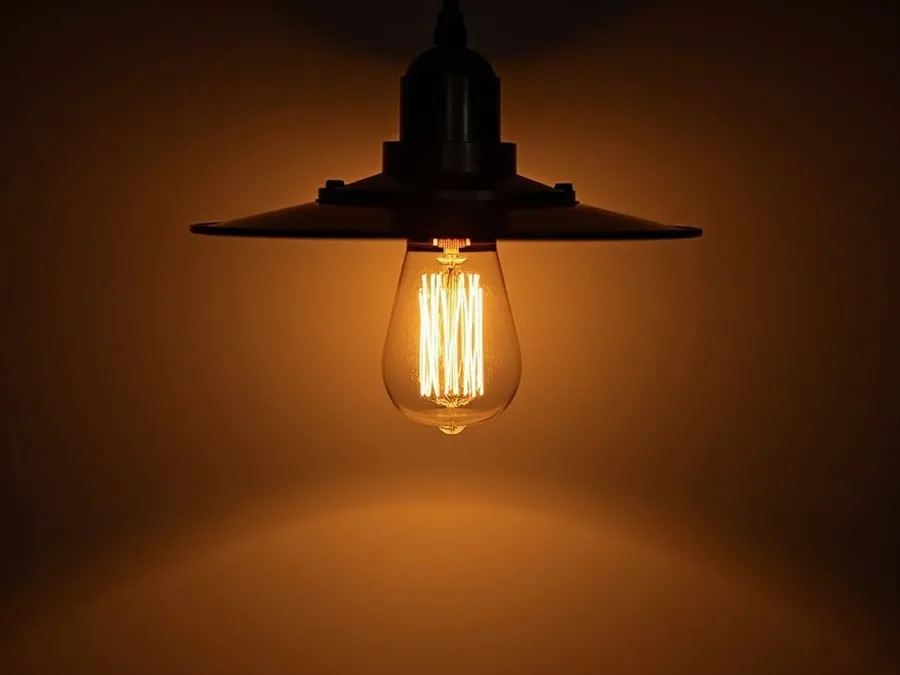
Warm-toned lighting (2700-3000 Kelvin) amplifies the warmth of warm colors and creates a welcoming, intimate atmosphere. Cool-toned lighting (5000+ Kelvin) reads clinical and can undermine even a well-chosen warm palette. A restaurant with beautiful warm walls and cool fluorescent lighting has created a contradiction that guests will feel without being able to articulate.
Material finishes interact with color in the same way. A warm orange wall reads differently against natural wood than against stainless steel. The material palette and the color palette are one design system, not two separate decisions.
→ Read more: Restaurant Flooring Materials
Color and Customer Spending
The financial implications of color choice extend beyond just appetite stimulation. According to Fohlio, strategic color use influences both how long customers spend in a restaurant and how much they spend during their visit.
Academic research confirms this relationship. According to ResearchGate’s synthesis of restaurant design research, dimmer lighting in full-service restaurants encourages longer stays, higher per-person spending, and more positive evaluations of food quality. The lighting research intersects with color research: darker color palettes combined with warm, dim lighting create the conditions for premium spending behavior.
Bright, energetic, warm-colored environments in casual settings promote faster turnover and appetizing associations, supporting a high-cover-count revenue model. Dark, cool, intimate environments support a premium check average model. Knowing which model your concept operates on should guide every color decision.
Brand Consistency Across Touchpoints
According to Wasserstrom, consistent color schemes across branches and marketing materials strengthen brand recognition. The color psychology that operates in the dining room should be continuous with the brand’s digital presence, packaging, uniforms, and all customer touchpoints.
If your brand palette is built around warm earth tones communicating approachability and natural sourcing, those colors should appear in the interior, on the menu, in the app, and on the takeout packaging. Disconnection between brand colors and interior design creates a subtle inconsistency that erodes brand clarity over time.
The operational implication for multi-unit operators is that color decisions made for one location set a template. Make them intentionally the first time.
→ Read more: Branding and Interior Consistency
→ Read more: Restaurant Design Psychology