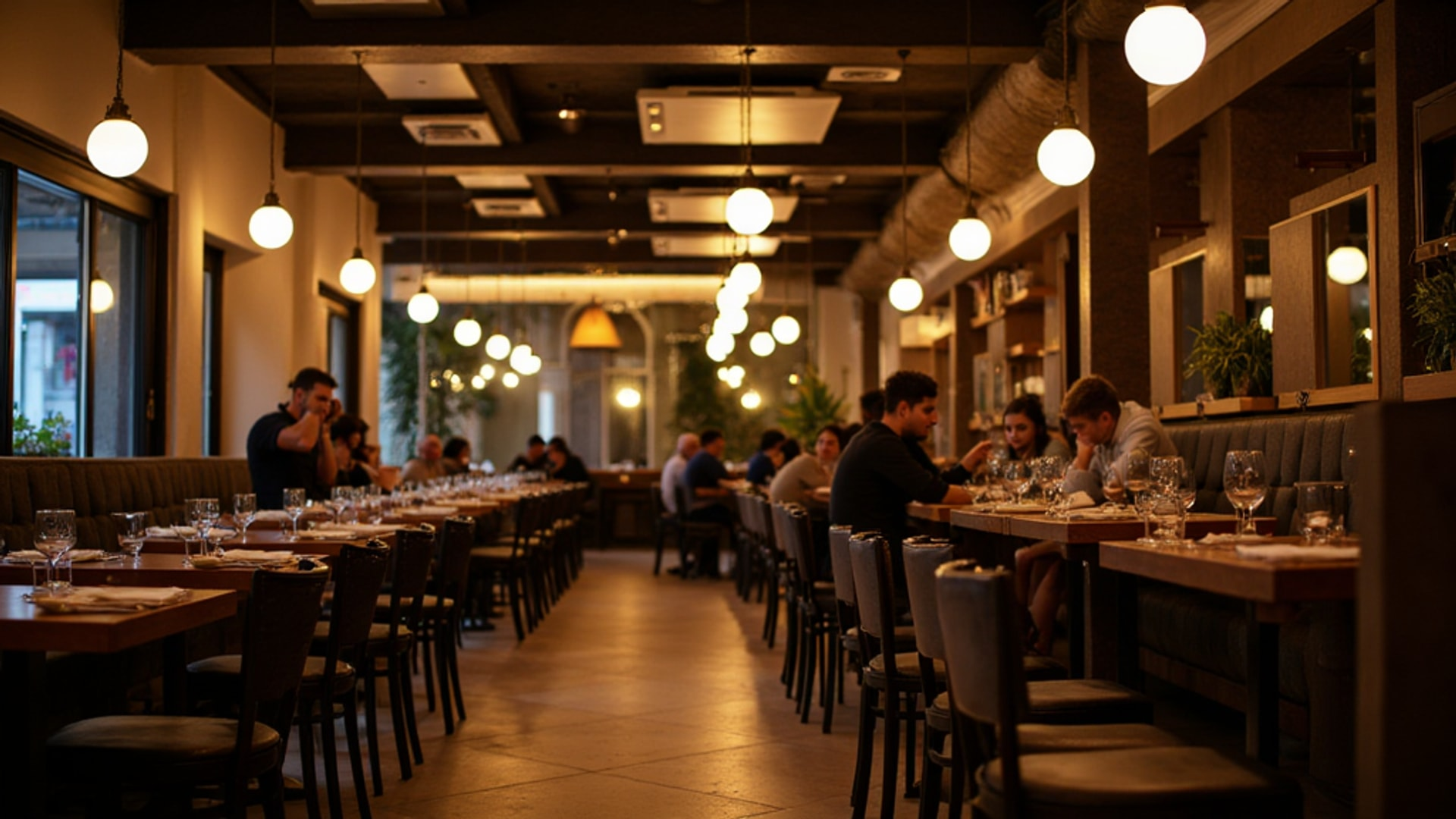
Every restaurant needs great food. But great food alone does not guarantee a full dining room. Marketing is the bridge between what you offer and the people who want it. Whether you run a neighborhood bistro or a multi-location chain, a deliberate marketing strategy helps you attract new guests, keep regulars coming back, and build a brand that stands the test of time.
Brand Identity: The Foundation of Everything
Your brand is more than a logo. It is the sum of every impression a guest has of your restaurant, from the typeface on your menu to the way your host greets people at the door. A strong brand identity gives your marketing a consistent voice and helps guests understand what to expect before they walk in.
Start by defining your brand pillars: three to five words that describe the experience you want guests to have. A farm-to-table concept might choose seasonal, honest, and rooted. A high-energy ramen bar might choose bold, fast, and unpretentious. These words should guide every marketing decision, from the colors on your website to the tone of your Instagram captions.
Document your brand in a simple style guide covering logo usage, color palette, typography, photography style, and voice. Share it with everyone who creates content on your behalf. Consistency across every touchpoint builds trust, and trust fills seats.
Digital Presence: Your 24/7 Storefront
Your website and online listings are the first impression for most potential guests. If your digital presence is outdated or hard to navigate, you lose guests before they taste your food.
At minimum, your website needs to answer three questions instantly: what you serve, when you are open, and how to find you. Your menu should be readable on a mobile phone. Hours, address, and phone number should be visible without scrolling. A reservation widget should be prominent.
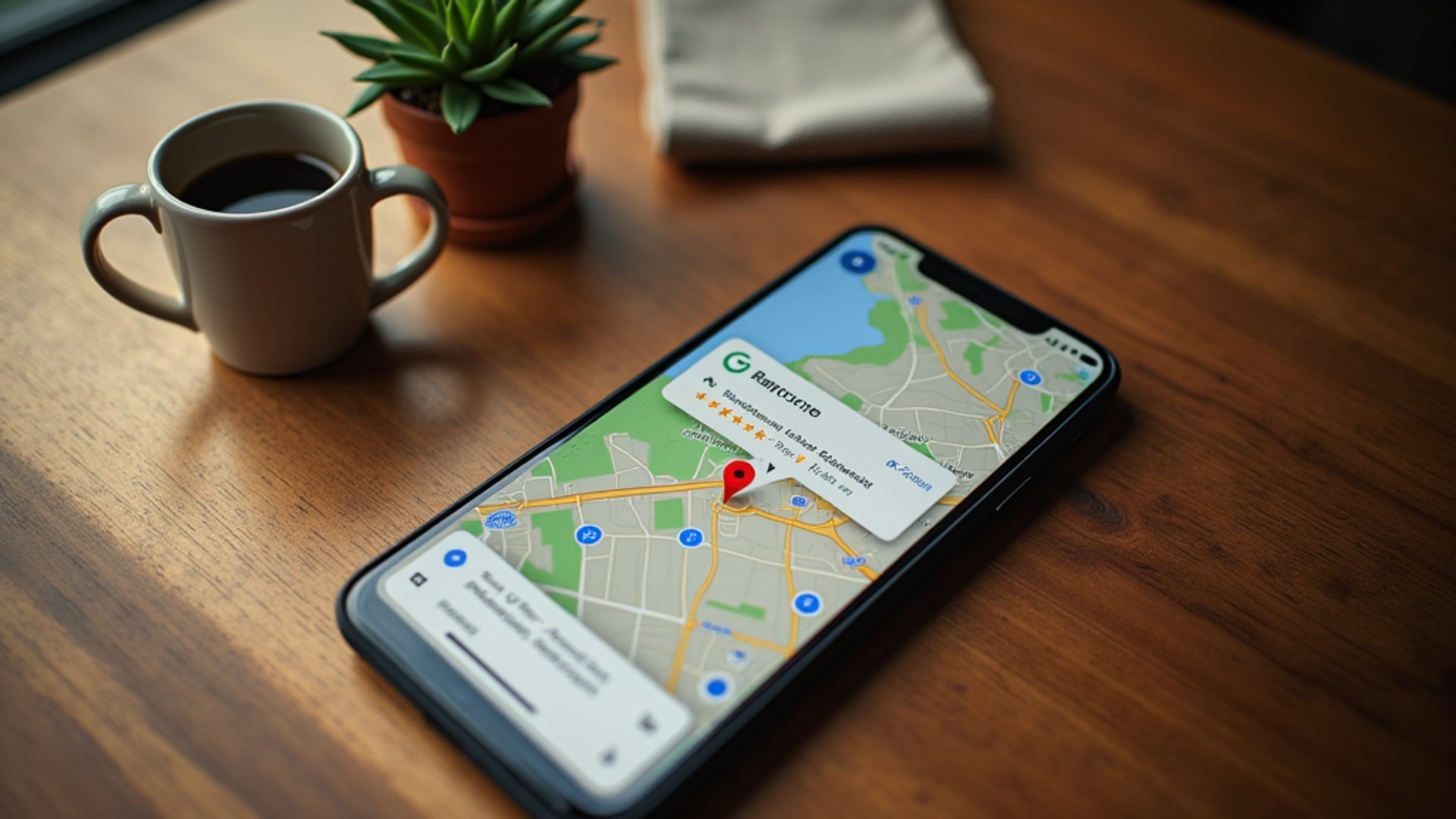
Beyond your own website, claim and optimize your profiles on Google Business, Yelp, TripAdvisor, and any platforms popular in your market. Keep hours, menus, and photos current everywhere. Invest in basic search engine optimization by targeting keywords that match how people actually search, such as “best Thai food in [your city]” or “brunch near [neighborhood].”
Social Media: Telling Your Story Daily
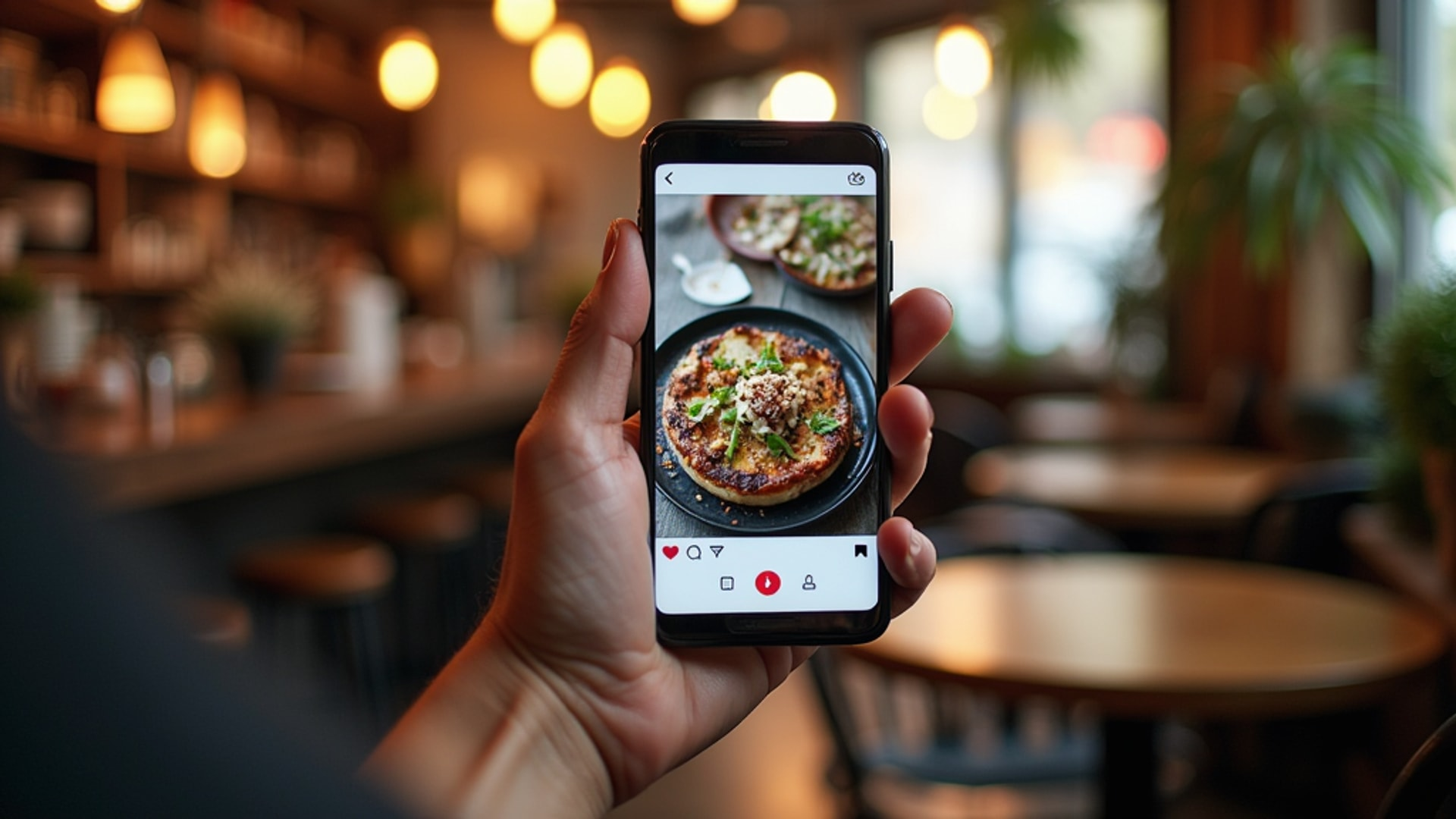
PlaySocial media is where restaurants build relationships between visits. Platforms like Instagram, TikTok, and Facebook let you show personality, highlight specials, introduce your team, and stay top of mind.
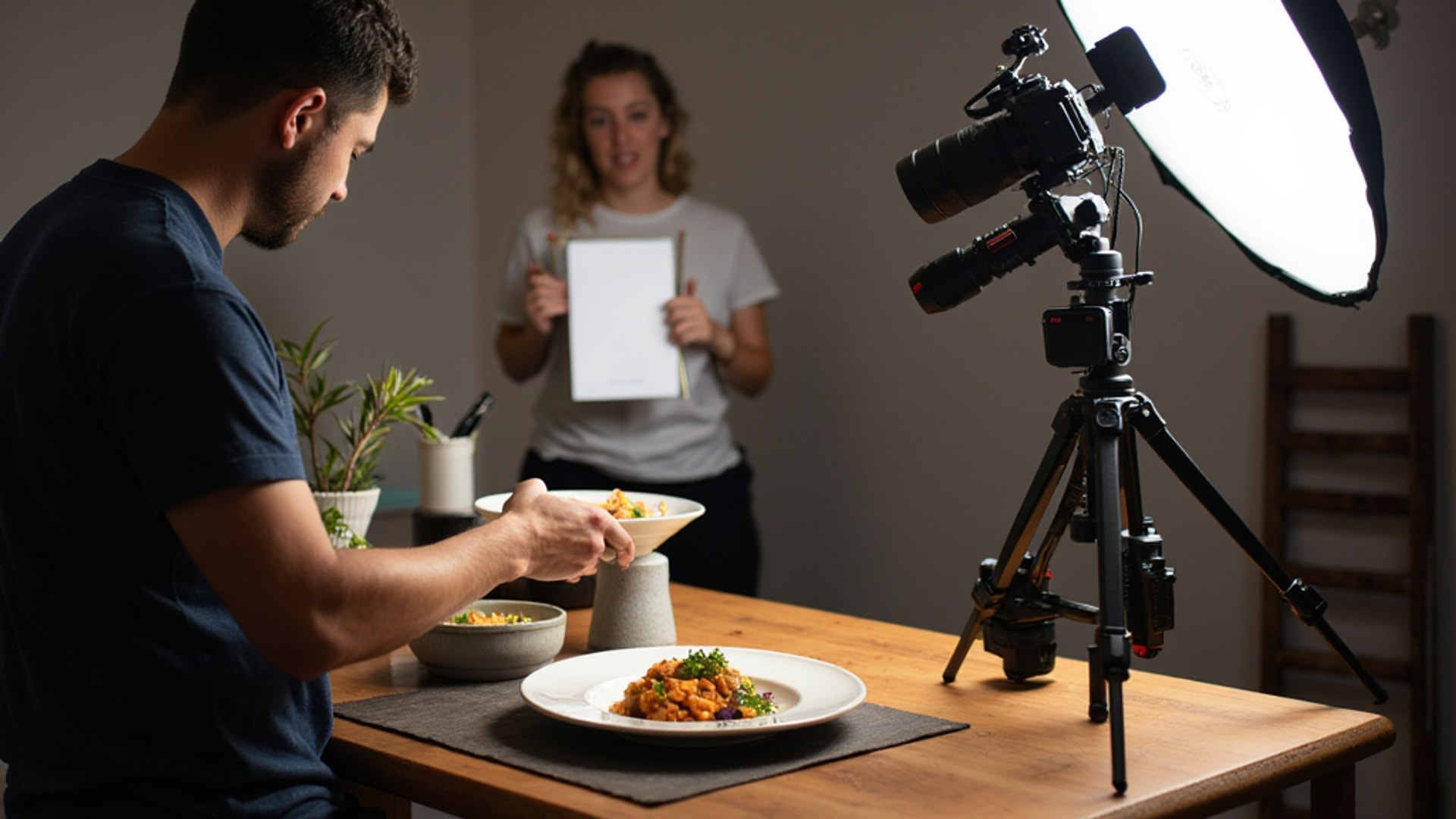
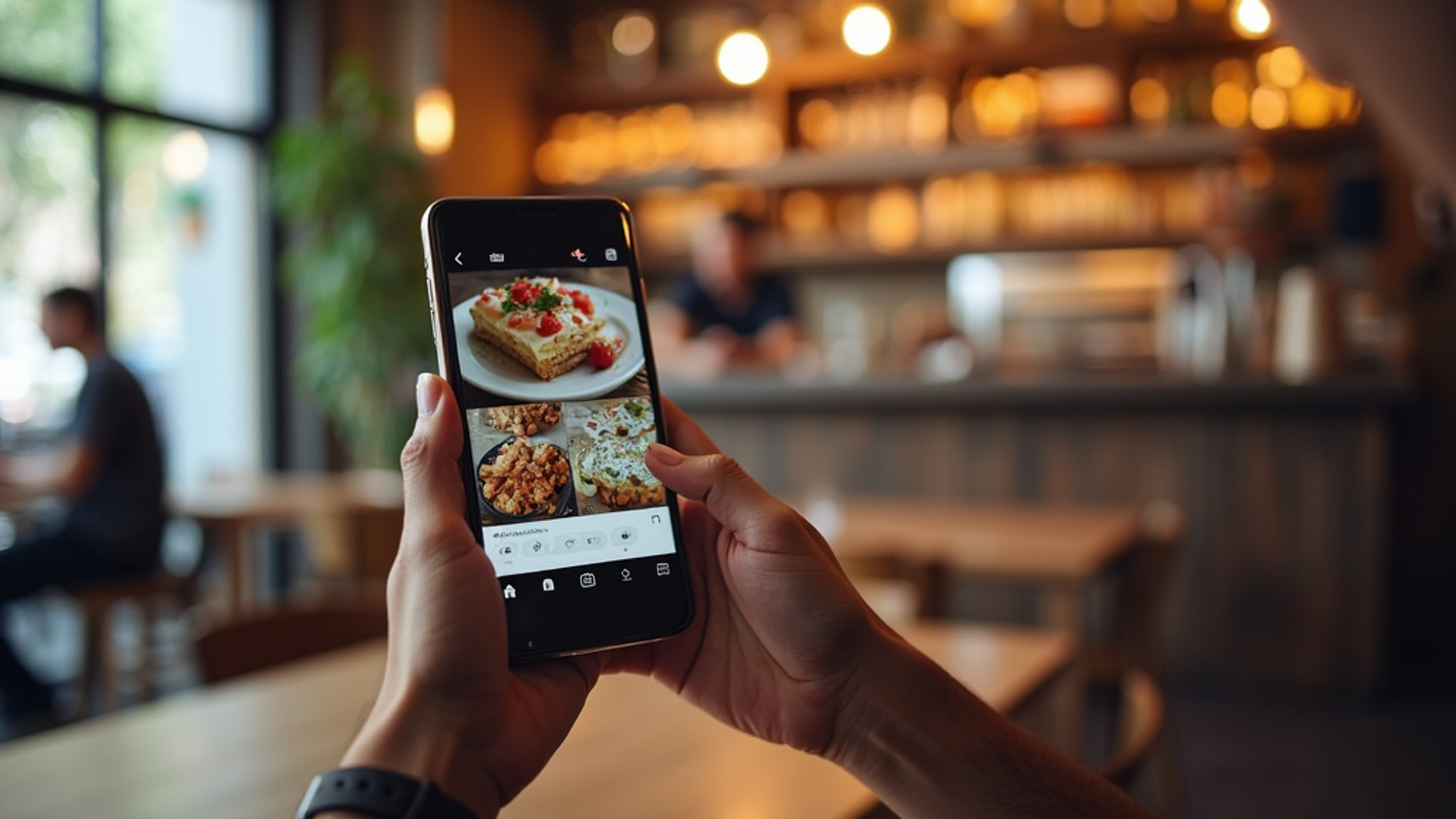
Develop a content calendar that balances promotional posts with behind-the-scenes content and community engagement. Three strong posts per week beats seven mediocre ones. Food photography drives engagement on visual platforms, so invest in good natural light, clean plating, and a consistent editing style.
For a deeper dive into platform-specific tactics, see our Social Media Marketing for Restaurants guide.
Local Marketing: Owning Your Neighborhood
Restaurants are inherently local businesses. The majority of your guests live or work within a short drive of your front door. Local marketing helps you become a fixture in the community rather than just another option on a delivery app.
Partner with nearby businesses for cross-promotions. Join your local business association. Sponsor community events and donate gift cards to school fundraisers. These investments build goodwill that no amount of paid advertising can replicate.
Direct mail still works when done thoughtfully. A well-designed postcard with a compelling offer, sent to households within your trade area, can drive measurable traffic. Do not overlook physical signage and curb appeal either. Your exterior is a marketing channel that works around the clock.
Public Relations: Earning Attention
Public relations earns attention by making your restaurant newsworthy. A feature in the local paper or a mention on a food blog carries more credibility than any ad you could buy.
Build relationships with local food writers, bloggers, and influencers before you need them. Invite them to dine, share your story, and provide high-resolution photos with a clear narrative angle. Create press-worthy moments throughout the year: seasonal menu launches, anniversary celebrations, chef collaborations, and community events all give media a reason to write about you.
Loyalty Programs: Turning Visitors into Regulars
Acquiring a new guest costs significantly more than retaining an existing one. A loyalty program gives guests a reason to choose your restaurant over competitors when the craving strikes.
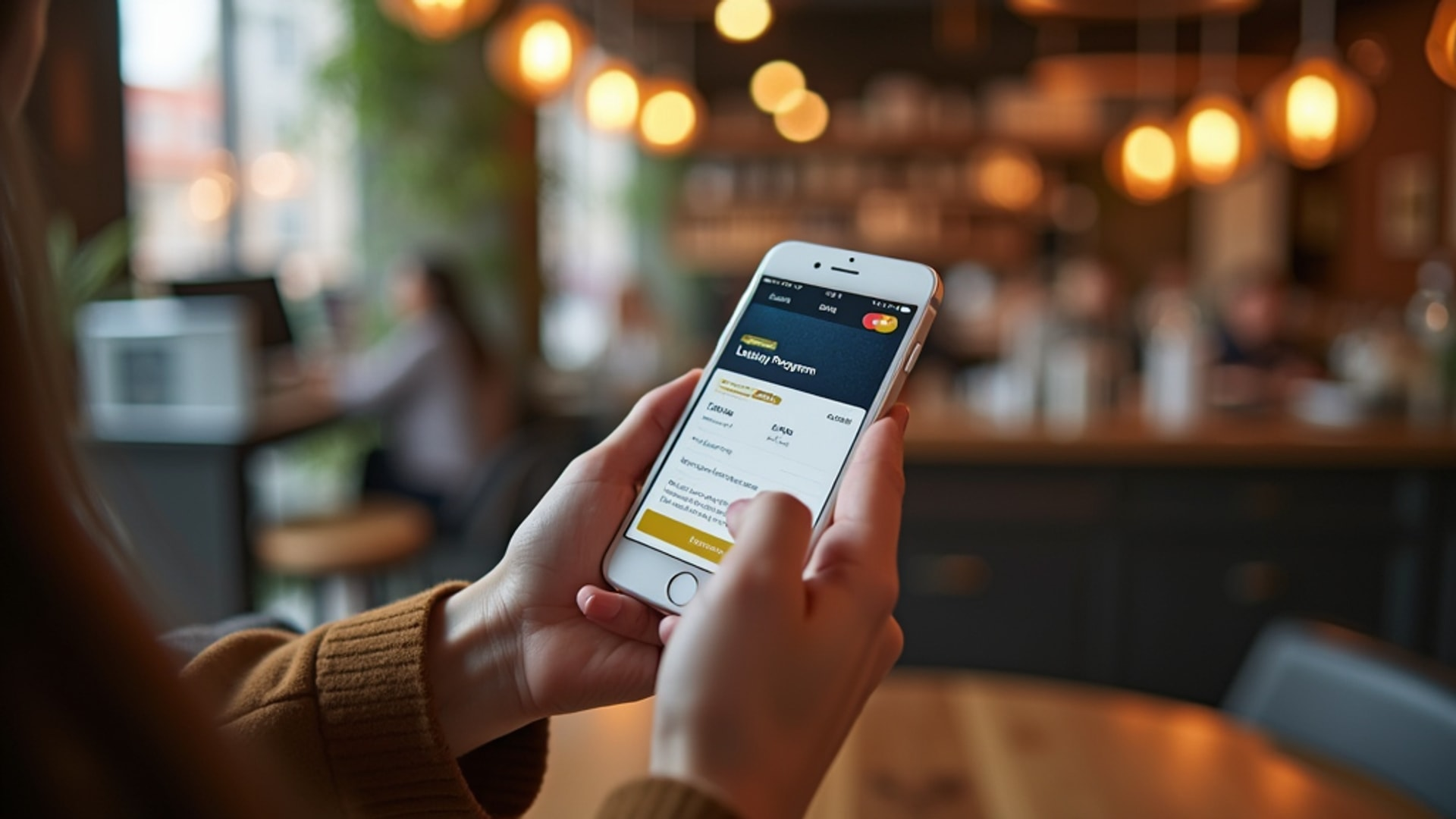
Digital loyalty platforms have largely replaced paper punch cards. They track visit frequency and spending patterns while delivering personalized offers via email or push notification. Choose a platform that integrates with your point-of-sale system so enrollment and redemption happen seamlessly.
Design your program around behaviors you want to encourage. If you want to boost weekday traffic, offer double points on Tuesday and Wednesday. If you want to increase average check size, reward spending thresholds rather than visit counts. Keep the structure simple enough that a guest can explain it in one sentence.
Email marketing is the backbone of ongoing communication. Collect addresses through your loyalty program, reservation system, and website. Send a monthly newsletter with updates, events, and an exclusive offer.
Reputation Management: Protecting What You Have Built
PlayOnline reviews shape dining decisions. A one-star change in your average rating can noticeably affect revenue. Reputation management is about consistently delivering a great experience and responding thoughtfully when things go wrong.
Respond to every negative review promptly and professionally. Acknowledge the guest’s experience, apologize sincerely, and offer to make it right offline. Never argue publicly. Encourage satisfied guests to leave reviews without being pushy, and track review trends over time. If multiple guests mention the same issue, those reviews are free market research telling you where to improve.
Bringing It All Together
Marketing is not a single campaign. It is the ongoing work of communicating your value to the people most likely to appreciate it. Start with the fundamentals: make sure your website, Google listing, and social profiles are accurate, attractive, and consistent. Then layer in more advanced tactics as your capacity grows.
For more on how marketing connects to other aspects of running a restaurant, explore our guides on menu engineering, restaurant operations, and restaurant design.