· Marketing · 7 min read
Instagram Marketing for Restaurants: From Feed Strategy to Measurable Revenue
How to build an Instagram presence that drives real restaurant revenue — with platform benchmarks, content strategy, and the case study that proves it works.
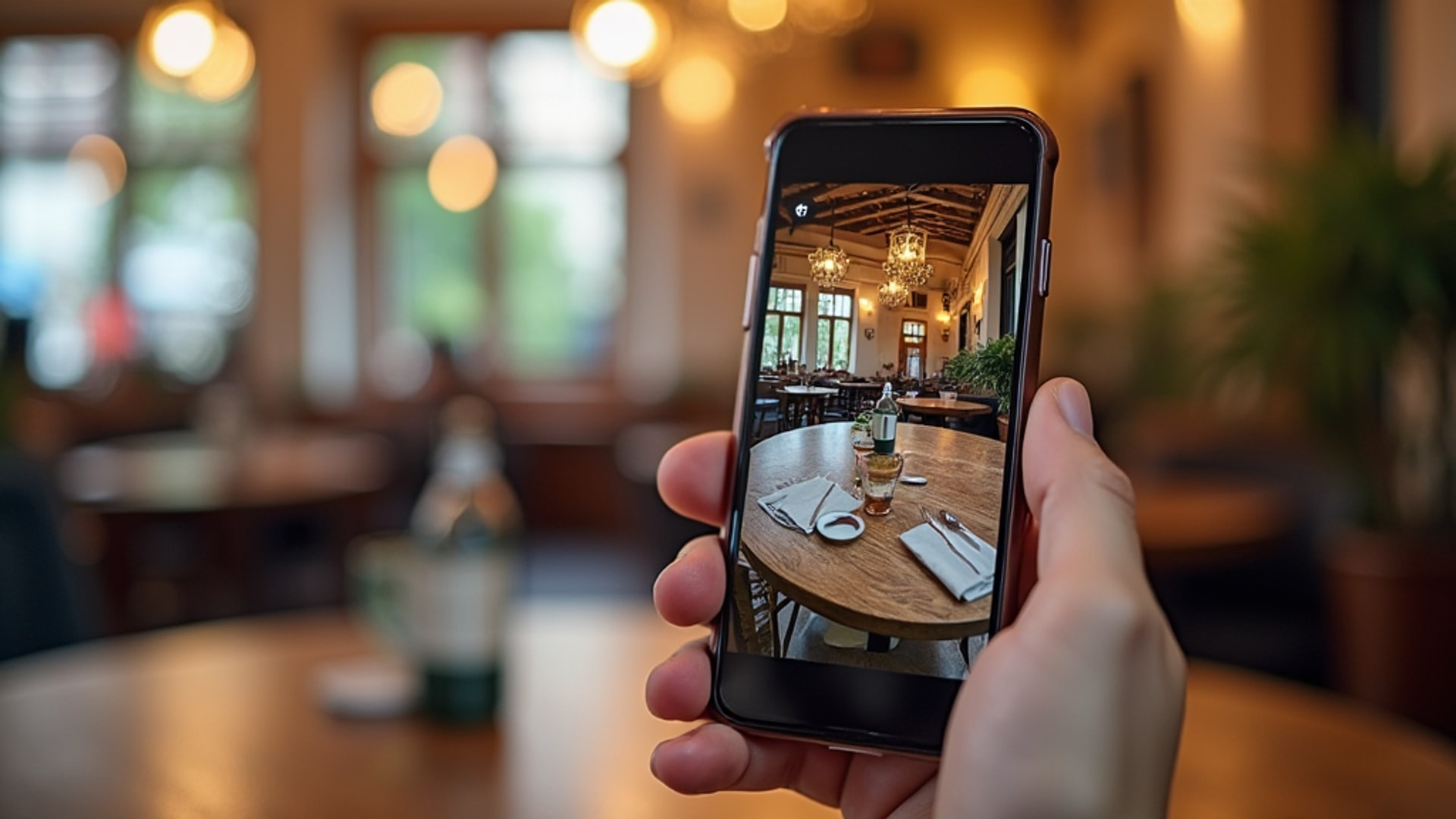
According to Restroworks, Instagram delivers a 2.2% per-follower engagement rate for food content — significantly outperforming the cross-industry average. Reels and short-form vertical video earn approximately double the engagement of static posts. And 55% of Gen Z diners use Instagram for restaurant reviews and visual discovery before choosing where to eat.
Instagram is not a branding exercise for restaurants. It is a discovery and conversion channel with measurable revenue impact. According to Restroworks, restaurants reported an average 9.9% increase in B2C revenue directly attributable to social media strategies in 2024. The Talkin’ Tacos case study from Owner.com is the proof of concept: their Instagram strategy correlated with expansion to 25 locations in five years and generated $262,000 in online sales within 11 months.
This guide focuses on what actually works — platform mechanics, content strategy, and practical execution for operators without a dedicated marketing team.
Platform Fundamentals: What Instagram Is in 2026
Instagram in 2026 operates across four content surfaces, each with distinct performance characteristics:
| Surface | Content Format | Best Use | Engagement Potential |
|---|---|---|---|
| Feed posts | Static photos, carousels | Brand identity, evergreen content | Moderate |
| Reels | Short-form vertical video (up to 90 sec) | Discovery, viral reach | High — up to 2x static posts |
| Stories | 15-second photos/videos | Daily engagement, real-time updates | High engagement from existing followers |
| Lives | Real-time broadcast | Events, Q&A, cooking demos | Niche but loyal audience |
According to Owner.com (aggregating multiple industry sources), over 70% of all brand posts on Instagram are now Stories rather than feed posts — reflecting how the platform is actually used. Stories are where existing followers engage daily. Reels are where new audiences find you.
Practical implication: Run two parallel strategies. Use Stories for daily engagement with existing followers (specials, behind-the-scenes, polls). Use Reels to reach new audiences and grow your follower base.
Profile Optimization: First Impressions That Convert
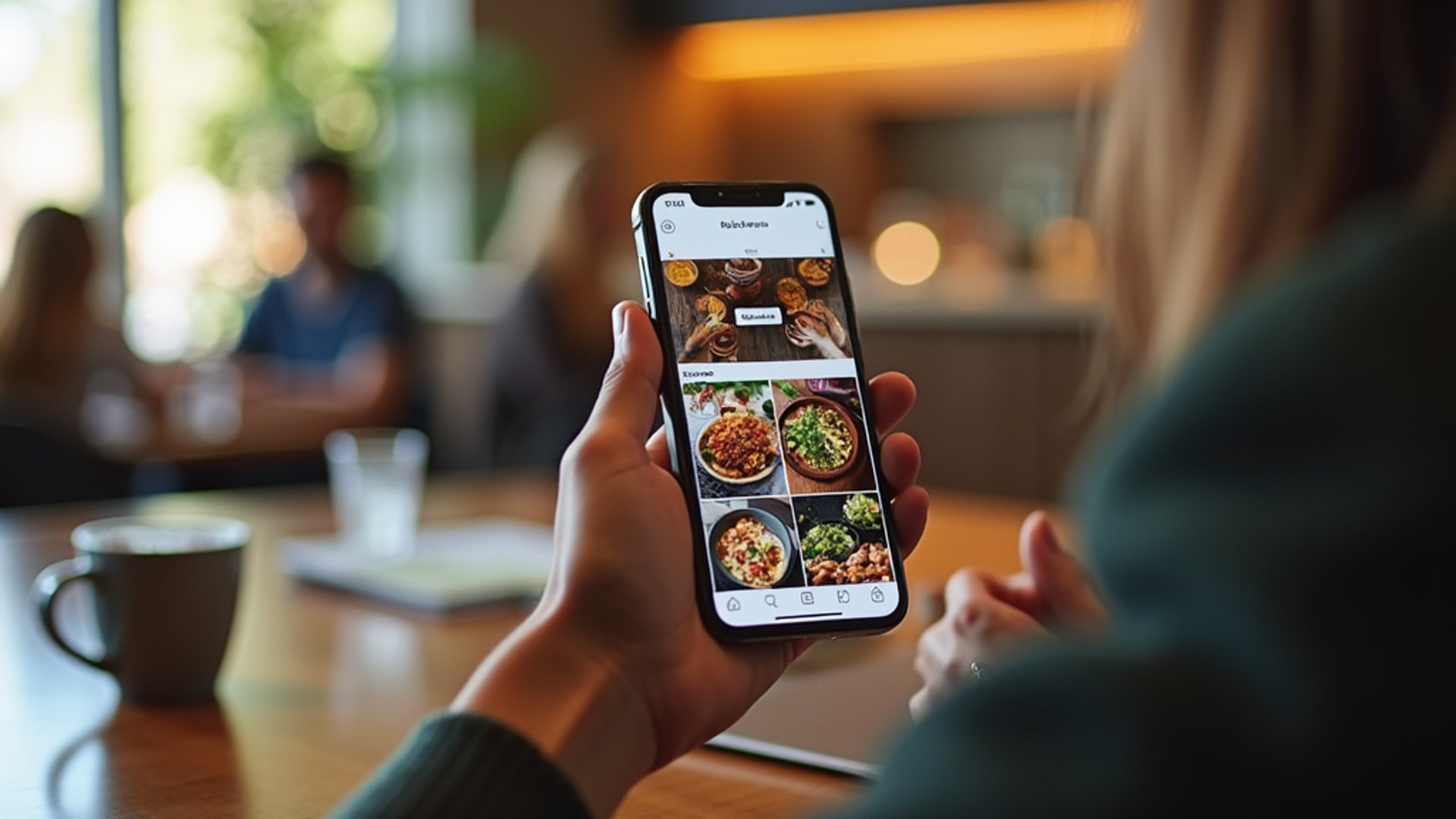
Before any content strategy, the profile must work as a conversion funnel for the 51% of diners who browse Instagram before choosing where to eat (per Owner.com).
Profile optimization checklist:
- Username: Restaurant name (no underscores or numbers if avoidable)
- Profile photo: High-quality logo on white or clean background
- Bio: Cuisine type + city + one compelling differentiator (150 characters max)
- Bio link: Direct to your online ordering page or reservation system — not your homepage
- Contact buttons: Phone, email, directions configured
- Highlights: Organized Story archives covering Menu, Events, Team, Reviews, Location
According to Owner.com, restaurants with multiple locations should keep their username generic and brand-focused rather than geography-specific. The bio is your 150-character pitch to someone who has never heard of you. Make it specific: “Hand-made pasta, wood-fired pizza, West Village NYC” is stronger than “Italian restaurant — come visit us!”
Content Strategy: What to Post and When
Feed Content: Building Brand Identity
Your feed is your restaurant’s visual portfolio. Someone visiting your profile for the first time will see your 9-12 most recent posts. That grid is a first impression.
Content mix that works:
- 50% food photography (signature dishes, seasonal specials, close-up detail shots)
- 25% atmosphere and space (dining room, bar, exterior, table settings)
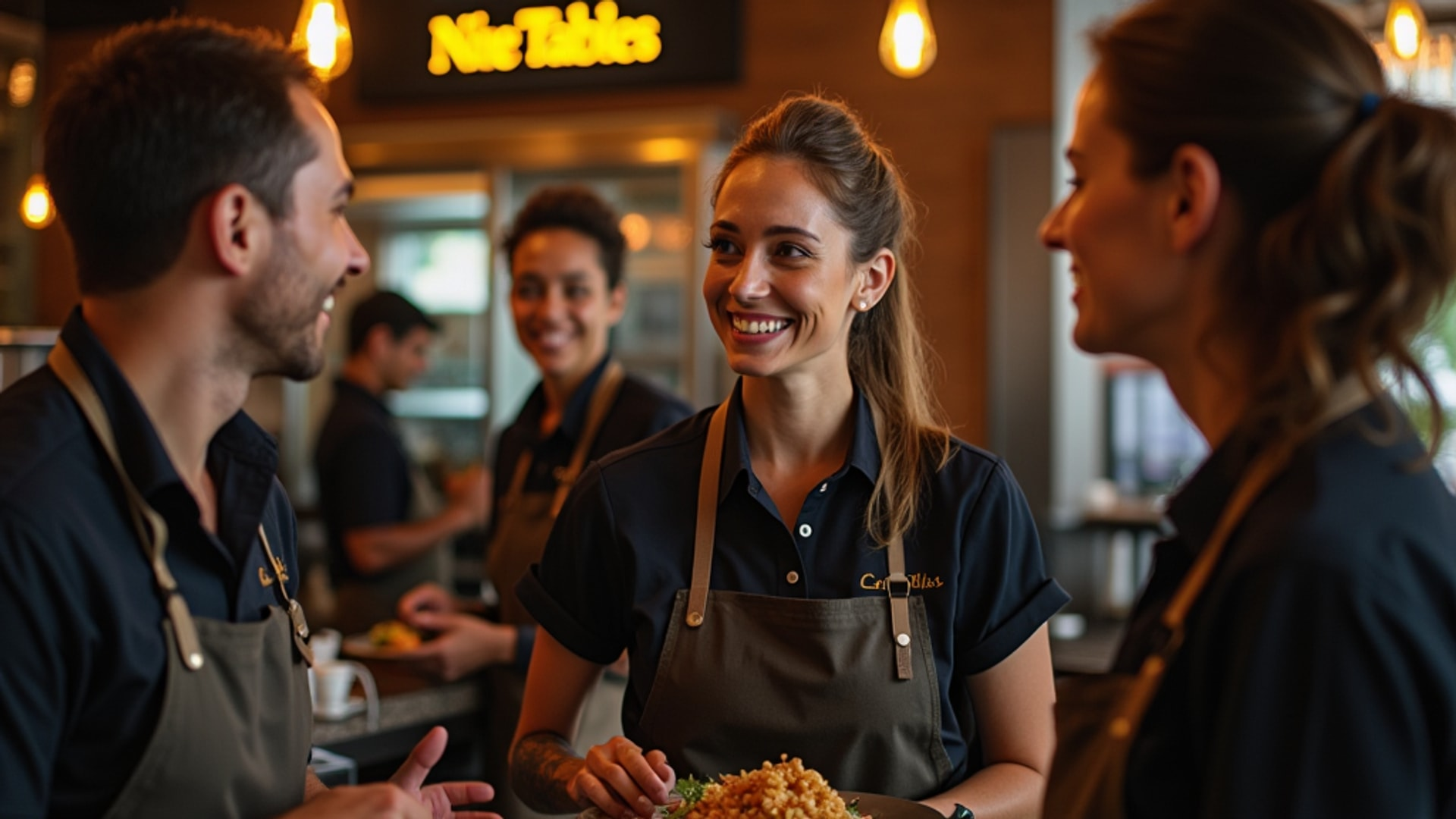
- 15% people (staff, chef, customer moments — with permission)
- 10% story and purpose (sourcing visits, prep processes, behind-the-scenes)
According to Owner.com, posting 3-4 times per week maintains activity and keeps followers engaged. Consistency matters more than frequency. Three high-quality posts per week every week outperforms seven posts one week and silence the next.
Timing optimization: According to Restroworks, holidays and weekends see 35% higher engagement than weekdays. Schedule your most important promotional content — new menu launches, event announcements, special offers — for Friday or Saturday.
Reels: The Discovery Engine
Reels consistently outperform static posts for reach and engagement. According to Restroworks, Reels earn approximately double the engagement rate of static posts. The algorithm actively distributes Reels content to non-followers based on interest signals, making Reels your primary tool for audience growth.
Reel content ideas with high performance potential:
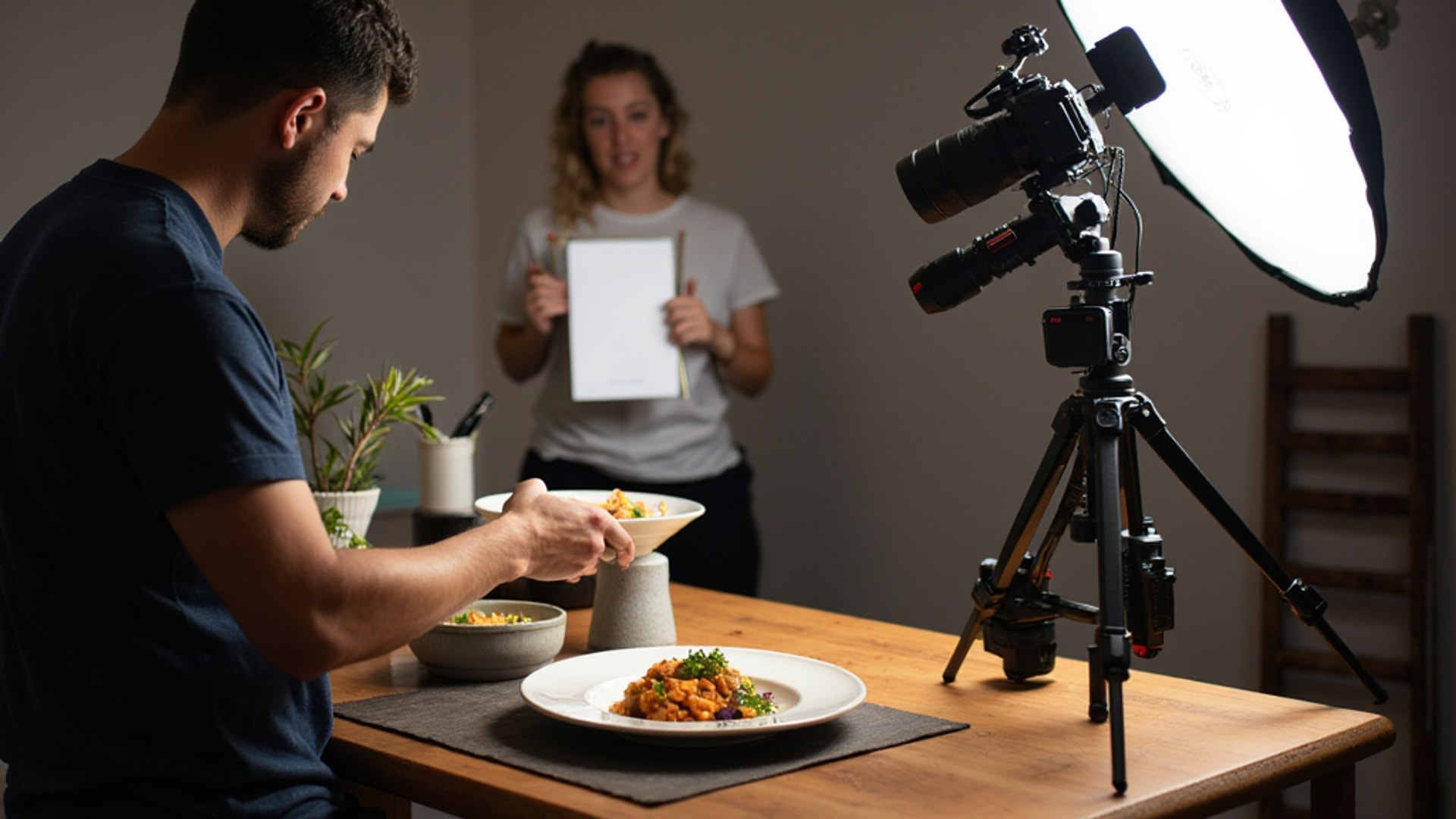
- A dish being plated from raw ingredients to finished plate (30-45 seconds, no narration needed)
- The dining room transformation from empty daytime to full evening service
- Chef demonstrating a technique — knife work, sauce preparation, pasta rolling
- “What’s new this week” format: a quick showcase of 3-4 current specials
- Staff introduction: a 20-second “meet the team” with names and roles
- Customer reaction moments (genuinely captured, with permission)
According to Squeaky Wheel Restaurant Marketing, Reels and TikTok videos under 30 seconds perform best for restaurant content in 2026. A 30-second cheese-pull or theatrical dish presentation can reach hundreds of thousands overnight.
Stories: Daily Relationship Building
Stories expire after 24 hours, making them ideal for time-sensitive content that does not belong on your permanent feed.
Daily Story content ideas:
- Today’s specials or “what’s fresh today”
- Behind-the-scenes prep (simple, unedited is fine)
- Countdown to a special event or new menu launch
- Customer photo reshares (tag the original poster)
- Poll or question sticker (“Ramen or pasta tonight? 🍜🍝”)
- “Hours and kitchen open” announcement at service start
The interactive features — polls, questions, quizzes, countdowns — generate responses that signal to the algorithm that your content is engaging, which improves Story distribution.
Engagement: The 73% Rule
According to Restroworks, 73% of diners will choose a competitor if a restaurant does not respond online. This applies directly to Instagram engagement.
→ Read more: Online Reputation and Review Management: Turning Customer Feedback into Revenue
Response protocol:
- Reply to all comments within 24 hours (within 2 hours is ideal)
- Respond to all DMs within 4 hours during business hours
- React to every Story reply at minimum
- Like and respond to posts that tag your restaurant
- Engage with content from local food accounts and community members
Engagement is not just defensive (avoiding losing the 73%). It is offensive: active engagement signals algorithmic health, increases content distribution, and builds community that self-perpetuates through word-of-mouth.
Influencer Partnerships: Micro Over Macro
According to Owner.com, food bloggers with 20,000 to 50,000 followers provide the best balance of reach and affordability for restaurant Instagram marketing. Larger influencers may have broader reach but lower engagement rates, higher costs, and audiences that are less locally concentrated.
→ Read more: Restaurant PR and Influencer Marketing: How to Earn Attention That Drives Visits
The micro-influencer partnership model:
Identify 5-10 local food creators with:
- 10,000-50,000 followers
- Located in your city or region
- Consistent food content (not lifestyle generalists)
- Engagement rate above 3% (use a free tool like Social Blade to check)
Approach with a complimentary meal offer in exchange for an honest post. No scripts, no requirements. A creator who is free to share a genuine experience will produce content that their audience trusts — and that trust is the entire point.
Budget context: Owner.com suggests approximately $100 per week for staff photo management makes consistent content creation sustainable. For influencer partnerships, three complimentary meals per month at an $80 average cost = $240/month. The expected return in new followers and new guests typically delivers 10-30x on that investment in audience reach.
Paid Promotion: Amplifying What Already Works
Organic content builds the foundation. Paid promotion amplifies the best of what you have already created.
Smart Instagram ad approach:
- Only promote posts that have already proven organic engagement (saves, shares, comments — not just likes)
- Target by location (your city + 5-10 mile radius) + interest (food, dining, specific cuisine type) through Meta Business Suite
- Use carousel format for menu showcases (higher swipe and click rates than single images)
- Run “visit profile” objective for awareness campaigns; “website visits” for conversion campaigns
- Budget: $5-$15 per day is sufficient for a local restaurant campaign; scale up only what performs
Monthly retargeting campaign: create a custom audience of people who have visited your website or Instagram profile but have not yet converted. This warm audience converts at significantly higher rates than cold targeting.
Measuring Instagram Performance
| Metric | Monthly Target (Established Account) |
|---|---|
| Follower growth | 2-5% of current count |
| Reach (accounts reached) | 3-5x follower count |
| Reel plays | Top Reels: 1,000-10,000+ per video |
| Stories completion rate | 70%+ for 3-slide Stories |
| Profile link clicks | Track in Instagram Insights |
| Direct message inquiries | Track manually; attribute to bookings |
According to Owner.com, average restaurants gain 150-500 new followers per month with consistent posting. If you are growing significantly slower than this, the most likely causes are posting frequency (below 3x per week), content quality (not food-focused or visually compelling), or engagement neglect (not responding to comments and DMs).
Review these metrics monthly. Instagram marketing that is not measured is Instagram marketing that cannot be improved.
→ Read more: Food Photography and Visual Marketing: A Practical Guide for Restaurant Operators → Read more: TikTok Strategy for Restaurants: How to Turn 15 Seconds into a Full House → Read more: User-Generated Content: How to Turn Every Diner into Your Best Marketer