· Marketing · 12 min read
Restaurant PR and Influencer Marketing: How to Earn Attention That Drives Visits
Businesses generate $6.50 in revenue for every $1 spent on influencer marketing, and micro-influencers deliver up to 60% more engagement than macro-influencers. Here is how to build a PR strategy that turns credible third-party voices into your most effective sales channel.
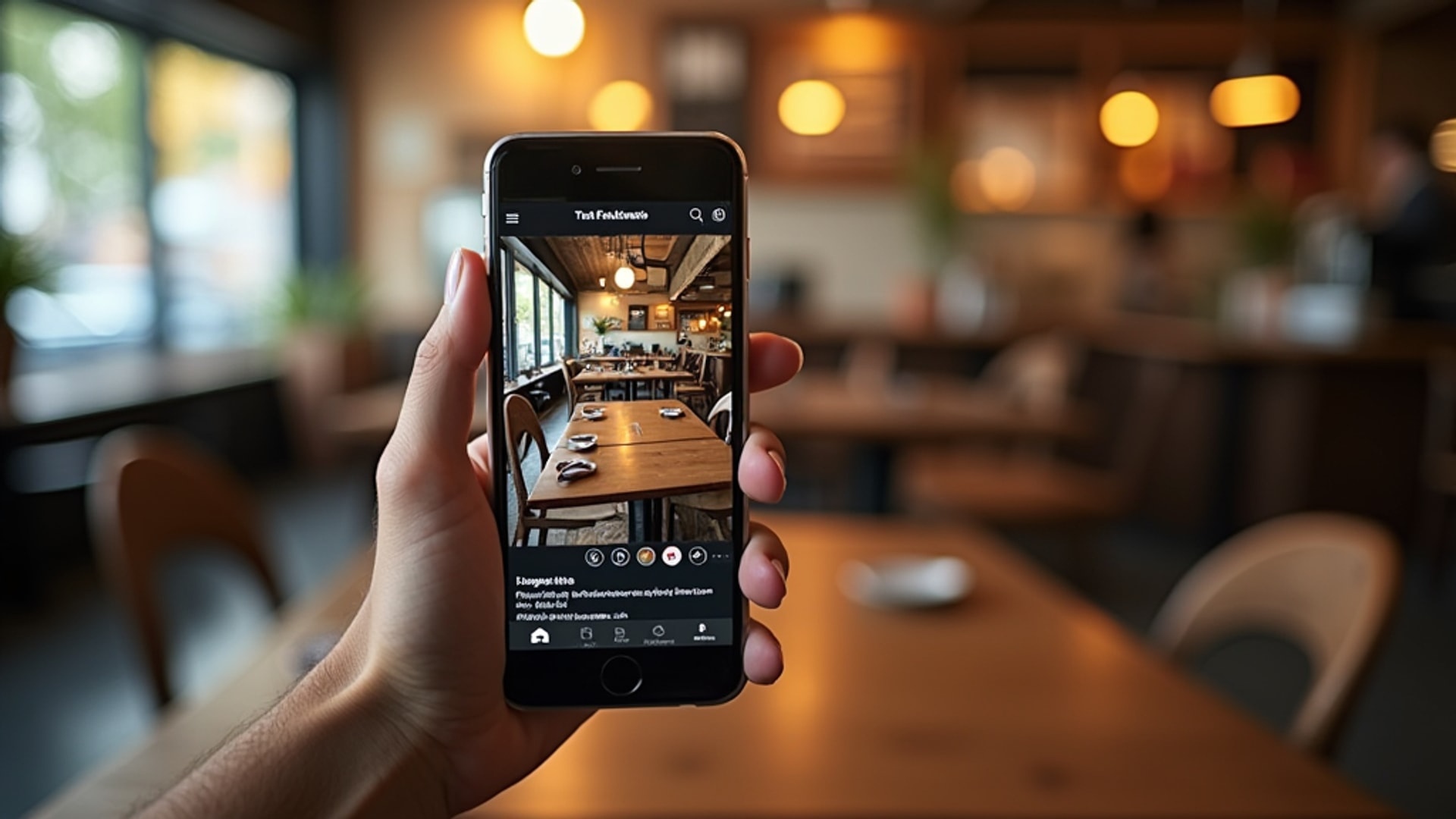
The most effective restaurant marketing does not come from the restaurant. It comes from other people talking about the restaurant. A friend’s recommendation, a food blogger’s post, a local influencer’s video, a customer’s Instagram story — these third-party endorsements carry a credibility that no amount of paid advertising can match.
According to Toast, 74% of consumers use social media to decide where to eat. According to Bloom Intelligence, 93% read online reviews before visiting. According to Square, businesses generate $6.50 in revenue for every $1 spent on influencer marketing, and 92% of marketers view the channel as effective.
Public relations for restaurants has shifted from traditional media placements toward a blended strategy that combines influencer partnerships, user-generated content, brand storytelling, and active reputation management. This guide covers how to build each layer and integrate them into a system that generates earned attention consistently.
Influencer Partnerships: Finding and Working With the Right People
The biggest mistake restaurants make with influencer marketing is chasing follower counts. A local food blogger with 15,000 engaged followers will drive more actual visits than a celebrity influencer with 500,000 followers scattered across the country.
Why Micro-Influencers Win
According to Square, micro-influencers with 5,000 to 50,000 followers generate up to 60% more engagement than macro-influencers with over 100,000 followers. The reason is trust. Micro-influencer followers treat their recommendations as authentic community endorsements rather than paid promotions. When a local food creator posts about a restaurant they genuinely enjoyed, their audience responds because they trust the recommendation.
According to CloudKitchens, the impact can be dramatic. Easy Street Burgers in Los Angeles experienced a significant business surge after food reviewer Keith Lee’s TikTok coverage. Lafayette Grand Cafe’s Supreme croissant went viral, attracting long lines and increased sales. A single influential post from the right creator can transform a restaurant’s trajectory.
Finding the Right Partners
According to Square, the best approach starts with looking at content already tagged at your restaurant. These creators have demonstrated genuine interest — they visited without being asked and liked the experience enough to share it. This makes for a much more authentic partnership than cold outreach.
Beyond organic taggers, Square recommends:
- Searching Google for “food influencers in [city]” and using hashtag searches like #chicagofoodie or #austinfood
- Using TikTok Creator Marketplace and Instagram’s creator marketplace to filter by location and compensation range
- Monitoring local food blogs and YouTube channels for creators whose style and audience match your concept
According to Owner.com, food bloggers with 20,000 to 50,000 followers provide the best balance of reach and affordability for most independent restaurants.
Compensation Models
According to Square, there is no fixed rate for influencer partnerships. Common approaches include:
- Complimentary dining experiences — The most accessible option for independent restaurants. Invite the creator and a guest for a full dining experience in exchange for content.
- Fixed per-post fees — According to Square, micro-influencers average approximately $500 for Instagram posts, $125 for TikTok videos, and $1,250 for Facebook content.
- Negotiated arrangements — Some creators prefer a combination of comped dining and a smaller fee. Others accept product-only partnerships if the experience aligns with their content style.
Campaign Execution
According to Square, the most important principle is letting creators maintain their authentic voice. Prescriptive briefs that dictate exactly what to say and how to say it produce content that feels forced. Collaborate on the concept, agree on key messages, and then trust the creator to deliver content that resonates with their audience.
According to CloudKitchens, short-form video is the dominant format for restaurant influencer content. Both Instagram Reels and TikTok drive restaurant discovery, and Gen Z audiences in particular favor less polished, authentic content over overly styled imagery. A shaky phone video of a chef flipping a perfect pancake will outperform a professionally shot commercial every time.
According to Square, set SMART goals for every campaign: Specific, Measurable, Achievable, Relevant, and Time-bound. Track results through unique promo codes, dedicated reservation links, or branded hashtag usage to measure actual impact rather than just impressions.
Platform Strategy: Where to Focus
Different platforms serve different purposes in an influencer strategy. Understanding the strengths of each prevents wasted effort.
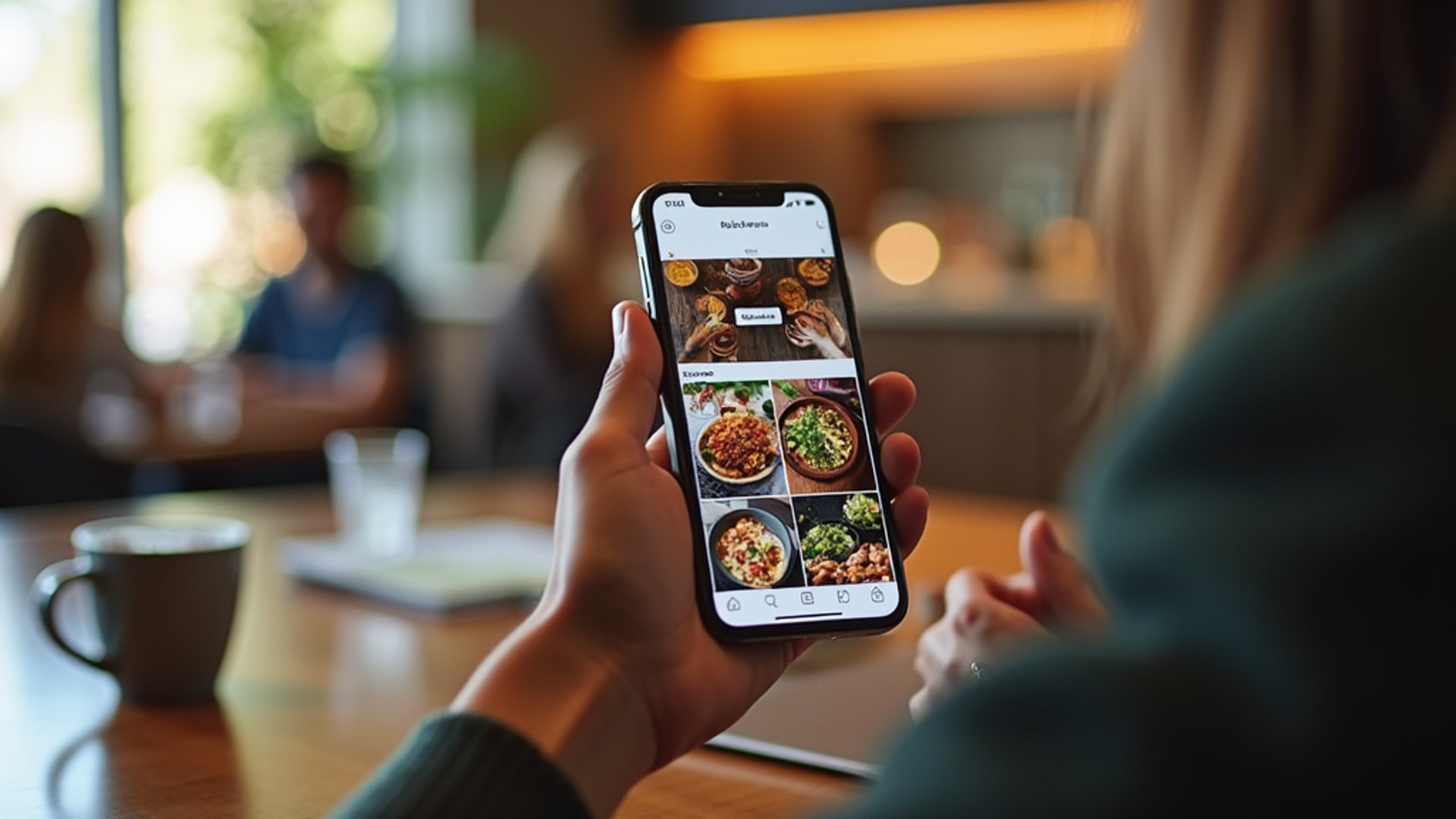
Instagram Reels remain the strongest platform for restaurant discovery among millennials. According to Owner.com, 51% of diners browse Instagram before choosing where to eat. According to Restroworks, Instagram delivers a 2.2% per-follower engagement rate for food content, outperforming most industries. Influencer content on Instagram Reels earns up to double the engagement of static posts, making video collaborations the clear priority.
TikTok has rapidly gained ground, especially with younger diners. According to Restroworks, 44% of Gen Z diners use TikTok for restaurant research. According to CloudKitchens, TikTok’s algorithm prioritizes content quality over follower count, meaning an influencer post can reach far beyond their existing audience. The platform favors authentic, unscripted content, which means lower production costs for restaurant campaigns.
Facebook still leads in overall restaurant discovery at 59% usage according to Restroworks, but influencer marketing on Facebook is less common. The platform is more valuable for community building, event promotion, and reaching older demographics through targeted advertising.
YouTube generates the highest absolute view counts. According to The Rail Media, food and beverage videos on YouTube average approximately 323,000 views per post. Longer-form influencer content like restaurant reviews and dining experience videos can have a long shelf life on YouTube, continuing to drive discovery for months or years after publication.
For most independent restaurants, the priority order is Instagram and TikTok first, YouTube for specific campaigns with the right creator, and Facebook for community-oriented promotion rather than influencer partnerships.
User-Generated Content: Your Most Powerful Free Marketing
If influencer content is hired credibility, user-generated content (UGC) is earned credibility. According to Restaurant Engine, ads featuring UGC generate four times more clicks than branded ads, UGC on social media earns 28% higher engagement, and 79% of consumers say user-generated content highly impacts their purchasing decisions.
Creating an Environment That Generates Content
According to Restaurant Engine, the foundation of a UGC strategy is a dining experience worth photographing and sharing. This means:
- Visually compelling plating — Use white or neutral plates that photograph well. Invest in garnish and presentation that looks as good as it tastes.
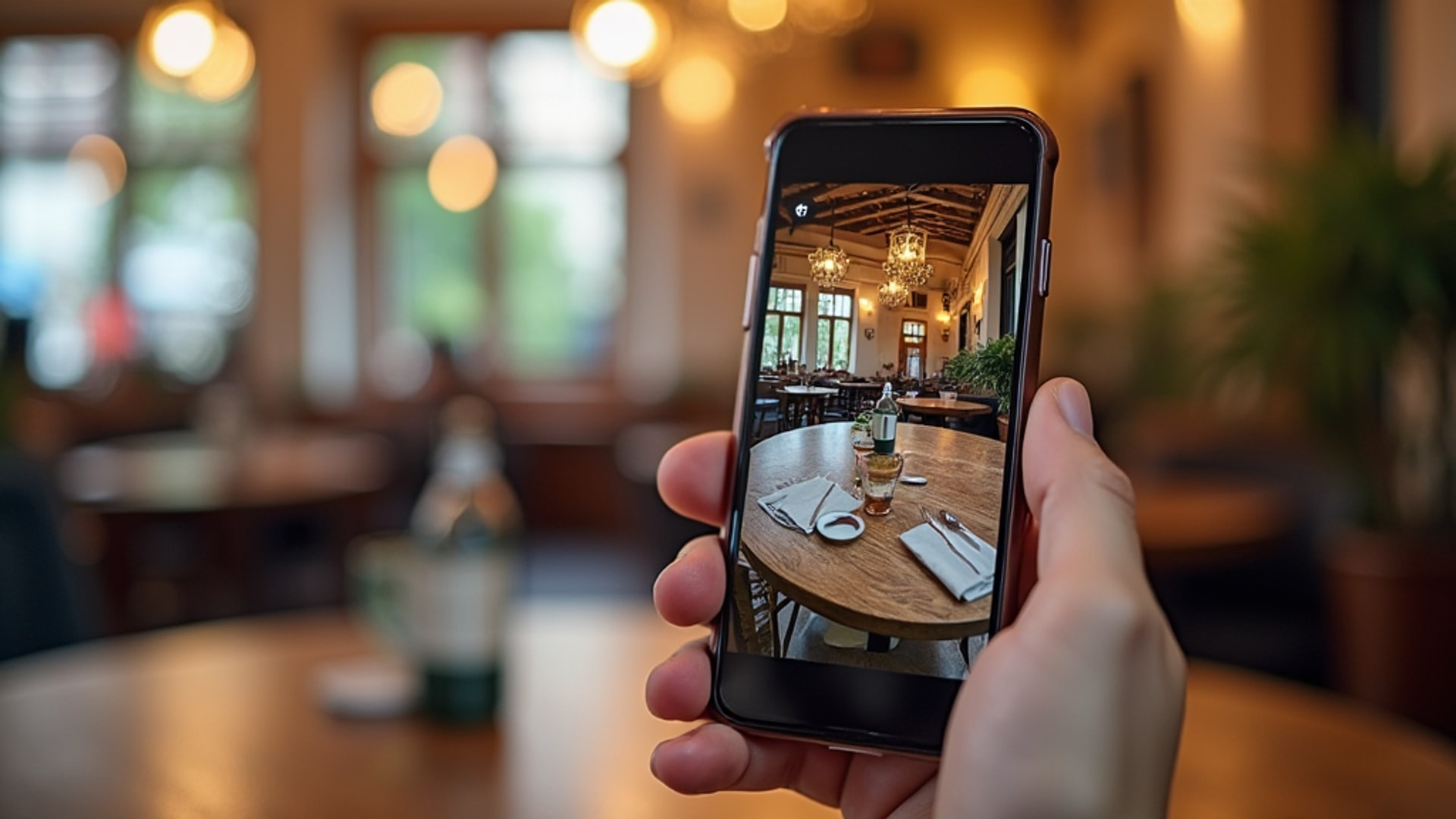
- Instagram-worthy spaces — A feature wall, unique decor element, or visually striking bar area gives customers a natural reason to photograph and share.
- Quality lighting — Dim atmospheric lighting creates mood but produces poor photos. Strike a balance that supports both ambiance and photography, or create specific well-lit areas designed for photo opportunities.
Active Collection Strategies
According to Restaurant Engine, systematic approaches to gathering UGC include:
- Branded hashtags displayed prominently on table cards, receipts, and menus so customer content is discoverable
- Incentives such as a free appetizer or dessert for posting with the branded hashtag
- QR codes on tables that link to a sharing prompt, capturing content at the point of experience
- Social media contests where customers share meal photos with the branded hashtag for a chance to win prizes
Amplifying UGC
According to Restaurant Engine, active engagement with every customer who shares content is critical. Respond to posts, thank creators, and reshare the best content on your own channels. This signals that you value your community and encourages more sharing. Identify micro-influencers among your regular customers and nurture those relationships — your most enthusiastic regulars can become ongoing organic content creators.
According to Owner.com, the Talkin’ Tacos case study demonstrates the revenue potential of this approach. Their Instagram growth to 194,000 followers correlated with expansion to 25 locations and generated $262,000 in online sales within 11 months.
Brand Storytelling: The Narrative That Earns Media
Influencers and customers can amplify your story, but first you need a story worth telling. A compelling brand narrative gives journalists, food writers, and content creators something substantive to cover.
Building Your Narrative
According to QSR Automations, brand storytelling means using a narrative rather than a list of selling points to connect with customers. The best restaurant stories are rooted in genuine experiences:
- A chef’s family recipes passed down through generations
- A passion for sustainable sourcing and the relationships behind it
- A commitment to a specific culinary tradition
- The challenges and breakthroughs of how the restaurant came to exist
According to QSR Automations, authenticity is non-negotiable. Customers detect manufactured stories instantly, and the backlash from inauthenticity is worse than having no story at all.
Telling Your Story Across Channels
According to QSR Automations, the narrative should be conveyed through every touchpoint:
- Physical space — Design elements, artwork, and ambiance that reflect your narrative
- Menu descriptions — Language that connects dishes to their origin or inspiration
- Website about page — Treat this as a storytelling asset, not an afterthought
- Social media — Behind-the-scenes glimpses into kitchen operations, chef profiles, and supplier relationships
- Staff training — Equip servers to share elements of the story naturally during service
Earning Media Coverage
For traditional media relations, your brand story provides journalists and food writers with a narrative worth covering. Restaurants with genuine origin stories, unique sourcing relationships, or distinctive culinary approaches earn press coverage that carries more weight than any advertisement. Local food media constantly needs fresh stories — give them one worth telling. The guide to PR and media outreach covers the pitch process in depth.
The Social Media Content Foundation
Before pursuing influencer partnerships and UGC campaigns, your restaurant’s own social media presence needs to be credible. Influencers will check your accounts before agreeing to partner, and customers who discover you through a creator’s post will visit your profiles to learn more.
According to Toast, 74% of people use social media to decide where to eat, and 68% check a restaurant’s social media presence before visiting. According to Toast, restaurants with a strategic social media presence see 27% higher customer retention and nearly 10% average revenue growth attributable to social channels.
Your own content establishes the visual standard and narrative context that influencer and user content extends. If your Instagram account has 12 posts from two years ago, no amount of influencer partnerships will build a credible brand presence. See the full guide to restaurant social media content strategy for a framework to build this foundation.
According to Toast, the most effective approach combines consistent short-form video across Instagram Reels and TikTok. Posting 3-5 times per week maintains algorithmic visibility. Key content types include behind-the-scenes kitchen footage, chef spotlights, food preparation videos, customer testimonials, and seasonal menu reveals.
According to Toast, restaurants do not need large production budgets. Authentic, behind-the-scenes content often outperforms polished professional content. The key is consistency and genuine engagement with followers through comments, direct messages, and community interaction.
Reputation Management: The PR Defensive Line
All the positive PR in the world means nothing if negative reviews and unaddressed complaints undermine your credibility. According to Uberall, citing Harvard Business School research, a one-star decrease in Yelp rating results in a 5-9% revenue decrease.
According to Bloom Intelligence, effective reputation management involves three core activities:
- Monitoring — Track mentions, reviews, and feedback across all platforms in real time
- Responding — Address customer feedback promptly and professionally. According to Bloom Intelligence, 89% of customers expect a response when they leave a review.
- Analyzing — Use sentiment insights to identify operational patterns before they escalate
According to Bloom Intelligence, AI-powered tools can achieve 100% review response rates while reducing management workload significantly. However, human oversight ensures responses maintain your restaurant’s authentic voice for sensitive or complex situations.
Measuring PR and Influencer ROI
Track these metrics monthly to understand what is actually driving results:
- Branded hashtag usage — How often are customers and creators tagging your content?
- Engagement rates — Are posts about your restaurant generating likes, comments, and shares?
- Social referral traffic — How many website visitors are coming from social media?
- Review ratings — Are your average scores improving over time?
- New customer attribution — Can you trace new guests to specific campaigns, creators, or content?
- Reservation and ordering spikes — Do you see measurable increases after influencer posts?
Working With Influencers: Practical Dos and Don’ts
To avoid wasted effort and potential missteps, keep these practical guidelines in mind.
Do research an influencer’s content thoroughly before reaching out. Watch their last 20 posts. Check if they have worked with competitors. Read the comments to gauge how their audience engages with restaurant content.
Do provide an exceptional dining experience during the collaboration. The influencer’s content will only be as good as the experience they have. Ensure your best staff is working, that service is attentive, and that the food represents your kitchen at its finest.
Do give creative freedom. According to Square, collaborative rather than prescriptive partnerships produce content that resonates with the creator’s audience. Provide key points you would like mentioned, but let the creator tell the story their way.
Do build long-term relationships with creators who love your restaurant. A single post has limited impact. An influencer who returns regularly and mentions your restaurant across multiple posts builds sustained awareness.
Do not focus exclusively on follower counts. Engagement rate, audience demographics, and geographic location matter far more for driving actual visits.
Do not ask creators to post dishonest content. If they did not enjoy something, it is better to know than to have them fake enthusiasm. Audiences detect inauthenticity instantly.
Do not ignore FTC disclosure requirements. Comped meals and paid partnerships must be disclosed. Ensure creators use appropriate hashtags like #ad or #sponsored.
Do not treat influencer marketing as a one-time tactic. According to Square, it should be one component of an ongoing omnichannel strategy.
Putting It All Together
An integrated PR strategy layers these elements rather than treating them as separate tactics:
- Build the brand story first — Know your narrative before you start amplifying it
- Create an environment that generates organic content — Design for shareability
- Partner with local micro-influencers for targeted reach and credible endorsement
- Actively manage reputation across review platforms with prompt, thoughtful responses
- Amplify user-generated content to extend the reach of organic endorsements
- Measure results and refine based on what actually drives visits
According to Square, influencer marketing should be one component of an omnichannel strategy, not a standalone tactic. The most successful restaurants treat every satisfied guest as a potential PR channel — because in the age of smartphones and social media, they are.
The Bottom Line
The restaurants that earn the most attention are not the ones with the biggest marketing budgets. They are the ones with stories worth telling, experiences worth sharing, and the discipline to systematically amplify the organic buzz that good food and genuine hospitality naturally generate. Build something remarkable, make it easy for people to share, partner with the right voices, and let the credibility of third-party endorsements do what no paid ad can.
→ Read more: User-Generated Content for Restaurants: The Marketing You Do Not Have to Create → Read more: Online Reputation and Review Management: Turning Customer Feedback into Revenue → Read more: TikTok Marketing for Restaurants: Building Viral Momentum