· Marketing · 12 min read
Online Reputation and Review Management: Turning Customer Feedback into Revenue
A one-star increase on Yelp can drive 5-9% revenue growth, and 93% of consumers read online reviews before visiting. Here is the complete framework for generating, responding to, and leveraging reviews as a core operational discipline.
Online reviews are not a marketing side project. They are a direct revenue lever with measurable financial impact. According to Bloom Intelligence, 93% of consumers read online reviews before visiting a restaurant. According to Uberall, citing Harvard Business School research, a one-star increase on major review platforms can drive 5-9% revenue growth. The flip side is equally stark: a one-star decrease on Yelp can cost a restaurant generating $1 million annually up to $90,000 in lost revenue.
This is not about vanity metrics or star ratings as bragging rights. Review management is an operational discipline that belongs alongside food quality and service standards as a core business function.
The Customer Decision Journey
Understanding how reviews drive revenue starts with understanding the modern dining decision. According to Wilson K Lee, the typical journey works like this: someone decides to eat out, searches on their phone, sees review ratings, reads recent reviews, and makes a decision within minutes. According to DoorDash, one in three diners turns to Google when searching for a restaurant.
A restaurant with no reviews, few reviews, or poor reviews is invisible or unappealing at the exact moment the customer is ready to spend money. According to Restroworks, 73% of diners will choose a competitor if a restaurant does not respond online. The decision happens fast, and your online reputation determines whether you are even in the running.
Platform Priorities
Not all review platforms carry equal weight. Understanding where to focus your effort prevents spreading resources too thin.
Google Business Profile
According to Uberall, Google is the most important review platform. According to Owner.com, Google now accounts for 81% of all review activity. Google reviews directly impact local search ranking and visibility, making them the primary lever for new customer acquisition through search. When someone searches for “restaurants near me,” your Google review count and average rating determine whether you appear in the results.
Yelp
According to Toast, Yelp remains influential in the US market with over 76 million monthly users. Yelp reviews carry particular weight with older demographics and are frequently referenced in Google search results. According to Toast, Yelp’s recommendation algorithm evaluates review authenticity, filtering out reviews that appear AI-generated, lack detail, or seem overly polished. Authentic, detailed reviews with photos are far more valuable on Yelp than a high volume of brief, generic positive reviews.
One critical distinction: according to Toast, directly soliciting reviews on Yelp violates the platform’s terms of service. Restaurants can place Yelp signage and encourage sharing experiences online generally, but must avoid explicitly asking for Yelp reviews.
TripAdvisor
According to Uberall, TripAdvisor is critical for restaurants in tourist areas or with destination-dining concepts. If a significant portion of your customers are travelers, TripAdvisor deserves dedicated attention.
According to Uberall, Facebook recommendations are important for community-oriented restaurants. They function differently from traditional reviews but still influence dining decisions, particularly among older demographics who use Facebook as a local discovery tool.
Review Generation: How to Get More Reviews
The most effective approach is simple: ask happy guests directly at the moment they are visibly satisfied. The timing and delivery matter more than any technology.
When to Ask
According to multiple sources including Peblla and Malou, the optimal moment to request a review is when guests are at peak satisfaction (a follow-up in your post-dining email at the 48-hour mark also works well):
- After they compliment the food or service
- At the end of a celebratory meal
- When they express that they will return
- After a server receives specific positive feedback
According to the Wilson K Lee YouTube analysis, a natural script works best. After receiving a compliment about the food, a server can say something like: “That means so much — if you have a moment, we would love it if you shared that on Google.” This feels genuine rather than forced.
How to Make It Easy
Remove every possible friction point between the desire to leave a review and actually doing it:
- Place QR codes on table tents and receipts linking directly to your Google review page
- Train staff to hand out review request cards after positive experiences
- Include direct review links in post-dining emails sent at the 48-hour mark, according to Uberall
- Position stickers with review links on tables, counters, and near restrooms
According to Campaign Monitor, post-dining follow-up emails at the 48-hour mark with direct review links capture feedback while the experience is still fresh.
Staff Training
According to Peblla, a friendly, confident team drives reviews organically. Simple gestures — maintaining eye contact, using guest names when possible, recommending favorite dishes with genuine enthusiasm — create memorable experiences that guests want to share. Staff training on hospitality fundamentals contributes more to review quality than any solicitation strategy.
The Response Framework
According to Bloom Intelligence, 89% of customers expect a response when they leave a review. Responding to all reviews within 24 hours demonstrates attentiveness and influences both the reviewer and every potential customer who reads the exchange.
Responding to Positive Reviews
Thank the reviewer by name. Reference a specific detail from their visit. Invite them to return. Keep it concise but personalized. According to the Wilson K Lee analysis, rather than a generic “Thanks for the great review,” reference something specific: their mention of a particular dish, their appreciation of a team member, or the occasion they were celebrating. This makes the response feel genuine and encourages others to leave detailed reviews.
Responding to Negative Reviews
This is where reputation management separates amateurs from professionals. According to the Wilson K Lee YouTube framework, the approach follows four steps:
- Acknowledge the customer’s experience without being defensive
- Provide context if genuinely relevant, without making excuses
- Offer a specific solution or invitation to return
- Take the conversation offline by providing direct contact for further resolution
According to Toast, 87% of consumers are willing to change a negative review based on the business response. A thoughtful, solution-oriented response demonstrates professionalism and care — not just to the reviewer, but to every potential customer who reads it afterward. According to Toast, defensive or argumentative responses damage reputation more than the original criticism.
Responding to Neutral Reviews
According to Uberall, acknowledge the feedback, highlight any positives mentioned, and address concerns raised. Use these as opportunities to showcase responsiveness and demonstrate that you are listening.
Timing Your Review Requests
Not all moments are created equal when it comes to asking for reviews. The difference between an awkward request and a natural one comes down to timing.
According to Campaign Monitor, the optimal timing for post-dining review requests via email is at the 48-hour mark. This gives the guest time to reflect on their experience while the memory is still fresh. Send the email with a direct link to your Google review page to minimize friction.
In-person requests should happen at the peak of satisfaction, not at the tail end of the visit. The best moments include:
- After a genuine compliment — When a guest says the food was amazing, that is the moment to ask
- During a celebration — Birthday dinners, anniversaries, and promotions put guests in a positive, generous mood
- When a guest mentions returning — “We will definitely be back” is the most natural cue to suggest leaving a review
- After resolving a concern successfully — A guest whose problem was solved with care often leaves a glowing review about the recovery
The worst time to ask is at the point of payment. The guest is focused on the transaction, thinking about the bill, and mentally moving toward leaving. The emotional peak has passed.
According to Campaign Monitor, lunch promotions and review requests perform best when sent at 9:30-10:30 AM, and dinner-related communications work best at 3:00-4:00 PM, when people are actively thinking about their next meal.
Review Analytics: Free Customer Research
Reviews are not just about reputation. They are free, continuous customer research data.
According to Peblla, patterns in negative reviews reveal operational issues that need attention. If multiple reviews mention slow service on Saturday nights, that is a staffing or systems problem. If several people comment on inconsistent food quality, that is a kitchen standardization issue. If wait times appear frequently, that signals a capacity or reservation management problem.
According to Bloom Intelligence, AI-powered sentiment analysis can identify these patterns before they escalate into systemic issues. The most effective operators review themes in customer feedback monthly, using the data to drive training updates, process changes, and technology implementations.
AI-Powered Reputation Management
The volume of reviews across multiple platforms can overwhelm a restaurant team. Modern tools are changing the economics of response management.
According to Bloom Intelligence, AI-powered reputation management platforms can generate personalized responses in the restaurant’s brand voice, referencing specific details from each review. Automated systems can achieve 100% review response rates while reducing management workload by 15-20 hours weekly.
However, human oversight remains essential. AI handles the volume; humans handle the nuance. Complex situations and particularly sensitive negative reviews require the judgment and empathy that only a real person can provide. The ideal approach is AI-assisted responses with human review and approval for anything beyond straightforward positive feedback.
Visual Content on Review Platforms
Reviews are not just text. Visual content significantly impacts how review platforms rank and display your business.
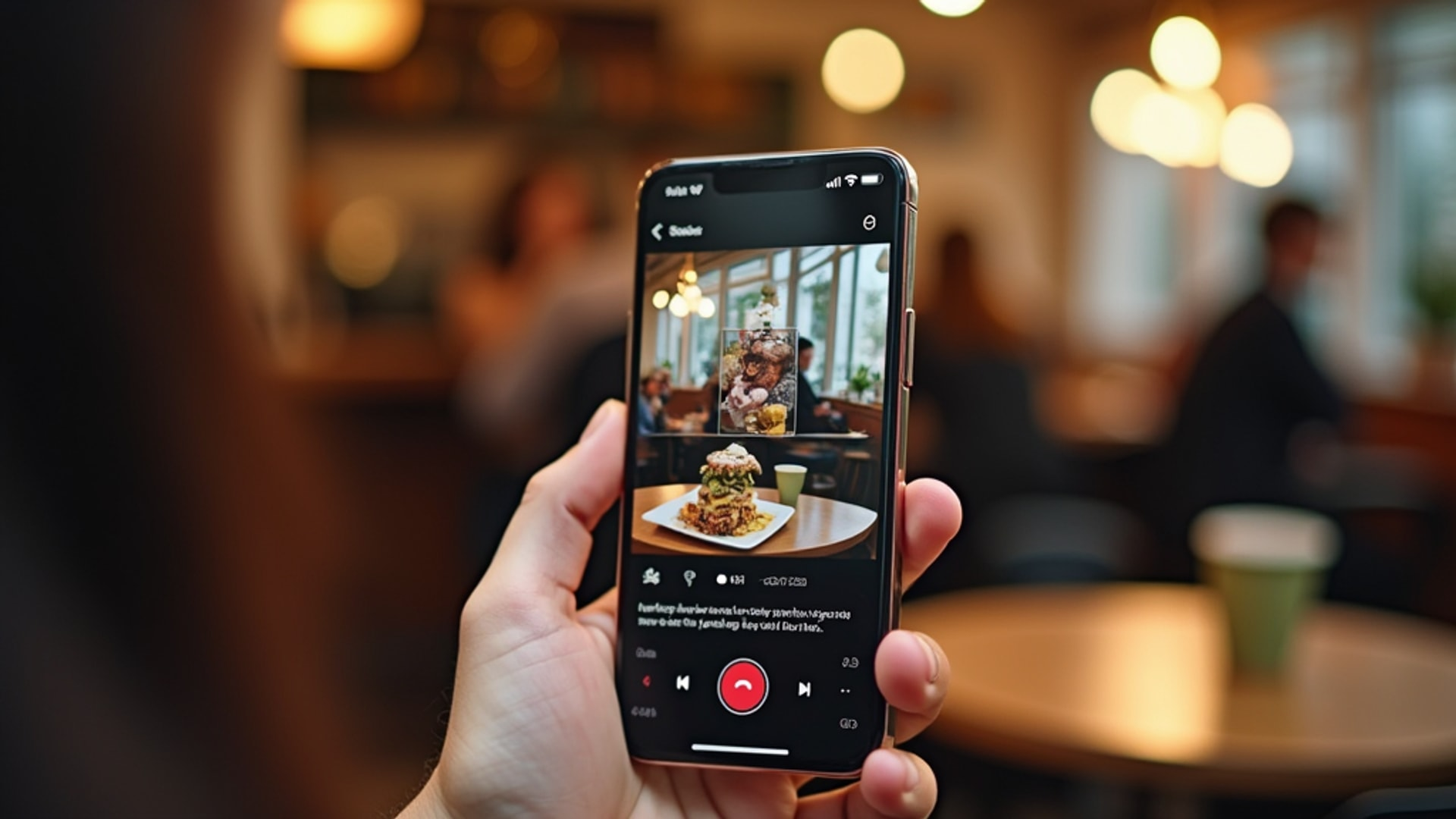
According to Toast, reviews that include customer photos are weighted more heavily by Yelp’s algorithm and carry greater credibility with potential diners. According to Marqii, a well-maintained Google Business Profile with comprehensive photos gets 7 times more views than restaurant websites.
Encourage visual reviews by creating photo-worthy moments: attractive plating, interesting presentation, appealing lighting. When guests naturally want to photograph their experience, the visual content that ends up on review platforms works in your favor.
Building a Review Response Library
Responding to every review within 24 hours is the goal. Having a library of response templates makes this achievable without spending excessive time crafting each response from scratch. The key is to use templates as starting points, not as copy-and-paste responses. Every response should include personalized elements.
Positive review template structure:
- Thank the reviewer by name
- Reference a specific dish, server, or experience detail they mentioned
- Express genuine appreciation
- Invite them to try something specific on their next visit
Negative review template structure:
- Address the reviewer by name
- Acknowledge their specific concern without excuses
- Apologize for the experience
- Explain what you are doing to address the issue (briefly)
- Provide direct contact information for offline resolution
- Invite them to return for a better experience
Neutral review template structure:
- Thank the reviewer for their feedback
- Acknowledge positive elements they mentioned
- Address any concerns briefly
- Invite them back
Build 3-4 variations of each template type. Rotate them to avoid repetitive language across consecutive responses. Always personalize with specific details from the review before posting.
What Not to Do
Some review management tactics will backfire badly:
- Never offer incentives for positive reviews. According to Uberall, this violates platform terms of service and undermines credibility.
- Never respond defensively or argumentatively. Every response is public and permanent.
- Never ignore negative reviews. Silence signals indifference.
- Never ask for Yelp reviews specifically. According to Toast, this violates Yelp’s terms of service. Encourage sharing experiences online generally.
- Never post fake reviews. Platform algorithms detect inauthenticity, and the reputational damage when caught is severe.
Review Management Checklist
- Claim and optimize profiles on Google, Yelp, TripAdvisor, and Facebook
- Establish a response protocol with templates for positive, negative, and neutral reviews
- Set a 24-hour maximum response time standard
- Train staff on natural review solicitation at moments of peak guest satisfaction
- Place QR codes linking to Google reviews on table tents and receipts
- Set up post-dining emails at 48 hours with direct review links
- Conduct monthly analysis of review themes and recurring feedback patterns
- Assign a team member (or implement AI tools) to monitor reviews daily
- Upload fresh professional photos to review platforms monthly
- Track KPIs: review volume, average rating, response rate, and response time
The Monthly Review Audit
Review management works best as a structured discipline rather than ad hoc effort. A monthly review audit keeps you on track and surfaces actionable insights.
Volume tracking — How many reviews did you receive this month across each platform? Is the trend increasing or declining? If volume is dropping, your solicitation process may need refreshing.
Rating trend — Is your average rating stable, improving, or declining? A decline requires immediate investigation into what has changed operationally.
Response rate and time — Are you responding to 100% of reviews within 24 hours? Any gap here represents missed opportunities.
Theme analysis — Read through all negative and neutral reviews. What themes emerge? Group complaints by category: food quality, service speed, atmosphere, value, specific dishes. Look for patterns that indicate systemic issues rather than one-off incidents.
Competitor benchmarking — Check the review counts and ratings of your top 3-5 competitors monthly. Understanding where you stand relative to alternatives helps prioritize improvement efforts.
Action items — Translate review themes into specific operational changes. If three customers mentioned slow service on Friday evenings, that is a staffing issue to solve. If multiple reviews mention a specific dish negatively, that is a recipe to revisit.
Document the audit results and share key findings with your management team. When staff see that customer feedback drives real changes, they take both service quality and review solicitation more seriously.
The Bottom Line
Review management is not optional. The financial impact is real and measurable. According to Uberall, a one-star improvement can drive 5-9% revenue growth. According to Bloom Intelligence, 89% of customers expect a response to their review. According to Restroworks, 73% of diners will choose a competitor if a restaurant fails to respond online.
The restaurants that treat review management as a core operational discipline — with the same rigor they apply to food quality and service standards — build a compounding advantage. Every thoughtful response, every resolved complaint, every satisfied reviewer who becomes a regular builds a reputation that drives revenue month after month. And unlike paid advertising, the investment does not disappear when you stop spending.
→ Read more: Restaurant Google Reviews: Building a Five-Star Reputation on Purpose → Read more: Yelp Optimization for Restaurants: The Complete Profile and Review Strategy → Read more: Social Proof for Restaurants: Building the Trust That Fills Dining Rooms