· Marketing · 7 min read
Yelp Optimization for Restaurants: The Complete Profile and Review Strategy
How to claim, optimize, and actively manage your Yelp presence to turn one of the most powerful restaurant discovery platforms into a consistent source of new guests.

Yelp has over 76 million monthly users. According to Toast, nearly 90% of consumers check reviews before visiting a restaurant. A Harvard Business School study cited by Toast found that a one-star increase on Yelp can boost restaurant revenue by 5% to 9%.
Read that last number again. A single star, built through consistent service and strategic reputation management, can add 5-9% to your annual revenue. At a restaurant doing $1 million in sales, that is $50,000 to $90,000. Yelp optimization is not a social media side task. It is a revenue lever.
Step 1: Claim and Complete Your Profile
An unclaimed Yelp listing means outdated information, no ability to respond to reviews, and lost control over how potential customers find you. According to Toast, claiming and completing the listing is the first and most critical step.
Complete these elements before anything else:
| Profile Element | Why It Matters |
|---|---|
| Accurate business hours | Wrong hours = lost customers and negative reviews |
| Holiday and seasonal hour updates | ”Shows up as open” when closed destroys trust |
| Complete business description | Keyword-rich text helps Yelp search ranking |
| Most specific category selection | ”Italian Restaurant” beats “Restaurant” for relevant searches |
| High-quality food, interior, and exterior photos | Visual content drives click-through from search results |
| Current menu information | Outdated menus frustrate customers and staff |
| Price range indicator | Helps right customers self-select |
The most specific category selection matters more than most operators realize. Yelp’s search algorithm matches users to businesses based on category precision. Choosing “Italian Restaurant” instead of the broader “Restaurants” places you in front of users specifically searching for Italian food rather than a general restaurant search.
Step 2: Build a Strong Photo Library
According to Toast, photos significantly impact Yelp conversion rates. Businesses with more and better photos see higher click-through rates from search results and longer profile viewing times.
Priority photography list for Yelp:
- Signature dishes (the items you want to be known for)
- Seasonal specials (updated quarterly)
- Dining room ambiance (day and evening light)
- Exterior and entrance (helps customers find you)
- Bar area if relevant
- Private dining space if available
- Kitchen or behind-the-scenes (adds authenticity)
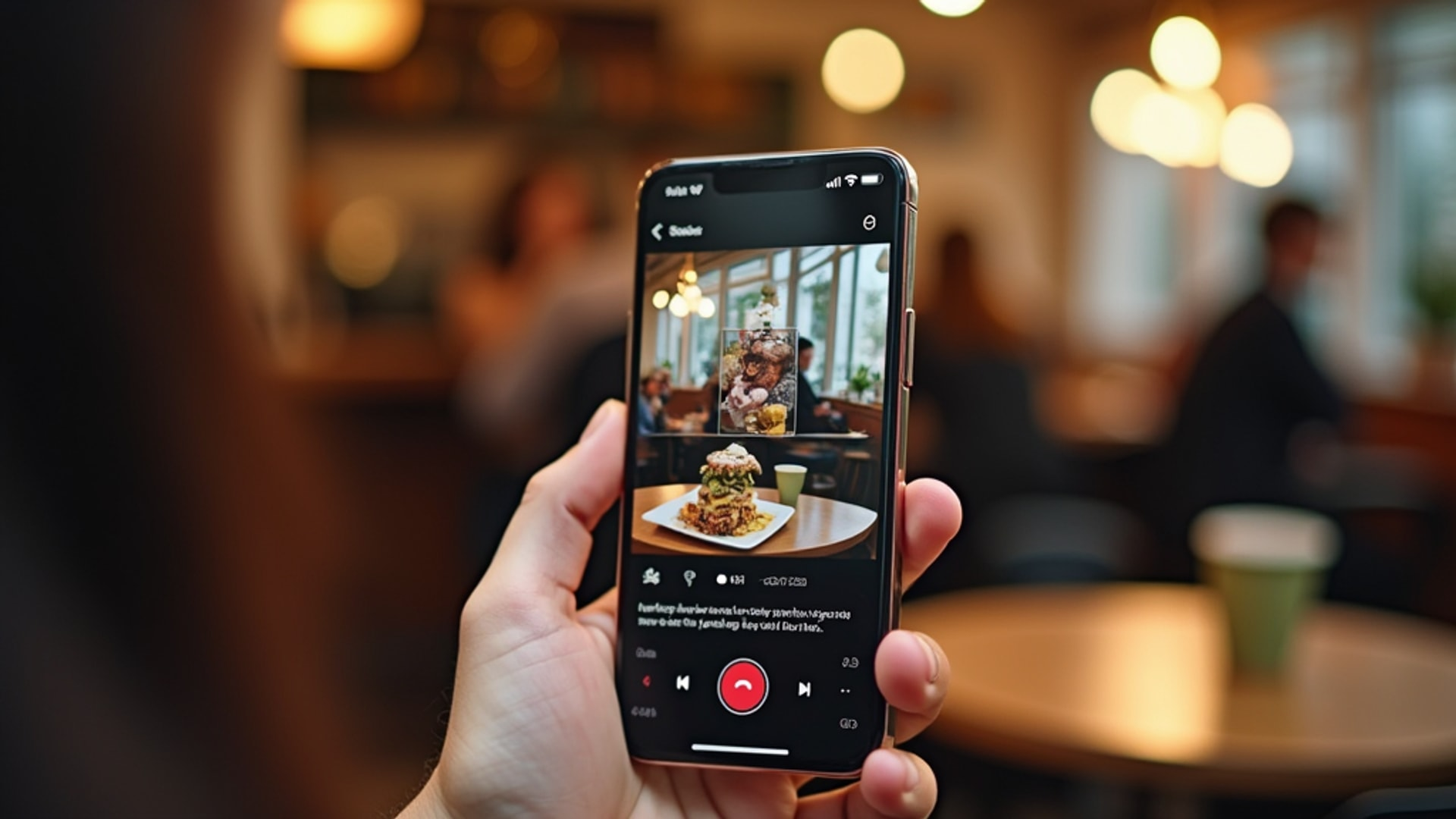
According to Toast, reviews that include customer photos are weighted more heavily by Yelp’s algorithm and carry greater credibility with potential diners. Attractive plating and photo-worthy presentation indirectly boosts the quality and quantity of customer-generated photos on your profile.
Photo quality benchmarks:
- Minimum 20 business photos uploaded and maintained
- Update with seasonal content at least quarterly
- Ensure no photos older than 12 months dominate the gallery
- Remove any poor-quality or outdated photos as better ones are added
Step 3: Master the Review Response
Yelp’s algorithm favors businesses that demonstrate active engagement. Thoughtful responses to both positive and negative reviews signal that the restaurant cares about customer feedback. According to Toast, 87% of consumers are willing to change a negative review based on how the business responds.
That is not just a reputation management number — it is a direct conversion opportunity. A negative review that receives a professional, empathetic response from management is often more persuasive to potential customers than a string of unchallenged five-star reviews.
Responding to Positive Reviews
Do not use a template. According to Toast, responses should be personalized and specific, referencing details the reviewer mentioned.
Poor response: “Thank you for your review! We hope to see you again soon.”
Strong response: “Elena, your note about the carbonara made our pasta team’s week. That dish is a recipe we’ve been refining for two years, and it means a lot to hear it landed exactly as intended. The table by the window is yours any time — just ask.”
The difference is obvious. One is automated noise. The other builds a relationship and gives every reader a reason to try the carbonara and ask for the window table.
Responding to Negative Reviews
According to Toast, defensive or argumentative responses damage the restaurant’s reputation more than the original negative review. The protocol:
- Acknowledge: Confirm that the experience they described was not what you aim to deliver
- Apologize: Without qualification. Do not add “but” or “however”
- Redirect offline: “Please reach out to us directly at [email] so we can make this right”
- Keep it brief: Three to five sentences maximum
Example:
“Thank you for taking the time to share this. What you experienced on Saturday evening was well below our standard, and I am sorry we disappointed you. I would genuinely like to understand what happened and do right by you — please email me directly at [[email protected]]. We want you back.”
What this does: It shows other readers that management is accountable, responsive, and professional. It demonstrates that problems get addressed. And it moves the resolution private, where it belongs.
Step 4: Understand What Yelp Recommends (and Filters)
Yelp’s recommendation algorithm evaluates review authenticity. According to Toast, reviews that appear AI-generated, lack detail, or seem overly polished are filtered out. The algorithm favors:
- Detailed reviews with specific observations
- Reviews with photos attached
- Reviews from Yelp users with review history (not brand-new accounts)
- Reviews from users who Elite status or consistent activity
What this means for your strategy:
Never solicit reviews directly on Yelp — this violates Yelp’s terms of service and can result in a penalty notice on your profile. However, you can:
- Place “Find us on Yelp” signage in the restaurant and on packaging
- Encourage customers to share their experience online (generally, not specifically on Yelp)
- Ensure the dining experience is genuinely worth a detailed review
The Yelp filter is specifically designed to catch artificial review generation. The best long-term strategy is simply delivering experiences that motivate authentic, detailed, photo-accompanied reviews.
Step 5: Yelp Analytics and Competitor Intelligence
Yelp provides business analytics tools that most operators under-use. According to Toast, monitoring analytics helps restaurants understand what customers are searching for, which search terms drive traffic, and how the profile performs against competitors.
Key analytics to monitor monthly:
| Metric | What to Look For |
|---|---|
| Total profile views | Monthly trend — growing, flat, or declining |
| Search queries driving views | What keywords bring people to your profile |
| ”Getting Directions” clicks | Direct intent-to-visit signal |
| ”Check In” counts | Current customer engagement |
| Reviews received this month | Volume trend |
| Average star rating (trailing 90 days) | Short-term reputation health |
Set up real-time review notifications so you can respond within hours rather than days. According to Toast, automated review management platforms can notify restaurant operators of new reviews in real time. Even basic email notifications from Yelp’s business dashboard serve this purpose.
Step 6: Handle the “Unhappy Review” Situations
There are three categories of negative reviews that require different approaches:
Factually inaccurate review: Calmly and briefly state the accurate facts in your response. Do not argue. Potential customers will evaluate both sides.
Legitimate complaint about a bad experience: Follow the acknowledge-apologize-redirect protocol. Do not make excuses.
Abusive or defamatory content: Use Yelp’s “Report” function. Yelp will not remove negative reviews simply because they are negative, but reviews that contain threats, personal attacks, or demonstrably false factual claims may be removed upon review.
Yelp Ads: Worth It?
Yelp offers paid advertising products that prioritize your listing in search results. The ROI varies significantly by market, cuisine type, and competition level. Before investing in Yelp ads, ensure:
- Your profile is fully optimized with complete information and strong photos
- You have a minimum of 20 reviews with a 4.0+ average rating
- You have established a consistent response practice for all reviews
Running Yelp ads on an incomplete profile or a 3.2-star average is wasted spend. Fix the foundation first. Then test paid placement with a modest budget ($150-$300 per month) and measure the cost per new customer acquired.
The organic optimization work described in this guide — complete profile, excellent photos, professional review responses, consistent engagement — is the foundation. Do this work first. It costs nothing except time and delivers compounding returns.
→ Read more: Online Reputation and Review Management: Turning Customer Feedback into Revenue → Read more: Restaurant Google Reviews: Building a Five-Star Reputation on Purpose → Read more: Social Proof for Restaurants: Building the Trust That Fills Dining Rooms