· Marketing · 10 min read
Restaurant Email Marketing: 9 Campaign Types That Drive a 4,200% ROI
Email marketing returns $42 for every $1 spent -- a 4,200% ROI. Here are the nine essential campaign types, the send times that maximize opens, segmentation strategies that boost return visits by up to 20%, and the metrics that actually matter.
Email marketing is the most underrated channel in the restaurant industry. According to both Campaign Monitor and SevenRooms, email marketing delivers a 4,200% ROI for restaurants, returning $42 for every $1 spent. No other marketing channel comes close.
And unlike social media, where an algorithm change can cut your reach overnight, email is a direct, owned connection to your customers. When someone gives you their email address, they are giving you permission to reach them on your terms, on your schedule, in their inbox. According to Campaign Monitor, restaurant emails achieve open rates as high as 43%, with welcome emails reaching a 91.43% open rate.
This guide covers the nine essential campaign types, the send times backed by data, segmentation strategies that increase return visits by up to 20%, list building tactics, mobile optimization requirements, and the metrics that separate meaningful measurement from vanity reporting.
The ROI Case for Email Marketing
Before diving into tactics, understand what email marketing can do for your restaurant:
| Metric | Benchmark |
|---|---|
| ROI | 4,200% ($42 return per $1 spent) |
| Welcome email open rate | 91.43% |
| Average open rate | 18.5% |
| Click-through rate | 2.0% |
| Click-to-open rate | 10.5% |
| Target unsubscribe rate | Below 0.1% |
According to SevenRooms, personalized marketing efforts increase return visits for full-service restaurants by 6-12% and for quick-service restaurants by 8-20%. That is a significant traffic increase from a channel that costs almost nothing to operate.
The Nine Essential Campaign Types
According to Campaign Monitor, nine campaign types form the foundation of a complete restaurant email marketing program.
1. Welcome Sequences
This is the single most valuable email you will ever send. According to Campaign Monitor, welcome emails achieve a 91.43% open rate — nearly five times the average. The recommended cadence:
- Immediately: Deliver the incentive you promised (free appetizer, discount code, insider access)
- Day 3: Showcase menu highlights and your most photogenic dishes
- Day 7: Share customer testimonials and invite them to follow you on social media
The welcome sequence sets the tone for your entire email relationship. A strong welcome series tells new subscribers what to expect, delivers value immediately, and begins building the habit of opening your emails.
2. Promotional Emails
Promotional emails create urgency through time-limited offers and drive traffic during slower periods. Examples:
- “Tuesday Wine Night: 50% off all bottles — this week only”
- “New seasonal menu launching Friday — reserve your table”
- “Happy Hour extended through Sunday — 4-7 PM daily”
The key is genuine urgency. According to Campaign Monitor, time-limited messaging with specific deadlines outperforms open-ended promotions.
3. Loyalty Program Updates
→ Read more: Restaurant Loyalty Programs: How to Design a Retention Engine That Pays for Itself
According to Campaign Monitor, milestone notifications keep loyalty members engaged and motivated. Examples:
- “You are only 50 points away from a free entree”
- “Congratulations — you have reached Gold status”
- “Your birthday reward is waiting”
According to Antavo, the most effective loyalty programs use a “quick-earn, quick-burn” model where rewards are accessible and reward cycles are short. People are more motivated as they get closer to a goal, so frequent milestone emails drive higher engagement.
4. Event Invitations
According to Campaign Monitor, event invitations with limited-seat messaging create exclusivity that drives action. Wine dinners, chef’s table experiences, cooking classes, and themed nights all become more compelling when seats are limited and the email makes that clear.
Structure event emails with:
- A compelling description of the experience
- Date, time, and menu details
- Clear capacity limit (“only 24 seats available”)
- Direct reservation link
- A deadline to respond
5. Reservation Reminders
According to Campaign Monitor, reservation reminders sent 48 hours before the visit include space for special requests and reduce no-shows. This is a service email, not a marketing email — but it reinforces your brand and opens the door for upselling.
Include:
- Confirmation of date, time, and party size
- A link to update the reservation
- A field for special requests (allergies, celebrations, preferences)
- Parking or directions information
6. Re-Engagement Campaigns
According to Campaign Monitor, re-engagement campaigns target subscribers inactive for 30+ days with incentive offers. A simple “We miss you” email with a 20% discount code can reactivate lapsed customers before they forget about you entirely.
Structure these emails around:
- Acknowledgment that it has been a while
- A specific incentive to return (percentage off, free item)
- A reminder of what they are missing (new menu items, seasonal specials)
- An easy path to action (reservation link, online order link)
7. Birthday and Anniversary Emails
According to Campaign Monitor, birthday and anniversary emails should be scheduled 7-10 days before the occasion for optimal conversion. This gives the recipient time to make a reservation and plan their celebration at your restaurant.
A simple “Happy Birthday — your complimentary dessert is waiting” costs you a few dollars in food but earns a table of four or more celebrating at full price.
8. Post-Dining Follow-Ups
→ Read more: Online Reputation and Review Management: Turning Customer Feedback into Revenue
According to Campaign Monitor, post-dining follow-ups sent at the 48-hour mark request reviews while the experience is fresh. This timing is strategic — close enough to the visit that details are vivid, but not so immediate that it feels aggressive.
Include:
- A thank-you for visiting
- A direct link to leave a Google or Yelp review
- A small incentive for leaving a review (optional but effective)
- A teaser about upcoming events or menu changes
9. Abandoned Order Recovery
According to Campaign Monitor, abandoned order recovery emails sent within 1-2 hours capture lost online revenue. When a customer starts an online order but does not complete it, an automated email with a gentle reminder — and potentially a small incentive to complete the order — recovers sales that would otherwise be lost.
This campaign type is most relevant for restaurants with significant online ordering volume.
Timing: When to Send for Maximum Impact
According to Campaign Monitor, optimal send times align with when guests make dining decisions:
| Campaign Type | Best Send Time | Why |
|---|---|---|
| Lunch promotions | 9:30-10:30 AM same day | Catches the “what’s for lunch?” decision window |
| Dinner promotions | 3:00-4:00 PM same day | Reaches people planning their evening |
| Weekend announcements | Wednesday mornings | Captures weekend planning behavior |
| Loyalty updates | Tuesdays | Targets the lowest-traffic day to drive incremental visits |
Frequency Guidelines
According to Campaign Monitor, over-sending is a real risk. Unsubscribe rates should stay below 0.1%. If your unsubscribe rate is climbing, you are either sending too often or your content is not relevant enough.
For most restaurants, 1-2 emails per week is the right frequency. During special events or seasonal menu launches, you might briefly increase to 3 per week. Never send daily emails unless they are transactional (reservation confirmations, order updates).
Segmentation: Send the Right Message to the Right People
According to SevenRooms, personalized subject lines are 26% more likely to be opened compared to generic alternatives. But personalization goes far beyond inserting someone’s first name.
Five Core Segments
According to SevenRooms, effective segmentation divides your list by dining behavior:
1. First-Time Visitors
These subscribers need nurturing into regulars. They have visited once (or signed up without visiting). Send them:
- Your welcome sequence
- Your most compelling menu items and signature dishes
- Social proof (reviews, awards, press mentions)
- A compelling reason to come back within 30 days
2. Frequent Diners
These are your most valuable customers. Reward their loyalty with:
- Exclusive access to events and seasonal menus
- Early reservations for popular nights
- Birthday and anniversary recognition
- Loyalty program milestone updates
3. Lapsed Customers
Subscribers who have not visited in 60+ days need re-engagement:
- A specific incentive to return
- Information about what has changed (new menu, new chef, renovations)
- A personal touch (“We’ve missed seeing you”)
4. Special Occasion Celebrants
People who have told you about upcoming birthdays, anniversaries, or other celebrations:
- Celebration-specific offers 7-10 days before the date
- Suggested menus and packages for their event
- Easy reservation links with pre-set party sizes
5. Dietary Preference Groups
Subscribers who have indicated vegetarian, vegan, gluten-free, or other dietary needs:
- New menu items that match their preferences
- Seasonal dishes that accommodate their restrictions
- Chef’s specials designed for their dietary category
Building Your Email List
Your email list is only valuable if it grows steadily with quality subscribers. According to Campaign Monitor, every customer interaction represents a list-building opportunity.
List Building Tactics
- QR codes on table tents, receipts, and menus — the easiest in-restaurant method
- Website forms offering immediate value (free appetizer on next visit, exclusive access to events)
- Point-of-sale staff training — train servers to ask for email addresses during checkout, with a specific incentive to offer
- Social media giveaways requiring email signup — extends your reach beyond existing followers
- Grand opening and event registration — capture emails from attendees
- Wi-Fi marketing — require an email address to access your restaurant Wi-Fi
- Online ordering accounts — capture emails from every online order
List Quality Over Quantity
A list of 500 engaged subscribers who regularly open and click is more valuable than a list of 5,000 who ignore your emails. Monitor engagement metrics and periodically remove subscribers who have not opened an email in 6+ months (after attempting re-engagement).
Mobile Optimization: Non-Negotiable
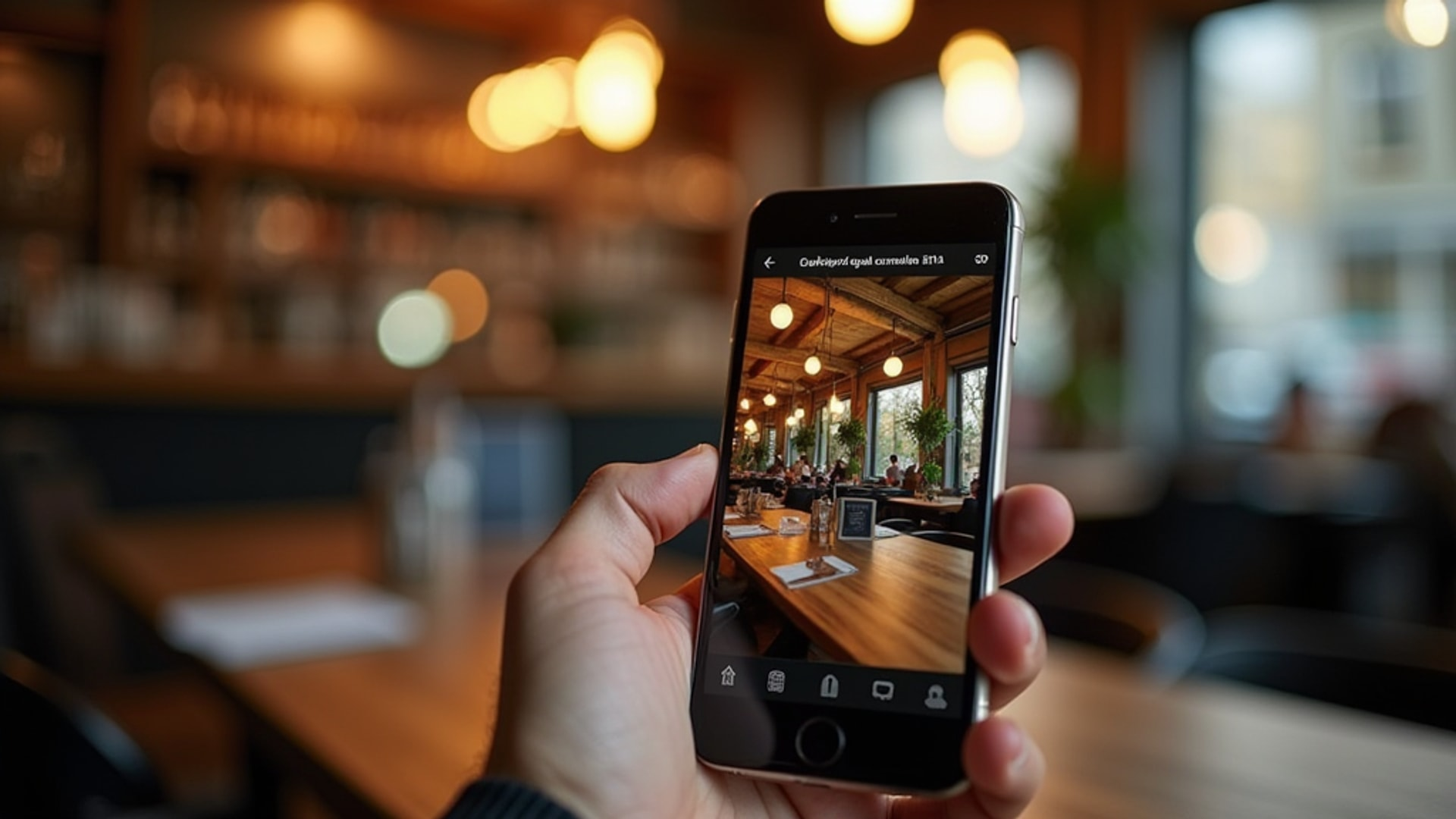
According to both Campaign Monitor and SevenRooms, over 70% of restaurant emails are read on mobile devices. If your emails do not look good on a phone, the majority of your audience will never see your message.
Mobile Design Requirements
- Single-column layouts — horizontal scrolling kills engagement
- Touch-friendly buttons with a minimum 44x44 pixel tap target — fingers are not as precise as mouse clicks
- Subject lines under 41 characters — longer subjects get cut off on mobile screens
- Large, readable text — a minimum of 14px for body copy
- Fast-loading images — compressed images that render quickly on mobile data
According to SevenRooms, emails that render poorly on mobile are deleted immediately, wasting the entire effort of creation and sending.
Integrating Email with Your Loyalty Program
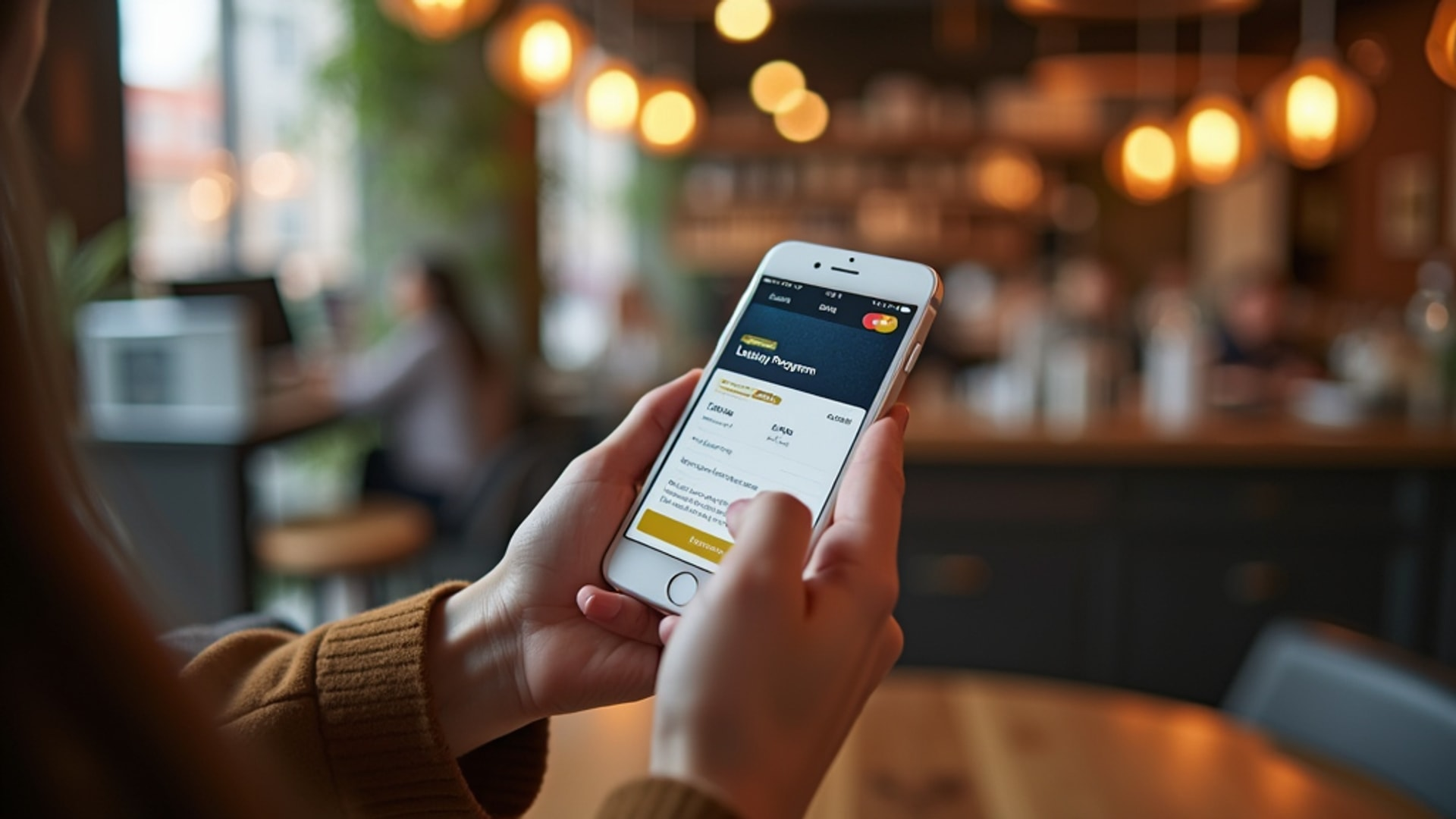
Email is the primary communication channel for loyalty programs. According to Antavo, the most effective restaurant loyalty programs combine email communication with several key design principles:
Quick-earn, quick-burn rewards: Make rewards accessible. Short reward cycles drive higher engagement than long, aspirational goals.
Low-cost, high-perceived value: According to Antavo, free treat offers with an order outperform cash equivalents. A complimentary dessert costs you less than $3 but feels more valuable than a $10 discount.
Omnichannel integration: According to Antavo, programs must work seamlessly across in-store, app, website, and delivery platforms. Customers should earn and redeem rewards regardless of ordering channel.
Tiered membership: Progressive benefits based on spending levels create aspirational goals and reward your most valuable customers with escalating perks.
Measuring What Actually Matters
According to SevenRooms, email marketing ROI should be measured not just by open and click rates but by tracking the downstream impact on reservations, orders, and customer lifetime value.
Metrics Dashboard
| Metric | Benchmark | What It Tells You |
|---|---|---|
| Open rate | 18.5% average, 43% high end | Whether your subject lines and timing work |
| Click-through rate | 2.0% | Whether your content and CTAs are compelling |
| Click-to-open rate | 10.5% | Content effectiveness among those who opened |
| Unsubscribe rate | Below 0.1% | Whether you are sending too often or too irrelevantly |
| Conversion rate | Varies | Whether emails drive actual reservations and orders |
| Revenue per email | Varies | The dollar value each email generates |
According to SevenRooms, the connection between email engagement and actual dining behavior is what separates vanity metrics from business results. Track which emails lead to reservations, which drive online orders, and which generate repeat visits.
Your Email Marketing Checklist
- Email platform selected and configured (e.g., Mailchimp, Campaign Monitor, or Constant Contact)
- Welcome sequence automated (3 emails over 7 days)
- List building in place (QR codes, website forms, POS training, Wi-Fi)
- At least 5 of 9 campaign types active
- Subscriber list segmented by dining behavior
- Send times optimized by campaign type
- Mobile design tested on multiple devices
- Unsubscribe rate monitored (target below 0.1%)
- Loyalty program integrated with email communications
- Post-dining follow-up automated at 48 hours
- Re-engagement campaign active for 30+ day inactive subscribers
- Birthday/anniversary emails scheduled 7-10 days in advance
- Monthly performance review tracking opens, clicks, and conversions
The Bottom Line
Email marketing delivers a 4,200% ROI because it reaches your guests directly, on your schedule, with personalized content that drives action. Unlike social media, where you are renting space on someone else’s platform, your email list is an asset you own.
Start with the welcome sequence — it has a 91.43% open rate and sets the tone for every email that follows. Build your list at every customer touchpoint. Segment by dining behavior so you send relevant content. Optimize for mobile because that is where 70% of your emails are read.
According to SevenRooms, personalized email marketing increases return visits by 6-20% depending on your format. That kind of traffic increase — from a channel that costs almost nothing to operate — is the definition of a smart marketing investment.
→ Read more: Restaurant SMS and Mobile Marketing: The Highest Open-Rate Channel You Are Probably Underusing → Read more: Restaurant CRM and Data-Driven Marketing: Turning Guest Data into Revenue