· Marketing · 7 min read
Restaurant CRM and Data-Driven Marketing: Turning Guest Data into Revenue
A restaurant CRM transforms scattered guest data into targeted marketing that drives measurable revenue — here is how to build and activate yours.
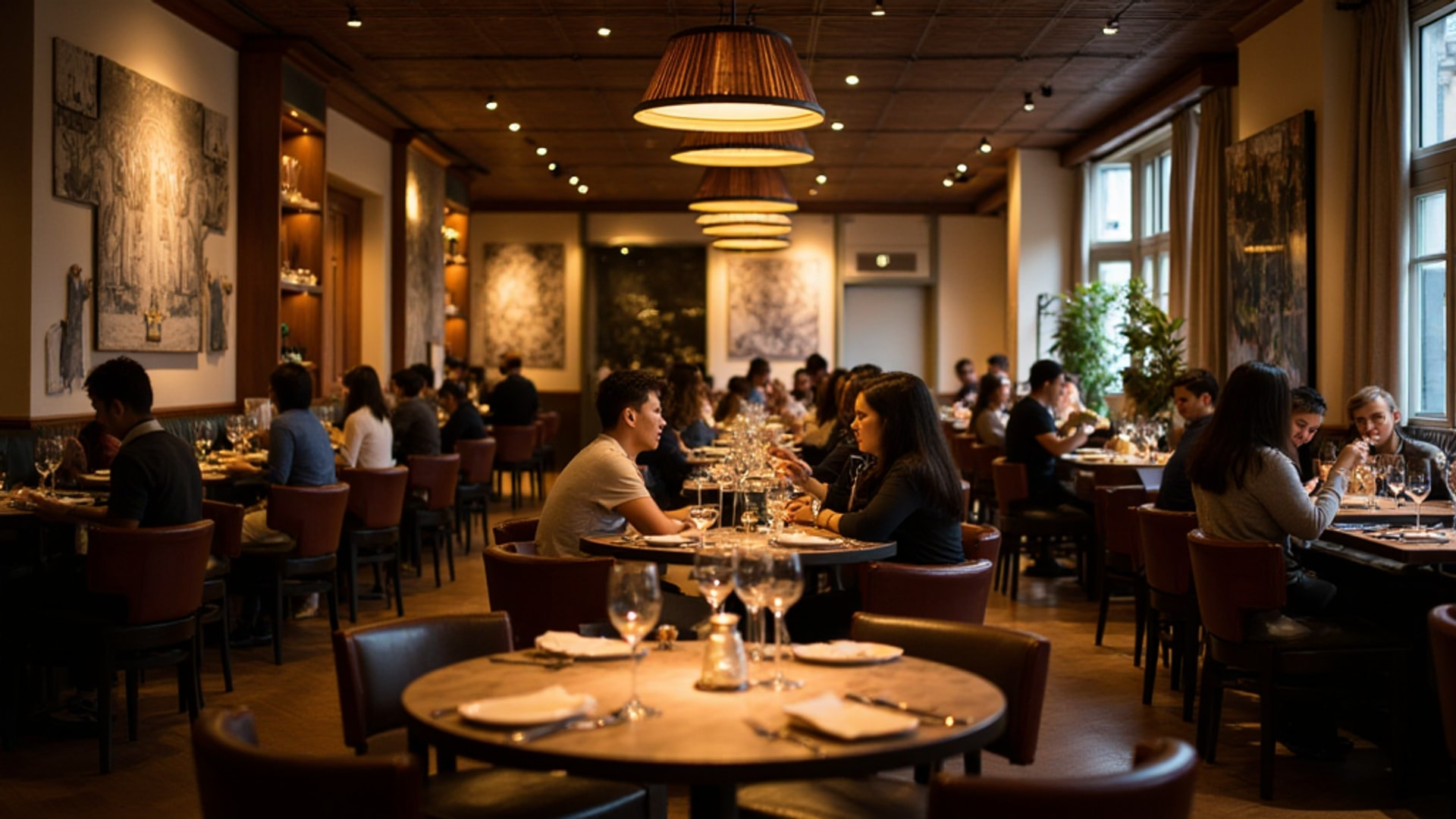
Most restaurants are sitting on a goldmine they cannot access. Every reservation, every online order, every loyalty redemption, every review, every credit card transaction — each one contains information about who your customers are, what they prefer, how often they visit, and how much they spend. Without a CRM, all of that data lives in disconnected systems, or worse, nowhere at all. With one, it becomes the engine of a marketing program that pays for itself many times over.
According to SevenRooms, a restaurant hospitality platform, a CRM (Customer Relationship Management) system is the central hub for collecting, organizing, and activating customer data across all touchpoints. The value is not in storing the data — it is in what the system allows you to do with it.
What a Restaurant CRM Actually Collects
A well-integrated restaurant CRM draws data from multiple sources to build a unified profile for each guest. SevenRooms identifies the key data streams: reservations, point-of-sale transactions, online ordering, loyalty program participation, review platforms, and social media interactions.
From these sources, guest profiles capture dining preferences, order history, spending patterns, visit frequency, feedback history, and communication preferences. A mature CRM database does not just tell you that Jane Smith visited last month. It tells you that she visits on Friday evenings approximately twice a month, always orders seafood, has a shellfish allergy on file, spent an average of $85 per visit, left a four-star review six months ago mentioning the salmon, and has not opened the last two emails you sent.
That level of detail transforms how you communicate with her. The generic monthly newsletter becomes a targeted message about your new Friday evening tasting menu featuring sustainable fish from your coastal supplier. The mass-discount blast becomes a personalized invitation that acknowledges her preferences and visit history. The difference in response rate is not marginal — it is substantial.
The Four Core Functions of Restaurant CRM
1. Guest profiling and data unification. The CRM integrates all the data sources listed above into a single guest record. This integration is typically achieved through POS and reservation platform connections, with loyalty enrollment and online ordering data flowing in automatically. The unified profile eliminates the frustration of having customer information spread across five different systems with no way to connect the dots.
2. Segmentation for targeted marketing. SevenRooms explains that rather than sending the same promotional message to every customer, restaurants use CRM segmentation to create groups based on customer lifetime value, visit recency, preferred dining occasions, average spend levels, and menu preferences. High-value guests who have not visited in 60 days receive a different message than recent first-time visitors. The segmentation logic can be as simple or as sophisticated as the operation supports.
3. Marketing automation. Trigger-based campaigns fire automatically when guests meet predefined criteria. SevenRooms outlines the core automation sequences: a welcome campaign after a first visit, a re-engagement offer when a regular guest has been absent for 30 days, a birthday message sent annually, and a VIP acknowledgment when a customer crosses a lifetime spending threshold. These sequences run continuously without manual execution, ensuring that every guest in the database receives timely, relevant communication.
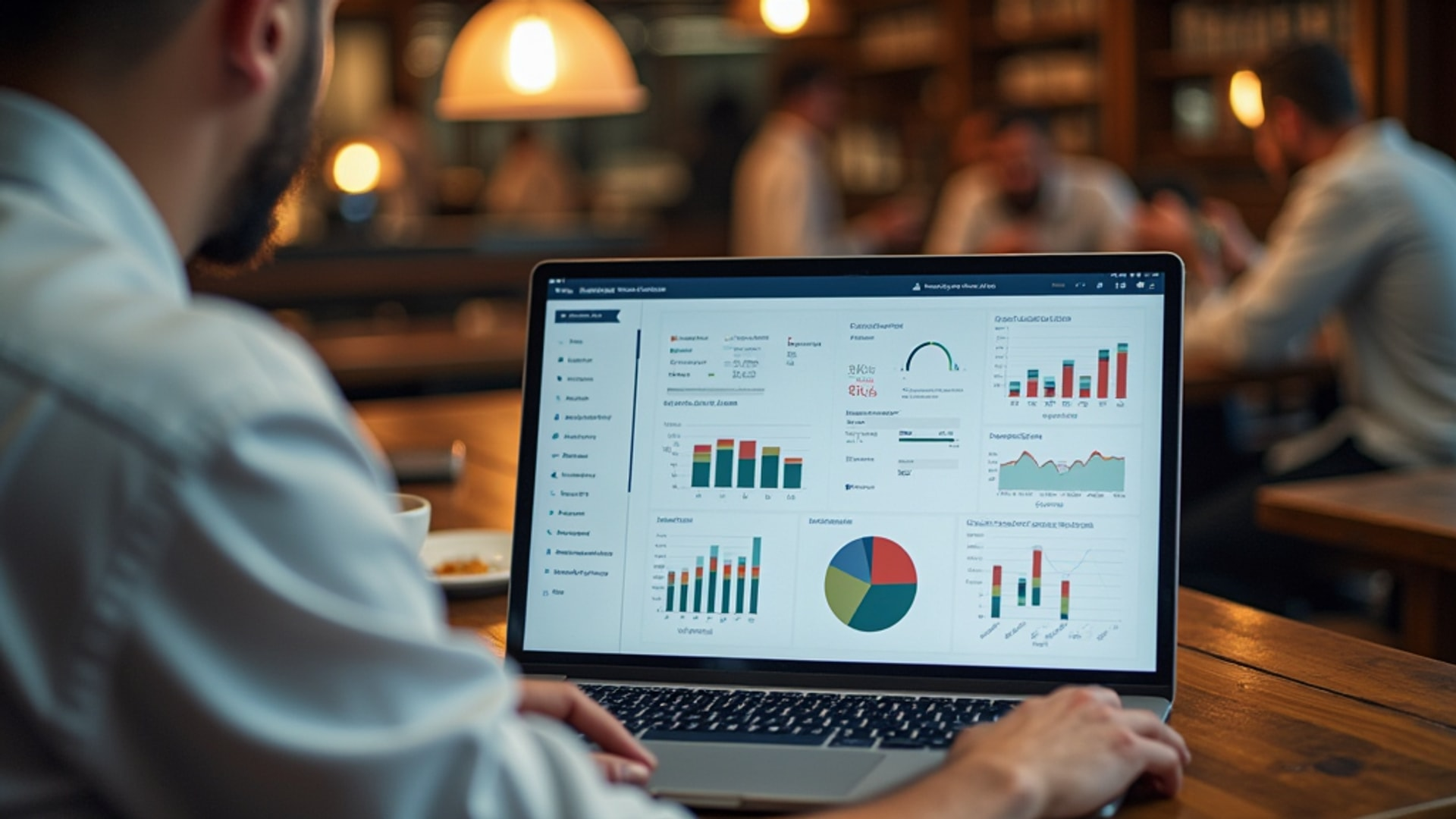
4. Campaign analytics. Real-time dashboards show email open rates, offer redemption rates, reservation conversions, and revenue attribution by campaign. Operators can see in near real-time whether a specific campaign is performing and make adjustments before the window closes. This beats the old model of sending a mass email and hoping something sticks.
Choosing the Right Platform
Not all CRM platforms serve restaurants equally. SevenRooms notes that the major specialized restaurant CRM options include SevenRooms itself, Paytronix, Fishbowl, and Eat App, each with different feature sets.
The evaluation criteria that matter most for most operators:
POS integration. If the CRM does not connect to your point-of-sale system, you are manually entering data or losing it entirely. Deep POS integration is non-negotiable for a functional restaurant CRM.
Marketing automation depth. Can you configure trigger-based campaigns without writing code? Can you build segment-specific email sequences? The automation capabilities are where CRM value is generated or lost.
Multi-location support. For groups with more than one location, the CRM needs to track customers across all venues and provide both consolidated and location-specific reporting.
Analytics and attribution. Can you trace a specific reservation or order back to the campaign that drove it? Without attribution, you cannot measure ROI and cannot make informed budget decisions.
WiFi Marketing as a CRM Data Source
One underused CRM data input is guest WiFi. As Bloom Intelligence explains, a captive portal — a branded login page guests see before accessing the restaurant’s WiFi — collects contact information including email, phone number, and sometimes demographic data, turning a routine amenity into a systematic data collection tool.
WiFi data integrates directly into CRM profiles, enriching them with visit frequency patterns and dwell time analytics. Restaurants can configure automated campaigns triggered by WiFi connection: a welcome offer on the first visit, a re-engagement message after 30 days of absence, a birthday promotion in the appropriate month. This approach builds the CRM database organically without requiring separate loyalty sign-up campaigns or POS-side data entry.
Privacy compliance is essential for WiFi data collection. GDPR and CCPA regulations require transparent privacy policies and explicit opt-in consent at the WiFi login screen. This must be built into the portal design from day one.
From Data to Action: A Practical Starting Point
The most common reason restaurant operators delay CRM implementation is complexity — it feels like a big project with uncertain payoff. The practical approach is to start with the highest-value use case and build from there.
For most restaurants, that starting point is the re-engagement campaign. Identify every customer in your system who has not visited in 45-60 days. This group represents recent customers who are at risk of churning to competitors. A targeted message acknowledging their absence, referencing their past visits, and including a compelling reason to return — whether a new menu item, a seasonal promotion, or simply a personal invitation — will consistently generate immediate revenue at a low cost.
Owner.com documents a case where automated re-engagement messages sent 45 days after a customer’s last visit generated over $1,500 in monthly repeat orders. That is not a dramatic transformation story — it is a straightforward demonstration of what a simple, well-configured automation can produce for a single-location operation.
Once the re-engagement campaign is live and producing results, layer in the birthday campaign. Then the VIP acknowledgment. Then the welcome sequence for new guests. Each addition builds on the same data foundation and produces compounding returns as the system runs over time.
The Measurement Framework
Track these metrics across your CRM marketing programs to understand what is working:
- Email open rate by segment — industry baseline is around 20-25% for restaurant emails; well-targeted segments should exceed this.
- Offer redemption rate — what percentage of customers who receive a specific promotion actually use it.
- Visit frequency change — are targeted customers visiting more often after receiving CRM communications than before?
- Revenue per customer — is the average spend per visit changing as a result of personalized recommendations?
- Re-engagement success rate — what percentage of lapsed customers return within 30 days of a re-engagement campaign?
MarketMan’s 2025 restaurant marketing guide recommends building marketing programs around measurable KPIs including customer acquisition cost and ROI from the outset, rather than treating measurement as an afterthought. A CRM gives you the data infrastructure to do exactly that.
Why This Is the Core of Modern Restaurant Marketing
The restaurants that will win in the next decade are not going to be the ones that spend the most on advertising. They are going to be the ones that know their customers best and communicate with them most relevantly. A CRM is the operational foundation of that capability. If you are still running marketing without a CRM, you are guessing when you could be knowing. Start building it now.
→ Read more: Restaurant AI Chatbots: Personalized Marketing on Autopilot → Read more: Email Marketing for Restaurants: Building Campaigns That Fill Tables → Read more: WiFi Marketing for Restaurants: Turning a Free Amenity into a Data Engine → Read more: Restaurant Loyalty Programs: How to Design a Retention Engine That Pays for Itself