· Marketing · 7 min read
WiFi Marketing for Restaurants: Turning a Free Amenity into a Data Goldmine
How to transform your guest WiFi from a free service into a systematic customer data collection and re-marketing engine using captive portal technology.
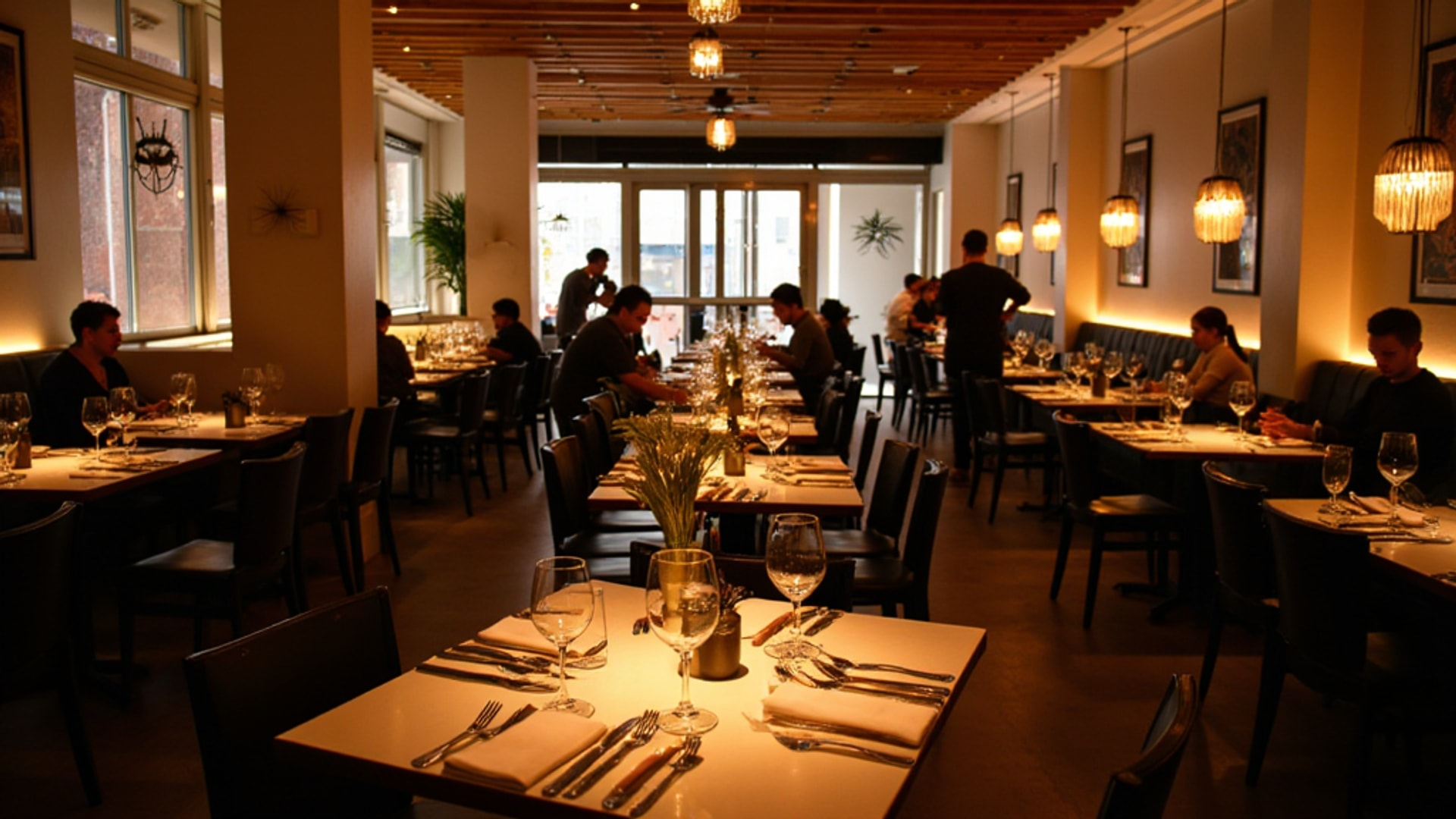
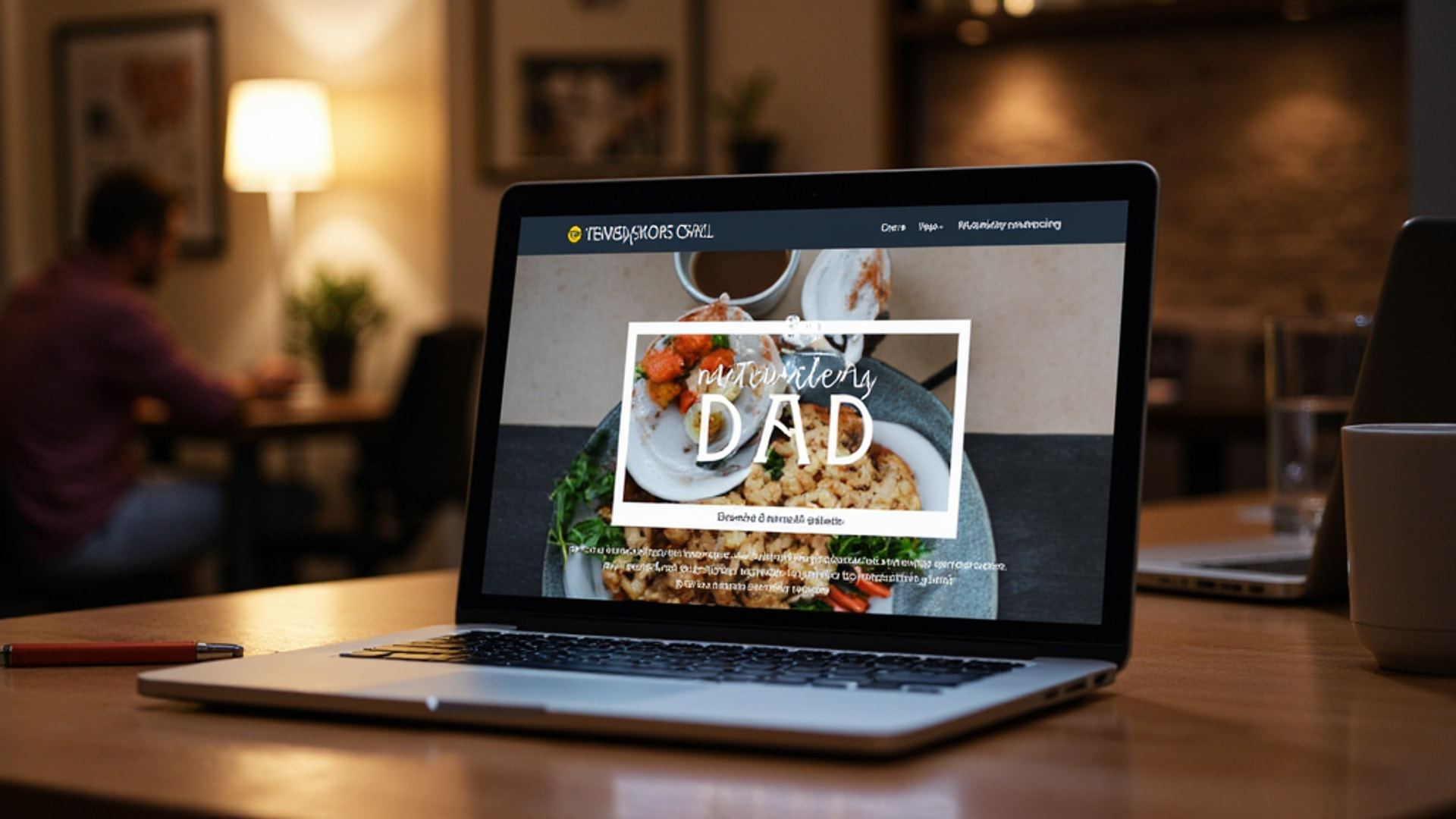
Most restaurants offer guest WiFi because customers expect it. But according to Bloom Intelligence, almost no restaurant operator is using that WiFi strategically. A properly configured captive portal — the branded login page guests interact with before gaining internet access — transforms every WiFi connection into a customer data capture opportunity, a marketing touchpoint, and a relationship-building tool.
The mechanism is simple. The strategic value is significant. And for restaurants that serve guests who stay for 30-90 minutes over meals, the opportunity to capture contact data from every single one of those guests is unique among marketing channels.
What a Captive Portal Does
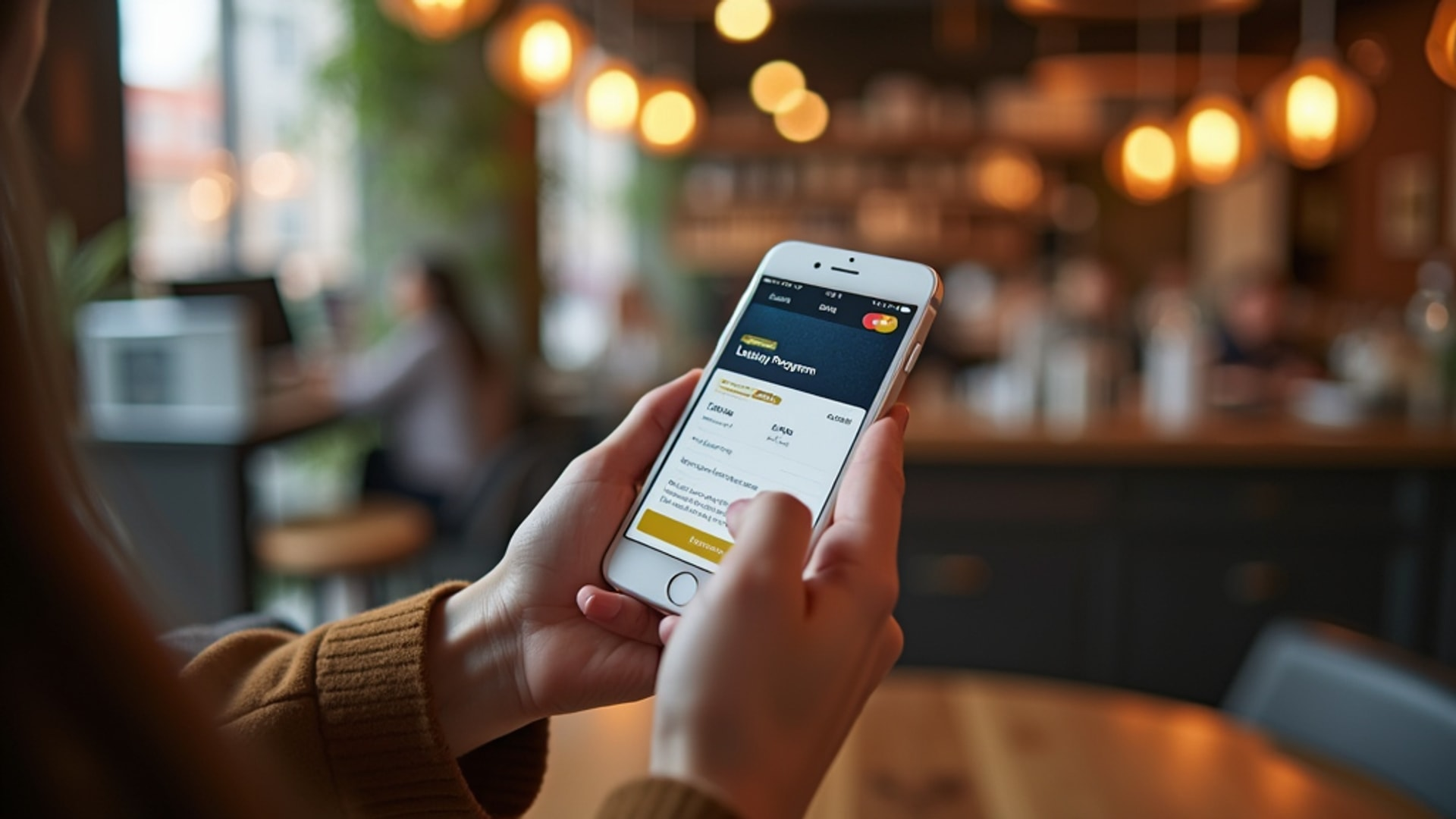
Bloom Intelligence describes a captive portal as a branded login page guests interact with before gaining WiFi access, collecting contact details. The portal typically collects:
- Email address
- Phone number
- Social media login (Facebook or Google)
- Name
- Optional: gender, birth date (for birthday marketing)
Guests access the WiFi only after providing this information and agreeing to your terms of service, which should include explicit consent for marketing communications.
This transforms your WiFi network from a passive amenity into an active customer acquisition and data collection channel. Every guest who connects adds a verified, first-party contact to your marketing database.
The First-Party Data Advantage
WiFi data creates first-party data ownership independent of social media platforms or third-party services. This distinction matters enormously in today’s marketing environment.
Third-party data (purchased lists, social media advertising audiences, cookie-based targeting) is declining in reliability due to privacy regulations, iOS tracking changes, and platform policy shifts. First-party data — contact information that customers voluntarily provide directly to your business — is immune to these trends. You own it. It does not expire. No platform can take it away.
For restaurants that serve 200-300 guests per week, a captive portal that converts even 60-70% of those guests into email subscribers generates 120-210 new verified contacts per week — approximately 6,000-10,000 new contacts per year. This database compounds as contacts accumulate.
At scale, the economics are powerful:
- 10,000 email subscribers with a 20% open rate = 2,000 readers per campaign
- If 5% of those readers book a visit = 100 additional covers
- At $40 average check = $4,000 per email campaign sent
- Email platform cost for 10,000 contacts: approximately $50-$100/month
This is a return that makes most other marketing channels look expensive by comparison.
Setting Up Your Captive Portal
The technical setup involves configuring your WiFi router to redirect all new connections to a branded login page before granting internet access. Most commercial restaurant WiFi routers support this natively, or with a software configuration layer.
Platform options (in order of sophistication):
Bloom Intelligence, Zenreach, or Beambox: Dedicated WiFi marketing platforms with built-in CRM integration, analytics, and automated campaign tools. Pricing typically $150-$400/month. Best for restaurants doing 300+ covers weekly.
Unifi or Meraki with custom portal: Enterprise networking equipment with native captive portal configuration. Requires technical setup but provides clean integration with email marketing platforms.
Standalone WiFi marketing apps: Middle tier with lower setup complexity. Good option for independent restaurants starting with WiFi marketing.
What to build into your portal:
- Restaurant branding (logo, colors, photography)
- Clear, simple data entry form (fewer fields = higher completion rate)
- Transparent privacy policy (required by law)
- Marketing opt-in checkbox with clear language
- Thank-you screen with a welcome offer or digital coupon
Automated Campaigns: The Marketing Value Multiplier
Collected data integrates with existing marketing infrastructure and enables automated campaigns triggered by visit behavior. This is where the real ROI of WiFi marketing lives.
High-impact automated campaigns:
First Visit Welcome
Trigger: Customer connects to WiFi for the first time Content: Welcome message + small offer on next visit (“Your next dessert is on us”) Timing: Within 1 hour of first connection Purpose: Convert a one-time visitor into a return guest
Lapsed Customer Win-Back
Trigger: Regular customer has not connected in X days (typically 30-45 days) Content: “We miss you” message + meaningful incentive Timing: On day 31 or day 46 (whatever your threshold is) Purpose: Prevent drift before it becomes permanent churn
According to Owner.com (discussing a related win-back approach), automated messages sent to customers after 45 days of inactivity generated over $1,500 in monthly repeat orders. WiFi-triggered win-back campaigns follow the same logic.
Birthday Marketing
Trigger: Customer’s birthday (collected at portal) Content: Birthday greeting + birthday week offer Timing: 3-5 days before their birthday Purpose: Drive a celebration visit and position your restaurant for milestone dining
Visit Frequency Milestone
Trigger: Customer’s 5th, 10th, 20th connection Content: “You’re a VIP” message + exclusive offer or loyalty upgrade Purpose: Recognize and reward regulars, deepening emotional connection
WiFi Analytics: Operational Intelligence
Beyond marketing, WiFi data provides operational insights. According to Bloom Intelligence:
Visit frequency analysis: Which customers visit weekly, monthly, or rarely? How does frequency correlate with average spend? This data identifies your most valuable segments.
Dwell time data: How long do different customer segments stay? If lunch guests average 35 minutes and dinner guests average 85 minutes, your table turn strategy should reflect this.
Peak time analysis: WiFi connection data reveals when your restaurant is busiest at a customer-by-customer level. This is more granular than POS data because it captures arrival time, not just order time.
Day-of-week patterns: Which customer segments come on which days? This informs targeted day-specific promotions — if Monday is dominated by business diners and Sunday by families, your Monday and Sunday marketing should look completely different.
Privacy Compliance: Non-Negotiable Requirements
Both GDPR and CCPA regulations require clear disclosure of data collection practices and explicit consent. Failure to comply exposes your restaurant to legal liability and undermines customer trust.
Compliance checklist:
- Privacy policy linked on captive portal (plain language, clear about what data is collected)
- Explicit marketing opt-in checkbox (not pre-checked)
- Clear explanation of how data will be used
- Easy opt-out mechanism in all marketing emails (one-click unsubscribe)
- Process for responding to “delete my data” requests
- Records of when and how consent was given (maintained by your platform)
If your WiFi marketing platform does not provide compliance features, do not proceed until it does. The reputational risk of mishandling customer data far outweighs any marketing benefit.
Integrating WiFi Data with Your Broader Marketing Stack
The WiFi data is most valuable when integrated with your other marketing tools. Guest profiles built through WiFi data integrate with CRM platforms and email service providers.
Integration map:
| Data Collected via WiFi | Where It Goes | Marketing Use |
|---|---|---|
| Email address | Email platform (Mailchimp/Klaviyo) | Newsletter campaigns, automation sequences |
| Phone number | SMS platform | SMS promotions, win-back campaigns |
| Visit frequency | CRM / loyalty platform | Segment-based offers, VIP identification |
| Birth date | Email/CRM | Birthday campaigns |
| Social media login | Social platform data | Lookalike audiences for paid advertising |
The goal is a unified customer profile that captures every interaction — WiFi connection, email open, reservation, order — into a single view. This holistic data picture enables personalization that generically marketed restaurants cannot achieve. A full restaurant CRM brings all these data sources together.
Getting Started: The 30-Day Implementation Plan
| Week | Action |
|---|---|
| Week 1 | Choose WiFi marketing platform; configure network with captive portal |
| Week 2 | Design branded portal page; set up privacy policy and opt-in language |
| Week 3 | Configure first three automated campaigns (welcome, win-back, birthday) |
| Week 4 | Launch and monitor; review first data collected; adjust portal design if completion rates are low |
| Month 2 | Build first monthly email campaign to growing list; measure open rates and visit attribution |
The first 90 days are about building the database and testing the automated campaigns. By month 4, you should have 500-1,500 new verified contacts and measurable data on which campaigns drive return visits.
Your WiFi is on right now. Every guest using it is a marketing opportunity not being captured. That changes when you build the infrastructure.
→ Read more: Restaurant CRM and Data-Driven Marketing: Turning Guest Data into Revenue → Read more: Email Marketing for Restaurants: Building Campaigns That Fill Tables → Read more: Restaurant SMS and Mobile Marketing: The Highest Open-Rate Channel