· Marketing · 12 min read
Restaurant Customer Retention: Beyond Loyalty Programs
60% of restaurant sales come from repeat guests — here's how to keep them coming back using data, personalization, and operational discipline.
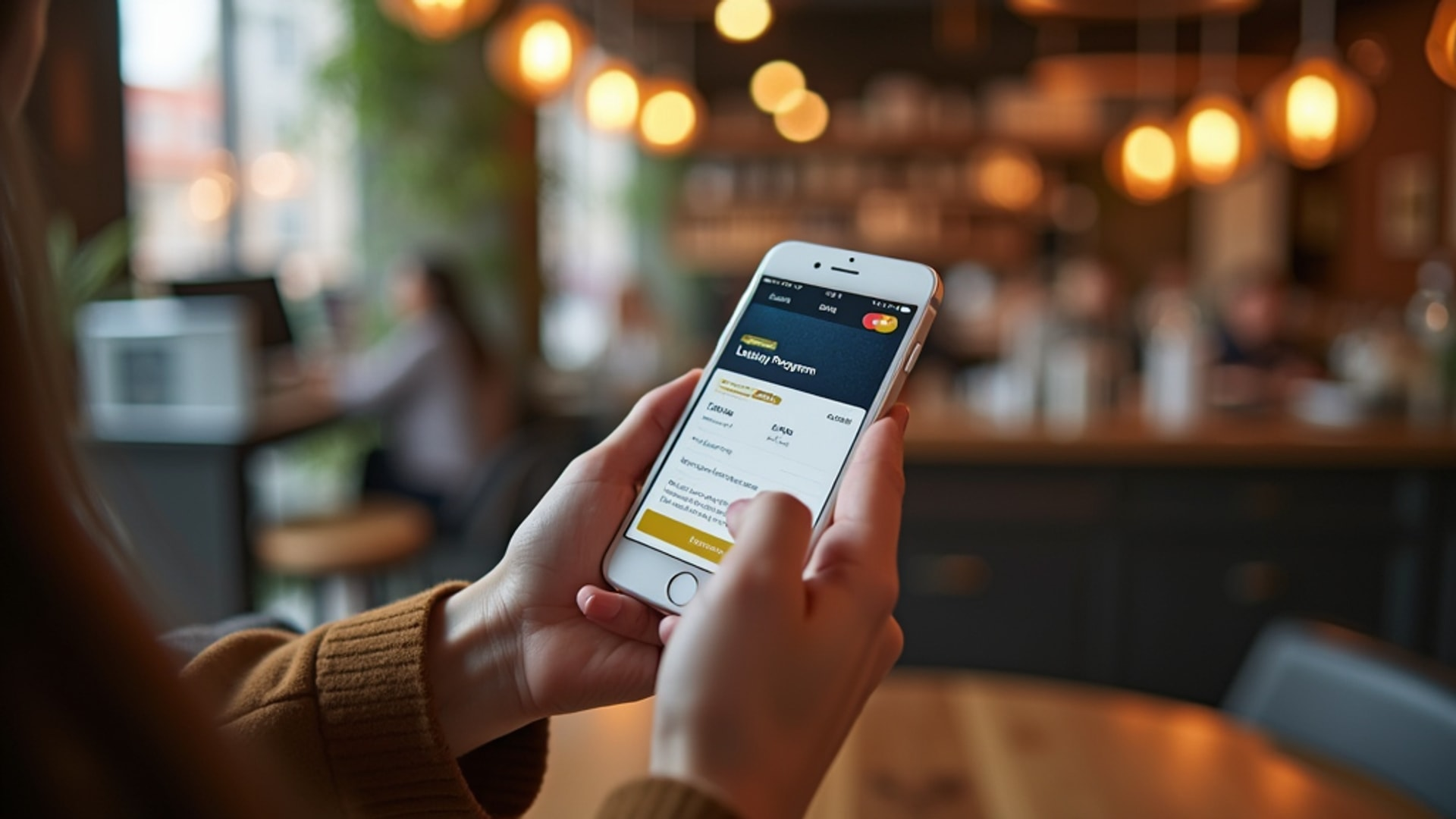
The economics of customer retention are so compelling that they should reorder how you think about marketing spend. According to Olo’s research on restaurant customer behavior, 60% of restaurant sales come from repeat guests. Acquiring a new customer costs 5–7 times more than retaining an existing one. And existing customers spend an average of 67% more per order than first-timers.
If you’re allocating the majority of your marketing budget to customer acquisition — new ads, new promotions, influencer partnerships to reach new audiences — while underinvesting in the customers who already know and like your restaurant, you’re working against the math.
Retention is not just a loyalty program. Loyalty programs are one tool. But the full retention discipline involves data collection, personalization, technology choices, operational habits, and review response — all working together to make returning to your restaurant the easiest, most rewarding choice your customers can make.
The Foundation: Understanding Why Customers Leave
Before you can retain customers, you need to understand what causes them to drift away. Churn — the loss of a customer who hasn’t returned within a normal visit cycle — happens for several reasons:
They had a bad experience. A service failure, food quality issue, or uncomfortable dining environment that wasn’t addressed can silently end a relationship. The guest doesn’t complain; they just don’t come back.
They forgot about you. In competitive urban markets, customers have dozens of options within reach. Without regular touchpoints, a restaurant they enjoyed three months ago simply isn’t top of mind when they’re deciding where to eat tonight.
Friction. Ordering is harder than it should be. The website doesn’t work on mobile. The phone goes unanswered. The delivery options aren’t convenient. The rewards program requires too much effort. Every point of friction is a reason to choose the path of least resistance — often a competitor.
They feel like a stranger. Nothing personalizes to them. The host doesn’t recognize them. The recommendations are generic. There’s no acknowledgment of their preferences or history. After five visits, they feel no more known than they did on the first one.
Each of these causes has a specific remedy. Understanding which one is most relevant to your customer churn — through data, surveys, and direct observation — tells you where to invest first.
The Data Foundation for Retention
According to SevenRooms’ research on restaurant CRM and data analytics, a restaurant CRM system serves as the central hub for collecting, organizing, and activating customer data across all touchpoints. The core value proposition is comprehensive guest profiling: by integrating data from reservations, POS transactions, online ordering, loyalty programs, review platforms, and social media, CRM systems create detailed profiles for each guest.
For retention purposes, the key data points Olo identifies include:
- Visit frequency (how often do they come?)
- Average check size (how much do they typically spend?)
- Preferred ordering channel (dine-in, takeout, delivery)
- Typical ordering times and days
- Marketing message engagement rates
- Review activity
This behavioral data enables targeted interventions. A customer who visited weekly and has been absent for 30 days is a churn risk — and an automated re-engagement offer sent at that trigger point is far more effective than a mass promotion sent to your entire database. A customer whose visit frequency is declining is showing early churn signals that can be addressed before the relationship ends.
According to SevenRooms’ research, popular restaurant CRM platforms include Paytronix, SevenRooms, Fishbowl, and Eat App — each with different feature sets tailored to restaurant operations. Key evaluation criteria include POS integration capabilities, multi-location support, marketing automation features, and analytics depth. The right platform is the one that integrates with your existing POS and ordering systems; customer data that lives in a silo doesn’t drive action.
Loyalty Programs Done Right
Loyalty programs remain the most proven retention tool available to restaurants. According to Olo’s research, loyalty program members visit 20% more frequently and spend 20% more per transaction compared to non-members. The lift from a well-executed loyalty program compounds: a 20% increase in visit frequency from customers who also spend 20% more per visit represents a roughly 44% increase in lifetime value from those customers.
The critical design principle is reducing enrollment friction while providing clear, achievable reward milestones. Programs that require downloading a dedicated app, entering a loyalty number at every visit, or accumulating points for months before any reward arrives see low enrollment rates and high abandonment after enrollment.
What works better:
Low-friction enrollment. Phone number lookup at POS, email-based enrollment at checkout, or linking to a credit card for automatic tracking. The easier it is to join, the more members you have.
Visible progress. Customers should always know how close they are to their next reward. “You’re 2 visits away from a free appetizer” is more motivating than “you have 47 points.”
Attainable early rewards. A reward that arrives after 3–5 visits keeps members engaged through the program’s critical early period. A first reward that requires 20 visits will see most members disengage before they ever receive it.
Meaningful rewards. Discounts on future visits, free items, exclusive access (early booking of popular events, chef’s table access, off-menu items) — rewards that feel genuinely valuable rather than nominal.
The content here is specifically about retention beyond loyalty programs, which means acknowledging that a loyalty program alone is not a retention strategy. It’s a tool that works best in combination with the other elements below.
Technology That Removes Friction
Two technology findings from Olo’s research deserve particular attention from a retention standpoint.
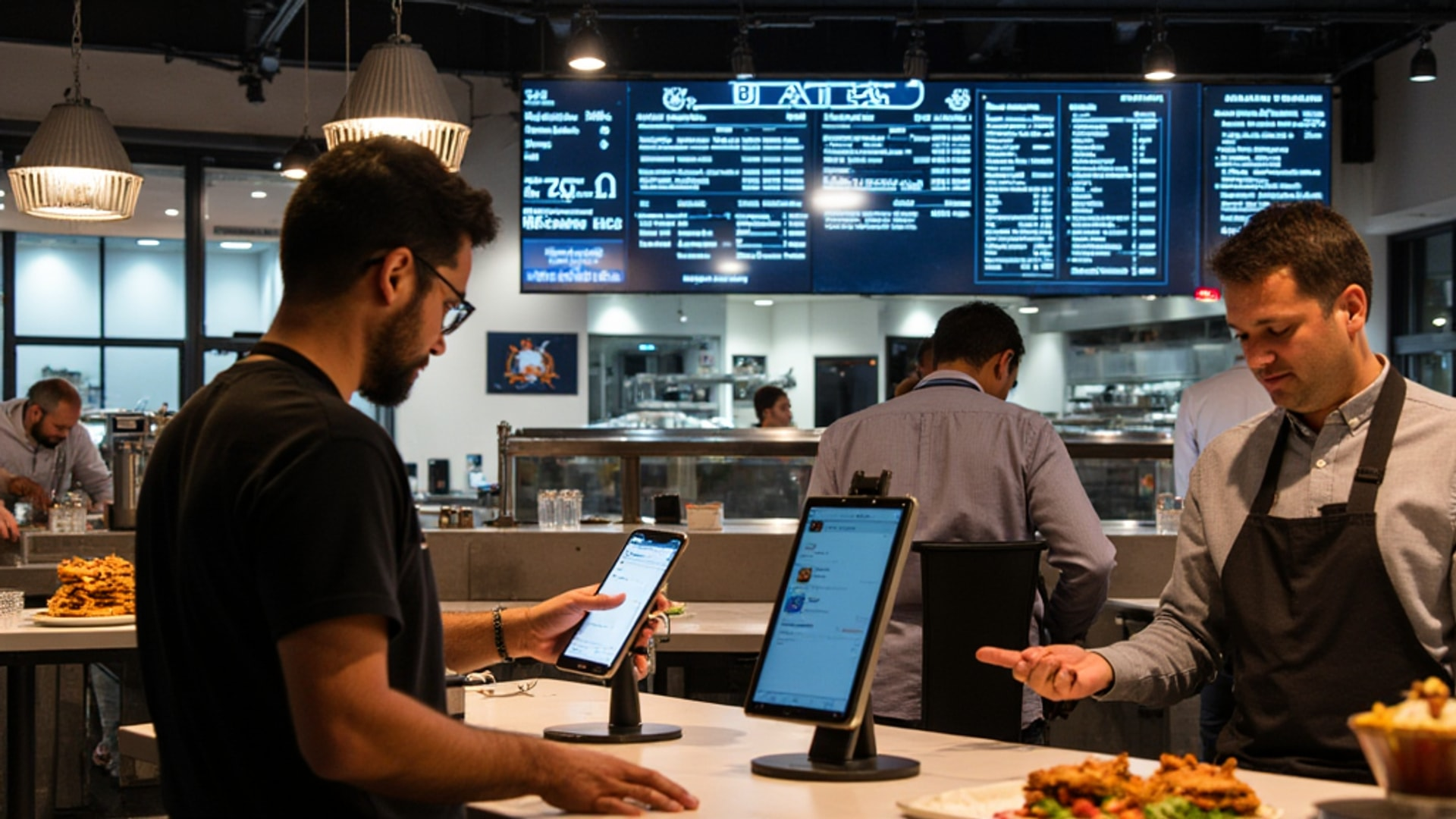
Restaurants with mobile apps see a 112% higher reorder rate compared to restaurants without them. That’s not a small lift — it’s more than double. The reason is simple: a mobile app eliminates nearly every friction point in the ordering process. The customer doesn’t need to find the restaurant’s number, navigate a website, or remember their delivery platform login. They open the app, their previous order and saved payment information are already there, and reordering takes seconds. The path of least resistance leads directly to your restaurant.
Self-service kiosks increase average spending by 20%. This doesn’t directly affect retention, but it affects the economics of serving repeat customers, and satisfied customers who feel they got value are more likely to return.
The practical implication: if your restaurant doesn’t have a mobile ordering app, the 112% reorder rate lift is a strong case for building one. The development cost is significant, but the math often justifies it for restaurants with substantial existing customer bases and delivery/takeout volume.
Personalization: The Retention Superpower
The single most effective retention technique — and the least commonly executed well — is personalization. Making customers feel genuinely known and remembered creates an emotional connection to your restaurant that no discount program can replicate.
According to Olo’s research, when host stand systems display guest history so staff can make recommendations based on previous orders, acknowledge feedback from past surveys, and greet regulars by name, the experience transcends a simple transaction. These personal touches make guests feel recognized and valued.
The range of personalization available to restaurants:
Recognition by name. When a regular calls to make a reservation or walks in, greeting them by name signals that they’re known. At scale, this requires a system that surfaces guest names for staff — a CRM with reservations integration, for example.
Order history-based recommendations. “Last time you were here you tried the lamb chops — tonight we’re running a special on lamb shoulder that you might enjoy.” This takes modest effort but has a disproportionate effect on how valued the guest feels.
Preference tracking. Dietary restrictions, preferred seating, wine preferences, celebratory occasions. Guests who mentioned a nut allergy on their first visit should never have to mention it again on their fifth.
Feedback acknowledgment. When a guest flagged an issue in a post-visit survey and you addressed it, telling them what you changed (“We updated our kitchen process based on feedback we received — I think you’ll notice the difference”) is a remarkably effective retention move. It demonstrates that you listened and acted.
According to SevenRooms’ research, trigger-based automation in CRM systems can execute personalization at scale: a welcome sequence after a first visit, a re-engagement offer after 30 days of absence, a birthday celebration message, or a VIP acknowledgment after reaching a spending threshold. This automation ensures timely, relevant communication without requiring manual effort from your team for every guest.
Review Response as a Retention Tool
An underappreciated retention mechanism: responding to reviews. According to Olo’s research, consumers are 41% more likely to patronize a business that responds to all its reviews — on platforms like Google Business Profile and Yelp — both positive and negative.
Most restaurants understand that responding to negative reviews is important for damage control. Fewer grasp that responding to positive reviews is a retention tool. When a guest writes a positive review and the restaurant personally acknowledges it — not with a generic “Thanks for visiting!” but with a genuine, personalized response — it deepens the relationship. That guest now has a small personal connection with the restaurant. They’re more likely to return and more likely to write another review.
The response doesn’t need to be long. “Maria — we loved having you at our table last Saturday. We’re so glad the duck was exactly what you were hoping for. We’ll have it waiting for you next time.” That’s a 20-second investment that significantly increases the probability of a return visit.
Email and SMS: The Retention Workhorses
→ Read more: Customer Feedback and Surveys: Turning Guest Opinions Into Improvements
Owned communication channels — email and SMS — are the most effective tools for staying top-of-mind with existing customers. Unlike social media, where your posts may or may not reach your followers depending on algorithm behavior, email and SMS go directly to the customer’s inbox or phone.
The retention use cases for email and SMS:
Re-engagement campaigns. Automated messages triggered when a customer hasn’t visited in a defined period (30, 60, 90 days depending on your normal visit frequency). The message acknowledges the absence and provides a reason to return — an invitation, a new menu item, a modest offer.
Occasion-based outreach. Birthday messages, anniversary recognition (X years as a customer), holiday communications. These maintain the relationship during periods when the customer may not be actively thinking about dining out.
New menu announcements. A customer who loved your seasonal menu last spring wants to know when the new menu launches. This is a direct, relevant reason to come back that doesn’t require a discount.
Event invitations. Wine dinners, chef’s table experiences, cooking classes, seasonal tastings. Existing customers are the natural first audience for premium experiences, and an exclusive invitation communicates that they’re valued.
The most important principle for email and SMS: segment your communications. According to SevenRooms’ research, sending the same message to every customer on your list consistently underperforms compared to targeted messages to well-defined segments. A re-engagement message to customers who haven’t visited in 60 days is relevant and welcome. Sending the same message to customers who visited last week is tone-deaf.
Operational Retention: What Happens Inside the Restaurant
All the marketing sophistication in the world doesn’t retain customers who have mediocre experiences. Retention ultimately comes back to the quality of the guest experience on every visit.
The operational habits that directly drive retention:
Consistency. Repeat customers return in part because they know what to expect. When their favorite dish tastes different every time, or when the service quality varies dramatically between visits, that consistency expectation is violated — and with it, some of the reason to return.
Recovery. How your team handles service failures in the moment determines whether a disappointed customer leaves as a detractor or a loyal advocate. A mistake that’s acknowledged and made right quickly often produces more loyalty than a flawless meal.
Transition moments. The opening greeting and the closing goodbye are the moments customers remember longest. Consistent warmth at both ends of the visit disproportionately influences the overall experience rating.
Remembering. As mentioned above, returning customers who are recognized and remembered feel valued in a way that converts to loyalty. This requires systems (CRM, staff briefings, reservation notes) but pays off in retention.
Measuring Retention Performance
Retention needs to be measured to be managed. Key metrics to track:
Guest return rate. What percentage of first-time guests return within 90 days? This is your baseline retention rate.
Visit frequency. How often do your active customers visit per month? Is this increasing or decreasing over time?
Churn rate. How many customers haven’t returned in longer than their normal visit cycle? What percentage of your customer base is at risk?
Revenue from repeat guests. As Olo’s research establishes, 60% of sales should come from repeat guests. If your ratio is significantly lower, you’re either over-reliant on acquisition or under-investing in retention.
Loyalty program engagement. Enrollment rate, redemption rate, and the frequency lift attributable to program membership.
Track these metrics quarterly. When the numbers move in the wrong direction, diagnose before you spend: is the problem a drop in experience quality, insufficient personalization, reduced marketing frequency, or something else? The answer determines the intervention.
Retention is not a project you complete — it’s a discipline you maintain. The restaurants that compound their customer base over time rather than constantly replacing churned customers are the ones that build genuine competitive moats. Every customer who keeps coming back is a marketing asset, a revenue stream, and a referral engine. Treating them accordingly is the highest-return investment in your marketing budget.
→ Read more: Referral Programs: Building a System That Makes Your Customers Do Your Marketing → Read more: Restaurant Mobile App Marketing: Doubling Orders with Push Notifications and First-Party Data