· Starting a Restaurant · 8 min read
Pre-Opening Marketing Plan: Building an Audience Before You Open
The restaurants that open to a full dining room on day one started building their audience months before the first plate hit the pass — this is the pre-opening marketing playbook.
Opening day should not be the first time people hear about your restaurant. By the time you unlock the door for the first paying customer, you should already have hundreds of people who know your name, follow your social media accounts, and have been waiting for this moment.
That audience does not appear by accident. According to Flowster’s pre-opening marketing guide, 87 percent of consumers have visited a new restaurant based on finding it on social media. A restaurant without an active digital presence before opening is invisible to most potential customers. Visibility requires time — and time requires starting early.
The most effective pre-opening marketing campaigns run for three to six months before the opening date. That is not three to six months of posting. It is a structured campaign with phases, each building on the previous one.
Phase 1: Foundation (Three to Six Months Out)
The foundation phase happens simultaneously with lease signing and early buildout. Its outputs are the platforms and properties you will use throughout the campaign.
Secure your name everywhere
As soon as the restaurant name is chosen, claim it across every relevant platform: Instagram, Facebook, TikTok (if your target audience skews younger), Google Business Profile, Yelp, OpenTable or Resy if you plan to take reservations, and your domain name for the website. Flowster’s guide is explicit: social media accounts should be created as soon as the restaurant name is chosen. Waiting until you are closer to opening forfeits months of audience-building time.
Consistency of your Name, Address, and Phone number across all platforms — what the industry calls NAP consistency — improves local search rankings from day one. According to Yelp for Business’s guide on online presence setup, inconsistent NAP information across directories reduces search engine trust signals and creates customer confusion.
Build your website
A restaurant website does not need to be elaborate at this stage. It needs to exist, load quickly, and include: the restaurant name, concept summary, cuisine type, anticipated location, expected opening date, and an email signup form. That email form is critical — it is how you build a direct communication channel you own and control, unlike social media where algorithm changes can reduce your visibility without warning.
→ Read more: Restaurant Online Presence Setup: Yelp, Google, and Everything Else Before You Open
Yelp for Business recommends submitting your listing up to one month before the scheduled opening date — close enough that customers can plan visits, not so early that confusion arises about when you actually open. Google Business Profile should be claimed and configured on the same timeline.
Define your content voice
Before you start posting, decide how your restaurant communicates. Is the tone warm and neighborhood-focused? Irreverent and energetic? Precise and ingredient-obsessed? The voice should match the concept and the target persona. Content created without a consistent voice creates a fragmented impression that undermines the anticipation you are trying to build.
Phase 2: Content and Community Building (Two to Three Months Out)
This phase is where the audience grows. Flowster’s guide frames the content strategy simply: document and share construction progress, menu testing, staff training, and behind-the-scenes content. This type of content has a specific psychological effect — it gives potential customers a sense of ownership and familiarity before they ever visit.
Construction and buildout content
Before-and-after sequences of the space transformation perform consistently well on social media. A raw concrete shell becoming a finished dining room is a story that people follow. The key is to make it interesting — a photo of drywall is not interesting, but a timelapse of a kitchen being assembled or a reveal of the completed bar is.
Menu teaser content
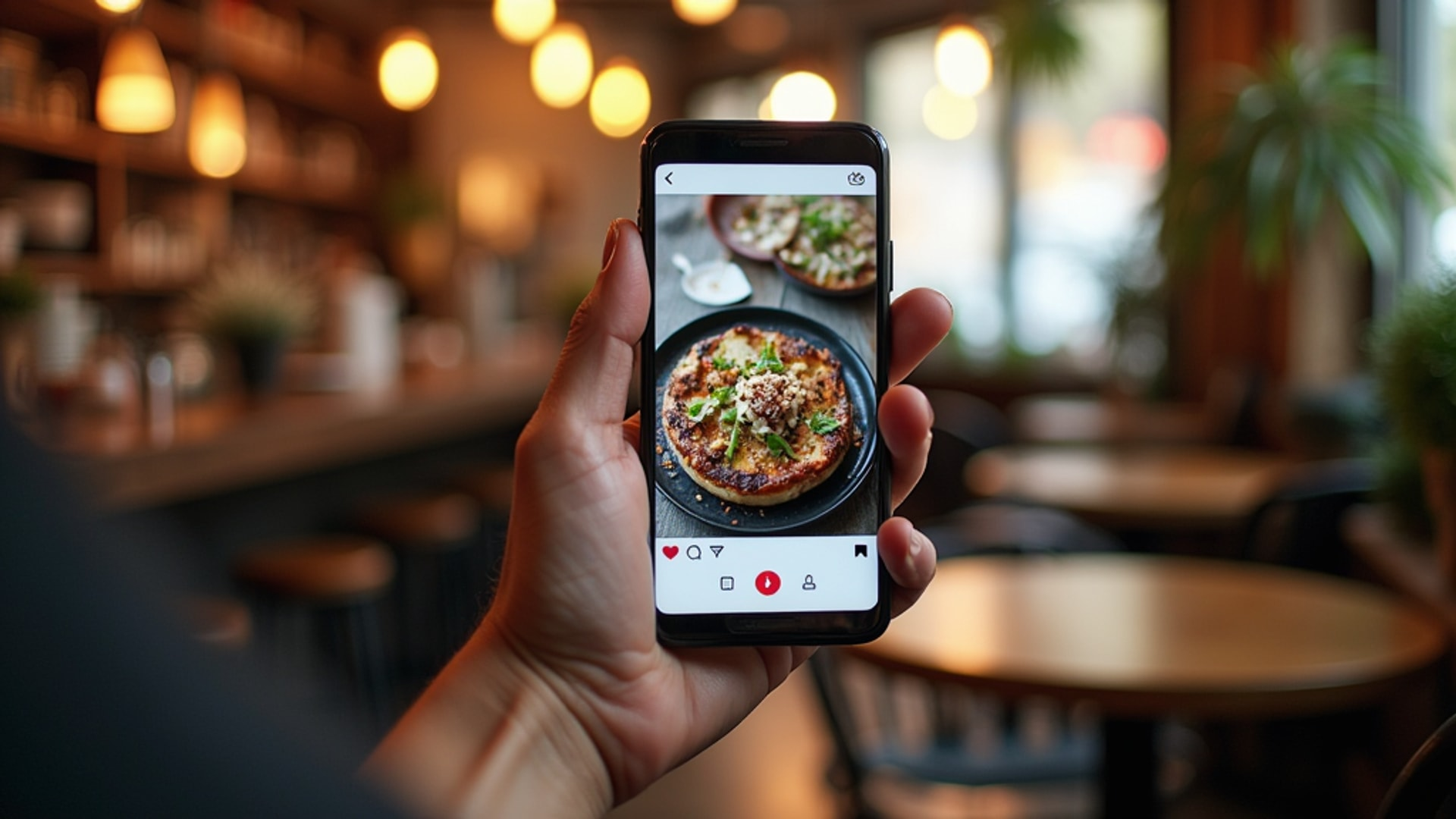
Food photography during menu testing creates anticipation without giving away the full menu. A close-up of a signature dish, a short video of a sauce being finished, an ingredient sourcing story — each piece gives the audience a concrete reason to be excited. Flowster notes that teasers and countdowns create curiosity without revealing everything, which keeps audiences engaged across multiple posts.
Staff introduction content
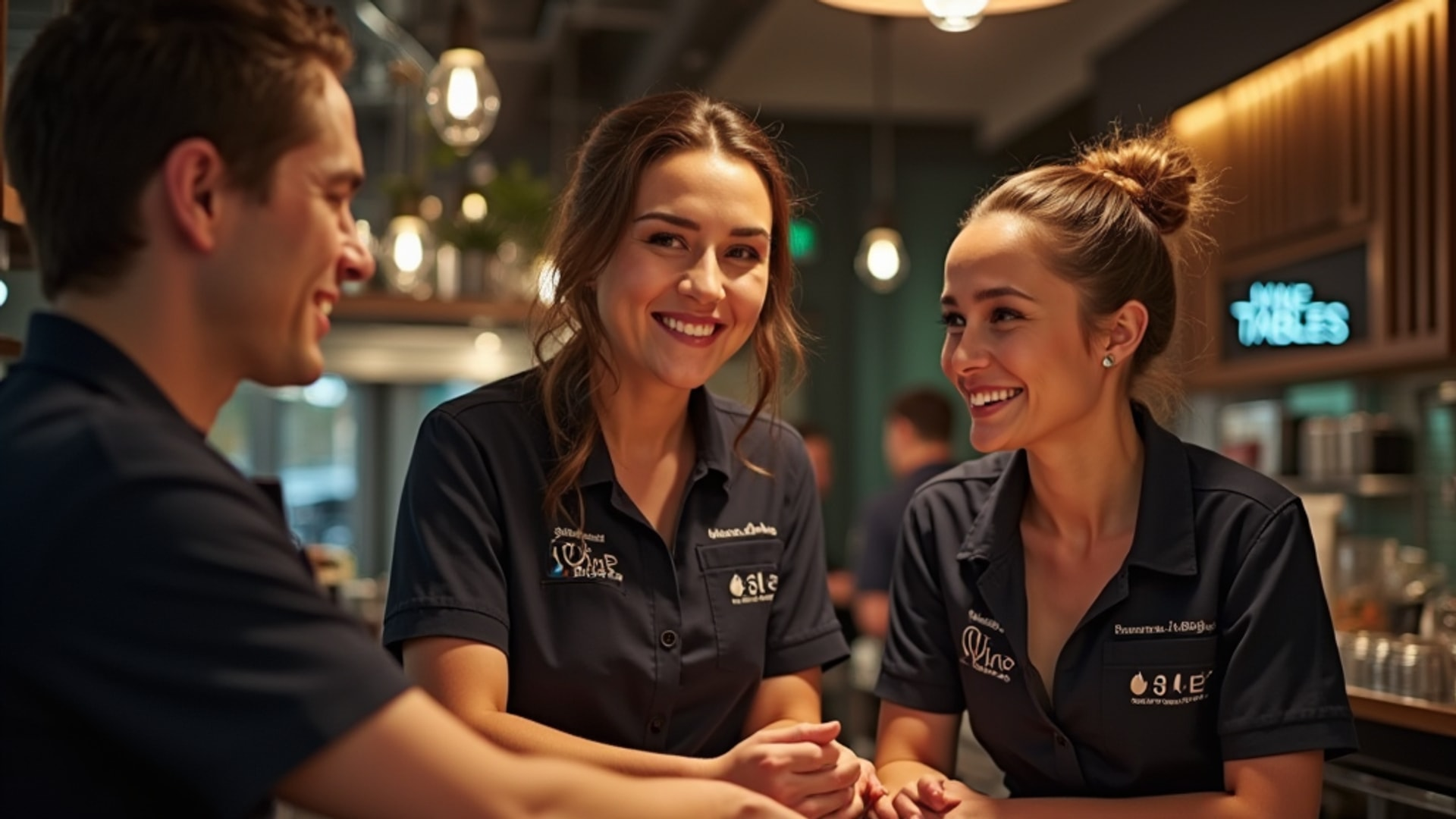
Introducing team members humanizes the restaurant. A 60-second video of the executive chef explaining their approach to a signature dish, a short profile of the general manager, a meet-the-team post — these give potential customers people to connect with before they walk in. Restaurants are fundamentally human businesses, and the audience relationship starts before opening day.
Email list building
Every piece of social content should drive toward email signup. An early access promise — “sign up to be first to know our opening date and receive a special offer” — converts social followers into email subscribers who you can reach directly. Flowster’s guide identifies email marketing as a channel the restaurant owns and controls, making it more durable than any social platform.
Phase 3: Influencer and Media Engagement (Four to Six Weeks Out)
Flowster recommends waiting until you are confident in food and service quality before inviting critics and reviewers — typically timed to the soft opening. This is not caution for its own sake. Early reviews reflect actual capabilities, and a rough soft opening covered by a food blogger or local journalist becomes permanent public record.
Identify the right influencers
Food influencers in your market range from accounts with hundreds of thousands of followers to micro-influencers with 5,000 to 20,000 engaged local followers. For a neighborhood restaurant, local micro-influencers are often more valuable than accounts with large but geographically dispersed audiences. A post reaching 8,000 followers who all live within five miles of your restaurant is worth more than one reaching 80,000 people who mostly live elsewhere.
The invitation package typically includes a meal for two, a preview of the menu, and optionally a small gift or experience. Be clear about your expectations: you are inviting them to experience and share, not to guarantee positive coverage. Authentic content from genuine experiences performs better than promotional posts anyway.
Press outreach
Local food publications, city lifestyle magazines, and restaurant review sections of local newspapers are worth direct outreach. Send a press release with the opening date, a concept summary, the chef’s background, and two or three high-quality food photographs. Follow up by phone or email. Timing the outreach three to four weeks before opening gives editors time to schedule coverage.
Flowster specifically recommends press preview events a few weeks before the grand opening to build goodwill with food critics. This is valuable not only for the coverage it generates but for the feedback, even when critics are not formally reviewing, they notice things that improve operational readiness.
Phase 4: Community Engagement (Ongoing, Accelerating Pre-Opening)
Flowster’s guide identifies local community outreach as one of the most effective but frequently overlooked pre-opening marketing tactics. Community engagement means physical presence in the neighborhood, not just digital activity.
Neighbor outreach
Personally deliver branded treats — a sample of a signature dish, a box of pastries with your card — to neighboring businesses. Introduce yourself to the office buildings, retail stores, hotels, and residential buildings within a three-block radius. This builds local goodwill and puts your name in front of people who are already in your trade area.
Hotel concierges are particularly valuable relationships. A concierge who recommends your restaurant to every guest is a recurring referral source that costs nothing to maintain beyond occasional goodwill gestures and a consistent product.
Neighboring restaurant relationships
Other restaurants in the neighborhood are not purely competitors. The dining destination effect — where clusters of restaurants drive more total foot traffic than isolated locations — means that cooperative relationships with nearby establishments can benefit everyone. Introduce yourself. Refer customers to each other for cuisine types neither of you serves. Support each other’s events on social media.
Community and charity partnerships
Cuboh’s grand opening ideas guide notes that charity partnerships serve dual purposes: they attract media attention and they broaden the restaurant’s appeal beyond pure food enthusiasts to socially conscious consumers. A pre-opening fundraiser for a local cause, a donation of catering for a community event, or a partnership with a neighborhood school or nonprofit creates goodwill that translates into loyal early customers.
Phase 5: Final Countdown (One to Two Weeks Out)
The week before opening, the campaign’s tempo increases. Announce the exact opening date and hours if you have not already. Send the email list an opening announcement with any special first-week offers. Post daily on social media. Activate any influencer partnerships you have arranged.
Flowster’s guide notes that the grand opening should capitalize on pre-opening momentum before public interest fades. The audience you have built over months will engage most actively in the week of the opening. That is your conversion moment — the time when social followers, email subscribers, and neighborhood awareness translate into people through the door.
What Not to Do
Two pre-opening marketing mistakes consistently undermine otherwise well-executed campaigns.
The first is announcing an opening date before you are certain of it. Construction delays, permit timing, and equipment delivery problems routinely push opening dates back. If you announce a date publicly and then miss it, the messaging damage is difficult to recover from. It is better to give approximate timing (“opening this spring”) until you have certainty.
The second is inviting reviewers before the restaurant is ready. Cuboh’s guide is unambiguous: press invitations to critics and reviewers should wait until food and service consistency is established. The permanent record created by an early negative review outweighs the short-term visibility of any press hit.
Build the audience before you open. Earn the review when you are ready to earn it.
→ Read more: Restaurant Grand Opening Marketing: The Complete Playbook
→ Read more: Restaurant Brand Identity: How to Build a Brand That Drives Loyalty and Revenue