· Marketing · 10 min read
Restaurant Brand Identity: How to Build a Brand That Drives Loyalty and Revenue
Consistent branding can increase revenue by 33%, and 90% of guests research restaurants online before dining. Here is how to build a brand identity that differentiates your restaurant, connects emotionally with guests, and drives lasting loyalty.
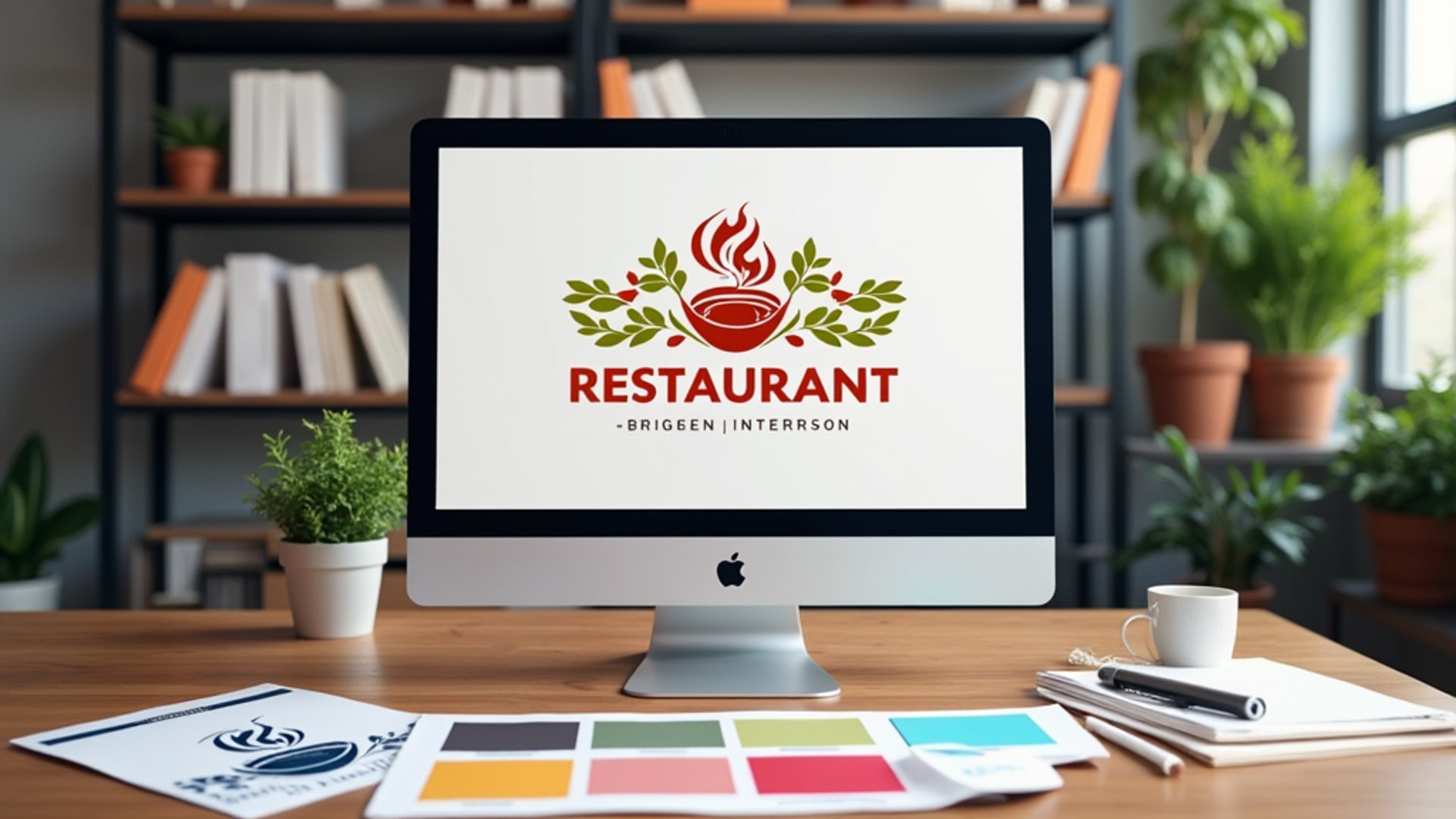
Your restaurant brand is not your logo. It is not your color scheme or your Instagram aesthetic. According to SevenRooms, brand identity is the sum of every interaction a customer has with your restaurant — from the website to the staff greeting to the menu design to the way the food is plated.
The business case for investing in brand identity is strong. According to SevenRooms, consistent branding can increase revenue by 33%. According to Crowdspring, 90% of guests research restaurants online before dining, and 57% visit the restaurant’s website specifically before visiting. Your brand determines what they find — and whether they decide to walk through your door.
This guide covers the complete brand building process: research, mission, differentiation, visual identity, storytelling, and the word-of-mouth amplification that turns a strong brand into a self-sustaining growth engine.
The Five-Step Brand Building Process
According to SevenRooms, building a restaurant brand follows a five-step framework. Each step builds on the one before it, and skipping steps leads to a brand that feels incomplete or inconsistent.
Step 1: Research Your Target Audience
According to SevenRooms, use customer data, dining preferences, and demographics to identify your ideal customer profile. Understanding who you serve shapes every branding decision that follows.
Questions to answer:
- Who are your best customers today? What do they have in common?
- What age range, income level, and lifestyle defines your core guest?
- Why do they choose your restaurant over competitors?
- What do they value most — convenience, quality, experience, price, atmosphere?
- Where do they discover new restaurants?
This research is not theoretical. Pull data from your POS system, review platforms, and social media analytics. Talk to your regulars. The more specific your customer profile, the more targeted and effective your brand will be.
Step 2: Craft Your Mission Statement
According to SevenRooms, your mission statement defines the restaurant’s purpose beyond serving food. It answers the question: why does this restaurant exist?
According to SevenRooms, Dishoom in the UK frames its mission around paying homage to Bombay’s Irani cafe culture, giving every decision a narrative anchor. When a restaurant knows why it exists, every other branding decision — from menu language to interior design to hiring criteria — becomes clearer.
Your mission statement should be:
- Specific enough to guide real decisions (not generic platitudes like “serving great food”)
- Authentic to your actual story and values
- Brief enough to communicate in one or two sentences
- Aspirational without being unreachable
Step 3: Define Your Unique Sales Proposition
According to SevenRooms, your unique sales proposition (USP) explains what differentiates you through products, pricing, location, or niche positioning. This must be something competitors cannot easily replicate.
Examples of strong restaurant USPs:
- A specific cooking technique that no one else in your market uses
- A sourcing relationship that gives you exclusive access to premium ingredients
- A cultural or historical narrative that only your restaurant can claim
- A format or experience that does not exist elsewhere in your area
If your differentiation can be copied in a weekend, it is not a USP. The goal is a competitive advantage rooted in your specific story, skills, or relationships.
Step 4: Create Branding Guidelines
According to SevenRooms, branding guidelines should cover both visual elements (logos, colors, fonts, interior design, uniforms) and written elements (brand voice, tone, values, slogans, employee scripts).
A comprehensive brand guidelines document ensures consistency as your team grows and as you expand into new channels. It should cover everything from how your logo should appear on delivery packaging to how servers should greet guests.
Step 5: Implement Consistently Across All Channels
According to SevenRooms, consistency is the key to brand building. Roll out branding uniformly across websites, menus, signage, social media, and every customer interaction.
According to Crowdspring, consistent visual branding across touchpoints builds trust and recognition. Inconsistent branding — a rustic logo on a sleek modern website, casual social media tone paired with formal menu language — undermines trust and confuses potential guests.
→ Read more: Developing Your Restaurant’s Brand Voice: Consistency Across Every Touchpoint
Visual Identity: The Elements That Anchor Your Brand
Your visual identity is what guests remember, recognize, and associate with your restaurant. According to Crowdspring, it encompasses every visual touchpoint.
Logo
According to Crowdspring, the logo is the cornerstone of visual branding. All aesthetic considerations — line weight, color, and form — must serve the brand’s personality and values.
Your logo will appear on your sign, your menus, your website, your social media, your packaging, your staff uniforms, your invoices, and your business cards. It needs to work at every size, in color and in black and white, on dark and light backgrounds.
Typography
According to Crowdspring, a minimum of two fonts is recommended: one for headlines and one for body copy. Tools like Canva make it easier to test font pairings before committing to a final selection. Font choices communicate personality:
- Serif fonts (like Times New Roman, Garamond) suggest tradition, sophistication, and permanence
- Sans-serif fonts (like Helvetica, Montserrat) suggest modernity, cleanness, and accessibility
- Script and display fonts can add personality for headlines but should never be used for body copy
Limit yourself to two or three fonts maximum. More than that creates visual clutter.
Color Palette
According to Crowdspring, colors carry psychological associations that should align with your concept:
| Color Family | Association | Best For |
|---|---|---|
| Jewel tones (sapphire, emerald) | Luxury, sophistication | Fine dining, upscale concepts |
| Warm tones (red, orange, yellow) | Energy, appetite, warmth | Casual dining, fast-casual, QSR |
| Earth tones (green, tan, brown) | Natural, organic, wholesome | Farm-to-table, health-focused |
| Cool tones (blue, light blue) | Calm, freshness, ocean | Seafood restaurants, cafes |
| Dark/muted tones | Sophistication, intimacy | Cocktail bars, speakeasies |
Choose a primary color, a secondary color, and one or two accent colors. Use them consistently across every branded material.
Physical Touchpoints: Where Brand Becomes Tangible
Signage
According to Crowdspring, signage creates the first physical impression a customer has. It must be legible, on-brand, and visible from a distance. Your exterior sign sets expectations before a guest walks in.
Menus
According to Crowdspring, menus serve as both branding tools and revenue drivers. Menu design, language, and format should reinforce your brand across all formats — in-restaurant, digital, and delivery platforms.
Interior Design
According to Crowdspring, furniture, lighting, and color palette must reflect the brand personality. The physical space is where the brand promise becomes tangible. A farm-to-table concept with plastic chairs and fluorescent lighting sends contradictory signals.
Staff Uniforms
According to Crowdspring, uniforms communicate the level of service and contribute to the atmosphere. A fine dining restaurant’s tailored service attire tells a different story than a taco shop’s branded t-shirts — and both can be exactly right for their concept.
→ Read more: Menu Psychology and Design: The Science of Getting Guests to Order What You Want
Brand Storytelling: The Emotional Connection
Visual identity creates recognition. Storytelling creates connection.
Why Storytelling Matters
According to QSR Automations, brand storytelling means using a narrative rather than a list of selling points to connect with customers. A compelling brand story answers the question more and more diners want answered: why does this restaurant exist?
According to QSR Automations, this is especially critical with younger consumers like millennials and Gen Z, who actively seek out brands with authentic values and compelling origin stories. When a guest feels connected to a restaurant’s story, they become more loyal, more forgiving of minor missteps, and far more likely to recommend it to others.
Authenticity Is Non-Negotiable
According to QSR Automations, authenticity is the non-negotiable foundation of storytelling. Customers detect manufactured stories instantly, and the backlash from inauthenticity is worse than having no story at all.
The best restaurant stories are rooted in genuine experiences:
- A chef’s family recipes passed down through generations
- A passion for sustainable sourcing and the relationships behind it
- A commitment to a specific culinary tradition
- The story of how the restaurant came to exist — the challenges, the breakthroughs, the people
Telling Your Story Across Touchpoints
According to QSR Automations, the narrative should be conveyed through everything a guest experiences: the physical space, the menu descriptions, the website, and social media. Every touchpoint is an opportunity to reinforce the narrative.
Specific channels for storytelling:
- The physical space — design elements, artwork, and ambiance that reflect your narrative
- Menu descriptions — language that connects dishes to their origin or inspiration
- Website about page — treat this as a storytelling asset, not an afterthought
- Social media — behind-the-scenes glimpses into kitchen operations, chef profiles, supplier relationships
- Server conversations — train staff to share elements of the story naturally during service
Building Your Narrative Framework
According to QSR Automations, start by identifying the core theme: what makes this restaurant different and why should anyone care? Build outward from there. The most effective narratives are simple enough to convey in a single sentence but rich enough to unfold across dozens of touchpoints over time.
→ Read more: Social Proof for Restaurants: Building the Trust That Fills Dining Rooms
Word-of-Mouth: The Most Powerful Brand Amplifier
No amount of paid advertising matches the power of a personal recommendation. Word-of-mouth is the natural output of a strong brand, and there are specific strategies to amplify it.
Quality Is the Foundation
According to Restroworks, the most reliable way to generate organic buzz is delivering consistently excellent food and service. Customers do not recommend restaurants because of clever marketing — they recommend them because the product and experience met or exceeded their expectations.
Create Shareable Moments
According to Restroworks, food that is not only delicious but also beautifully presented compels diners to photograph and share their experience. Restaurants can encourage sharing by offering small incentives — such as a discount for customers who upload photos and tag the business account.
Host Events and Experiences
According to Restroworks, hosting events like themed dinner nights, concerts, and prix-fixe date nights provides reasons for customers to visit beyond a regular meal. These experiences give guests compelling stories to share with friends and family.
Invest in Your Community
According to Restroworks, investing in the local community — sponsoring events, partnering with local organizations, participating in charity drives, and sourcing from nearby suppliers — strengthens connections and generates authentic word-of-mouth that feels natural rather than promotional.
Manage Your Online Reputation
According to Restroworks, review platforms like Yelp and Google Business Profile deliver significant traffic. Most customers use these platforms to evaluate restaurants before visiting. Actively managing reviews — responding to both positive and negative feedback — demonstrates engagement and builds trust.
→ Read more: Restaurant Rebranding: How to Refresh Your Identity Without Losing What Made You Great
Real-World Brand Identity Examples
According to SevenRooms, these restaurants demonstrate how distinctive branding creates competitive advantage:
Vandal (Sydney) built an edgy, rebellious brand identity for plant-based Mexican food using graffiti-style branding. Every element — from the name to the visual language to the menu descriptions — reinforces an anti-establishment attitude that resonates with its target audience.
Dishoom (UK) created an authentic Bombay cafe experience with a deep, specific cultural narrative. Their themed merchandise extends the brand well beyond the restaurant itself, turning customers into brand ambassadors.
Maple and Ash (Arizona/Chicago) emphasizes opulence in every touchpoint to reinforce its luxury steakhouse positioning. From the interior design to the service style to the menu language, every element communicates premium quality.
Each demonstrates that a distinctive, consistent brand identity creates competitive advantage that menu items alone cannot replicate.
Brand Identity Checklist
- Target audience researched and ideal customer profile defined
- Mission statement crafted (specific, authentic, brief)
- Unique sales proposition identified (something competitors cannot easily copy)
- Logo designed and tested across all sizes and backgrounds
- Typography selected (2-3 fonts maximum)
- Color palette defined with primary, secondary, and accent colors
- Branding guidelines document created (visual and written elements)
- Interior design aligned with brand personality
- Staff uniforms designed to reflect brand values
- Menu design consistent with overall brand identity
- Website and social media visually consistent with physical branding
- Brand story identified and documented
- Staff trained to communicate brand story naturally
- Review management process established
- Community engagement strategy defined
The Bottom Line
According to SevenRooms, consistent branding can increase revenue by 33%. According to SevenRooms, 52% of consumers recommend restaurants they are most loyal to. That loyalty does not come from discounts or promotions — it comes from a brand that resonates emotionally with guests.
Start with your story. Define why your restaurant exists and who it exists for. Build your visual identity to express that story consistently across every touchpoint. Train your team to live the brand in every interaction. And then let the quality of your product and the authenticity of your narrative do what no advertising budget can — turn satisfied guests into passionate advocates.
The restaurants that last are not just the ones with the best food. They are the ones with brands strong enough to be remembered, recommended, and returned to.