· Operations · 9 min read
Creating Restaurant Ambiance: The Operational Side of Guest Experience
Ambiance is not decoration — it is an operational system that directly influences guest spending, satisfaction, and return rates.
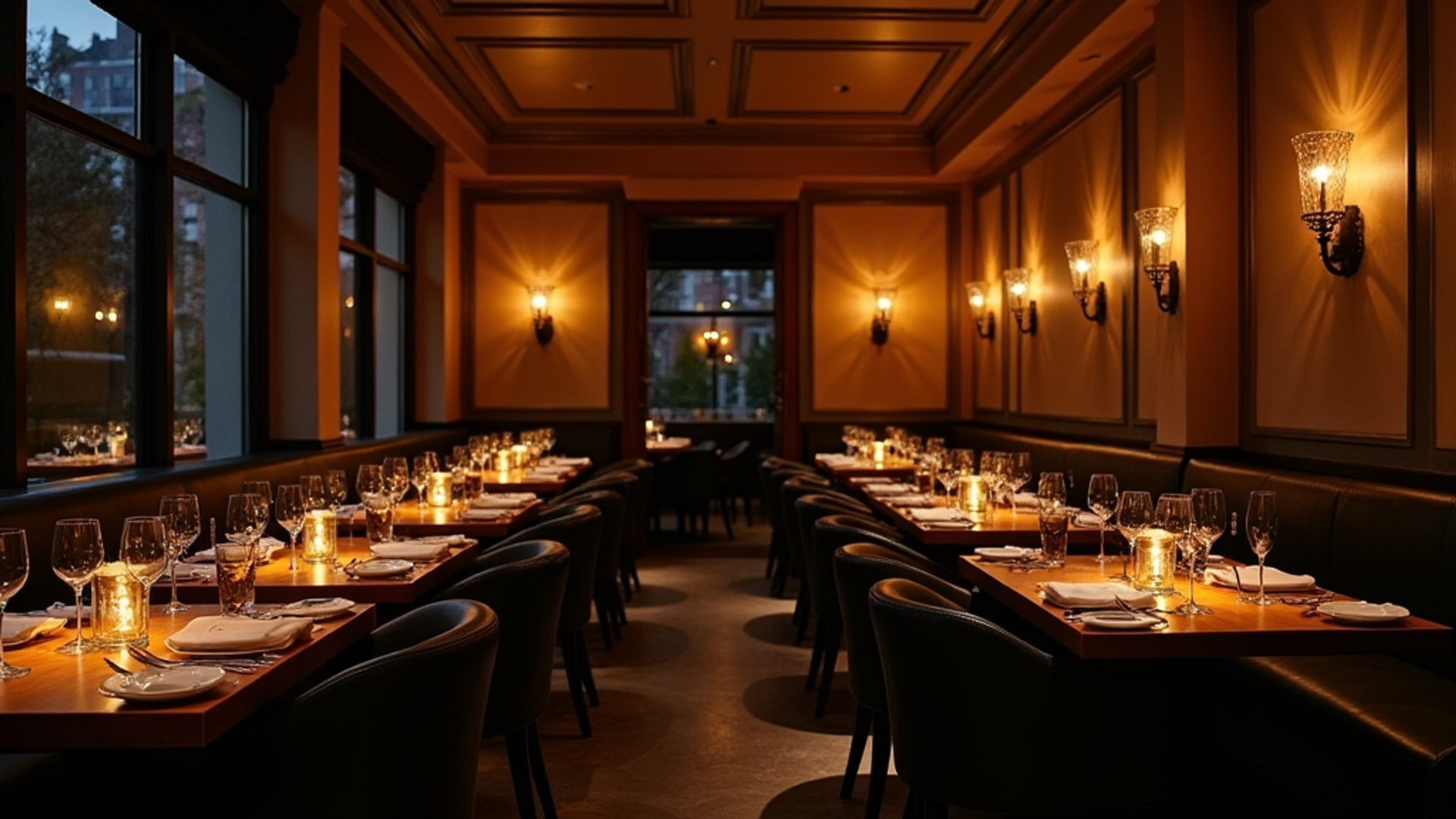
Most operators think about ambiance once — when they design and build the space. Then they move on to running the restaurant, and the atmosphere becomes background noise: something that either works or does not, managed by whoever adjusts the thermostat and chooses the playlist.
This is a missed opportunity. Ambiance is not a fixed property of the space. It is a set of operational variables — lighting levels, music selection and volume, temperature, noise management, table arrangement — that can and should be actively managed as part of daily operations. Get them right and they directly improve revenue, guest satisfaction, and return rates. Let them drift and they create friction that undermines the food and service your team works so hard to deliver.
According to Toast’s research on restaurant ambiance, 89% of diners consider overall dining experience including ambiance crucial when choosing a restaurant. This is not a marginal factor. It is a primary decision driver, and it means the gap between good ambiance and poor ambiance translates directly into guest acquisition and retention.
The Full Sensory Environment
Restaurant ambiance is the total sensory experience a guest has from the moment they enter until the moment they leave. This includes the obvious elements — what guests see and hear — but extends further than most operators actively manage.
Visual. Lighting levels and quality, decor style and condition, color palette, cleanliness of surfaces and linens, uniform appearance of staff, presentation of food.
Auditory. Music selection, volume, and tempo; background noise from kitchen activity, HVAC systems, and other guests; acoustic treatment of hard surfaces.
Tactile. Chair and banquette comfort, table surface quality, ambient temperature.
Olfactory. The aroma of food being prepared and served, the absence of off-putting smells (old grease, cleaning chemicals, trash), the freshness of the air.
Toast’s research notes that the most effective ambiance designs are intentional and internally consistent — every element reinforces the same concept and creates a coherent sensory experience that guests perceive as authentic. When elements contradict each other (romantic lighting paired with aggressive hip-hop at high volume, or elegant decor in a space that smells of inadequate ventilation), the incoherence registers as a vague dissatisfaction that guests often cannot articulate but reliably feel.
Music: The Highest-Leverage Variable
Of all the atmospheric elements, music offers the most flexibility and the most measurable impact on guest behavior. It can be adjusted in real time, costs relatively little to manage thoughtfully, and directly influences how long guests stay, how much they order, and how they perceive the overall experience.
Toast’s research documents a striking outcome: music matching brand identity boosted restaurant sales by more than 9%, with dessert sales specifically jumping 15%. These are significant revenue effects from an element that many operators treat as background noise.
The key variables in music management are:
Tempo. Faster music encourages quicker dining and higher table turnover — appropriate for lunch service or quick-casual concepts where throughput is the goal. Slower tempo promotes lingering, additional ordering, and dessert consideration — appropriate for dinner service where the revenue opportunity lies in extending the meal experience.
Volume. Toast specifies that casual dining ambient noise should sit between 70-75 decibels, while fine dining requires lower noise levels of 55-65 decibels to support intimate conversation. These are not arbitrary numbers — they reflect the communication requirements of different dining experiences. Guests cannot have a conversation they are shouting over, and they will leave sooner when conversation becomes effortful.
Genre and identity. The musical style must align with the restaurant’s concept and speak to its target audience. A curated playlist that matches the brand feels intentional and professional. A random shuffle that moves from jazz to death metal to country reflects an operation that is not paying attention to the guest experience.
Operationally, this means building service-period playlists (lunch, weekday dinner, weekend brunch, late night) rather than running a single undifferentiated queue. It means monitoring volume levels during service — not just setting them at opening and forgetting them — because the acoustic character of a full dining room is very different from an empty one. The crowd absorbs sound; the same volume that felt appropriate when the first guests arrived may feel subdued when the room is full.
Lighting: Setting the Visual Tone
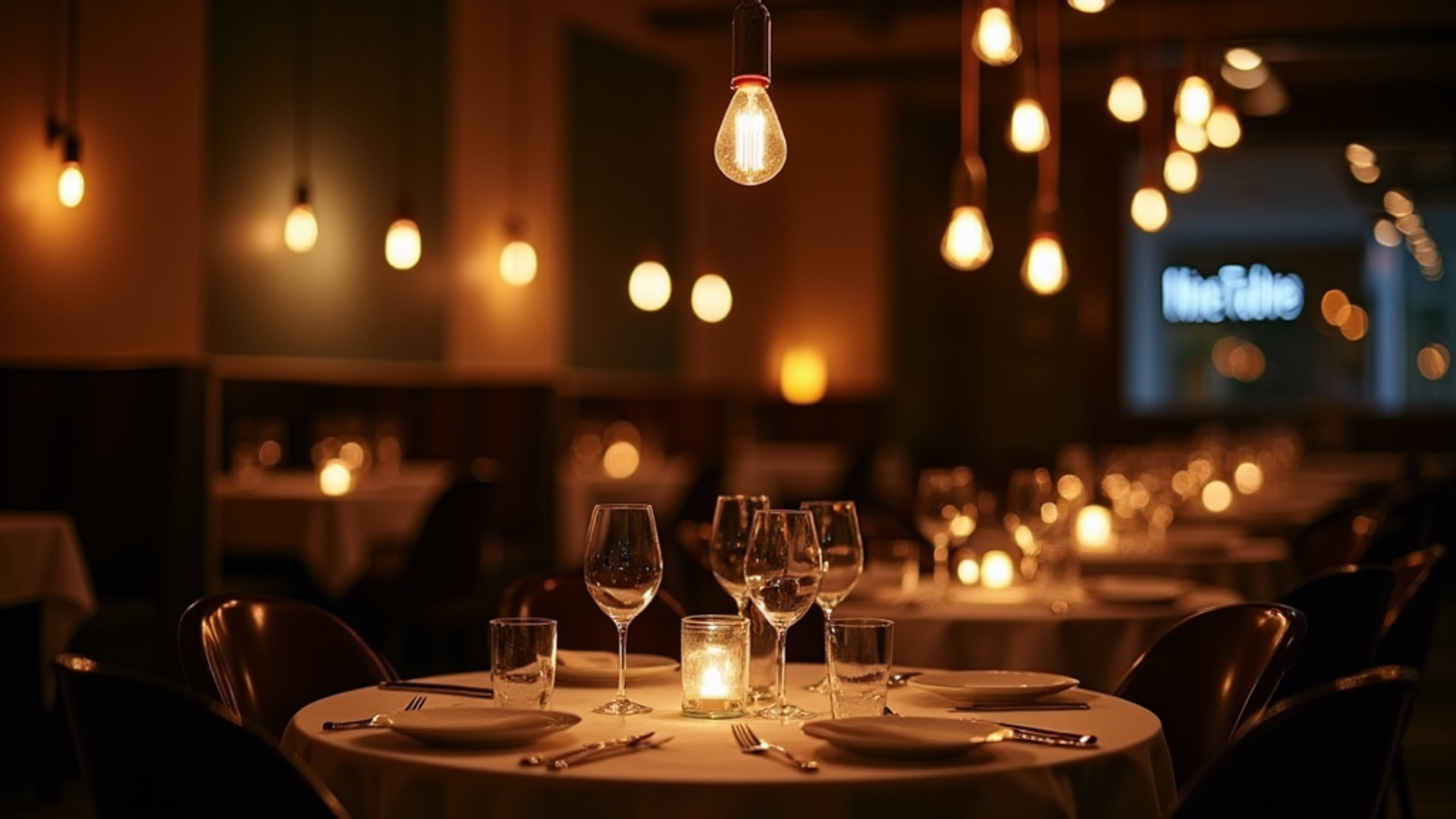
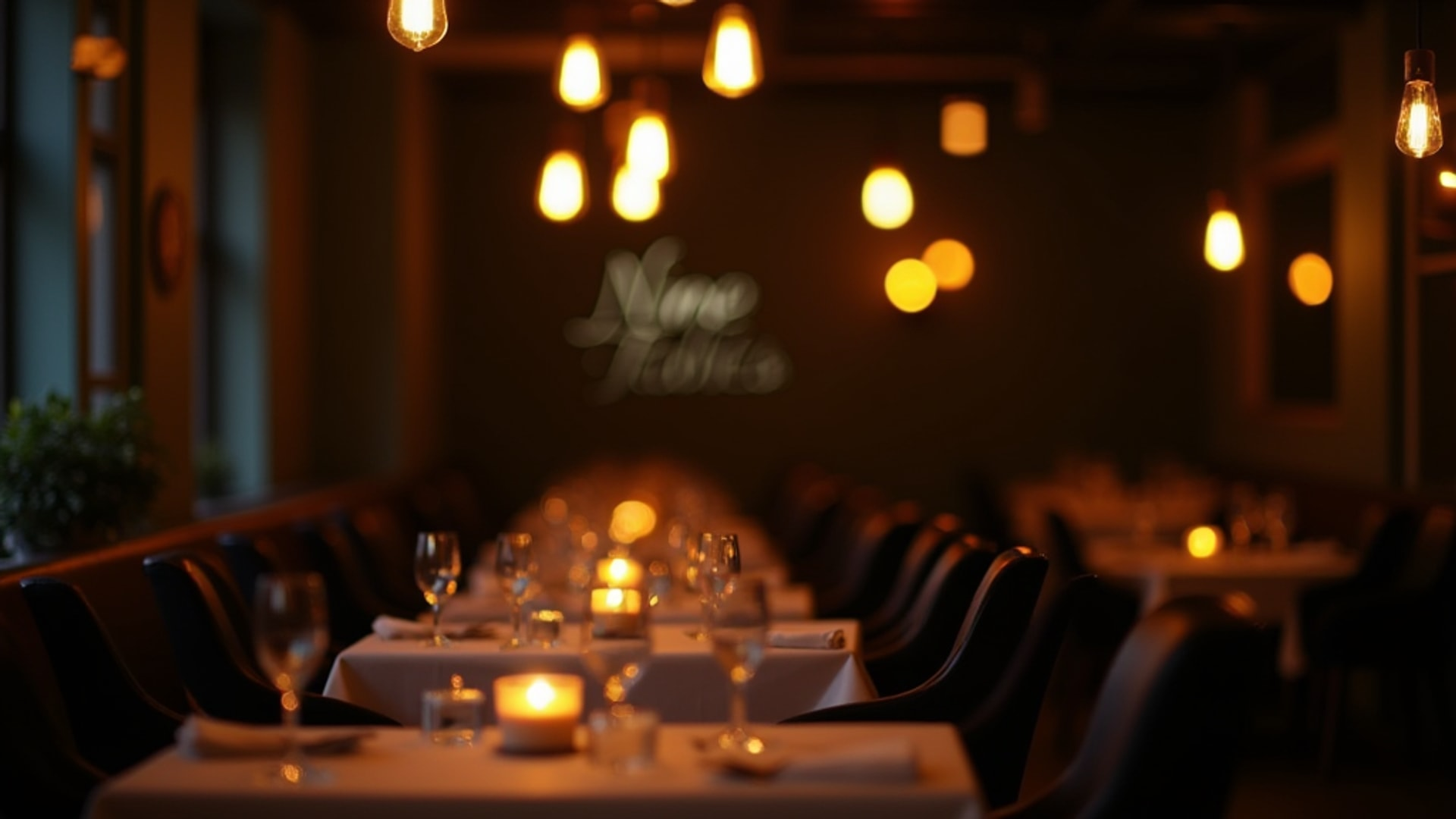
Lighting design creates the visual mood that frames every element of the dining experience, including the food on the plate. Warm, dim lighting creates intimacy and signals to guests that they can relax and take their time. Brighter, more energetic lighting suits casual and quick-service environments where a lively, accessible atmosphere serves the concept better than an intimate one.
The specific correlation matters: soft, warm light in fine dining flatters faces, creates visual warmth, and extends the perceived luxury of the experience. Bright, neutral light in fast-casual operations makes food look fresh and appetizing while creating an efficient, unpretentious atmosphere. Neither approach is universally better — the question is alignment with concept and guest expectation. For a deeper look at how lighting shapes the full room experience, see Restaurant Lighting and Ambiance: A Practical Design Guide.
Natural light is broadly valued but requires management. Glare from direct sunlight makes dining uncomfortable and can make screens and menus difficult to read. Window treatments that diffuse rather than block natural light capture the warmth and freshness of natural daylight while managing its harsher effects. Track the position of direct sunlight through your windows across different times of day and season and build appropriate window management into your opening procedures.
Toast’s research highlights color psychology as an additional dimension of lighting and decor management. Warm colors — red and orange — stimulate appetite and energy, encouraging larger orders and quicker turnover. Cooler tones like blue and green promote relaxation and longer stays. These documented behavioral effects are subtle, but they work in aggregate across every guest who experiences them.
Acoustic Management: Beyond Music
The acoustic character of a space is determined by more than the music playing in it. Background noise from kitchen activity, HVAC systems, guest conversations at other tables, and hard reflective surfaces all contribute to the ambient sound level guests experience.
High ambient noise is one of the most common and most underaddressed guest complaints in restaurants. A space that produces constant noise above a comfortable conversational threshold forces guests to speak louder, which raises the overall noise level further — a positive feedback loop that can make a restaurant genuinely unpleasant to occupy, regardless of the quality of the food and service.
Acoustic treatment is a design consideration, but it is not purely a one-time architectural decision. Operational choices significantly affect acoustics:
- Soft furnishings (upholstered chairs, banquettes, curtains, rugs) absorb sound; hard surfaces (concrete floors, bare walls, glass) reflect it. The balance between these affects the room’s acoustic character.
- Table spacing affects conversational privacy. Tables placed too closely together mix conversations in ways that feel invasive to guests.
- Acoustic panels on walls and ceilings can be added to existing spaces — vendors like Acoustical Solutions offer restaurant-specific treatments — with acoustic challenges without full renovation.
Temperature and Physical Comfort
Temperature complaints are among the most immediately impactful atmospheric issues because thermal discomfort is impossible to tune out. A guest who is cold or uncomfortably warm has a difficult time being fully present in the dining experience regardless of what else is happening.
Maintain dining room temperature in a range that is genuinely comfortable for guests seated for extended periods — typically between 68-72 degrees Fahrenheit for most concepts. Note that guests’ temperature perception changes during the meal; early in the experience when they first sit down, they may be slightly warmer from travel or activity. After an hour of sitting still, the same room temperature feels cooler.
Train front-of-house staff to notice thermal discomfort signals and respond proactively. A guest who is cold will not always ask for the heat to be turned up — they will simply have a less comfortable experience and leave faster.
The Evidence for Taking Ambiance Seriously
A peer-reviewed study published in the International Journal of Environmental Research and Public Health, drawing on surveys of 464 participants analyzed using the Kano model, identified the factors that most actively drive customer satisfaction versus those that merely prevent dissatisfaction.
The study’s findings have direct operational implications. The factors that most actively build satisfaction — the menu quality, the taste of food, and special events and experiences — sit in a different category from the hygiene and atmosphere factors that prevent dissatisfaction. Clean tableware had the highest dissatisfaction coefficient of any measured variable (-0.886). Clean tables were close behind (-0.847). Staff hygiene registered at -0.767.
The practical implication: cleanliness and basic atmospheric maintenance are the floor, not the ceiling. They prevent dissatisfaction but do not by themselves create the satisfaction that drives loyalty and return visits. Operators who maintain only the baseline have not created a satisfying experience — they have merely avoided creating an actively unsatisfying one.
→ Read more: Restaurant Cleaning and Sanitation Schedules: Daily, Weekly, and Monthly Checklists
Practical Daily Management
Managing ambiance is an operational discipline, not a one-time design decision. Build it into your daily procedures:
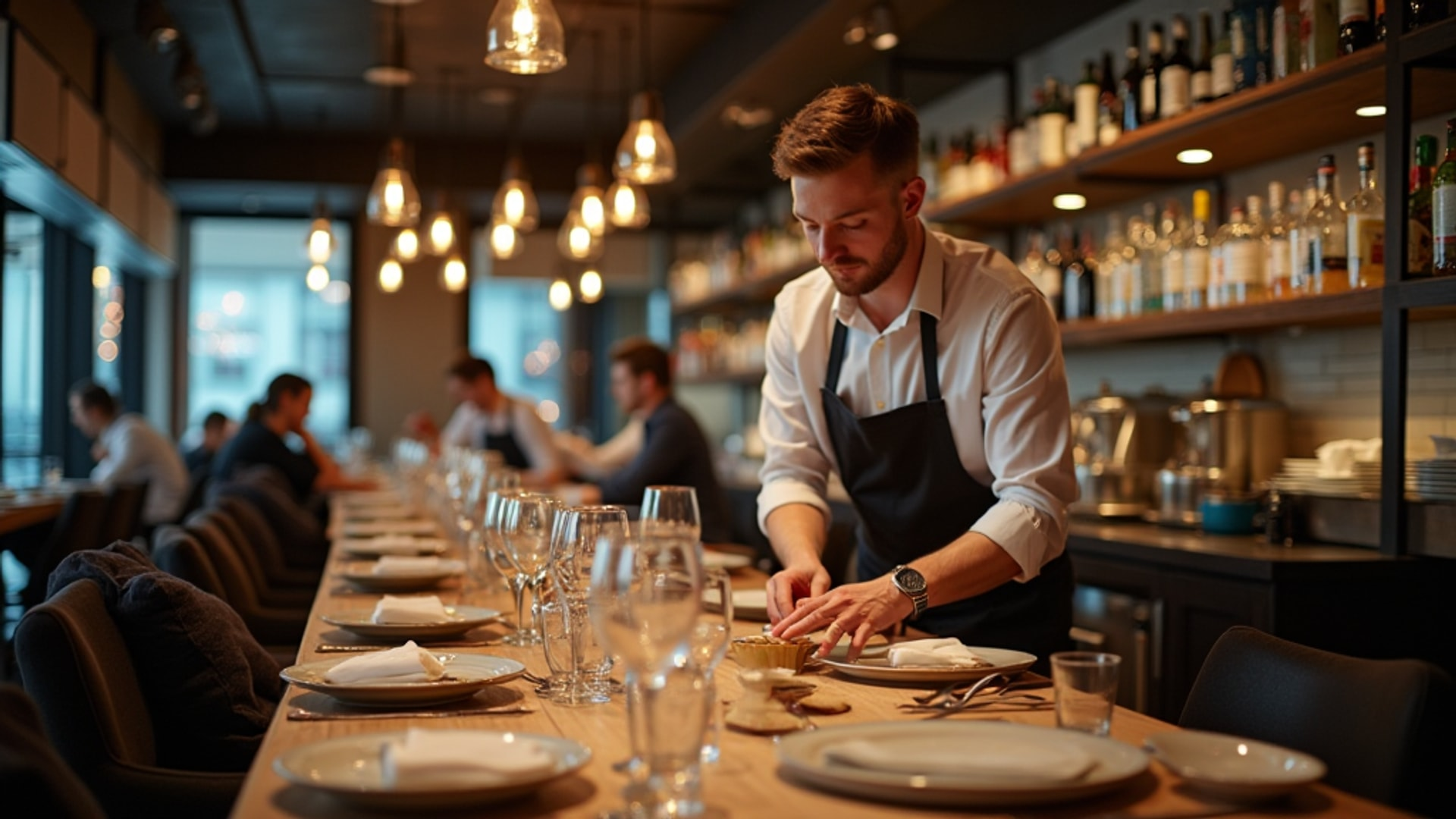
Opening checklist. Lighting levels set correctly for service type. Music queue loaded and volume verified at opening and adjusted when the room fills. Temperature verified and HVAC set appropriately. All visual elements inspected — table settings, candles if applicable, cleanliness of every surface a guest will see or touch. These items integrate naturally into your restaurant opening and morning prep routine.
Mid-service checks. Music volume adjusted for ambient room noise as occupancy changes. Temperature monitored and adjusted. Any cleanliness or presentation issues addressed immediately rather than carried.
Post-service review. Log any atmospheric issues that arose during service. Equipment problems (lighting failures, HVAC malfunctions) documented and assigned for follow-up. Feedback from staff about guest comments on atmosphere captured and reviewed.
A restaurant where the ambiance consistently reinforces the concept, feels intentional in every element, and creates genuine comfort for guests has a significant competitive advantage. Most guests cannot articulate exactly why they prefer one restaurant over another when the food and price are comparable. More often than they realize, the answer is how the space made them feel. That feeling is a manageable operational output, not an accident of good luck.
→ Read more: Restaurant Design Psychology: How Space, Light, and Color Drive Customer Behavior → Read more: Customer Service Excellence: How to Train Your Team to Keep Guests Coming Back → Read more: Restaurant Acoustics: Managing Noise for a Better Dining Experience