· Design & Ambiance · 13 min read
Outdoor Dining and Patio Design: Turning Open Air into Year-Round Revenue
Outdoor dining now drives over 40% of daily sales for more than a third of restaurant operators. This guide covers lighting, furniture, weather protection, greenery, layout, permits, and the design decisions that turn a patio from an afterthought into a profit center.
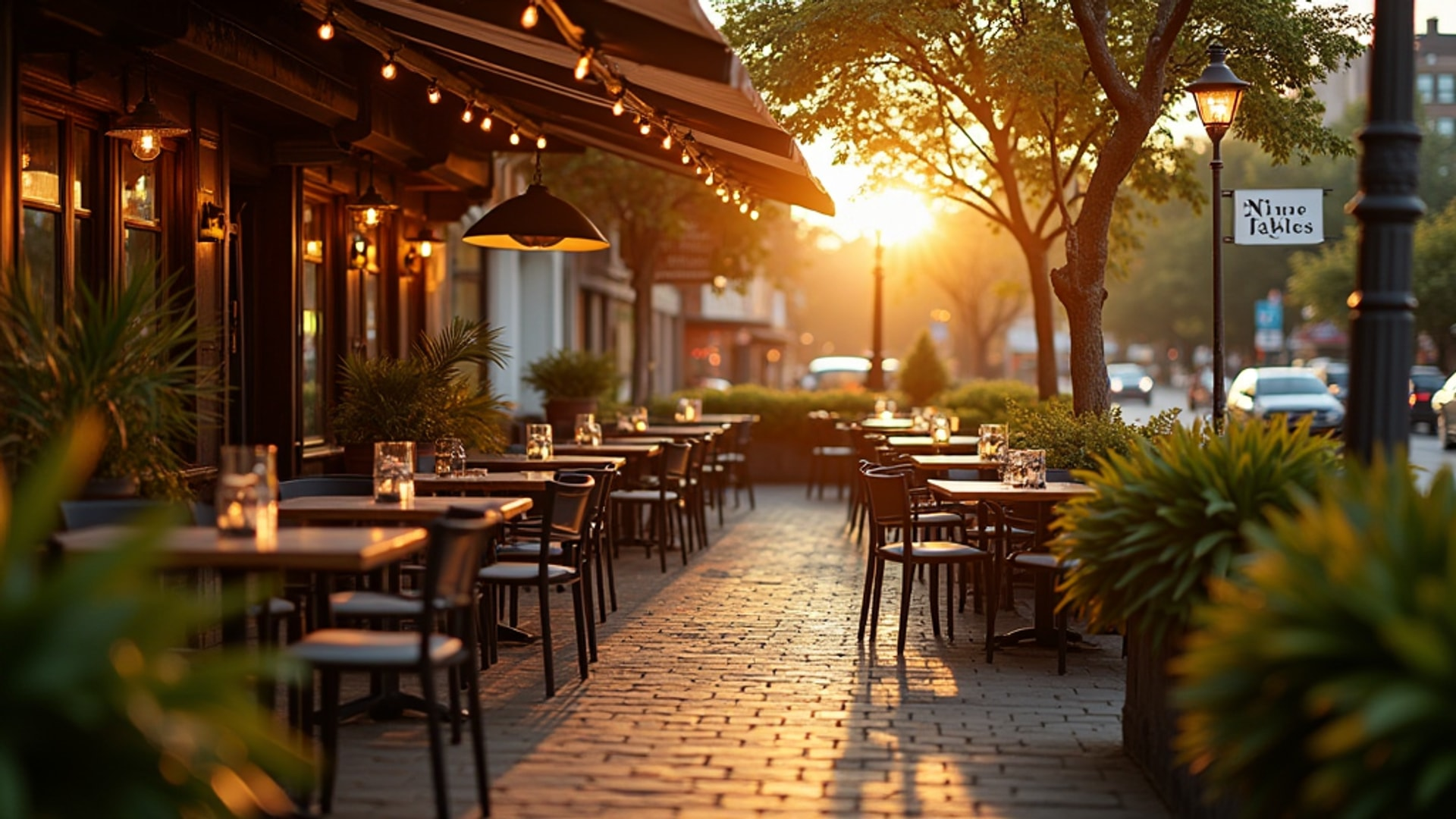
A patio is not a bonus feature. For a growing number of restaurants, it is the main event.
According to the National Restaurant Association, 35 percent of restaurant operators report that outdoor seating accounts for more than 40 percent of their daily sales, with 15 percent reporting over 70 percent of total revenue from patios. Those numbers shift outdoor dining from a seasonal amenity into a strategic investment that deserves the same planning rigor as the main dining room.
According to YouTube analysis of indoor-outdoor restaurant design, outdoor dining extends capacity by 20 to 40 percent during suitable weather. But capturing that capacity requires deliberate design across lighting, furniture, weather protection, greenery, layout, and permits. Get the design wrong, and your patio becomes an expensive source of complaints. Get it right, and it becomes the most photographed, most talked about, and most profitable section of your restaurant.
Lighting: The Difference Between Revenue and Darkness
Without effective evening lighting, patio revenue drops to zero after sunset during much of the year. That makes lighting the single highest-impact investment in outdoor dining design.
According to TouchBistro’s patio design research, string lights create an enchanting canopy effect that transforms outdoor spaces after dark. They are inexpensive to purchase and energy-efficient to operate. Warm incandescent-style lighting produces a private backyard atmosphere that encourages guests to linger and order another round.
A Layered Approach
Effective patio lighting works in layers, just like indoor restaurant lighting:
- Canopy lighting — String lights or permanent overhead fixtures provide the ambient base layer. Warm tones in the 2700K to 3000K range create the most inviting atmosphere, according to Home Lighter Inc’s restaurant lighting research.
- Table-level lighting — Candles, lanterns, or small battery-powered fixtures add intimacy and make menus readable without overhead glare.
- Path and safety lighting — Adequate illumination along walkways, steps, stairs, and entrance areas prevents accidents and liability. This is functional, not decorative, and it cannot be skipped.
- Accent lighting — Uplighting on trees, plantings, or architectural features adds visual depth and makes the patio feel designed rather than improvised.
According to YouTube analysis of outdoor dining design, outdoor spaces need lighting design as carefully considered as indoor spaces. String lights, path lighting, and table candles together create the evening atmosphere that keeps tables turning after dark.
Furniture: Durability First, Style Second
Indoor furniture logic does not apply outdoors. A beautiful hardwood chair that works perfectly in your dining room will crack, warp, and fade after two seasons on a patio. Outdoor furniture must survive sun, rain, wind, and temperature swings while still reinforcing your concept.
Material Selection
According to TouchBistro’s patio design research, furniture choices should reflect the restaurant concept while prioritizing durability:
- Wrought iron and ornate stone suit traditional or Mediterranean-style patios and handle weather well, though iron requires rust prevention.
- Metal chairs and minimalist frames fit urban settings and are easy to clean. Aluminum resists rust better than steel.
- Wicker is lightweight, durable, and easy to maintain, making it a versatile choice for many concepts.
- Wood complements natural settings but requires regular treatment with sealants and UV-resistant finishes. Without maintenance, wood furniture deteriorates within two to three seasons.
According to The Restaurant Warehouse’s furniture guide, weather-resistant materials are non-negotiable for outdoor furniture. UV resistance prevents fading, water resistance prevents rot, and adequate weight prevents wind displacement during normal conditions. The cheapest outdoor furniture options generate replacement costs that exceed the initial savings within two to three seasons.
Seating Configurations
The arrangement matters as much as the material. According to TouchBistro, bench seating and communal tables accommodate large groups in casual settings, while clustered intimate arrangements using planters and dividers create privacy for smaller parties.
Consider offering a mix:
- Two-tops for couples and solo diners along railings or edges
- Four-tops in the main patio area for the most common party size
- Communal tables for large groups, walk-ins, and a social atmosphere
- Lounge seating near the bar or entrance for pre-dinner drinks and waiting guests
Weather Protection: Extending the Revenue Season
An unprotected patio is a fair-weather business. Every weather protection element you add extends the patio’s operational season and directly expands your revenue window.
Sun Protection
Umbrellas provide the simplest shade solution for daytime service. They are relatively inexpensive, easy to deploy, and visually familiar to guests. For a more permanent solution, retractable awnings or pergolas provide consistent shade without the maintenance of repositioning umbrellas throughout the day.
Rain Protection
Retractable awnings or permanent roof structures protect against rain while preserving the outdoor feel. According to TouchBistro, these structures let you keep serving during light rain rather than evacuating the patio and losing a full section of revenue.
Cold Weather Extension
Patio heaters are the most common tool for extending the season into cooler months. Radiant heaters mounted overhead or freestanding propane units can raise the perceived temperature by 10 to 25 degrees in the immediate dining area. According to TouchBistro, offering blankets as table accessories adds warmth and encourages guests to linger rather than retreating indoors.
According to YouTube analysis of outdoor dining challenges, wind, noise from the street, and temperature fluctuations are the three biggest challenges of outdoor dining. Wind screens or barriers prevent gusts from disrupting the experience, blowing napkins off tables, and chilling guests.
The Seasonal Math
Calculate the revenue impact of each weather protection investment. If patio heaters extend your outdoor season by six weeks and you serve 40 additional covers per night at an average check of $45, that is $12,600 per week — more than enough to justify the equipment cost within the first season.
Greenery and Landscaping: Natural Enclosure
Plants are not decoration. On a patio, they serve at least four practical functions consistent with biophilic design principles: visual appeal, privacy screening, noise dampening, and space definition.
According to TouchBistro’s patio design research, hanging ferns, climbing vines, bold planters, and small trees create natural enclosures that provide both aesthetics and practical privacy from street traffic and neighboring tables. Vertical gardens maximize green coverage in small footprints, which is especially valuable for urban patios with limited floor space.
Practical Plant Strategy
- Boundary plantings — Large planters or hedge rows along the patio perimeter define the space and screen street activity without requiring permanent construction.
- Overhead greenery — Climbing vines on pergolas or trellises create a natural canopy that filters sunlight and adds a sense of enclosure.
- Table-level accents — Small potted herbs or succulents on tables reinforce a fresh, natural concept and can even supply the kitchen.
- Sound dampening — According to TouchBistro, large-scale plantings serve as natural sound dampeners, reducing the noise that hard surfaces amplify in outdoor settings. This is particularly valuable on urban patios where traffic noise is a constant challenge.
Choose plants suited to your climate zone and maintenance capacity. A patio full of dead or struggling plants is worse than no plants at all.
Layout: Service Flow Meets Street Visibility
Patio layout must solve two problems simultaneously: smooth service for your team and visibility from the street for potential guests.
Service Flow
According to TouchBistro, design the patio layout with smooth server navigation between outdoor seating and the kitchen. Extended distance between kitchen and patio tables slows service and increases the risk of food arriving at incorrect temperatures. The shorter the path from kitchen to the furthest patio table, the better the food quality and the faster the service.
Key layout principles:
- Server path — A clear corridor from the kitchen door to the patio that does not require weaving through occupied tables.
- Bus station — A discreet clearing point on or near the patio for used dishes and drink prep, reducing the number of trips back to the kitchen.
- POS access — A terminal near the patio or handheld devices so servers do not have to walk inside to enter orders.
Street Visibility
According to TouchBistro, make the patio visible from the street because outdoor dining serves as a form of free advertising that attracts passersby. Occupied tables with happy diners are the best marketing a restaurant can have. Do not hide the patio behind solid walls or dense screening. Use transparent railings, low planters, or open boundaries that let pedestrians see the energy of the space.
Accessibility
According to TouchBistro, all outdoor dining areas must meet ADA accessibility requirements, including level access and adequate clearance between tables for wheelchair users. This means ramp access to any elevated patio, 36-inch minimum aisle widths, and accessible table options with knee clearance of at least 27 inches.
Permits and Regulations: Start Here, Not Last
Before you order a single piece of furniture or plant a single vine, research your local regulations. Starting construction before securing all necessary permits risks costly forced redesigns.
According to TouchBistro, local zoning laws, particularly for sidewalk dining, vary significantly by municipality. Many jurisdictions have relaxed outdoor dining restrictions in recent years, particularly following pandemic-era expansions, but permit requirements, noise ordinances, and fire safety regulations remain in force.
What to Research
- Zoning permits — Does your location allow outdoor dining? Are there restrictions on hours, capacity, or alcohol service?
- Sidewalk dining — If you are expanding onto public sidewalks, what are the clearance requirements for pedestrian passage? Most jurisdictions require a minimum of 5 to 6 feet of clear sidewalk.
- Noise ordinances — What are the limits on music, conversation noise, and operating hours? Violations can result in permit revocation.
- Fire safety — Are there restrictions on heaters, fire pits, or candles? What clearances are required from buildings and overhangs?
- Liquor license extensions — Does your existing license cover outdoor service, or do you need a separate patio permit?
- Health department — Are there additional requirements for outdoor food service, such as protection from pests or environmental contamination?
Factor permit costs, compliance timelines, and potential modification requirements into the project budget from the outset.
The Indoor-Outdoor Transition
According to YouTube analysis of seamless indoor-outdoor restaurant design, the most successful outdoor dining designs create a seamless transition between inside and out. Consistent design language, similar table settings, and large-opening glass doors that blur the boundary when weather permits create a unified experience.
The transition zone matters:
- Doors — Bi-fold or sliding glass doors that open fully create the best connection. Standard hinged doors with closers create a barrier that makes the patio feel separate.
- Flooring — Similar or complementary flooring materials on both sides of the threshold reduce the sense of leaving one space and entering another.
- Design continuity — The patio should feel like an extension of the dining room, not a different restaurant. Use the same color palette, similar lighting warmth, and consistent table settings.
Noise Management: The Invisible Design Challenge
According to YouTube analysis of outdoor dining challenges, noise from the street is one of the three biggest challenges of outdoor dining. Unlike indoor spaces where you control the acoustic environment, patios compete with traffic, construction, neighboring businesses, and the general ambient noise of being outside.
Strategies for Noise Reduction
- Plantings as sound barriers — According to TouchBistro, large-scale greenery installations serve as natural sound dampeners. Dense hedge rows and layered plantings along the street edge absorb and deflect sound more effectively than hard barriers.
- Water features — A small fountain or water wall generates pleasant white noise that masks street sounds without adding to the cacophony.
- Fabric and soft materials — Outdoor curtains, cushioned seating, and fabric awnings absorb sound that hard surfaces amplify.
- Music calibration — Background music on the patio should be loud enough to create atmosphere but quiet enough to allow conversation. Too loud and it adds to noise complaints from neighbors; too quiet and street noise dominates the experience.
- Barrier walls — Low walls, glass panels, or dense screens along the patio perimeter reduce wind and noise simultaneously.
Be aware of local noise ordinances. Outdoor dining amplifies the sound your restaurant generates, and neighbors who tolerated indoor dining noise may complain when that same energy moves outside.
Maintenance and Seasonal Operations
A patio that looks great on opening day and neglected by August is worse than no patio at all. Outdoor spaces require a maintenance commitment that indoor dining rooms do not.
Daily Maintenance
- Wipe down all furniture before each service. Outdoor surfaces collect dust, pollen, and debris overnight.
- Check and clean table-level lighting. Replace candles, charge battery fixtures, and test any electrical connections.
- Inspect plantings for dead leaves, wilting, and pest damage. Remove anything that looks neglected.
- Sweep the patio surface. Outdoor floors accumulate litter and natural debris faster than indoor floors.
Weekly Maintenance
- Deep clean all furniture surfaces. Power wash stone and concrete; treat wood and wicker with appropriate cleaners.
- Inspect weather protection equipment. Test retractable awnings, check umbrella frames for damage, and verify heater function.
- Adjust plantings as needed. Trim overgrowth, water appropriately, and replace anything that is failing.
Seasonal Transitions
- Opening the patio — Schedule a full cleaning, furniture inspection, and equipment check before the season begins. Replace any items that did not survive winter storage.
- Closing the patio — Store furniture properly. Cover or remove planters that cannot survive freezing temperatures. Winterize any permanent plumbing or electrical connections.
- Off-season storage — Stack or cover furniture in a dry, protected area. Wicker and wood furniture left exposed to winter weather will not last.
Furniture Replacement Budget
According to The Restaurant Warehouse, the cheapest outdoor furniture options generate replacement costs that exceed the initial savings within two to three seasons. Budget for replacing approximately 10 to 15 percent of patio furniture annually due to normal wear, weather damage, and guest abuse. Investing more upfront in commercial-grade outdoor furniture reduces this replacement rate significantly.
The Patio Design Checklist
Use this checklist to plan your outdoor dining project from start to finish:
Before You Start
- Research local zoning, permits, and noise ordinances
- Secure all required permits before ordering materials
- Verify liquor license covers outdoor service
- Calculate projected revenue based on additional covers and seasonal availability
- Set a total budget including furniture, lighting, weather protection, landscaping, and permits
Layout and Infrastructure
- Design server paths between kitchen and patio tables
- Plan POS access (outdoor terminal or handheld devices)
- Ensure ADA compliance: ramp access, 36-inch aisles, accessible tables
- Position patio for street visibility
- Plan indoor-outdoor transition (doors, flooring, design continuity)
Furniture and Equipment
- Select weather-resistant, commercial-grade furniture
- Plan seating mix (two-tops, four-tops, communal, lounge)
- Install weather protection (umbrellas, awnings, heaters, wind screens)
- Plan furniture storage for off-season
Atmosphere
- Install layered lighting (canopy, table-level, path, accent)
- Design and install landscaping (boundary, overhead, table-level)
- Address noise management (plantings, barriers, music calibration)
- Ensure the patio design matches the indoor concept
Operations
- Create daily and weekly maintenance checklists for patio staff
- Plan seasonal opening and closing procedures
- Budget for annual furniture replacement (10-15%)
- Train staff on outdoor service logistics
Building the Business Case
Outdoor dining is not cheap to do well. But the math almost always works.
Start with a realistic assessment: how many additional covers can the patio support per service, how many months of the year will it operate, and what is the average check? Compare that projected revenue against the total investment including furniture, weather protection, lighting, landscaping, permits, and ongoing maintenance.
According to the National Restaurant Association, with 35 percent of operators reporting that patios drive over 40 percent of daily sales, a well-designed outdoor space is not a luxury. It is a revenue engine. For most restaurants, a properly designed patio pays for itself within one to two seasons and continues generating returns for years.
The key word is “properly designed.” A patio thrown together with mismatched furniture, no weather protection, and poor lighting will not deliver those returns. It will deliver complaints.
Design it with the same intention you bring to your dining room. The outdoor experience should feel planned, not improvised. Every guest sitting on your patio is both a customer and a billboard. Make sure they are comfortable, well-lit, and surrounded by a space worth photographing.
→ Read more: Rooftop Restaurant Design
→ Read more: Outdoor Dining Operations