· Operations · 6 min read
Outdoor Dining Operations: Running a Patio That Actually Makes Money
How to plan, staff, and operate outdoor dining that captures the revenue opportunity of patio season without the operational chaos that undermines service quality.

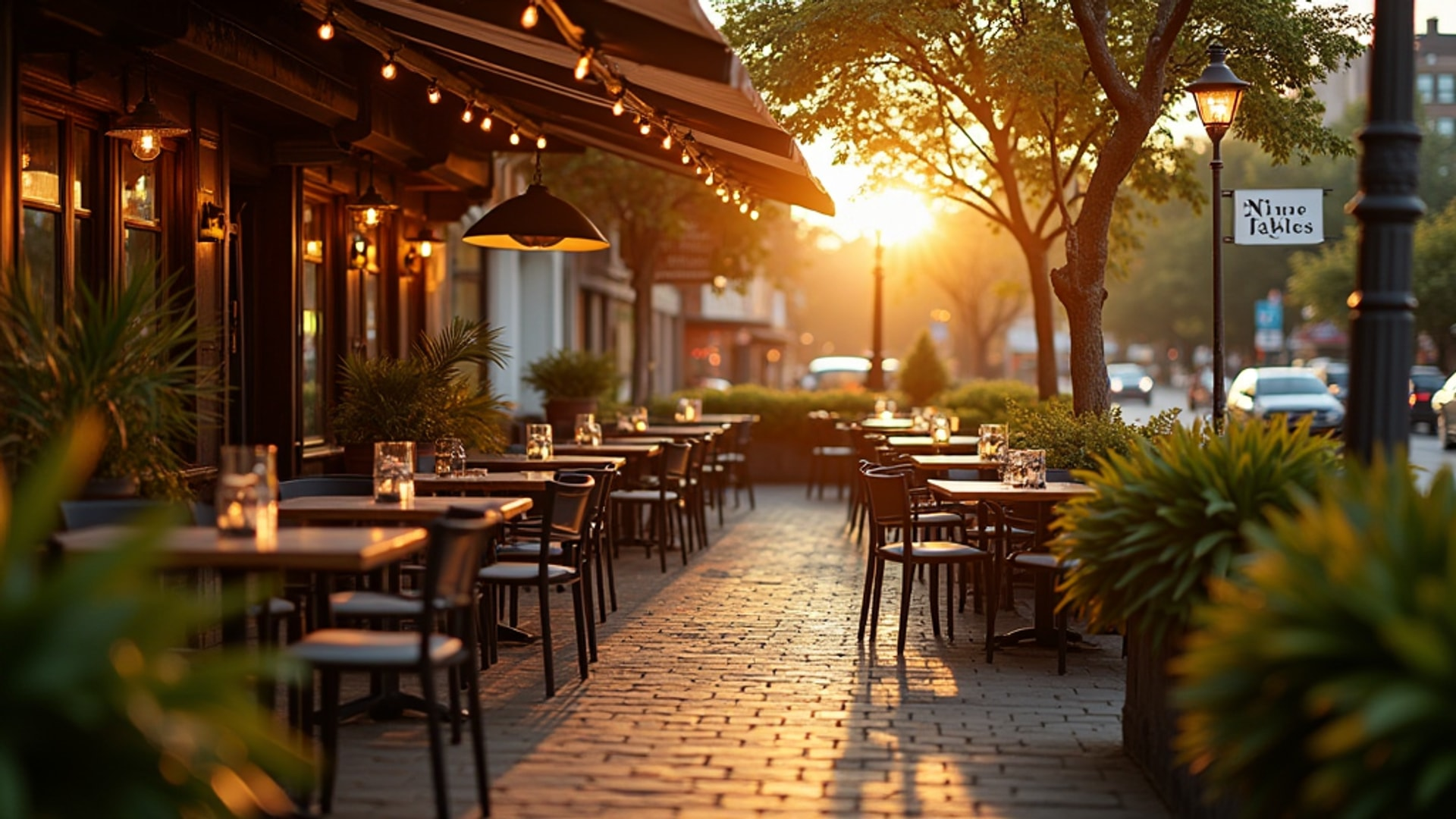
A well-run patio is one of the highest-margin revenue opportunities available to a restaurant with outdoor space. According to Restaurant365, adding outdoor patio can increase restaurant gross profits by up to 65%, with patio investments of $200,000 potentially yielding over $500,000 in gross profits during peak seasons. That return does not come automatically. It comes from operational planning that most patio operators underestimate until the first busy Saturday proves the gaps. Good outdoor dining and patio design is the physical foundation this operational planning rests on.
The Revenue Math
The gross profit opportunity from outdoor dining comes from added covers without proportional increases in fixed costs. Your rent doesn’t change. Your manager structure doesn’t change. Your kitchen largely doesn’t change. You are adding revenue-generating capacity at the margin cost of the additional labor, food, and supplies.
The financial case for patio optimization is straightforward — but only if the service quality on the patio matches the interior. A patio that provides a degraded experience because of poor service coverage, impractical menu execution, or inadequate weather management does not capture the revenue opportunity. It generates one-time visits, negative reviews, and unused capacity.
Pre-Season Planning
Staffing and Training
Restaurant365’s outdoor dining guide identifies the most critical pre-season task is hiring and training seasonal staff before peak season begins. A patio that opens understaffed in May will lose the June and July revenue it should be capturing as staff come up to speed.
Seasonal staffing timeline:
- 8 weeks before peak: Post seasonal positions, begin interviews
- 6 weeks: Hiring decisions made, offer letters sent
- 4 weeks: Training begins — menu, POS, service standards, section management
- 2 weeks: Outdoor-specific training — section geography, weather protocols, mobile payment tools
- 1 week: Supervised service shifts on outdoor sections
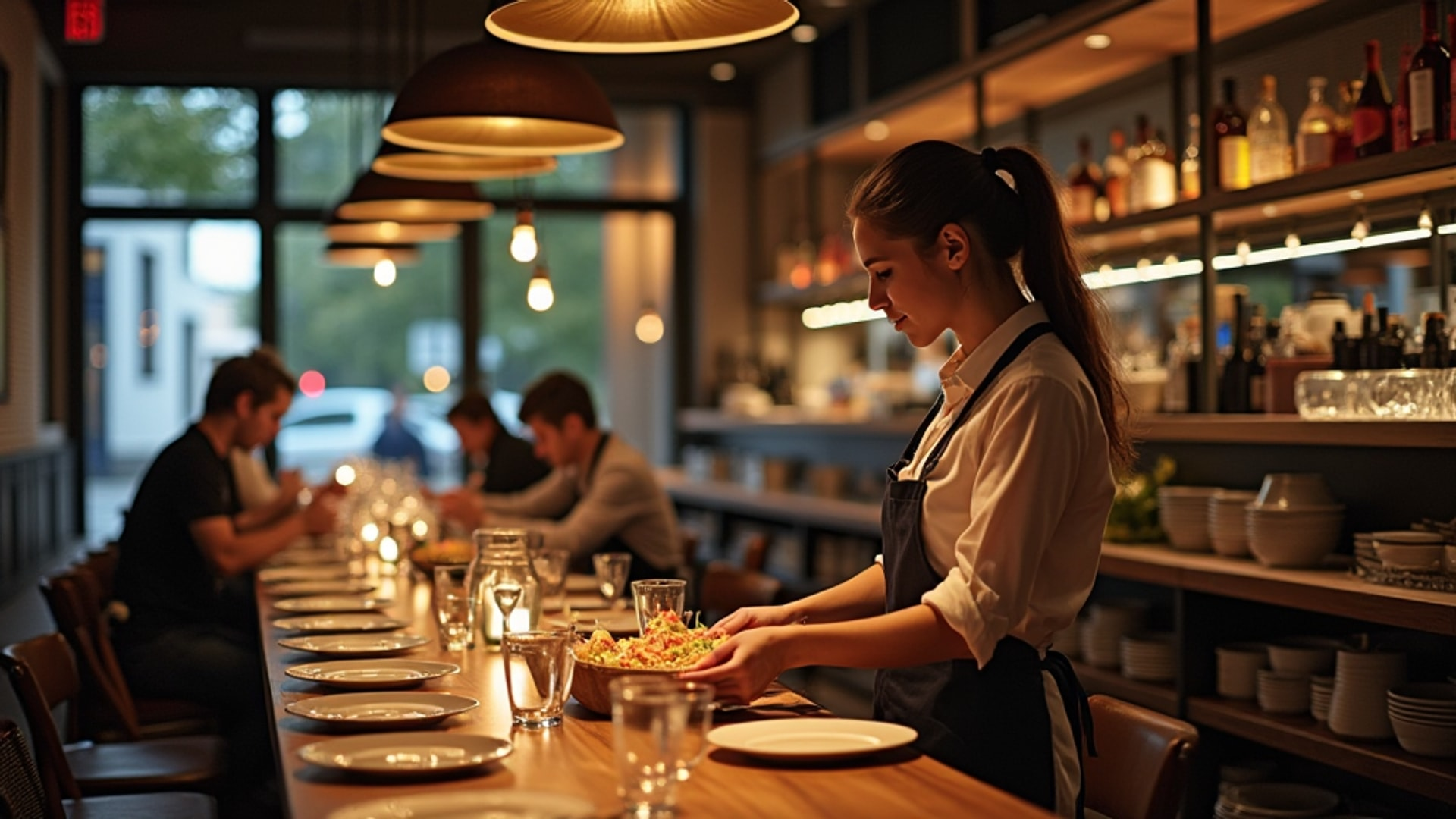
Cross-training indoor staff for outdoor service is equally important. Demand can shift rapidly with weather changes, requiring staff to flex between indoor and outdoor service. A server who has only worked indoor sections for three years needs specific preparation for the different pace and logistics of outdoor service.
Technology Setup
Mobile POS devices are essential for outdoor service efficiency. When outdoor seating is distant from the kitchen or central POS terminals, servers making repeated trips to submit orders and process payments lose significant time that could be spent with their tables.
Equipment checklist for outdoor service:
- Mobile POS handhelds configured and charged
- Outdoor-rated receipt printer or move to QR code receipts
- Mobile payment capability (tap-to-pay, digital wallet)
- Portable server stations with supplies (silverware wraps, extra napkins, condiments)
- Outdoor lighting for evening service
- Communication system between outdoor sections and kitchen (headsets or assigned runner)
Infrastructure Inspection
Before opening the patio, conduct a thorough physical inspection:
- Furniture: Check for winter damage, unstable joints, rust, or broken components. Repair or replace before season opens — not after a guest reports a wobbly chair.
- Umbrellas and shade structures: Inspect fabric for tears, mildew, or fading; check pole mechanisms and anchoring
- Heat lamps: Test all units; replace propane tanks or check electrical connections
- Flooring and surfaces: Inspect for heaving (frost damage), cracks, loose pavers, or drainage problems
- Lighting: Test all outdoor fixtures; replace dead bulbs
- Permits: Verify your outdoor dining permit is current for the season; some municipalities require annual renewal
Menu Design for Outdoor Service
Not all dishes perform equally well outdoors. Menu adaptations for outdoor dining should complement the climate and season.
Items that work outdoors:
- Shareable plates and appetizers (encourage lingering and multiple orders)
- Summer salads and cold preparations that don’t suffer from heat
- Grilled items that fit the outdoor atmosphere
- Strong beverage programs — cocktails and wine see elevated outdoor sales per Restaurant365
- Items with comfortable, relaxed eating ergonomics
Items that require reconsideration:
- Dishes served in delicate sauces that break quickly in heat
- Items with components that wilt or deteriorate in wind
- Presentations that require precise plating that road-trips from kitchen to patio poorly
- Very tall or unstable presentations that wind affects
A modified outdoor menu — not a separate menu, but a curated subset of the full menu — can actually increase ordering confidence and reduce ticket times by focusing the outdoor experience on items the kitchen can execute consistently over the distance to the patio.
Service Execution During Weather
Warm Weather
During hot weather service:
- Keep water available proactively — tables should never have to ask for water refills
- Adjust beverage par levels for higher volume — outdoor guests consume more drinks
- Monitor ice supply closely during heat events
- Adjust server section sizes down slightly to compensate for the added walking distance
Cool Weather Extensions
Winter outdoor dining requires clear vinyl curtains, heat lamps, and weather-appropriate infrastructure. Heated and enclosed outdoor spaces generate revenue during months that would otherwise be lost.
For shoulder season management (spring evenings, fall afternoons):
- Heat lamps should be stationed before service, not brought out after guests are cold
- Outdoor blankets on hooks at each table — both functional and an Instagram moment
- Move seasonal beverage program toward warm cocktails, mulled wine, spiked cider
Weather Emergency Protocol
Every outdoor operation needs a documented weather emergency protocol before the season opens. Contingency procedures for severe weather must address guest safety, equipment protection, and rapid transition of service to indoor areas.
The protocol should specify:
- Who monitors the weather forecast before and during service
- What weather conditions trigger different levels of response (light rain = umbrellas; heavy rain + lightning = immediate transition; tornado watch = shelter protocol)
- How guests are notified and moved
- Which staff are responsible for equipment during weather events
- How incomplete orders are handled during a transition
Practice the transition protocol before the season. A first-execution during an actual storm is the worst possible time to discover that the protocol doesn’t work.
Section Management and Capacity
Outdoor sections present unique server management challenges:
Walking distance: An outdoor section that requires 90 seconds of walking for every trip to the kitchen changes the math on server section size. If an indoor server can handle 4 tables comfortably, an outdoor server may manage 3 to 4 depending on section proximity.
Weather visibility: Servers cannot always see when outdoor tables need attention from inside the restaurant. Outdoor sections require either direct server presence or a runner/support system to maintain visual coverage.
Runner deployment: At 80% outdoor capacity or above, a dedicated runner dedicated to outdoor sections dramatically improves service quality by eliminating the constant kitchen-to-patio-to-kitchen trips that are the dominant source of service delay in outdoor operations.
Measuring Outdoor Season Performance
Reviewing past summer data to predict busy times and optimize scheduling is the foundation of planning the next season. Metrics to track:
- Revenue per cover: indoor vs. outdoor comparison
- Covers per service hour: outdoor vs. indoor
- Average check: does the outdoor experience drive higher or lower per-guest revenue?
- Labor cost percentage on outdoor sections
- Weather-related cancellations per month
- Guest satisfaction ratings that mention patio experience specifically
At season end, debrief the outdoor operation explicitly. What worked? What were the service failures? What infrastructure would have helped? What menu items underperformed? That debrief informs the pre-season planning for next year and ensures you are running a progressively better patio operation each cycle.
The outdoor patio that pays off is one that operates as a genuine extension of your service standard — not a second-class seating section that gets the overflow guests. Build the system, staff it properly, and the gross profit opportunity Restaurant365 identifies becomes real.
→ Read more: Outdoor Dining and Patio Design: Turning Open Air into Year-Round Revenue → Read more: Seasonal Operations Adjustments: Running a Different Restaurant Every Quarter → Read more: Table Management and Reservations: Choosing the Right System and Maximizing Every Seat