· Operations · 9 min read
Table Management and Reservations: Choosing the Right System and Maximizing Every Seat
Table management systems have evolved from handwritten books into platforms that integrate seating, waitlists, CRM, and analytics. Here's how to choose the right one and optimize every seat in your restaurant.
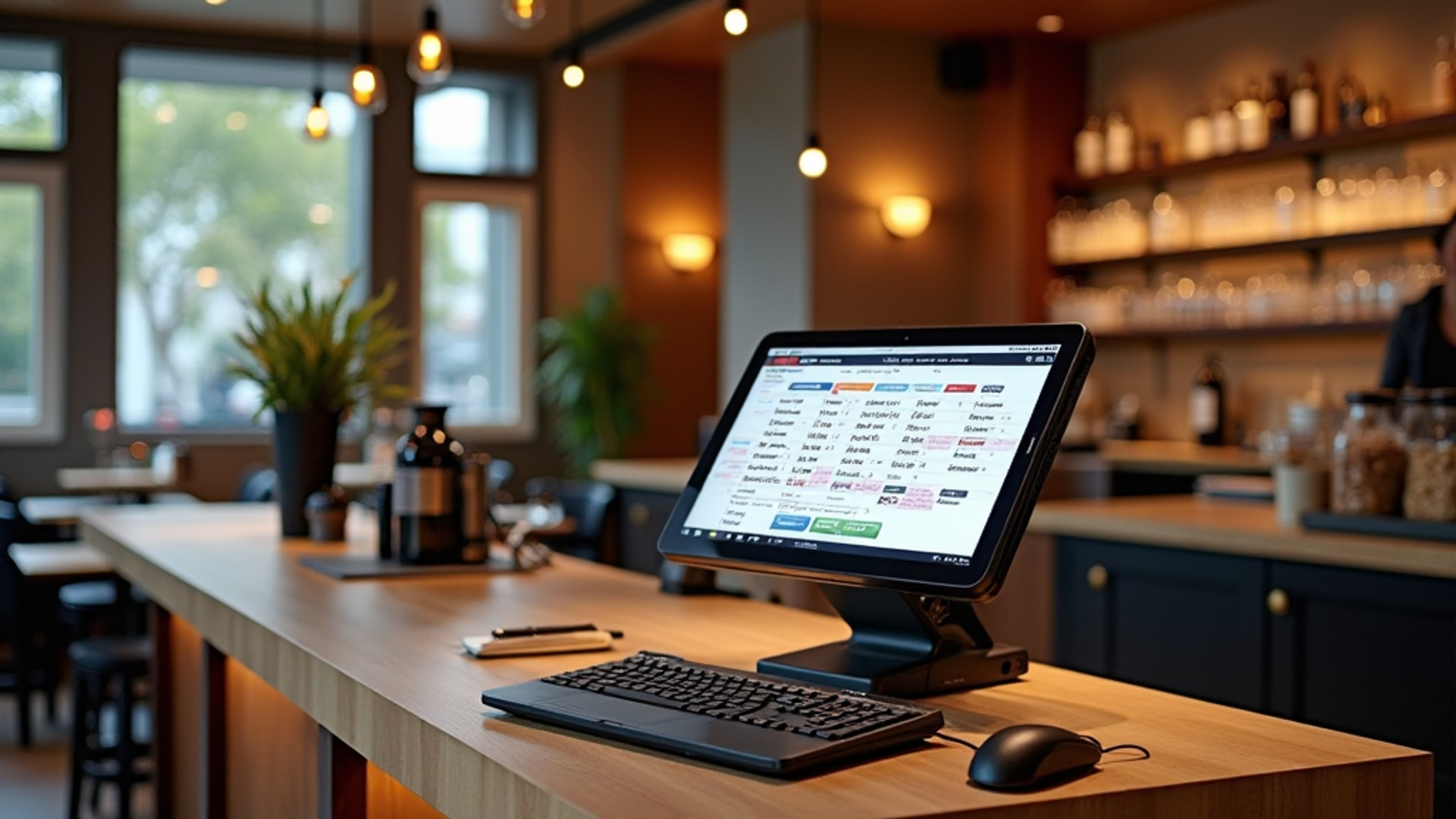
Every empty seat during a busy service is money you will never get back. Every guest who walks out because the wait is too long is a customer you might never see again. Table management — how you handle reservations, walk-ins, seating assignments, and turnover — directly affects your revenue, your guest experience, and your reputation.
According to Eat App, table management systems have evolved from simple reservation books into comprehensive platforms integrating seating, waitlists, CRM, and analytics. And the market is consolidating fast. According to Restaurant Business Online, DoorDash acquired SevenRooms, American Express merged Resy and Tock under the Resy brand, and delivery platforms are competing directly across the full restaurant technology stack.
Understanding what is available, what it costs, and how to choose matters more now than ever.
The Three Dominant Reservation Platforms
According to Eat App’s comparison, three platforms dominate the reservation market, each serving a different restaurant profile.
OpenTable
OpenTable pioneered online restaurant reservations in 1998 and remains the largest platform. According to Eat App, it serves 60,000 restaurants and handles 1.7 billion annual reservations. Its massive diner network provides unmatched consumer reach — more people search OpenTable for restaurants than any other reservation platform.
Pricing: Subscription fee plus per-cover charges. According to Eat App, bookings through the restaurant’s own widget cost $0.25 per cover. Bookings through the OpenTable network cost $1.00-$1.50 per cover. For high-volume restaurants, those per-cover fees add up fast. A restaurant seating 200 covers per night from OpenTable network bookings at $1.00 each is paying $6,000 per month just in cover fees.
Strengths: Unmatched consumer reach, brand recognition, established diner network.
Limitations: According to Eat App, OpenTable prioritizes its own diner ecosystem over giving restaurants full guest data control. You are building OpenTable’s customer database, not your own.
Best for: Restaurants that need maximum discovery and are willing to pay per-cover fees for access to the largest diner network.
Resy
Resy, owned by American Express, positions itself as the premium alternative. According to Eat App, it focuses on upscale and high-volume urban restaurants.
Pricing: Flat monthly pricing starting around $249 per month with no per-diner fees. According to Eat App, this makes costs more predictable and often more economical for busy restaurants. A restaurant doing 200 covers per night pays $249 regardless of volume — compared to potentially $6,000+ on OpenTable.
Strengths: Predictable costs, greater restaurant ownership of guest data, premium brand positioning. According to Restaurant Business Online, Resy and Tock merged under the Resy brand in 2025, expanding the platform’s capabilities.
Limitations: According to Eat App, Resy’s selective approach limits its reach compared to OpenTable. Less suited to casual or suburban restaurants.
Best for: Upscale restaurants, high-volume urban venues, and operators who value guest data ownership and cost predictability.
Yelp Guest Manager
Yelp Guest Manager leverages Yelp’s audience. According to Eat App, it reaches 80 million monthly diners and offers strong waitlist management and SMS notifications.
Pricing: Starts at approximately $129 per month with no per-cover fees.
Strengths: Direct Yelp integration for discovery, excellent waitlist management, lowest entry price among major platforms.
Limitations: Weaker advance reservation features compared to OpenTable and Resy.
Best for: Casual dining restaurants where walk-in and waitlist management matters more than advance reservations.
Platform Comparison at a Glance
| Feature | OpenTable | Resy | Yelp Guest Manager |
|---|---|---|---|
| Monthly cost | Subscription + per-cover | ~$249 flat | ~$129 flat |
| Per-cover fee | $0.25-$1.50 | None | None |
| Diner network | 60,000 restaurants, 1.7B reservations | Selective, urban-focused | 80M monthly diners |
| Guest data ownership | Limited | Strong | Moderate |
| Best for | High discovery needs | Upscale, high volume | Walk-in heavy, casual |
What Modern Table Management Systems Actually Do
According to Eat App, modern table management systems handle far more than reservations. Core capabilities include:
- Customizable floor plans with service configurations for different dayparts
- Table assignments with wait time and turn optimization
- AI-powered reservation management that reduces no-shows and improves allocation
- Automated table assignments with pacing controls to prevent kitchen overwhelm
- Real-time analytics on seating efficiency and revenue per seat
- Digital menu integration and mobile payment support
- Customer relationship management — guest preferences, visit history, spending patterns
According to Eat App, costs range from approximately $50 to $500 per month depending on complexity and restaurant size. Many providers offer free tiers for basic functionality.
The Market Consolidation You Need to Understand
According to Restaurant Business Online, 2025 saw a wave of acquisitions that is reshaping who controls restaurant technology:
- DoorDash acquired SevenRooms (table management leader), UK delivery competitor Deliveroo, and ad-tech firm Symbiosys
- American Express merged Resy and Tock under the Resy brand
- Wonder acquired Grubhub, Blue Apron, Tastemade, and Sweetgreen’s robot technology — raising $600 million at a $7 billion valuation
- Olo went private for $2 billion in an acquisition by Thoma Bravo
According to Restaurant Business Online, the restaurant technology landscape is defined by consolidation and convergence. Delivery platforms are becoming technology companies that compete across reservations, POS, and advertising. Single-function vendors face increasing pressure as these platforms expand into adjacent services.
What this means for you: the reservation system you choose today may be owned by a different company tomorrow. Prioritize systems that let you export your data and integrate with your existing tools. Avoid platforms that lock you into an ecosystem you do not control.
Choosing the Right System: Decision Framework
According to Eat App, operators should weigh several factors when selecting a reservation platform:
Cost Structure
Per-booking fees favor low-volume restaurants. Flat-rate pricing favors high-volume restaurants. Do the math for your specific cover counts.
If you seat 50 covers per night on average and half come through reservations, OpenTable at $1.00 per cover costs roughly $750 per month. Resy at $249 flat is cheaper. But if you only seat 10 reservation covers per night, OpenTable at $75 per month may be the better deal — especially with its larger diner network.
Guest Data Ownership
According to Eat App, how much control you have over guest data varies significantly by platform. Resy generally gives restaurants greater ownership of guest relationships. OpenTable prioritizes its own ecosystem. If building a direct guest database for email marketing, personalized service, and loyalty programs is important to your strategy, this distinction matters.
Network Size and Relevance
A platform’s diner network only helps if those diners are your target customers. According to Eat App, OpenTable has the largest overall reach. Resy is strong in upscale urban markets. Yelp Guest Manager integrates with Yelp’s massive local search audience. Choose the network that reaches your guests.
Feature Depth
Simple reservation management versus full table management, waitlist, events, and CRM. A fine-dining restaurant needs sophisticated reservation tools. A busy brunch spot needs strong waitlist management. Match the feature set to your operations.
POS Integration
According to Eat App, real-time POS integration enables synchronization of orders, payments, and customer preference data. A table management system that talks to your POS creates a seamless operation. One that does not creates double work and data gaps.
Walk-In vs. Reservation Balance
Not every restaurant needs a reservation system. The right approach depends on your concept and customer behavior.
Reservation-heavy restaurants (fine dining, tasting menus, special occasion venues) need robust advance booking, pacing controls, and guest profile management. OpenTable or Resy are natural fits.
Walk-in-heavy restaurants (casual dining, neighborhood spots, brunch) need strong waitlist management, SMS notifications, and wait time estimates. According to Eat App, Yelp Guest Manager’s SMS notification system is particularly strong for this use case.
Hybrid approaches work for many restaurants. Hold 60-70% of tables for reservations and keep 30-40% for walk-ins. This ensures a full house while maintaining the energy and spontaneity that walk-in guests provide.
Using Multiple Platforms
According to Eat App, many restaurants use multiple reservation platforms simultaneously to maximize their reach. A restaurant might accept reservations through Resy, maintain an OpenTable listing for discovery, and use Yelp Guest Manager for walk-in waitlist management.
This approach maximizes coverage but adds operational complexity. You need a system — or a person — to manage availability across platforms and prevent double-bookings. If you go this route, designate one platform as your primary and funnel as much traffic as possible to it.
According to a related BentoBox finding, direct reservation platforms eliminate third-party commission fees of $0.25-$1.50 per reservation. Driving guests to book directly through your website — using a widget from your primary platform — reduces costs while building your own guest database.
Optimizing Table Turnover
The right system helps, but the real optimization happens in how you manage your floor.
Pacing controls prevent the kitchen from getting slammed. Stagger reservation times so new tables are not all seated simultaneously. Most modern systems handle this automatically.
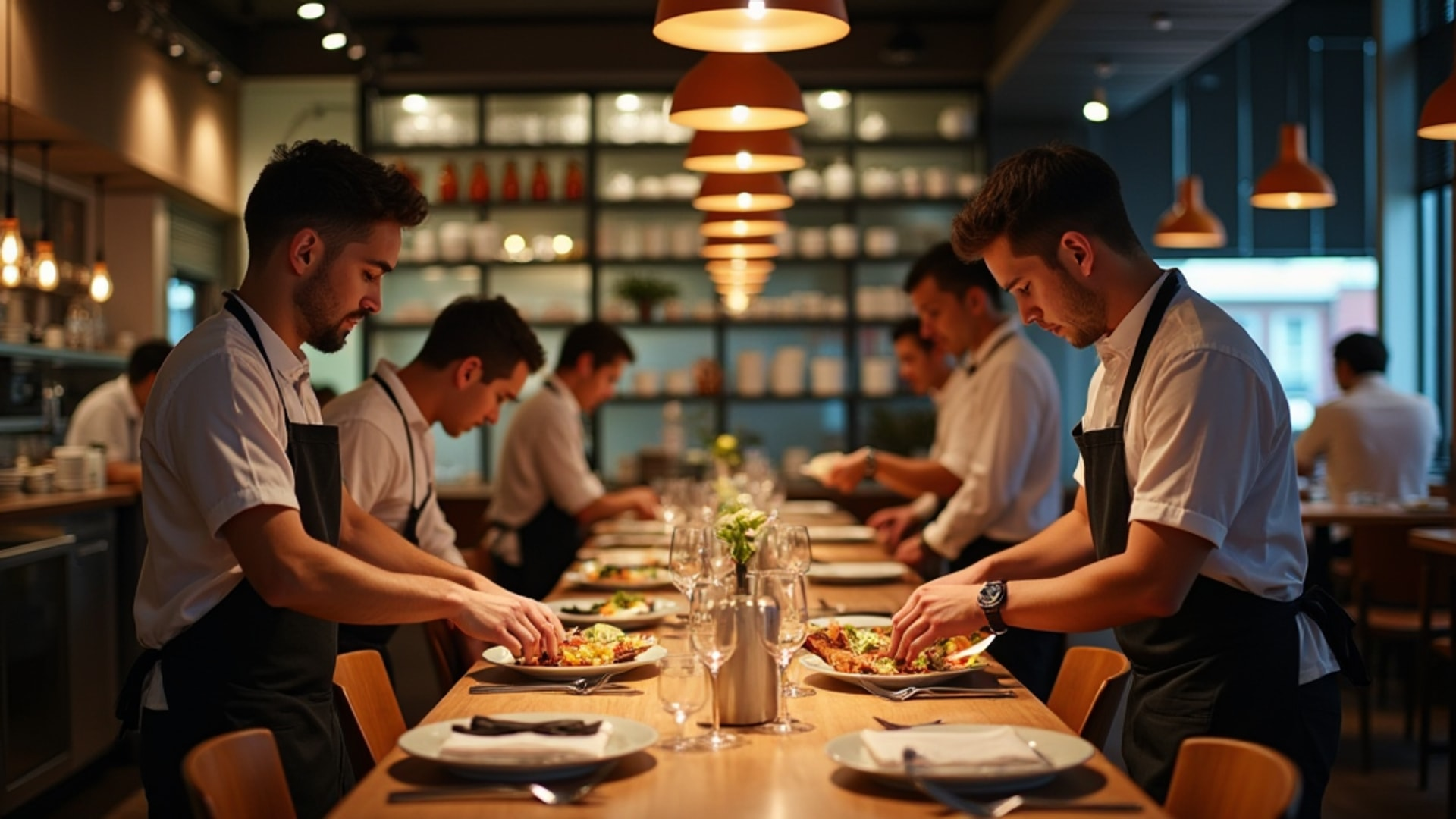
Table assignments should match party size to table size. Seating a couple at a four-top during a busy Saturday night costs you two covers. Train your host team to optimize assignments or let the system recommend placements.
Turn times should be tracked and managed — not by rushing guests, but by eliminating delays between courses. According to Lightspeed, embedded POS and payment systems allow servers to take orders and process payments from one platform, improving table turn time without degrading the guest experience.
Clear communication between the host stand, servers, and kitchen keeps the flow moving. When a table is ready to be turned, the host should know immediately — not five minutes later when someone notices the empty seats.
The Bottom Line
Table management is where technology meets hospitality. The right system reduces wait times, fills more seats, builds guest relationships, and provides data that helps you make better decisions. The wrong system costs you money, locks up your guest data, and creates friction instead of flow.
According to the archive sources, the market is consolidating rapidly. Delivery platforms, payment companies, and POS providers are all acquiring reservation technology. Choose a system that fits your concept, your volume, and your budget — but also one that gives you ownership of your guest data and the flexibility to adapt as the market evolves.
Your seats are your inventory, and unlike a retailer, you cannot store them for tomorrow. Every unfilled seat during peak service is revenue that disappears forever. A good table management system helps you fill more of them, more consistently, with guests who come back.
→ Read more: Waitlist Management: Turning Wait Time Into a Competitive Advantage → Read more: Restaurant Technology Stack: POS, KDS, Reservations, and Everything In Between → Read more: POS Systems for Restaurants: How to Choose the Right Platform in 2026 → Read more: Peak Hour Management: How to Keep Quality High When Volume Peaks