· Operations · 5 min read
Peak Hour Management: How to Run a Full House Without Losing Your Mind
A practical system for staffing, prepping, and managing the floor during your restaurant's busiest hours without burning out your team or disappointing guests.
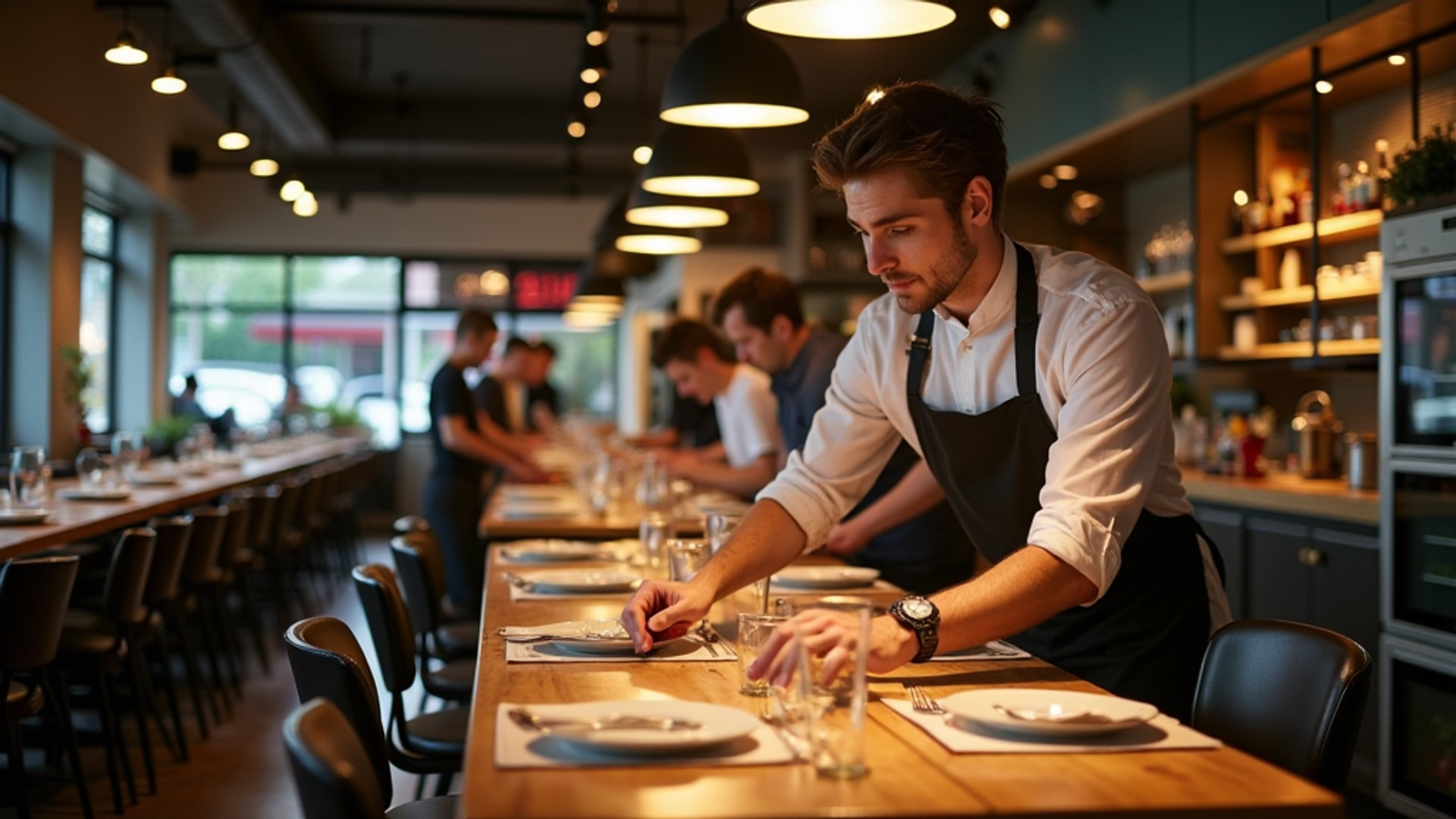
Every restaurant has a moment — the lights are bright, every table is full, the printer doesn’t stop, and the phone rings with another party asking about wait times. Peak hour management is the difference between a restaurant that runs like a machine and one that collapses under its own success. This is how you run a full house with intention, not panic.
Know Your Rush Before It Arrives
Peak hour management starts with historical data, not guesswork. According to Supy, past sales records, traffic patterns, and seasonal trends form the foundation for demand forecasting. Modern scheduling software can match headcount with predicted demand, turning staffing decisions from intuition-based into data-driven.
The standard recommendation: increase staffing by 20 to 40 percent above baseline levels during peak periods, with staggered shifts starting 30 minutes before the anticipated rush. That buffer — the half-hour before the wave hits — is where you win or lose. Your team arrives, their stations are prepped, and they’re briefed before the first ticket fires.
Staffing for the Surge
The Cross-Training Multiplier
According to Supy, cross-trained staff reduce minimum staffing requirements by an estimated 10 to 15 percent. A line cook who can step into prep during a surge, or a server who can handle basic bar coverage when the bar is slammed, provides coverage that rigid role assignments cannot.
Cross-training also protects against call-outs. If a single role is a single point of failure on a Saturday night, you have a staffing problem masquerading as a bad luck problem.
Shift Rotation to Prevent Burnout
Working peak shifts is exhausting. According to Supy, rotating shifts so the same staff don’t always carry the heavy nights prevents the burnout that accelerates turnover. Balance intense peak coverage with quieter off-peak shifts across the team. Forecasting tools that identify demand patterns let you distribute workload fairly — and experienced employees notice whether the schedule reflects that fairness.
Position Placement During Rush
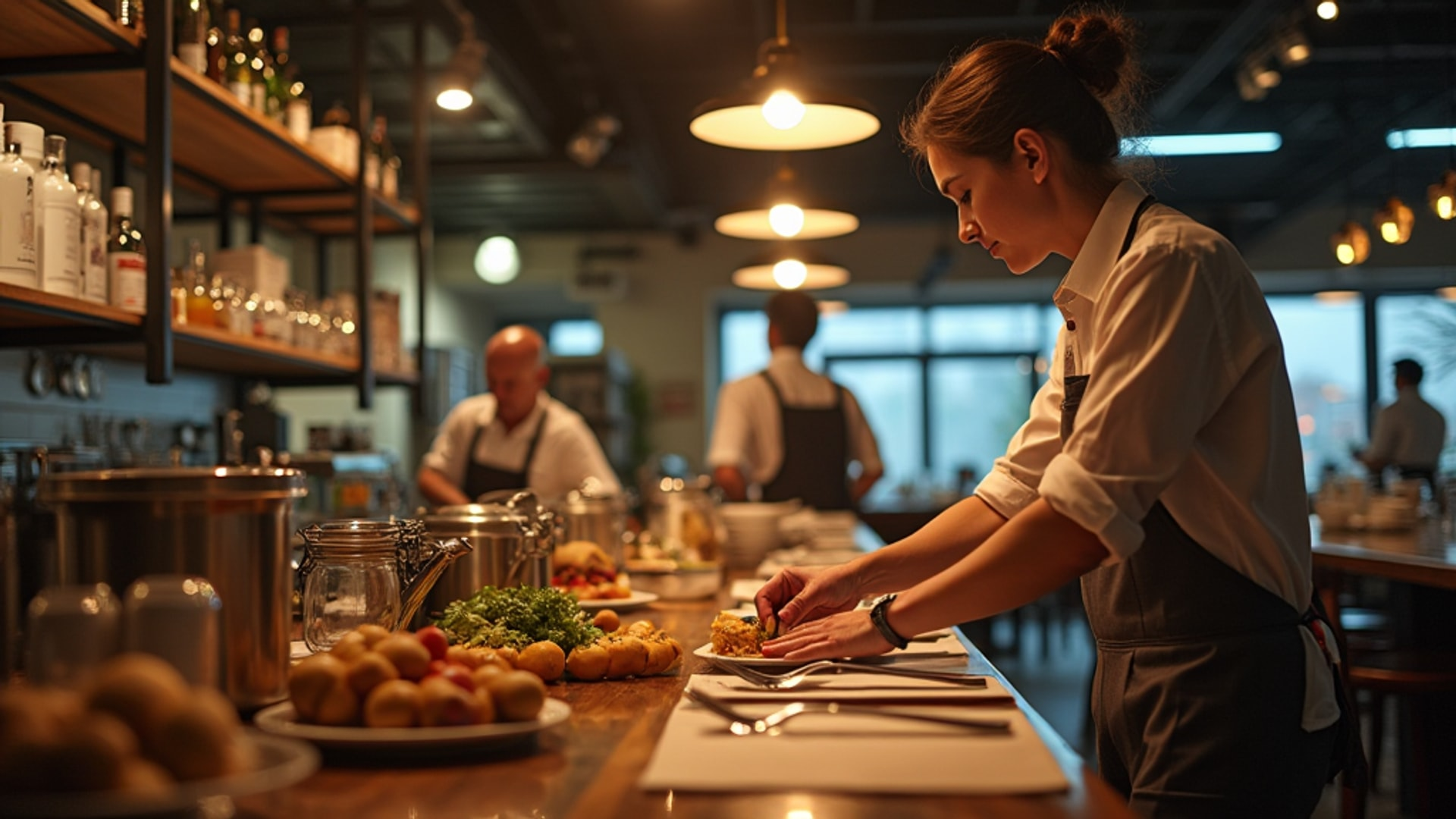
Not all staff are equal in all stations during a surge. Place your most experienced people at critical stations — the grill, the expo pass, the host stand — during peak hours. Put newer staff in support roles where their contribution is real but the blast radius of a mistake is limited.
Pre-Shift Preparation: The Rush Is Won Before It Starts
According to Supy, the most effective peak hour management happens before the rush begins:
- Batch-cook components: Par-cook proteins, portion garnishes, pre-fire sauces
- Pre-portion ingredients: Every 60 seconds spent measuring during service is a bottleneck
- Define station responsibilities explicitly: In the chaos of a rush, “someone will handle it” means no one does
- Verify par levels: A mid-rush discovery that you’re out of an item is an avoidable crisis
Run a 10-minute pre-service standup covering: reservation count, special dietary needs, 86’d items, staffing assignments, and tonight’s focus area (speed, upsell, new menu item).
Technology That Actually Helps During a Rush
Kitchen Display Systems
According to Supy, Kitchen Display Systems replace handwritten tickets during high-volume periods, improving both order accuracy and communication speed. A KDS with station-specific views means the grill cook sees only what they need to see — not a wall of tickets they have to parse.
Real-Time Inventory Alerts
Inventory systems with POS integration provide real-time stock tracking that prevent the mid-rush discovery of ingredient shortages. Automated low-stock warnings enable preemptive reordering before the problem affects a single guest’s order.
Mobile Payment and Ordering
According to Supy, QR code menus and mobile payment options accelerate the ordering and checkout process. Handheld payment devices allow servers to process transactions tableside. These time savings compound during high-volume service into meaningful improvements in table turnover and guest satisfaction.
Managing Customer Flow on the Floor
Peak hour management extends past the kitchen. Consider these floor-level tactics:
| Tactic | Impact |
|---|---|
| Stagger reservations in 15-minute increments | Prevents simultaneous seating surges |
| Use a waitlist app for walk-ins | Reduces lobby crowding, reduces abandonment |
| Brief server on upcoming parties during pre-shift | Eliminates mid-service surprises |
| Assign a dedicated runner at 80%+ capacity | Servers stay on the floor instead of running food |
| Designate one manager as floor captain | Single decision-maker during the rush |
According to Chowbus, 86% of customers will leave if the wait is perceived as too long. The operative word is “perceived.” Accurate wait estimates and proactive communication dramatically improve satisfaction even when the actual wait doesn’t change.
Speed of Service Benchmarks
According to FasterLines, these are the targets you’re working toward during peak service:
- Casual dining: dishes up within 7 minutes of cooking, 10-minute plate delivery target
- Greeting time: under 30 seconds
- Seating time: under 1 minute for available tables
- Drive-through: reducing wait by 5 seconds yields over $8,000 per location annually
Track your peak-hour ticket times against off-peak times weekly. A consistent gap between your best and worst hours reveals exactly where your operation needs work.
Post-Rush Debrief
Most teams skip this. Don’t. A 10-minute debrief after each major service period does more for long-term improvement than any policy document.
Questions to cover:
- What caused the first bottleneck tonight?
- Which station fell behind and why?
- Was there a point where communication broke down?
- What should be prepped differently tomorrow?
Document the answers in your manager log. Over 4 weeks, patterns emerge that drive real process changes. According to 7shifts, restaurants that monitor key metrics daily can make course corrections before small problems become costly — turning data into a competitive advantage.
The Mindset Shift
Peak hour management is not about working harder during the rush. It is about working smarter in the 90 minutes before it. Every minute you invest in preparation before service multiplies into saved minutes during it. Your team should feel like the rush is expected and planned for — because it is.
→ Read more: Kitchen Workflow Efficiency: How to Build a Line That Performs Under Pressure → Read more: Speed of Service Benchmarks: The Timing Numbers Every Restaurant Should Know → Read more: FOH-BOH Communication: Bridging the Divide Between Front and Back of House