· Operations · 9 min read
FOH-BOH Communication: Bridging the Divide Between Front and Back of House
The communication interface between front and back of house is where service either comes together or falls apart — here is how to make it work.
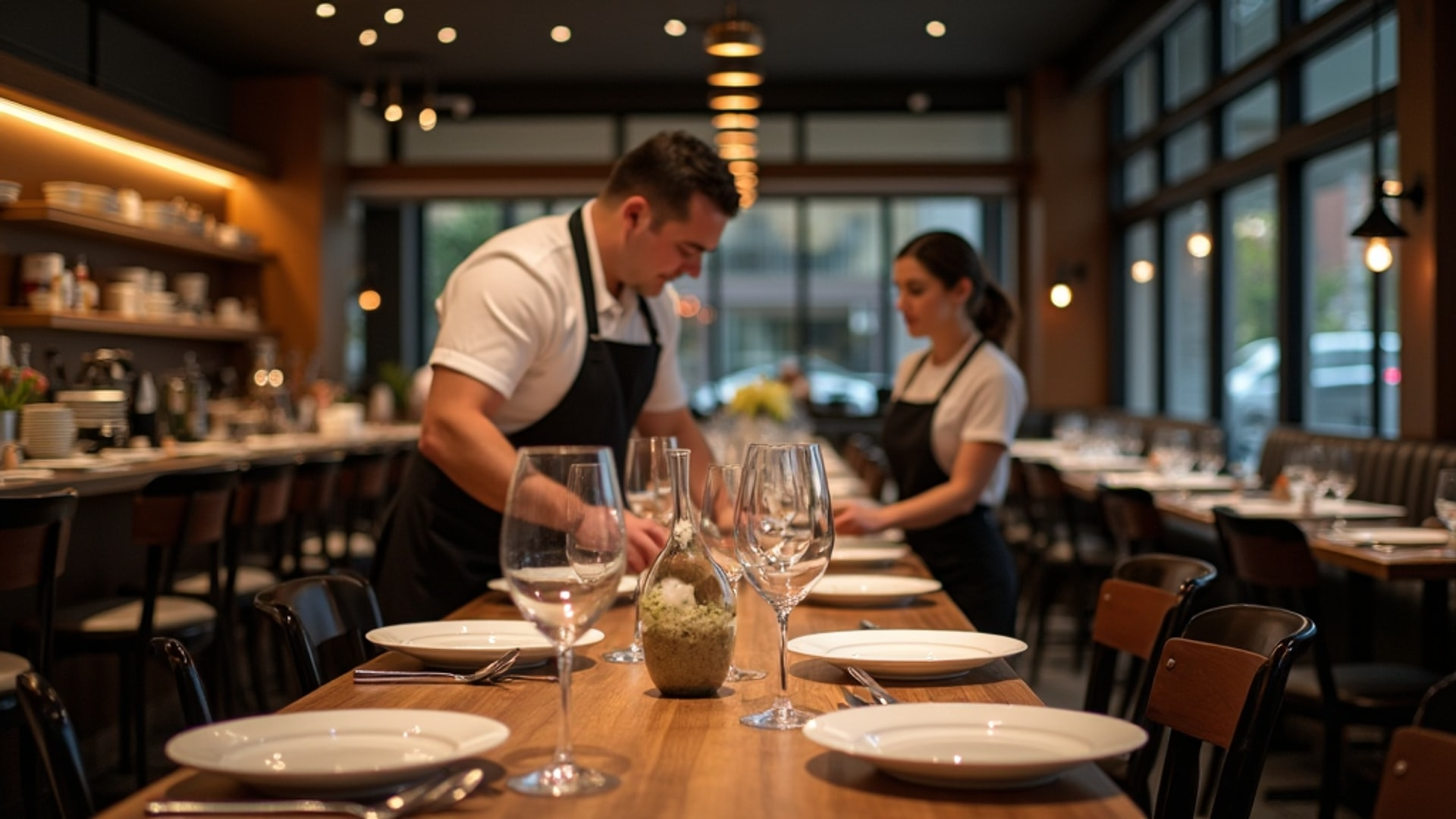
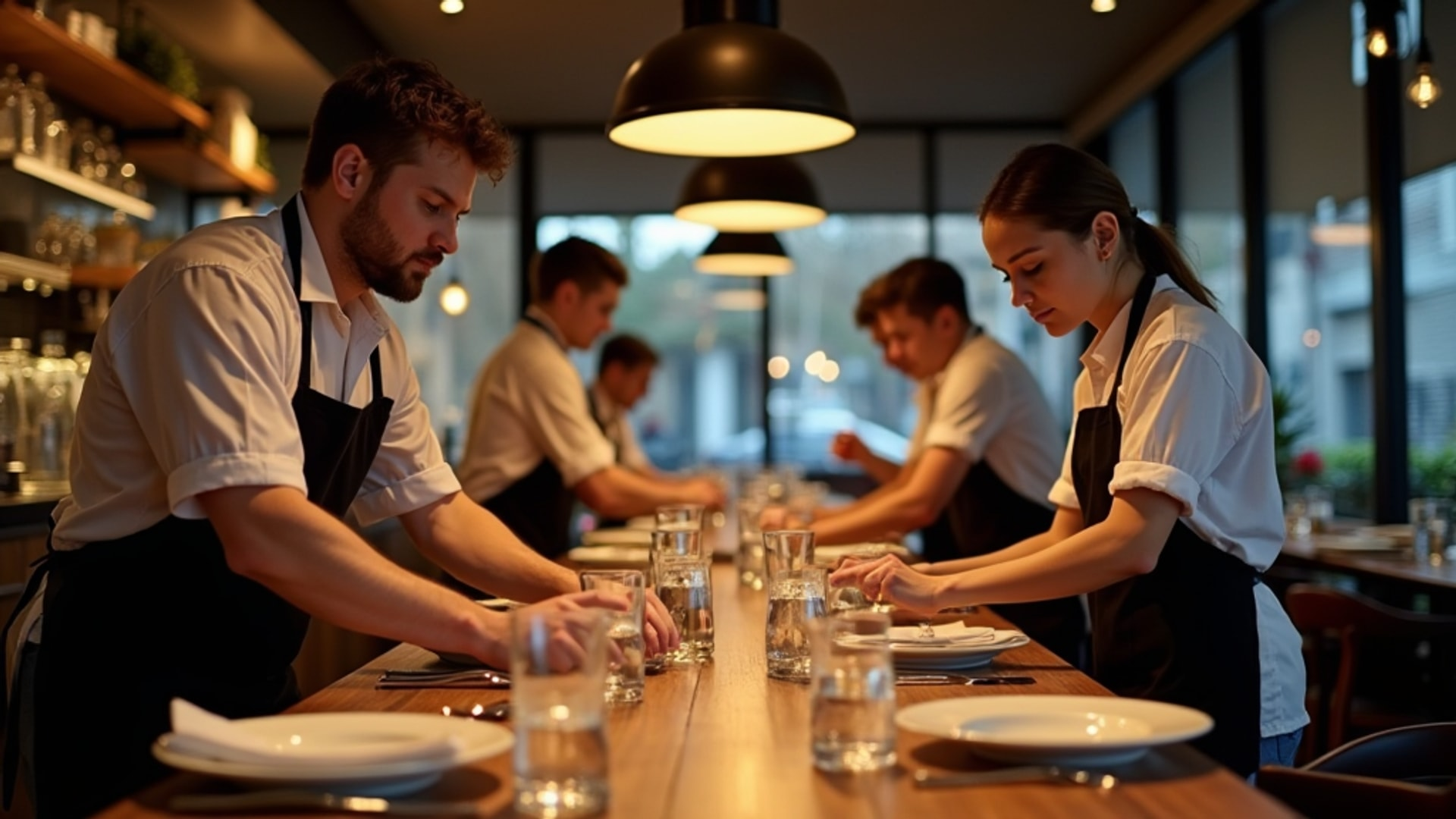
Every restaurant has two distinct teams operating in the same building with fundamentally different pressures, priorities, and information needs. The kitchen runs on timing, temperature, and ticket sequence. The dining room runs on relationship, pacing, and guest experience. The interface between these two worlds — the pass, the ticket rail, the voice between service window and dining floor — is where service either comes together or falls apart.
According to Clover’s research on front and back of house coordination, poor FOH-BOH communication leads directly to order mistakes, service delays, and dissatisfied customers. These are not abstract problems. Wrong orders cost money through comps and remakes. Service delays translate directly into lower table turn rates and reduced revenue. Dissatisfied customers leave reviews and do not return. The stakes of getting this interface right are entirely concrete.
Why the Divide Exists
The FOH-BOH divide is not primarily a personality conflict, though that framing is common. It is a structural consequence of different jobs. Servers are measured by their guests — through tip amounts, satisfaction, and whether tables return. Kitchen staff are measured by output — ticket times, accuracy, and throughput. These incentive structures create genuinely different perspectives on what matters most at any given moment.
A server who asks the kitchen for a modification three minutes after an order was fired is not being unreasonable from a service standpoint. The same request from the kitchen’s perspective is a disruption to a carefully sequenced cook that may push back every other ticket on the rail. Neither perspective is wrong. They are just working from different operational realities. Closing the communication gap requires building structures that acknowledge both.
The Expediter: The Role That Makes the Difference
The most impactful structural solution to FOH-BOH communication is the expediter position. Positioned at the pass — the physical boundary between kitchen and dining room — the expo manages the information flow between both teams.
According to Clover’s guide, the expediter receives completed dishes from the kitchen, verifies accuracy against the ticket, coordinates timing so all dishes for a table arrive simultaneously, and communicates table status and special requests between servers and kitchen staff. In operations without a dedicated expo, this role typically falls to the shift manager or head chef. For a deeper look at what makes the expediter role effective, see The Kitchen Expeditor: How to Run the Pass and Keep Service Moving.
The exponential value of a skilled expediter is that they translate between two operational languages simultaneously. The kitchen speaks in tickets, firing sequences, and timing. The dining room speaks in table numbers, guest preferences, and check progress. The expo is bilingual. They know when table 12 is about to turn so the kitchen can fire their appetizers, and they know when the kitchen is eight minutes behind so the server can manage the table’s expectations.
In high-volume operations, running without a dedicated expo is a false economy. The errors, delays, and friction created by unmanned communication at the pass cost more than the expo’s labor.
POS-to-KDS Integration: Eliminating the Relay
Historically, the order relay from server to kitchen involved verbal communication, paper tickets, or duplicate check systems — all of which introduced opportunities for error, ambiguity, and omission. A server shouting modifications across a noisy kitchen line is a reliability problem, not just an inconvenience.
Modern POS-to-KDS (Kitchen Display System) integration has largely solved this problem at the point of order entry. When a server inputs an order with modifications, allergen flags, and special requests, that exact information appears on the kitchen display instantly. As Clover’s guide notes, digital systems provide a record of what was ordered and when modifications were made, creating a reliable reference point for resolving accuracy disputes.
The systems also track timing — when an order was entered, when it was called, how long it has been on the display — giving both kitchen and floor staff visibility into the progress of every ticket. Monitoring service standards through kitchen displays reportedly reduces complaint escalations by 40%, according to data from the SPNDL quality control framework.
The key to extracting maximum value from this technology is disciplined data entry. A KDS is only as accurate as what the server inputs. Invest in training that emphasizes complete, accurate order entry as a non-negotiable standard.
Pre-Shift Meetings: The Daily Synchronization Point
The most structurally powerful communication improvement available to any restaurant costs nothing beyond 15 minutes of focused attention before service. The pre-shift meeting is where both FOH and BOH teams start the day with identical information.
A complete pre-shift covers:
- Specials. What they are, how they are described, what ingredients they contain, and their pricing. Kitchen needs to know production quantities; servers need to be able to sell them.
- 86’d items. Anything unavailable from last night’s service or this morning’s receiving. Nothing undermines a server’s credibility with a table faster than selling an item the kitchen cannot produce.
- Reservation overview. Volume, notable parties, dietary restrictions on file, VIP guests. Both teams should understand what kind of service night they are about to have.
- Staffing assignments. Who is working which sections, which stations, who is covering what.
- Operational carryovers. Equipment issues, any policy reminders, specific situations from previous shifts.
When both FOH and BOH attend the same briefing, they start the shift with shared knowledge and aligned expectations. The server who knows the kitchen is running one prep cook short will manage table expectations differently. The line cook who knows a 30-person private party arrives at 7:30 will manage their mise en place accordingly.
Verbal Safety Protocols
In the physical environment of a restaurant kitchen, communication has a safety dimension that the dining room does not share. Calls like “Behind,” “Hot,” and “Corner” — announced when passing behind a colleague, carrying hot items, or approaching a blind corner — are not pleasantries. They prevent burns, collisions, and dropped plates.
These verbal protocols should be trained as standard operating procedure from day one and enforced consistently. A new hire who is not using these calls correctly should be corrected in the moment, every time. The training investment is minimal; the injury prevention value is significant.
Kitchen confirmation practices serve a parallel function for order accuracy. When a server communicates a modification or special request verbally, the kitchen should confirm receipt: “Heard,” “Yes, chef,” or whatever verbal acknowledgment the operation has standardized. Without confirmation, the sender cannot know whether the message was received. With confirmation, both parties know the information has been processed.
Digital Modification Tracking
One of the most friction-generating moments in FOH-BOH relations occurs when a modification is requested after an order has been fired, and both parties have a different understanding of whether that modification was communicated and acknowledged. The kitchen swears they were not told. The server swears they called it out. The guest is waiting.
Digital systems that log modification requests with timestamps eliminate most of these disputes. When a modification is entered through the POS, it appears on the KDS with a time stamp. If there is a question about whether something was communicated, the system provides an objective record. This is not about assigning blame; it is about building a shared source of truth that reduces the emotional charge of these situations.
Invest in training both teams on using modification features in the POS correctly. A modification that exists only in a server’s verbal note and not in the system is only half communicated.
Cross-Training and Mutual Understanding
Technology and systems solve a significant portion of the communication problem. But the residual friction — the “us versus them” dynamic that plagues some operations — requires something technology cannot deliver: genuine mutual understanding.
Clover’s research identifies cross-training, job shadowing, and shared team activities as the most impactful long-term communication improvements. A server who has spent a dinner rush on the line understands why a mid-ticket modification is genuinely disruptive, not just inconvenient. A line cook who has served tables understands why a 12-minute delay feels like an eternity from the guest’s perspective.
According to Restaurant365’s guide on cross-training, this approach reduced employee turnover by 30% at franchise locations where it was implemented — not just because it builds skills, but because it builds the kind of mutual respect that makes people want to stay. Teams that understand each other’s work treat each other differently.
The Communication Point of Contact
For complex or escalating situations — a table with a critical allergy modification, a large party with specific timing requirements, a kitchen emergency that will affect service — Clover recommends designating a single communication point of contact, typically the GM or shift manager. This prevents multiple servers from approaching kitchen staff with questions simultaneously during a rush, and gives the kitchen a single relationship to manage rather than a rotating cast of people making demands.
The designated contact role also ensures that high-stakes information gets appropriately prioritized rather than lost in the noise of a busy service. When everyone knows that significant operational communication goes through the shift manager, the information actually arrives at the kitchen with the right context and urgency.
Measuring Communication Quality
FOH-BOH communication quality is not invisible — its effects show up in measurable operational data. Track these metrics to understand whether your systems are working:
- Order accuracy rate. The SPNDL framework targets 95% or higher. If you are below this, errors at the communication interface are likely a significant contributor.
- Comp and void rates. Comps that trace back to incorrect orders or missed modifications are communication failures. Flag anything above 3% as a threshold requiring investigation.
- Ticket times. Extended kitchen times often reflect communication breakdowns — unacknowledged fires, missed modifications that require remakes, or information that did not reach the kitchen at the right moment.
- Staff feedback. Regular brief check-ins with both FOH and BOH staff about friction points reveal issues that metrics alone may not capture.
The communication interface between front and back of house is not a soft, cultural problem. It is a systems and training problem with measurable consequences and available solutions. Build the systems, train the language, create the culture of mutual respect, and the divide that undermines so many operations becomes the integration that powers your best service.
→ Read more: Kitchen Workflow Efficiency: How to Build a Line That Performs Under Pressure → Read more: Shift Handoff Procedures: The Communication System That Keeps Service Consistent → Read more: Cross-Training for Restaurant Operations: Building a Flexible Team