· Design & Ambiance · 9 min read
Choosing Restaurant Furniture: Durability, Comfort, and Style
Restaurant furniture gets sat on, moved, spilled on, and cleaned with commercial chemicals hundreds of times a year — residential pieces will not survive, and the wrong commercial choices will hurt your design and your budget.
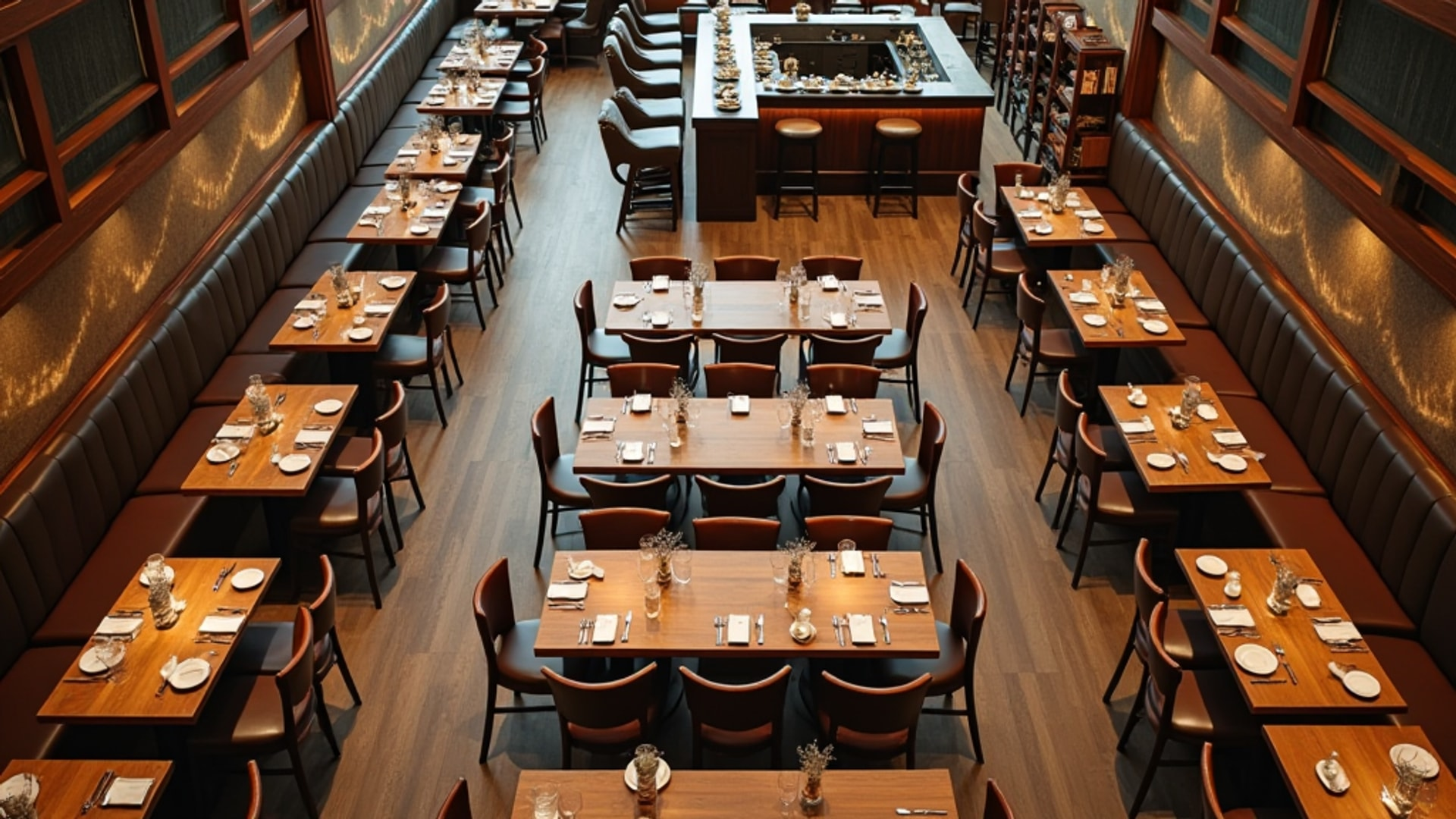
Restaurant furniture exists at the intersection of competing demands that residential furniture never faces: it must withstand daily commercial abuse while looking good in year three, it must be comfortable enough that guests want to stay but not so comfortable that they never leave, and it must be easy to clean without looking like it was designed primarily to be cleaned.
Most restaurant operators discover this friction the hard way — by purchasing furniture that looks great in a showroom or catalog and deteriorates badly within 18 months of heavy service. The upholstery peels. The frame joints loosen under the constant stress of being pushed, dragged, and tilted. The finish scratches from the same commercial cleaners that keep the surfaces sanitary.
Selecting commercial-grade furniture requires a fundamentally different approach than choosing residential furniture, according to StyleNations’ guide to commercial restaurant furniture selection. The demands of daily commercial use — heavy foot traffic, frequent cleaning with commercial chemicals, and constant repositioning — require materials and construction methods that far exceed residential standards.
The Commercial Grade Requirement
The first and most important principle: every piece of furniture in your restaurant must be specified for commercial use. This is not a brand preference; it is a construction standard.
For upholstered seating, commercial-grade fabric should be rated at Grade 5 or higher and tested to withstand at least 40,000 double rubs, according to StyleNations. A double rub is a testing standard that simulates the friction of someone sitting down and standing up. Consumer upholstery is typically tested to 15,000 to 25,000 double rubs. A restaurant seat that sees 200 or 300 covers daily will accelerate through those cycles rapidly. Fabric rated to 40,000 double rubs will maintain its appearance and structural integrity through years of heavy use; fabric rated to 15,000 will show wear within months.
Frame construction standards matter equally. Solid hardwood provides warmth and can be refinished when it shows wear. Powder-coated steel offers industrial durability and a modern aesthetic. Aluminum frames work well for outdoor settings due to their corrosion resistance and lightweight construction, according to StyleNations.
Many jurisdictions also require commercial upholstered seating to meet specific flame-retardant standards. This adds another layer to the material selection process that your supplier should be able to address with documentation.
Tables: The Operational Foundation
Height Standards
The optimal dining table height is 30 inches for table tops, which promotes comfortable posture when paired with standard 18-inch seat height chairs, according to The Restaurant Warehouse’s furniture selection guide. This pairing is the universal standard in dining room design, and varying from it requires careful coordination to ensure chairs and tables are properly matched.
Bar-height tables at 42 inches pair with bar stools at 28 to 30 inches of seat height. Counter-height tables at 36 inches pair with counter stools at 24 to 27 inches. If you are mixing table heights in the same space, ensure the furniture pairings are correct for each height.
Table Top Materials
Solid wood table tops suit upscale dining when finished with heat-resistant, scratch-resistant, and stain-resistant coatings, according to The Restaurant Warehouse. The natural beauty and warmth justifies the higher price point for fine dining and upscale casual concepts. The critical phrase is “finished with commercial coatings” — unfinished or residential-finish wood tops will show ring marks, scratches, and staining within weeks of service.
Laminate and veneer tops are more cost-effective and work well for casual cafes and fast-casual concepts where frequent reconfiguration is needed. Modern laminates replicate wood, stone, and other materials convincingly, and the construction is more durable than the name might suggest.
Table Shape and Configuration
Round tables encourage conversation and work well for smaller parties. Rectangular tables maximize seating capacity and can be pushed together for larger groups. Square tables offer the most flexibility for reconfiguration, according to The Restaurant Warehouse.
Table bases must be heavy enough to prevent tipping when guests lean on the edge — a frustrating and potentially embarrassing stability failure. Pedestal bases should provide adequate knee clearance so guests can sit comfortably without bumping the support column.
Chairs: Comfort Drives Dwell Time
Chair comfort directly influences how long guests stay and how they perceive the dining experience, according to The Restaurant Warehouse. For any restaurant where the average dining time exceeds 30 minutes — essentially any full-service restaurant — good back support is not optional. Guests who become uncomfortable midway through a meal unconsciously associate that discomfort with the overall experience.
Cushioned seating increases comfort for longer stays but adds maintenance requirements. Upholstered chairs require more frequent cleaning and are subject to staining and wear. The maintenance trade-off is worth accepting for dinner-focused concepts where guest comfort drives satisfaction and spending; it is harder to justify for high-turnover lunch operations where simplicity and speed of cleaning are more important.
Chair Frame Materials
Metal frames provide the greatest durability and are easy to clean, making them common in casual and quick-service environments, according to The Restaurant Warehouse. Powder-coated steel is the most durable finish for metal chairs; it resists chipping, scratching, and the corrosive effects of repeated cleaning.
Wood frames create warmth and sophistication suitable for fine dining and upscale casual concepts. Solid wood frames can be refinished when they show wear, extending the useful life.
Plastic and polypropylene chairs offer weather resistance for outdoor seating and the lowest maintenance requirements. Modern polypropylene chairs can achieve sophisticated aesthetics while providing exceptional durability for outdoor service.
Weight and Stackability
Weight matters for staff who must move chairs for cleaning and table resetting. Lighter options reduce physical strain during closing duties, according to The Restaurant Warehouse. Stackable chairs simplify storage and cleaning, making them practical for operations that reconfigure their dining room for events or need to clear sections during maintenance.
Booth Seating: The Case for Fixed Upholstered Seating
Booths occupy a unique position in restaurant seating strategy. They are more expensive than tables and chairs, less flexible, and harder to maintain — and guests consistently prefer them.
Why Guests Choose Booths
Booth seating provides a superior sense of privacy through high-backed benches, as detailed in our booth vs. table analysis and three-sided enclosures that create an intimate dining nook, according to Restaurant Furniture Plus. Padded seats and back supports deliver comfort that standard chairs cannot match for longer meals. From an acoustic standpoint, booth walls absorb sound and create acoustic separation between parties, improving conversation quality.
Booth seating is also more space-efficient than comparable table arrangements. A booth can often seat the same number of guests in 25 to 30 percent less floor space than a freestanding table arrangement, according to Restaurant Furniture Plus’s comparison analysis. This is because booths share walls with adjacent seating, eliminating the aisle gap required between separate chair backs.
For families with children, booths are particularly valuable: the enclosed design keeps children contained and reduces disruption to other guests, according to Restaurant Furniture Plus.

The Operational Case Against Booths
Booths sacrifice flexibility: they are fixed in place, cannot be easily reconfigured for different party sizes, and present accessibility challenges for elderly guests or those with mobility aids, according to Restaurant Furniture Plus.
Upholstery maintenance is more demanding. Booth cushions accumulate crumbs, absorb spills, and require periodic deep cleaning that is more involved than wiping down a chair seat. The seams and crevices of booth upholstery trap debris in ways that hard-surface chairs do not.
Custom-made booths can be significantly more expensive than standard table-and-chair setups. The initial investment is higher, and repair or replacement of damaged sections is costlier than replacing a single chair.
Banquettes: The Middle Path
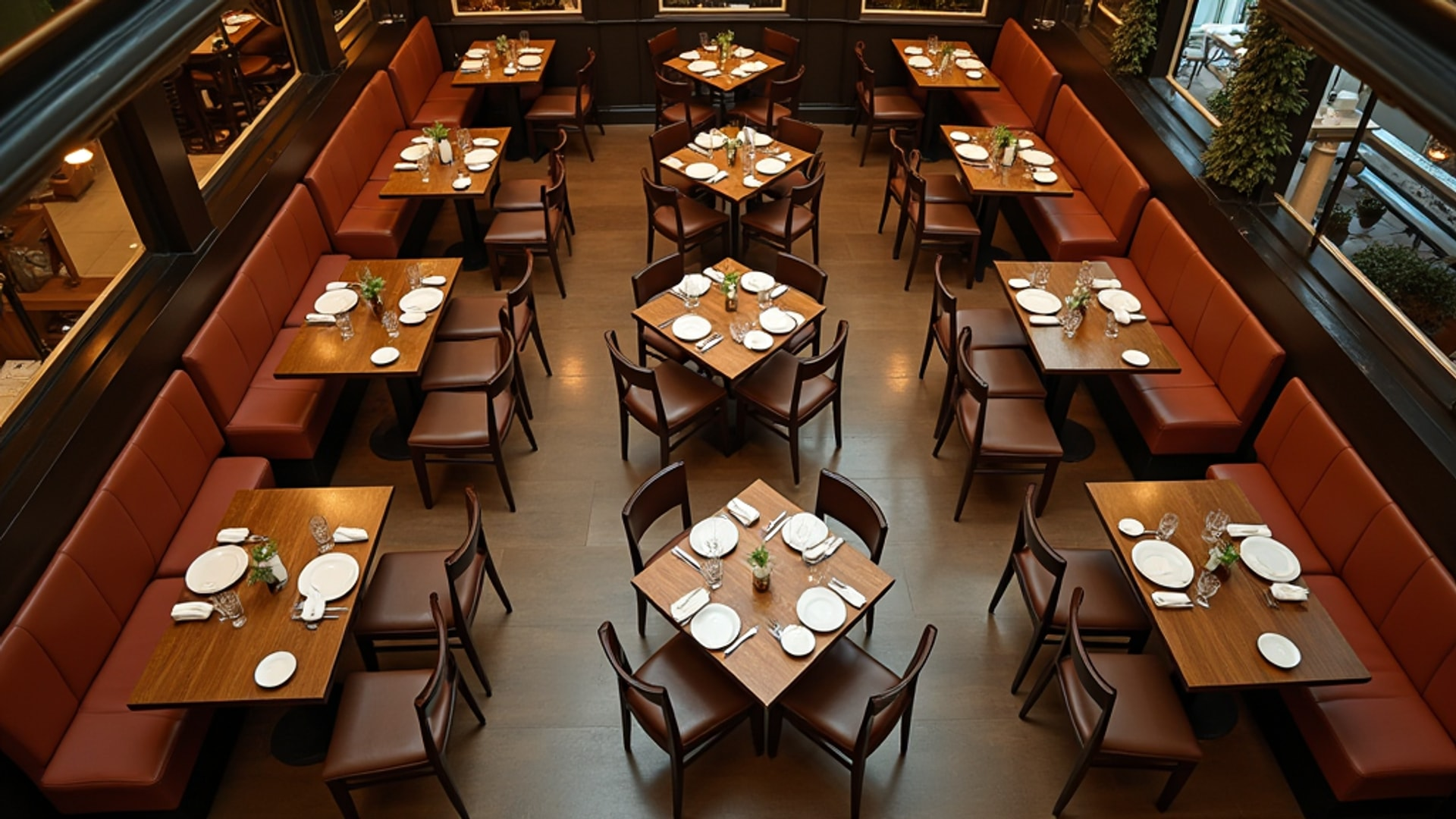
Banquettes represent a middle ground between the privacy of booths and the flexibility of tables. They provide the wall-side comfort and visual separation of a booth while pairing with movable tables and chairs on the open side, according to Restaurant Furniture Plus.
This configuration creates a flexible yet defined seating area: the upholstered banquette bench along the wall offers the comfort and acoustic benefits of booth seating, while the free-standing chairs on the other side can be moved or swapped easily. For restaurants against walls, banquettes make efficient use of perimeter space while offering guests a preferred seating option.
The Optimal Mix: 50/50 and Adjust
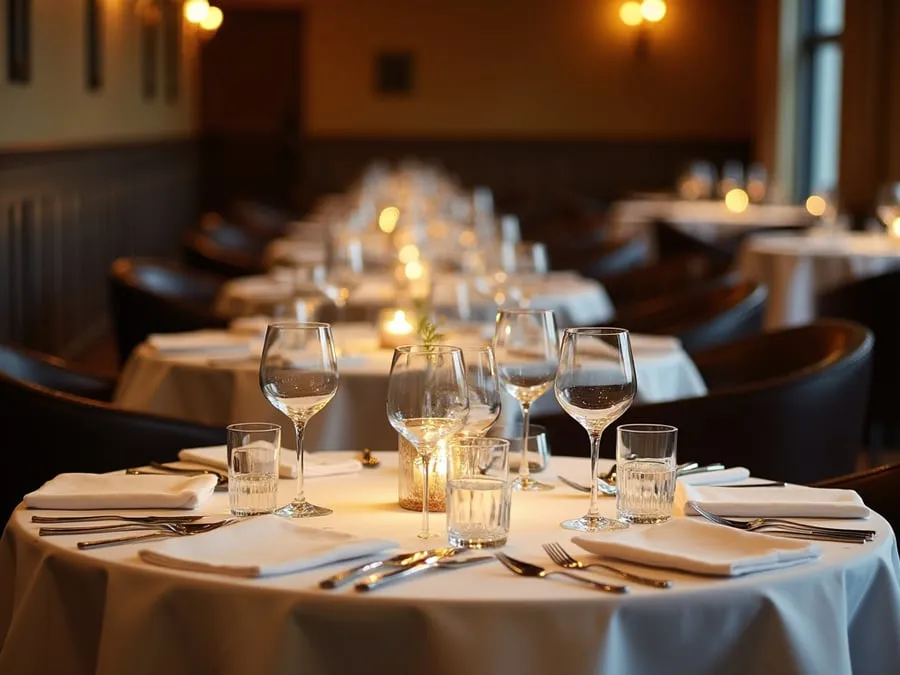
Most restaurant designers recommend a ratio of approximately 50 percent booths to 50 percent tables, adjustable based on concept and target market, according to Restaurant Furniture Plus. Perimeter booths with central table arrangements maximize flexibility while offering guests a choice that enhances their sense of control over the dining experience.
The adjustment should reflect:
Turnover goals: Research shows that guests seated at tables tend to finish meals faster and vacate sooner than those in booths, where the comfort level encourages lingering, according to Restaurant Furniture Plus. High-turnover concepts like casual lunch operations should weight toward tables. Evening and destination dining concepts should weight toward booths.
Party size mix: If your reservation data shows a high proportion of two-tops, your booth-to-table ratio can favor booths. If four- to six-person groups dominate, flexibility matters more.
ADA requirements: The accessible seating requirement means chairs must be movable for wheelchair accommodation. Ensure your table layout includes sufficient accessible seating options that comply with ADA pathway and clearance requirements.
Budget Strategy
Investing more in high-traffic items that take the most abuse reduces replacement frequency, according to The Restaurant Warehouse. Bar stools and host stand chairs turn over constantly and should be specified at the high end of your budget range. Secondary seating areas that serve overflow or large-group occasions less frequently can use more economical options without compromising the guest’s primary impression.
Bulk ordering from specialized commercial suppliers offers significant cost savings and customization options, according to StyleNations. Buying furniture in a single specified order — rather than mixing sources and styles — also produces visual coherence that makes the dining room look professionally designed rather than assembled.
The per-seat cost calculation matters for ROI: higher-quality furniture that lasts seven years is almost always more economical than budget furniture replaced every two to three years, once labor, installation, and disruption to service are factored in.
→ Read more: Restaurant Seating Layout and Floor Plan
→ Read more: Small Restaurant Space Design