· Case Studies · 9 min read
Chipotle's Food Safety Crisis and Recovery: Lessons in Operational Overhaul
Chipotle's 2015-2016 food safety crisis wiped out over 50% of its stock value and collapsed net income from $475 million to $22.9 million — and then the company rebuilt through a combination of operational overhaul, leadership replacement, and digital transformation.
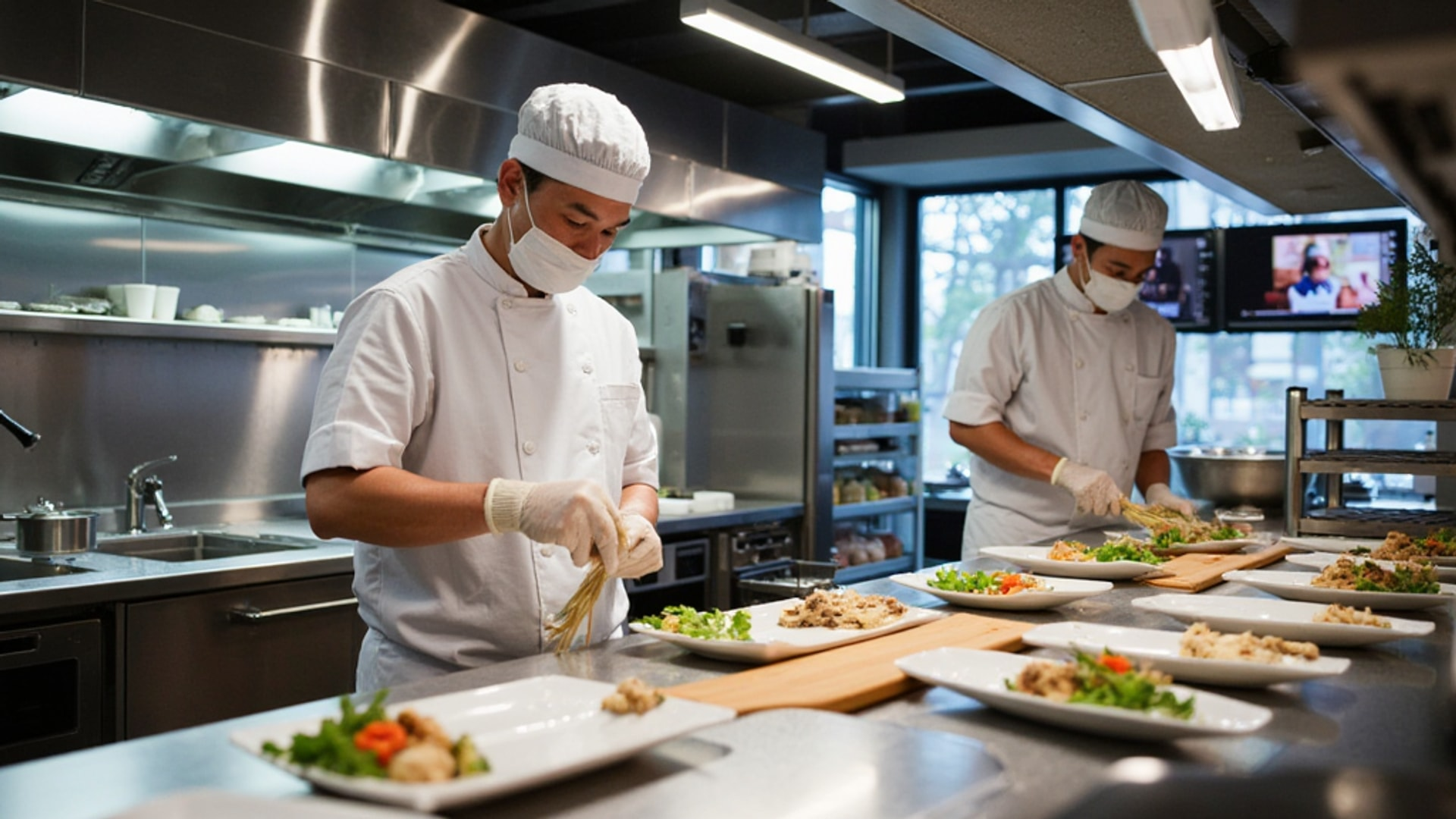
Food safety crises are the restaurant industry’s worst-case scenario. They threaten not just current revenue but the fundamental trust that every customer interaction depends on. Chipotle’s experience between 2015 and 2020 is the most extensively documented food safety crisis and recovery in the quick-service segment’s history, and the lessons it produced apply to every restaurant operator who serves food to the public.
The scale of the crisis was devastating. According to Cascade Strategy’s analysis of the company’s recovery, sales fell more than 30%, the stock price dropped over 50%, and net income collapsed from $475 million in 2015 to $22.9 million in 2016. A company that had been one of the fastest-growing brands in American dining was suddenly fighting for survival.
How the Crisis Unfolded
Multiple outbreaks struck Chipotle locations across multiple states and multiple pathogens simultaneously. E. coli, norovirus, and salmonella were all linked to Chipotle restaurants during the 2015-2016 period, exposing systemic failures in food safety protocols. The breadth of the problem (different pathogens, different locations, different supply chain components) indicated systemic food safety failures rather than an isolated incident.
The Chipotle brand had been built in part on the positioning of “Food With Integrity” — a marketing claim centered on fresh ingredients, ethical sourcing, and high-quality food. When the E. coli outbreaks began attracting media attention, the gap between that branding and the reality of food safety failures amplified the reputational damage. Customers who had chosen Chipotle specifically because they believed it was safer and more wholesome than conventional fast food felt particularly betrayed.
This is a dynamic that operators in every segment need to understand: the higher your quality positioning, the more devastating a food safety failure becomes. A brand built on “fast and cheap” has less to lose from a safety incident than a brand built on “wholesome and trustworthy.” The positioning creates both the premium and the premium risk. Worth remembering the next time you consider leading with a health or quality claim in your own marketing.
The Immediate Response
Chipotle’s immediate crisis response followed the pattern recommended by crisis management professionals: acknowledge, investigate, and remediate visibly.
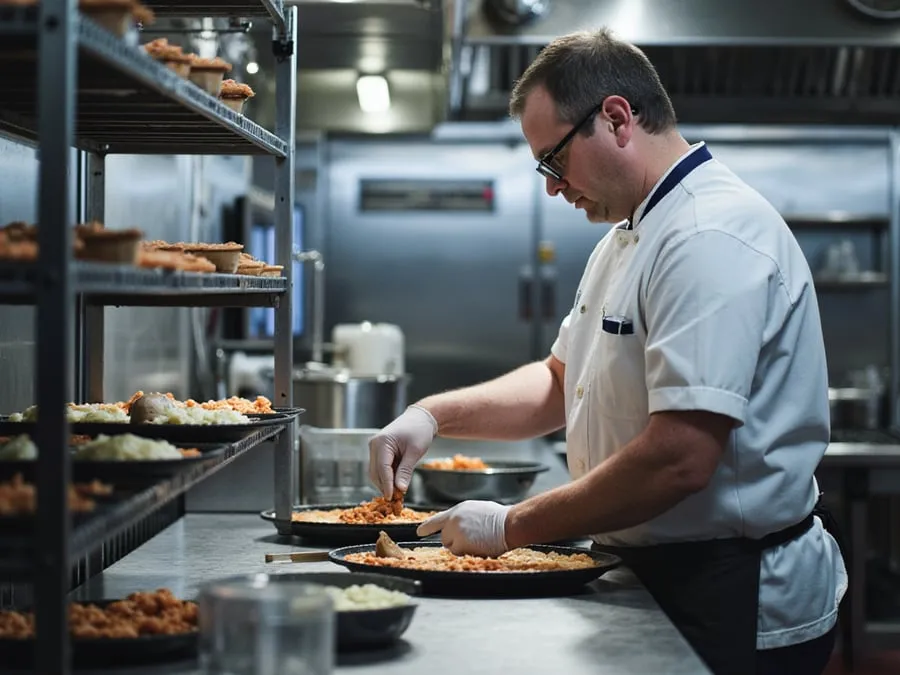
The company hired food safety consultant Mansour Samadpour of IEH Laboratories to conduct a comprehensive assessment. His recommendations touched every step of the supply chain. More food was shifted to preparation at commissary facilities before distribution, reducing the number of handling points at individual restaurants. The company spent $25 million enhancing food handling protocols, supplier audits, and DNA-based food testing procedures.
In February 2016, Chipotle took a dramatic visible action: closing all stores nationwide for a company-wide staff meeting on food safety. This simultaneous closure was operationally expensive and generated significant short-term revenue loss. It was also communicatively powerful. It demonstrated to the public and to Chipotle’s own staff that the company was treating food safety as a genuine emergency rather than a PR problem to be managed.
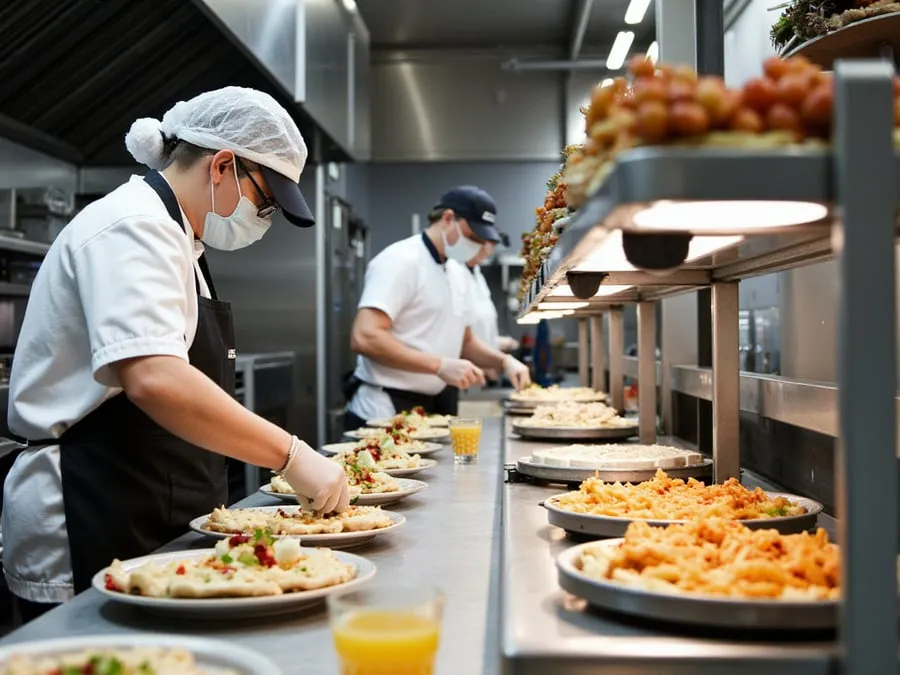
New protocols implemented across all locations required employees to wash hands every 30 minutes. Fresh produce was required to be immersed in hot water for bacterial elimination before use. These were procedural changes that affected the pace of every service at every location, accepting operational friction as the cost of genuine safety improvement.
A full-page newspaper advertisement signed by founder Steve Ells expressed deep personal accountability, a textbook example of effective crisis communication. The “signed by the founder” detail was deliberate: it put a human face of accountability on an institutional failure and demonstrated that responsibility was being accepted at the highest level.
The Leadership Overhaul
Crisis recovery often requires leadership change, and Chipotle’s recovery is a clear example. The crisis revealed that the existing leadership team, whatever its strengths, was not positioned to execute the necessary transformation.
Co-CEO Monty Moran resigned in December 2016. Founder Steve Ells stepped down in November 2017. The departure of the founder was particularly significant. It signaled that the company was willing to prioritize recovery over continuity, and that the new leadership team would not carry the defensive instincts of those who had been in charge when the crisis occurred.
Brian Niccol, formerly the CEO of Taco Bell, took over in February 2018. His background at a direct competitor brought a specific set of capabilities: he understood the competitive dynamics of fast-casual and quick-service dining, he was not emotionally attached to the decisions that had contributed to the crisis, and he had demonstrated experience with brand management at scale.
One of Niccol’s early signals was relocating the company headquarters. The move was symbolic but meaningfully so, communicating a cultural reset and physical separation from the institutional inertia that had accumulated at the previous location.
The Marketing and Digital Pivot
Under Ells, Chipotle had operated with minimal advertising investment, relying on the brand’s reputation and word-of-mouth to drive traffic. After the crisis, that strategy was clearly insufficient.
Niccol authorized a shift to aggressive nationwide marketing campaigns. The company also distributed free food to drive trial among customers who had stopped visiting during the crisis. These promotional investments generated a 17.8% revenue increase in the first quarter of 2017 — the first positive signal that the brand had survived the worst of the damage. That quarter felt like proof of life.
The digital transformation under Niccol was more strategic than promotional. Chipotle invested heavily in digital ordering infrastructure, partnering with DoorDash for delivery at 95% of locations and building a robust mobile app. By 2020, digital orders represented a substantial portion of total sales.
The digital channel served a specific function in the recovery beyond operational efficiency. For customers who still had lingering concerns about the in-store dining experience, digital ordering and delivery provided an ordering channel that felt psychologically safer — the food was prepared and packaged before they received it, in a context that felt distinct from the in-restaurant experience associated with the outbreaks. Whether or not this concern was rational, addressing it was a legitimate part of rebuilding the customer relationship.
The Operational Recovery Numbers
The financial recovery tracked closely with the operational and leadership changes.
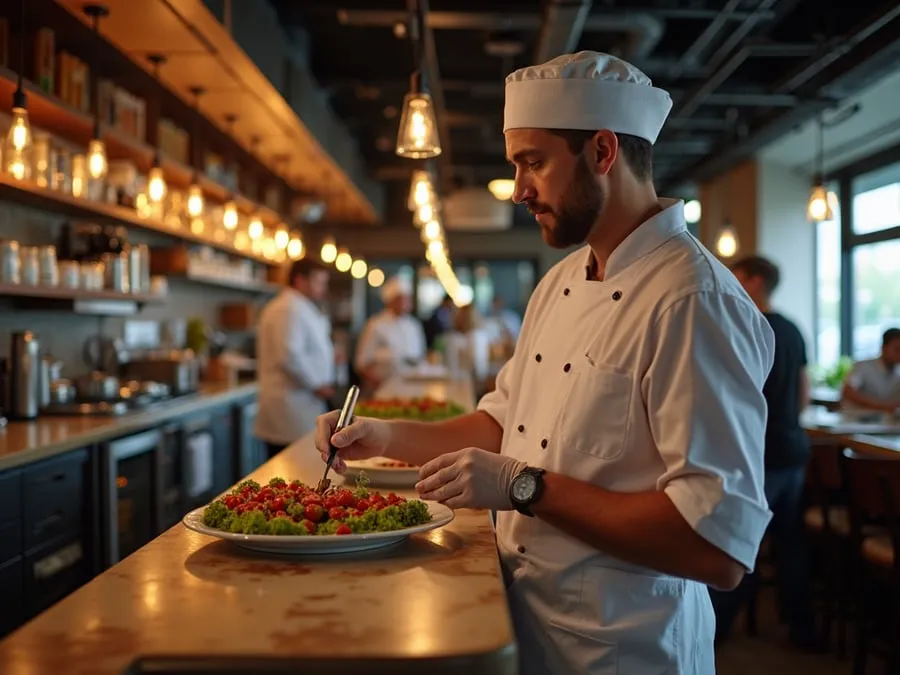
By 2017, net income rebounded to $176 million, up from $22.9 million in 2016’s crisis year. This was not yet back to the $475 million pre-crisis peak, but it represented a recovery trajectory that demonstrated the business remained fundamentally viable.
By March 2020, 65 underperforming locations had been closed to improve overall system efficiency. This pruning of underperforming locations is standard crisis recovery practice: concentrating resources on higher-performing locations improves average unit economics and reduces the operational complexity of managing a marginally viable tail.
→ Read more: Crisis and Turnaround: Real Stories of Restaurants That Pulled Back from the Brink
The stock price eventually surpassed its pre-crisis high, fully vindicating the recovery strategy from an investor perspective. That outcome required five years of sustained operational improvement, leadership change, and marketing investment.
The DNA Testing Commitment
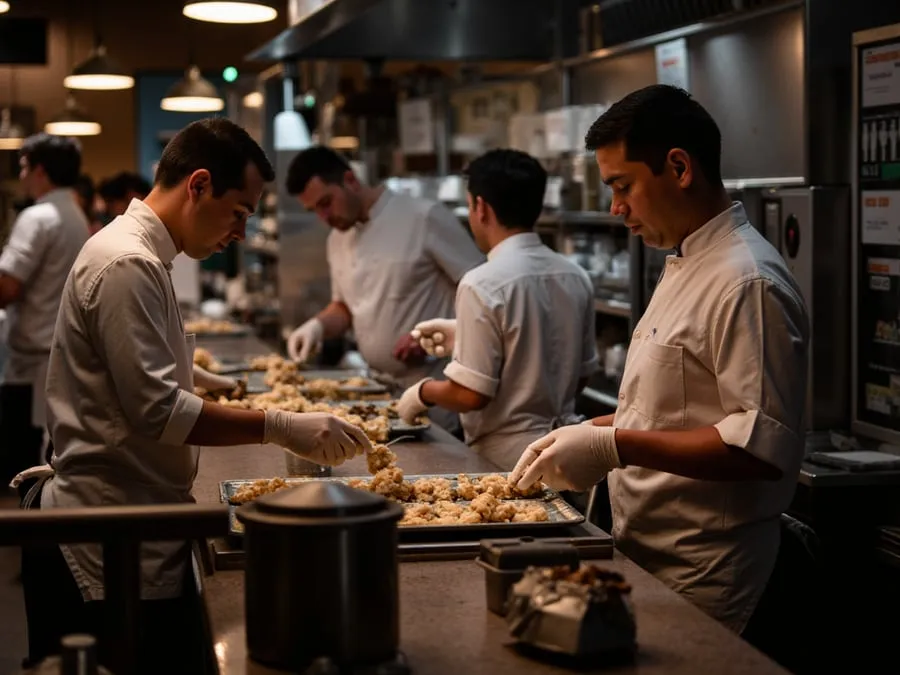
One specific element of Chipotle’s response deserves attention for its implications beyond the Chipotle case: the adoption of DNA-based food testing for ingredients.
Traditional food testing involves taking samples and testing them for pathogen presence. This testing has inherent lag: results take time, and by the time contamination is detected, product has often already been distributed and used. DNA testing can identify the source of contamination after the fact with precision, enabling supply chain audits that are far more targeted than traditional approaches.
Chipotle’s investment in this testing capability was expensive and represented a genuine operational commitment beyond what most restaurant companies had implemented. It also provided a communication asset: the company could point to specific, technically sophisticated safety measures that demonstrated substantive investment rather than procedural theater.
For restaurant operators at any scale, the Chipotle DNA testing commitment raises a question worth examining: what specific, measurable investments in food safety infrastructure can you point to when a question arises? “We follow standard procedures” is not a sufficient answer in an environment where food safety failures attract intense media attention and social media amplification.

What This Case Study Teaches About Crisis Management
The Chipotle case provides a near-complete playbook for food safety crisis response, though the scale of the investment required is genuinely daunting.
According to Aaron Allen & Associates’ restaurant turnaround research, speed of response is the single most critical factor in crisis recovery, a principle Chipotle’s actions validated.
Speed of response matters. Chipotle moved quickly on initial remediation once the scope of the crisis became clear. Delayed responses allow the public narrative to establish before the company has taken visible action, making recovery harder.
Visible sacrifice demonstrates seriousness. The nationwide store closure was expensive and generated negative short-term financials. It was also a clear signal that the company was treating the situation as genuine emergency rather than PR crisis. Visible sacrifice (accepting real operational pain to communicate commitment) is one of the most credible forms of crisis communication.
Leadership change is sometimes necessary, not just symbolically. The departures of Moran and Ells were not purely symbolic. New leadership brought different analytical frameworks, different relationships with external advisors, and freedom from the defensive instincts that naturally attach to decisions made under one’s watch.
Recovery requires a parallel positive story. Chipotle’s digital transformation gave the brand a forward narrative distinct from the crisis narrative. Recovery from a crisis requires fixing what went wrong and giving stakeholders (customers, investors, employees, media) a reason to invest in a future that looks different from the crisis period.
Financial recovery takes longer than operational recovery. Same-store sales can recover in 12-18 months with aggressive action. Full financial recovery (returning to pre-crisis profitability and stock valuation) took Chipotle approximately five years. Restaurant operators should plan crisis recovery timelines accordingly and avoid declaring victory prematurely.

The Preventive Lesson
The most valuable lesson from Chipotle’s experience may be preventive rather than responsive. The company spent $25 million on food safety improvements after the crisis. The cost of the crisis (in lost revenue, marketing investment, operational disruption, leadership change, and reputational damage) was an order of magnitude larger than that remediation investment.
Food safety infrastructure investment is the kind of spending that produces no visible return in good times and produces extraordinary returns, measured as disaster avoided, in the crisis it prevents. Most operators systematically underinvest in this category because the return is invisible until a crisis demonstrates what the underinvestment was costing.
Chipotle’s experience is a concrete valuation of what robust food safety infrastructure is worth. The company that fails on food safety doesn’t just suffer a PR problem — it risks an existential crisis that requires five years and enormous resources to recover from. That math should settle the debate. Measured against that risk, the cost of genuine food safety investment is almost always worth it.
→ Read more: Food Safety and HACCP
→ Read more: Health Inspection Preparation