· Legal & Compliance · 7 min read
Restaurant Food Recall Procedures: Response Plans and Legal Requirements
When a food recall hits, you have hours — not days — to act correctly. Here is the step-by-step procedure every restaurant needs, before a recall happens.
A food recall does not announce itself with adequate warning. It arrives as an alert email from the FDA or USDA, or a call from a distributor, often in the middle of a prep shift. What happens in the next few hours determines whether your restaurant handles the recall professionally or becomes part of a foodborne illness investigation.
Most restaurant operators assume their distributor will notify them when a recall occurs. WebstaurantStore’s food safety guidance is blunt: this assumption is dangerous. The communication chain from manufacturer to distributor to restaurant is not reliably fast or complete. Restaurants that rely entirely on distributor notification are routinely the last to learn about recalls affecting their inventory — and first to serve affected product to customers who get sick.
A recall response plan built in advance, rehearsed with staff, and documented for compliance purposes is not optional for operators who take their legal and ethical obligations seriously.
How Food Recalls Actually Work
When a manufacturer identifies a problem with a food product (contamination, allergen mislabeling, foreign material, regulatory violations), they initiate a recall, typically in coordination with the FDA (for most food products) or USDA (for meat, poultry, and egg products).
The FDA and USDA classify recalls by severity:
- Class I: A reasonable probability that consuming the product will cause serious adverse health consequences or death. Examples include Listeria contamination, undeclared allergens in products consumed by allergic individuals, and certain pathogen contaminations.
- Class II: A remote probability of adverse health consequences from consuming the product, or the consequences are medically reversible.
- Class III: Consuming the product is unlikely to cause adverse health consequences.
Class I recalls demand the fastest possible response. When a Class I recall involves product in your inventory, the legal and ethical pressure to pull it immediately is absolute.
Recall notifications flow from manufacturers to distributors, who are supposed to notify the restaurants that received the affected product. In practice, this notification can be slow, incomplete, or targeted only at direct purchasers. A restaurant that sourced recalled product through a secondary distributor or a buying group may not be contacted at all.
The only reliable solution is proactive monitoring. Sign up for recall alerts directly from the FDA (www.fda.gov/safety/recalls-market-withdrawals-safety-alerts) and USDA’s Food Safety and Inspection Service. Check these alerts regularly, daily during periods of active recall activity. Some food safety software platforms aggregate recall notices and cross-reference them against your inventory automatically.
The Four-Step Response Process
When you receive a recall notice, the response must be immediate and systematic. Here is the procedure that WebstaurantStore’s food safety guidance and industry compliance frameworks align around.
Step 1: Identify Affected Product
Pull the recall notice and note the exact product name, brand, lot numbers, and manufacturing or use-by dates specified. Then examine your actual inventory.
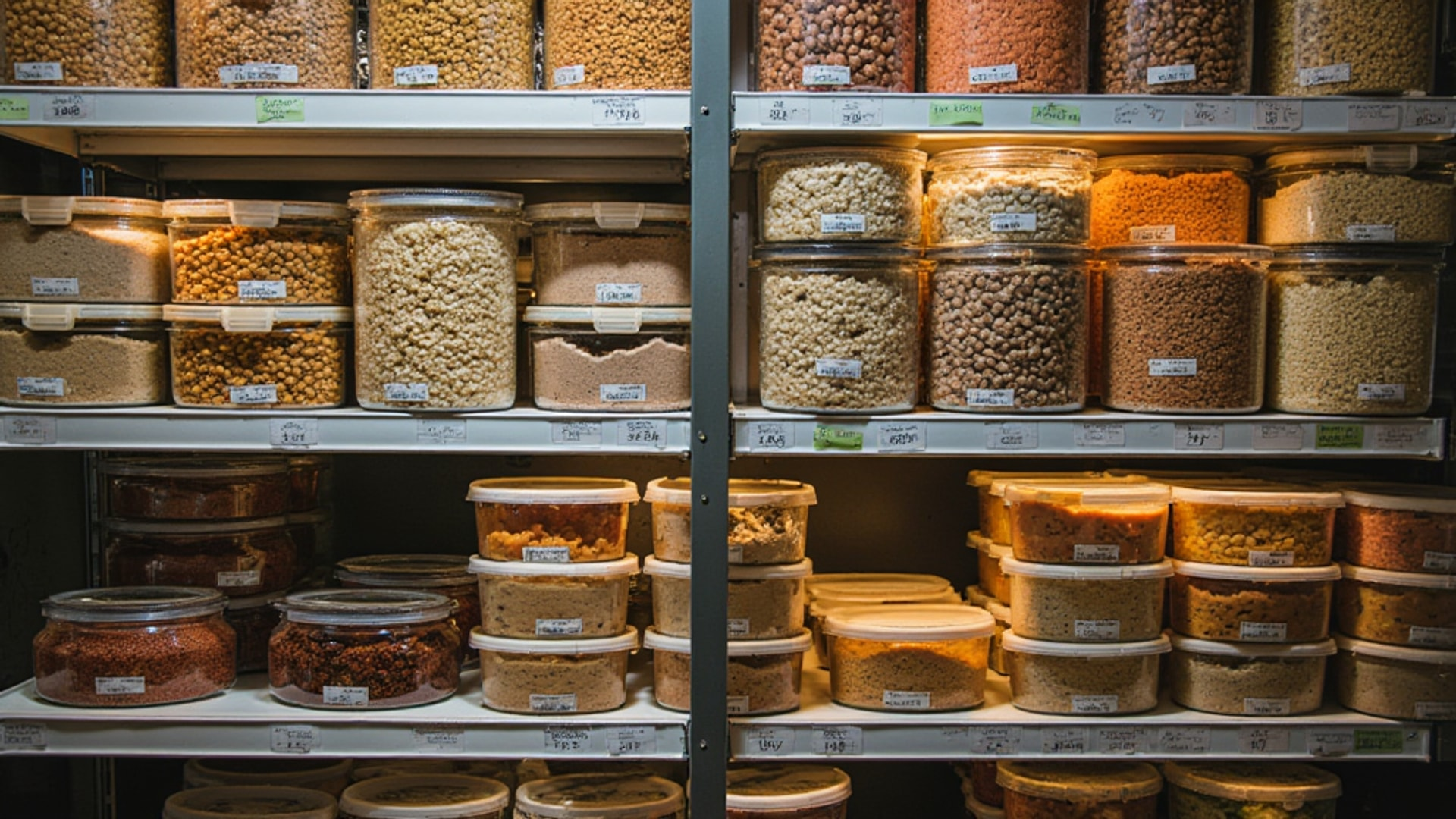
This step is faster and more accurate when ingredients are stored in their original manufacturer containers. A cook who has transferred recalled product into a generic storage container with no label has made identification nearly impossible. Train your team to maintain original packaging, or at minimum, to transfer lot number and product information to any secondary container.
Cross-reference the recall information against your receiving logs and purchase records. If you ordered from the affected manufacturer during the relevant production period, pull invoices and delivery records. When you have any doubt about whether a specific product lot is affected by the recall, the correct answer is to treat it as affected. The cost of discarding an unaffected product is trivial compared to the risk of serving contaminated food.
Step 2: Remove and Segregate Immediately
Remove all affected product from service and storage. Do not wait for confirmation of customer exposure or additional instructions from your distributor.
Segregate recalled items in a secure, clearly labeled area completely separate from all food, equipment, utensils, and packaging. The goal is zero possibility of accidental use or cross-contamination. Lock the area if possible. Mark it clearly: “DO NOT USE — RECALL IN PROGRESS.”
Follow the manufacturer’s specific disposal instructions, which will be included in the recall notice. Different types of contamination require different disposal methods. Some recalls require the product to be returned to the distributor; others require on-site disposal with documentation.
Step 3: Document Everything
This step directly affects both your legal exposure and your ability to get reimbursed.
Documentation should include:
- A photograph of the affected product as found in your inventory, showing lot numbers and manufacturing dates
- The date and time you received the recall notification
- The date and time you removed the product from service
- Quantities affected, itemized by product and lot number
- Disposal method used and disposal date
- Photographs of disposal where possible
- Disposal receipts or records from any waste management service
In cases where recalled product may have been served to customers before the recall was discovered, document that as well: approximate dates of service, quantities served, and any customer complaints received.
This documentation serves multiple purposes simultaneously. It demonstrates compliance to health department inspectors and regulators. It supports reimbursement claims with the manufacturer. It provides a defense in any litigation arising from the recall.
Step 4: Communicate with Stakeholders
Internal communication comes first. All employees who work with food preparation, storage, and service need to know about the recall immediately. They need to understand what product was affected, that it has been removed from service, and what the correct response is if a customer asks about it.
Then contact your distributor and manufacturer. Confirm the scope of the recall and your purchases during the affected period. Initiate the reimbursement process — in most recalls, restaurants are entitled to reimbursement for recalled product that has not been served. Document these communications.
Monitor for customer illness reports. If customers contact you reporting illness after consuming recalled product, document the reports and consult with your attorney about your reporting obligations and liability exposure. Some jurisdictions require restaurants to report suspected foodborne illness clusters to the local health department.
Building Your Recall Response Infrastructure
The operators who handle recalls best are those who have done the work before a recall occurs.
Create a written recall response checklist that assigns specific tasks to specific roles. Who checks the FDA/USDA alerts? Who pulls inventory and cross-references against recall notices? Who makes the call to the distributor? Who documents disposal? Names attached to roles, not just job titles. If your inventory manager is the one responsible for checking recall alerts, that person needs to know it explicitly.
Train your team on the procedure. A recall response is not the time to figure out what to do. Walk your kitchen staff through the identification process. Make sure they know that product in original packaging allows identification and product in unlabeled containers does not.
Maintain organized receiving records. Invoices, delivery manifests, and purchase orders should be retained and organized so that a two-minute review can answer the question: “Did we receive product from Manufacturer X during dates Y through Z?” If your receiving records are a box of crumpled invoices in the back office, you cannot answer that question under time pressure. A solid inventory management system makes this dramatically easier.
→ Read more: Food Traceability: FDA Rule 204, Record-Keeping, and Compliance Requirements
Review your food safety software. If you use a food safety platform or inventory management system, explore whether it has recall alert integration. Some systems can automatically flag recall notices against your purchase history and alert management without manual monitoring.
Legal Liability When Recalls Are Mishandled
The legal exposure from a mishandled recall is significant. If a customer becomes ill after consuming recalled product that your restaurant should have pulled from service, you face potential liability for negligence. The key legal question will be: did the restaurant take reasonable steps to monitor for and respond to food safety recalls?
Evidence that you had a recall response procedure, monitored regulatory alerts, and documented your response supports a reasonable care defense. Evidence that you ignored recall notifications, had no monitoring system, and served recalled product for days after the recall was public creates substantial liability exposure.
Your liability insurance policy should be reviewed for foodborne illness and recall-related coverage. Many general liability policies have exclusions or sublimits for food contamination claims. Know what your coverage looks like before you need it.
Food recalls are an unavoidable feature of operating in a supply chain you do not fully control. What is entirely within your control is whether your restaurant has a procedure ready before the next one happens.
→ Read more: Food Safety Compliance: Protecting Your Guests and Your Business
→ Read more: Restaurant Crisis and Emergency Preparedness: Planning for the Unexpected