· Operations · 9 min read
Food Safety and CDC Foodborne Illness Prevention: What Every Restaurant Must Know
The CDC's outbreak data reveals the specific practices that cause most restaurant foodborne illness events — and most of them are entirely preventable.
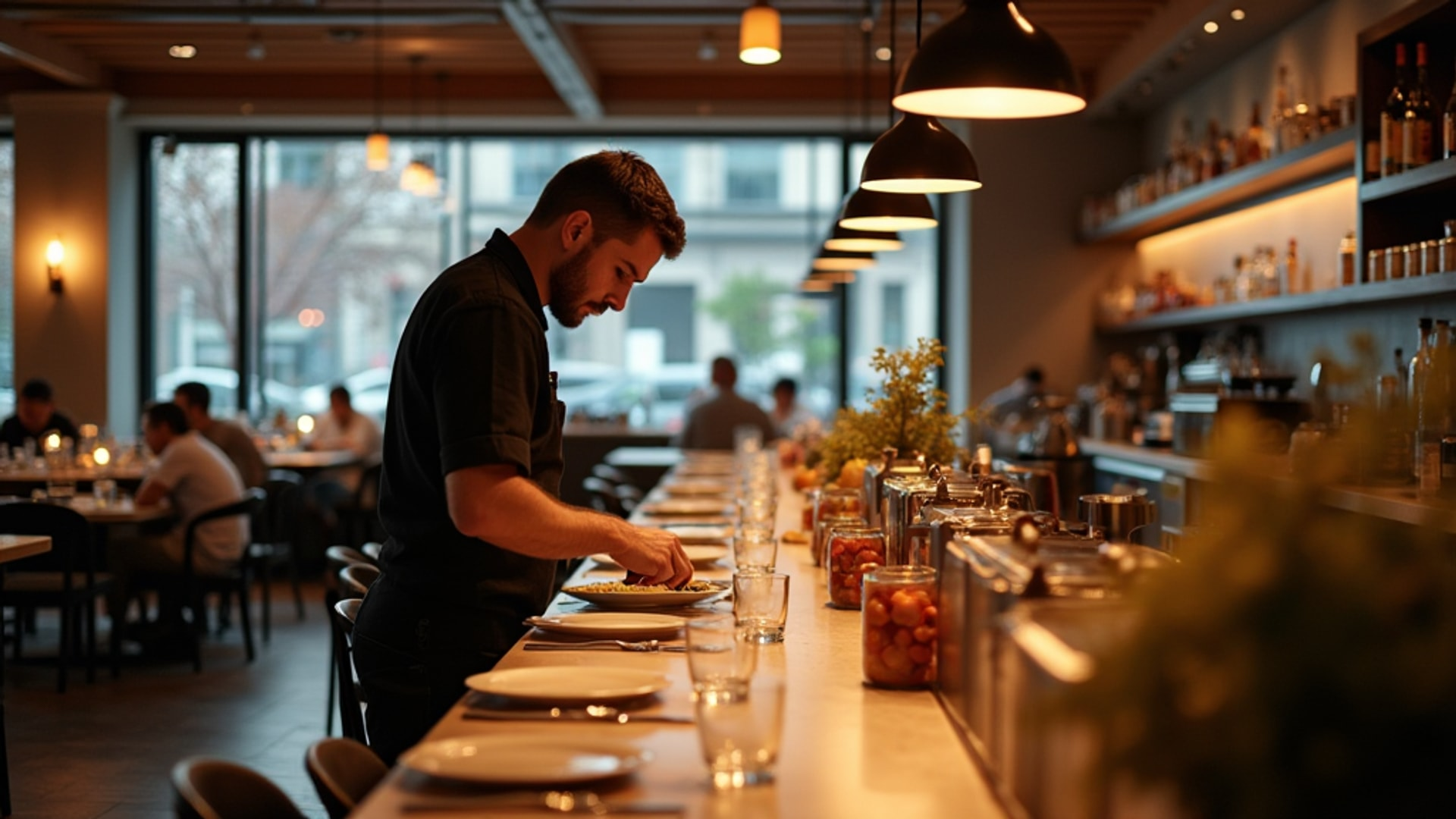
A single foodborne illness outbreak can permanently damage a restaurant’s reputation. A serious one can close it. The financial cost — remediation, legal liability, lost business during closure — is severe. The human cost of making guests sick is worse.
What makes foodborne illness prevention both urgent and achievable is that the causes are well-documented and largely preventable. The CDC investigates foodborne illness outbreaks and, through the National Environmental Assessment Reporting System (NEARS), aggregates data from those investigations into national patterns. That data tells a clear story: most restaurant outbreaks trace to a small set of recurring practices and conditions, virtually all of which are within an operator’s control.
Understanding what the CDC’s data actually shows is more useful than general food safety guidance. The patterns in outbreak data point directly to where to focus prevention effort.
How Food Becomes Unsafe: Three Pathways
The CDC classifies contributing factors in restaurant outbreaks into three categories that describe how food becomes unsafe at different stages of the preparation process.
Contamination is when pathogens get into food through direct contact or cross-contamination. The most common pathway, according to CDC data, is a sick food worker handling food with bare hands and transferring pathogens — most often norovirus — to ready-to-eat items. Other contamination routes include using contaminated equipment, failing to wash hands between handling raw meat and ready-to-eat food, and receiving food from unsafe sources.
Proliferation is when pathogens already present in food multiply to dangerous levels. This primarily occurs when food is held at improper temperatures. The temperature danger zone — between 40 and 140 degrees Fahrenheit — provides ideal conditions for rapid bacterial multiplication. Inadequate refrigeration, slow cooling of hot foods, and prolonged holding at room temperature are the primary proliferation factors.
Survival is when pathogens survive a process that should have killed them. Insufficient cooking temperatures are the primary survival factor — food not heated to the minimum internal temperature required to destroy harmful microorganisms. Inadequate reheating of previously cooked food is another common survival factor.
These three categories map directly to your kitchen’s practices. Every food safety protocol you implement either prevents contamination from occurring, prevents proliferation by controlling temperature and time, or ensures survival factors are eliminated through proper cooking and reheating.
The Most Common Causes of Restaurant Outbreaks
CDC data consistently identifies sick food workers as the leading contributing factor in restaurant foodborne illness outbreaks. The specific scenario: an employee who is experiencing vomiting or diarrhea — symptoms associated with highly contagious illnesses like norovirus — comes to work and handles food.
This is both the most common cause and the most preventable. Policies requiring employees to stay home when they are experiencing vomiting, diarrhea, jaundice, or sore throat with fever are standard best practice, and they work when actually enforced. The challenge is economic: hourly food service employees who lack paid sick leave often cannot afford to miss shifts, creating pressure to work while symptomatic. Restaurants that build sick employee policies without addressing the underlying economic barrier will find those policies inconsistently followed.
The practical solution involves both the policy and the economics. Clear, documented sick leave policies that include paid sick time — even a limited number of days — reduce the financial pressure that leads workers to come in sick. Cross-training that provides backup coverage reduces the operational disruption when staff call out, making it easier for managers to accept call-outs rather than pressuring workers to come in.
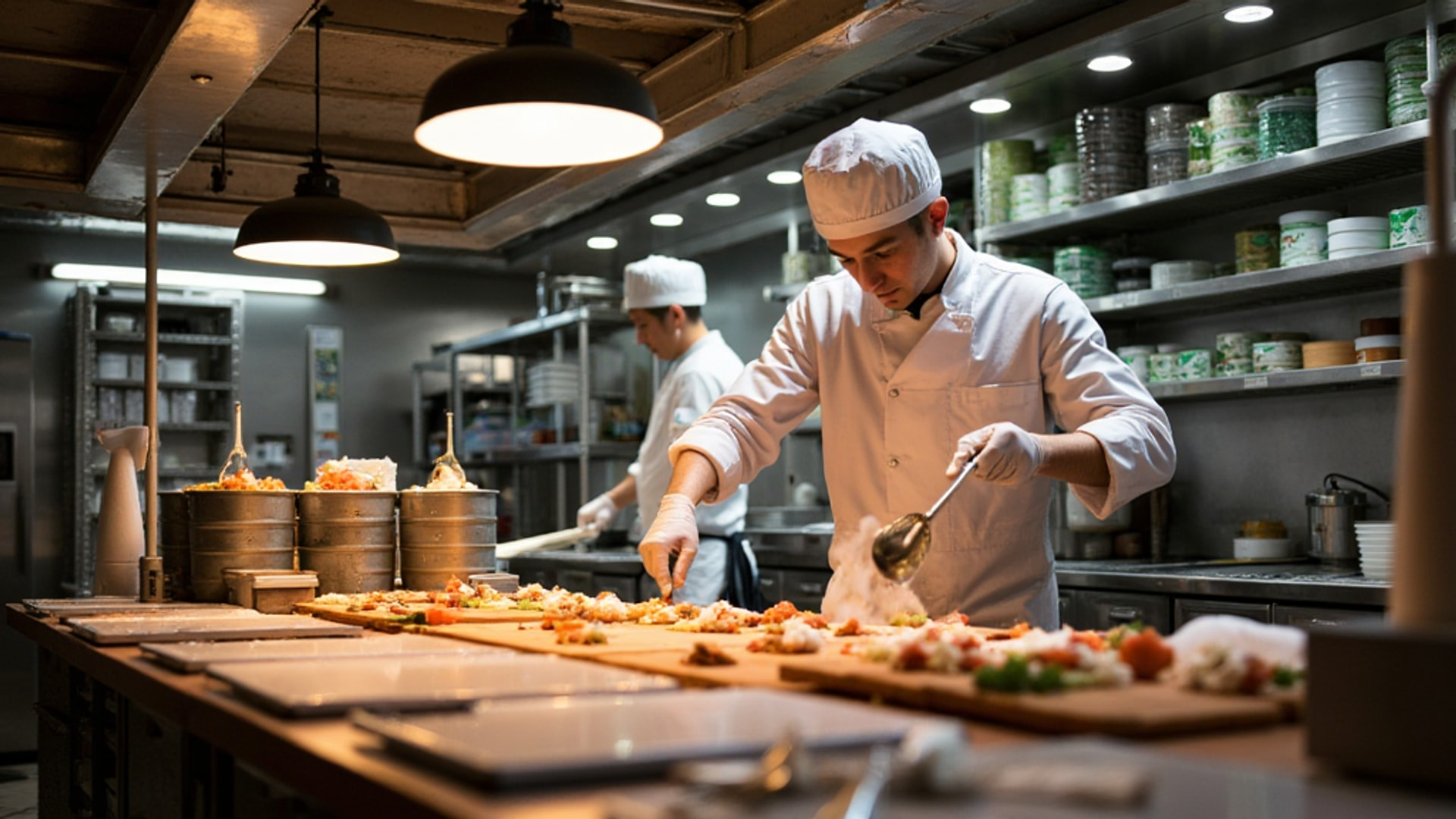
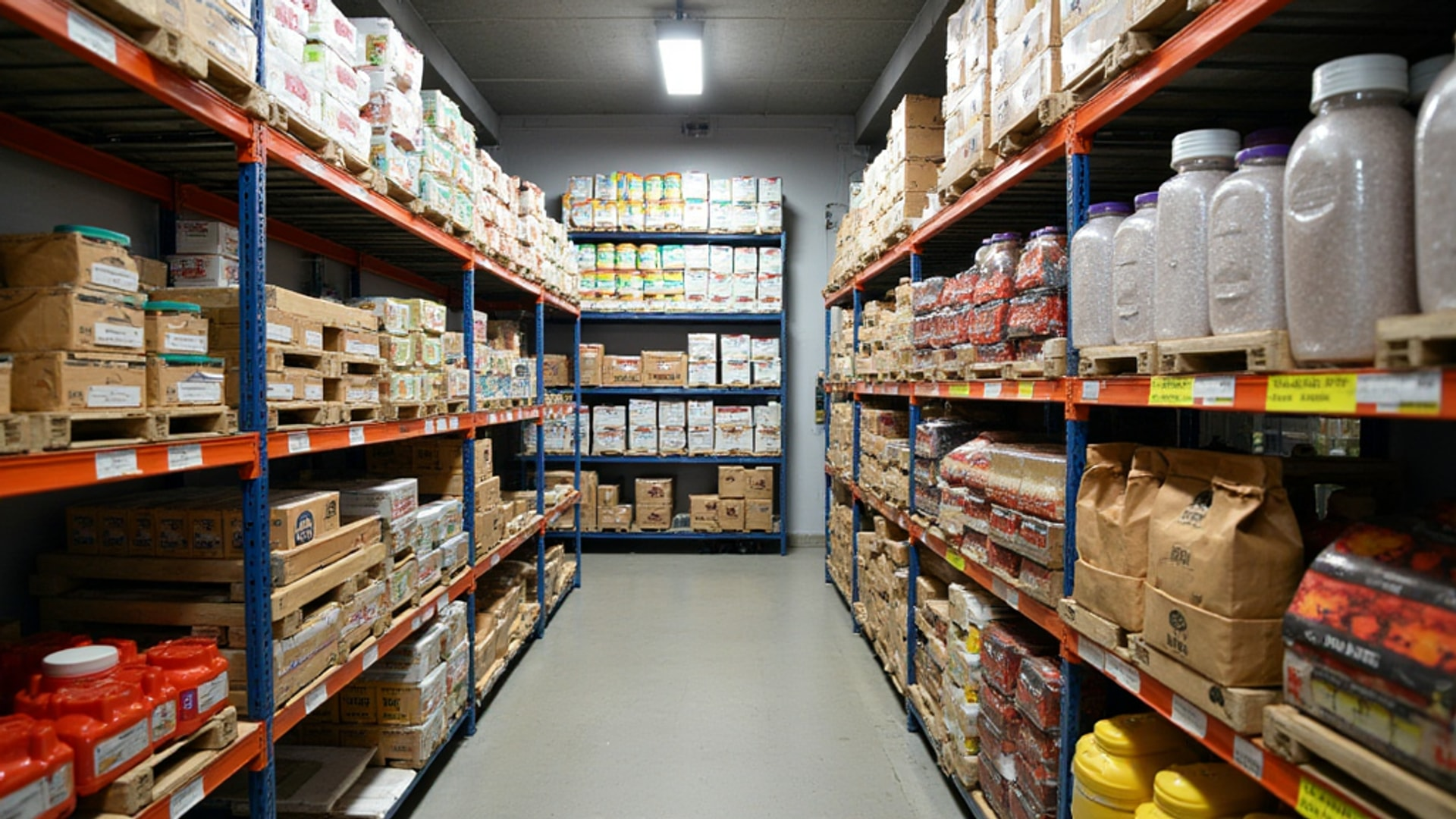
Cross-contamination between raw and ready-to-eat foods is the second major cluster of outbreak causes. Raw proteins carry pathogens that are eliminated by cooking — but if those pathogens transfer to a salad, a bread roll, or a dessert that will not be cooked, they reach the guest intact. The prevention requires physical separation: dedicated cutting boards and utensils for raw proteins, segregated storage with raw proteins below ready-to-eat items, and thorough handwashing between handling different food categories.
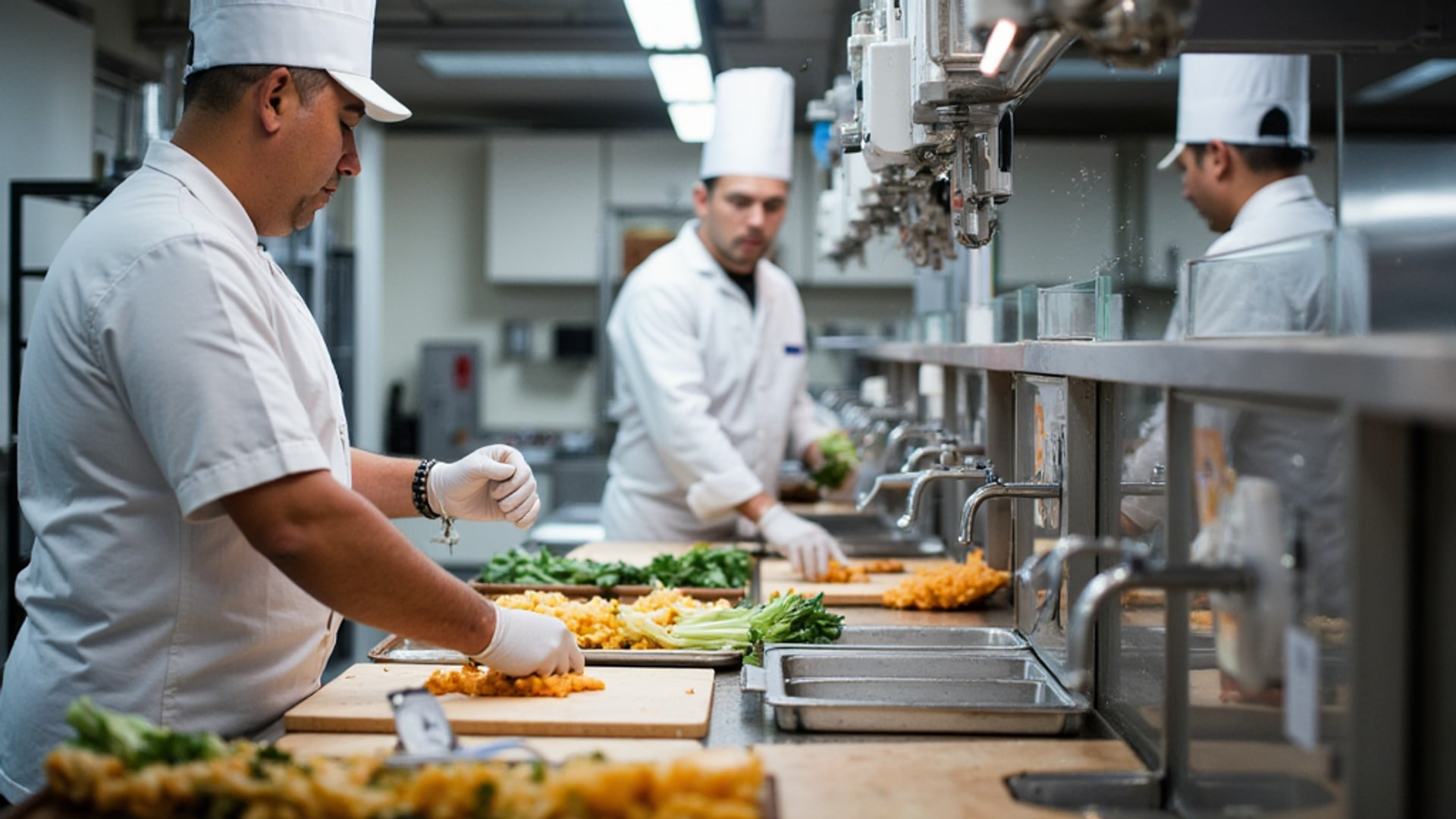
Inadequate handwashing is both a contamination cause and an amplifier of every other risk. According to the CDC, handwashing between food preparation tasks is one of the most frequently identified contributing factors in outbreak investigations. The protocol is well established: wet, soap, 20 seconds of scrubbing, rinse, dry with a clean towel. The compliance gap is that it is easy to skip and easy to rush, especially during busy service periods. Making proper handwashing stations conveniently located, fully stocked, and prominently visible reduces the friction that leads to non-compliance.
HACCP: The Systematic Prevention Framework
HACCP — Hazard Analysis and Critical Control Points — is the internationally recognized food safety management system that provides a structured methodology for identifying and controlling food safety hazards throughout the entire food handling process.
According to CloudKitchens, HACCP is built on seven core principles. The first is hazard analysis: identifying all potential biological hazards (bacteria, viruses, parasites), chemical hazards (cleaning agents, allergens, pesticides), and physical hazards (glass, metal, bone fragments) at every stage of food handling from receiving through service.
Critical control points — CCPs — are the specific stages where identified hazards can be prevented, eliminated, or reduced to safe levels. In a typical commercial kitchen, CCPs include cooking (where pathogens must be destroyed), cooling (where proliferation risk is highest), and receiving (where temperature and quality verification occurs). For each CCP, critical limits define the boundary between safe and unsafe: the minimum internal temperature for a specific protein, the maximum delivery temperature for refrigerated product, the maximum time between cooking and reaching safe storage temperature.
Monitoring procedures define how, when, and by whom each CCP is checked. Cooking temperatures require a calibrated thermometer used at the thickest part of each protein. Refrigeration temperatures require logged checks at specific intervals. These monitoring activities create the documentation record that demonstrates compliance and enables trend identification.
Corrective actions specify exactly what happens when a critical limit is not met. If a chicken breast reaches serving temperature below the minimum required, it goes back on the grill — it does not go to the table. If a delivery arrives above the maximum acceptable temperature, it is rejected — it does not go into the walk-in. Predetermined corrective actions eliminate the hesitation that can lead to unsafe decisions under service pressure.
Temperature Control: The Most Actionable Prevention
Temperature is the single most controllable variable in preventing both proliferation and survival. Getting temperature right across all stages of food handling — receiving, storage, preparation, cooking, cooling, and reheating — eliminates the conditions under which pathogens multiply to dangerous levels.
Safe minimum internal cooking temperatures, as established by the FDA Food Code, are: 165°F for poultry, 160°F for ground meat, and 145°F for whole-cut beef, pork, veal, and lamb with a 3-minute rest time. Fish requires 145°F minimum. These temperatures must be reached at the thickest part of the food — not the surface temperature, not the pan temperature, and not a visual assessment of doneness.
Cooling cooked food presents its own risk window. Hot food that is stored in large containers cools slowly, and during that slow cooling period, the temperature passes through the danger zone where bacteria multiply rapidly. The standard requires cooling food from 140°F to 70°F within two hours, and from 70°F to 40°F within an additional four hours. Shallow pans, ice bath placement, and blast chillers where available all accelerate this cooling.
Refrigeration units require regular monitoring and preventive maintenance. A walk-in running at 43°F when it should be at 38°F is technically compliant with basic food safety requirements but allows faster bacterial growth than a properly functioning unit. According to OSHA standards, regular inspection of all equipment — including refrigeration — is part of the operator’s safety responsibility.
Allergen Management: A Distinct Safety Category
Food allergies represent a separate food safety category from pathogen control, but with equally serious consequences. According to Culinary Agents, Food Allergy Research and Education identifies eight major allergens — milk, eggs, fish, shellfish, tree nuts, peanuts, wheat, and soybeans — responsible for approximately 90 percent of allergic reactions. Reactions range from mild discomfort to life-threatening anaphylaxis.
Allergen incidents are particularly preventable because they require deliberate mislabeling, miscommunication, or cross-contamination to occur. When a guest declares an allergy, the restaurant’s response must be systematic and thorough: the server verbally acknowledges and records the allergy, the ticket is distinctly marked, a manager is notified, and the kitchen confirms receipt and takes appropriate preparation precautions. See the allergen management protocol for the complete operational system.
Cross-contamination prevention for allergens mirrors the protocols for pathogen control: dedicated utensils and preparation surfaces, thorough cleaning of shared equipment before preparing allergen-free dishes, and storage separation. Staff must understand that food allergies are medical conditions requiring the same seriousness as any other kitchen safety standard.
Building a Food Safety Culture
Technical protocols matter, but the factor that determines whether they are consistently followed is kitchen culture. A kitchen where food safety is taken seriously as a shared professional standard — not as a compliance requirement that management enforces on reluctant staff — will maintain higher safety practices under the pressure of busy service.
According to CloudKitchens, HACCP training must cover both the specific procedures and the underlying rationale. Staff who understand why a specific internal temperature matters — that it is the threshold at which pathogens are reliably destroyed — are more likely to take it seriously than staff who follow the rule without understanding it.
Regular food safety training, not just onboarding training, keeps standards from drifting. The CDC investigation process consistently reveals that the contributing factors in restaurant outbreaks are behaviors and conditions that the kitchen team knew were wrong — but had allowed to slide over time under operational pressure.
The investment in food safety culture is straightforward: the cost of proper training, equipment, and monitoring is trivially small compared to the cost of a single outbreak. The reputation damage from a confirmed association with foodborne illness is recoverable only with extraordinary effort, and in some cases not at all. Prevention is not merely safer — it is cheaper by every measure.
→ Read more: Food Safety and HACCP: The System That Protects Your Guests and Your Business → Read more: Health Inspection Preparation: What Inspectors Look For and How to Score High → Read more: Allergen Management Protocol: The System That Keeps Guests Safe and Your Restaurant Protected