· Marketing · 6 min read
Restaurant Geofencing: Location-Based Advertising That Reaches Diners in the Moment
Geofencing puts your restaurant's ad in front of someone walking past a competitor's door — here is how the technology works and how to deploy it effectively.
Timing is everything in restaurant marketing. An email about your lunch special seen at 9 PM is largely irrelevant. The same offer delivered to someone walking past your restaurant at 11:45 AM has immediate conversion potential. Geofencing is the technology that makes that timing precision possible.
According to GloriaFood, a restaurant ordering platform, geofencing establishes virtual geographic boundaries around specific locations and triggers automated marketing actions — push notifications, display ads, or personalized offers — when a mobile device crosses those boundaries. Campaigns using this targeting approach have demonstrated click-through rates 670% higher than non-targeted campaigns, making it one of the most measurably effective tactics in mobile advertising.
How the Technology Works
Geofencing uses GPS, RFID, Wi-Fi, and cellular data to detect the location of mobile devices relative to defined geographic boundaries. When a device enters, exits, or spends time within a geofenced area, it triggers the configured marketing action.
The geographic boundaries can be set to any size, from a tight perimeter around a single building to a wider zone covering a neighborhood or event venue. Restaurants can establish multiple geofences simultaneously — around their own location, competitor restaurants, nearby office buildings, event venues, hotels, and high-traffic areas frequented by their target demographic.
The marketing actions triggered by geofence crossings typically include push notifications to the restaurant’s own app users, targeted mobile display ads served through advertising platforms like Google Ads, or SMS messages to opted-in subscribers. The most sophisticated implementations can personalize the message based on the recipient’s customer profile — a loyalty member who typically orders lunch might receive a different message than someone being reached for the first time.
Competitive Targeting: The Most Powerful Application
GloriaFood identifies competitive geofencing as one of the highest-impact uses of the technology. By placing a virtual fence around a competitor’s restaurant, you can serve promotional ads to diners who are physically near that competitor — people who are, by definition, thinking about where to eat and in the decision-making window.
The competitive intercept ad must be compelling enough to redirect a person who may have already intended to visit your competitor. Effective approaches include:
- A specific differentiator that the competitor does not offer (a specialty dish, a happy hour deal, a unique atmosphere element).
- An immediate incentive — a discount or free item that creates immediate switching motivation.
- A loyalty offer that makes choosing your restaurant feel like an obvious upgrade.
The ethics and effectiveness of competitive geofencing depend on execution. An aggressive or tone-deaf intercept ad can create negative brand associations. The message should feel like an invitation, not an ambush.
Strategic Location Targeting Beyond Competitors
Competitors are just one category of geofencing target. GloriaFood outlines additional location types that restaurants should consider:
Office buildings and business parks. Workers making lunch decisions are a high-frequency target audience. A geofence around major employers in your area lets you reach people during the decision moment — the window between 11 AM and noon when they are figuring out where to eat.
Hotels. Travelers are actively looking for dining options and often unfamiliar with local choices. A geofence around nearby hotels reaches this high-value segment at a moment when your restaurant has clear relevance.
Event venues and stadiums. Pre- and post-event dining demand is predictable and concentrated. Geofencing an arena before a concert or sporting event can drive significant reservation and walk-in traffic.
Transportation hubs. Airport access roads, train stations, and transit hubs concentrate people in transit who may be looking for a meal before or after their journey.
Real-Time Delivery: Why the Timing Advantage Matters
The operational advantage of geofencing over traditional digital advertising is delivery timing. Email campaigns, social media posts, and programmatic display ads are seen when the customer happens to check their device — which could be hours or days after you intended. Geofencing messages reach people at the exact moment of physical proximity.
For restaurants, physical proximity is the clearest possible signal of purchase intent. Someone within a quarter-mile of your restaurant at lunchtime is far more likely to visit than someone sitting at home receiving a reminder email at 7 PM. GloriaFood’s 670% click-through rate advantage reflects this fundamental difference: relevance is the product of the right message, the right person, and the right moment — and geofencing optimizes all three simultaneously.
Retargeting Past Guests with Location Data
Beyond new customer acquisition, geofencing serves a retention function. When a customer who has previously visited your restaurant returns to the same general area, a location-triggered message can remind them of a loyalty reward they have not yet redeemed, announce a new menu item they might enjoy, or simply extend an invitation to come back.
This type of behavioral retargeting is more sophisticated than simple proximity triggering. It requires integration between your geofencing platform and your customer database or CRM. But for restaurants with existing loyalty programs and CRM systems, it represents an additional activation layer that takes the personalization possible in email and SMS marketing and delivers it at the moment of geographic relevance.
Performance Measurement
GloriaFood notes that geofencing campaigns generate actionable performance data beyond standard ad metrics. Restaurants can analyze visit frequency patterns, identify peak visiting times, track which promotional offers drive the most conversions, and understand the geographic distribution of their customer base.
The measurement framework for a geofencing campaign should include:
- Click-through rate — the percentage of served ads that generate a click.
- Foot traffic attribution — the number of ad recipients who subsequently visited the physical location, trackable through the same device location data.
- Conversion rate by location — which geofence zones (competitor locations, office buildings, hotels) produce the best results.
- Cost per visit — total ad spend divided by attributed visits.
Foot traffic attribution deserves particular attention. Unlike most digital advertising, geofencing creates the technical possibility of directly attributing a physical visit to an ad impression, providing a more direct revenue-to-spend calculation than almost any other channel.
Getting Started: A Practical Approach
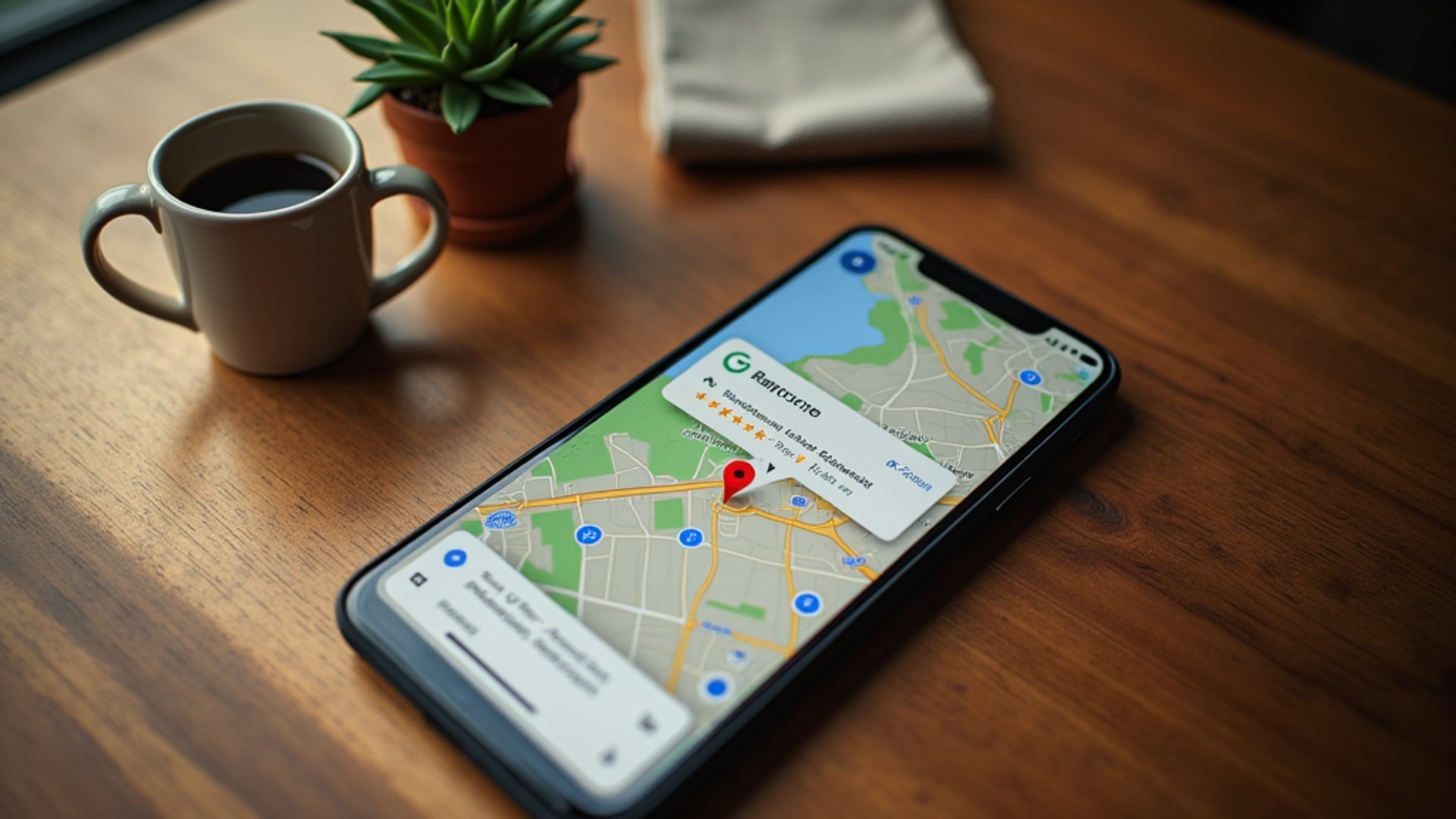
The barrier to entry for restaurant geofencing has dropped significantly. Platforms including Google’s Performance Max and local ad networks offer geofencing targeting without requiring custom technology. Google Performance Max campaigns, as documented by 39 Celsius, can be configured with tiered radius targeting around a restaurant location — with higher impression concentration on users closest to the restaurant — and run across Google Maps, Waze, YouTube, and the Display Network simultaneously.
For independent operators beginning with geofencing, a sensible starting sequence is:
- Start with a tight geofence around your own location to reach people already nearby.
- Add geofences around one or two major competitors to test competitive intercept performance.
- Layer in office building and hotel targeting if your data suggests those demographic segments are valuable for your concept.
- Track foot traffic attribution data for at least 30 days before making optimization decisions.
Geofencing is no longer reserved for national chains. If you can set up a Google Ads campaign, you can run geofencing. The only requirement is enough budget to generate meaningful data before you judge the results.
→ Read more: Digital Advertising and PPC for Restaurants: A Practical Guide to Paid Search → Read more: Restaurant Google Ads Case Studies: What Actually Works → Read more: Restaurant SMS and Mobile Marketing: The High-Open-Rate Channel