· Marketing · 9 min read
Digital Advertising for Restaurants: Google Ads, PPC, and Paid Social
A practical guide to paid digital advertising for restaurants — from Google Search and Performance Max campaigns to Facebook Location Ads and geofencing.
Organic marketing builds long-term authority. Paid advertising builds immediate traffic. Both have their place in a restaurant’s marketing mix, but understanding when and how to use paid channels separates restaurants that get a measurable return from those that burn through budget with nothing to show for it.
The paid digital channels that matter for restaurants are Google Ads, Performance Max, Facebook and Instagram campaigns, delivery app advertising, and geofencing. For each one, the goal is the same: reach the right person at the right moment with the right message, and pay only when it works.
The Pay-Per-Click Basics
PPC (pay-per-click) means exactly what it says: you pay only when someone clicks your ad. If the ad appears in a search result or on a web page and no one clicks it, you owe nothing. This model, as Strattz explains in their restaurant advertising guide, maximizes budget efficiency by tying cost directly to demonstrated interest.
The implication for restaurants is practical. You can run a Google Search campaign for “brunch downtown [city]” and appear at the top of those results only when someone is actively searching for what you offer. Every dollar spent reached someone who was, at that moment, actively looking to make a dining decision.
Contrast this with a billboard or radio ad, where you pay regardless of whether anyone relevant sees or hears it. PPC’s precision is its fundamental advantage.
Google Ads: Capturing High-Intent Search Traffic
Google Ads is the highest-priority paid channel for most restaurants, because it captures demand that already exists. When someone searches “best Italian restaurant near me” or “where to eat tonight in [neighborhood],” they are not browsing — they are actively deciding. Google Ads puts your restaurant at the top of those results, above organic listings.
Google’s advertising network spans three primary surfaces:
- Google Search — Text ads appearing at the top of search results pages
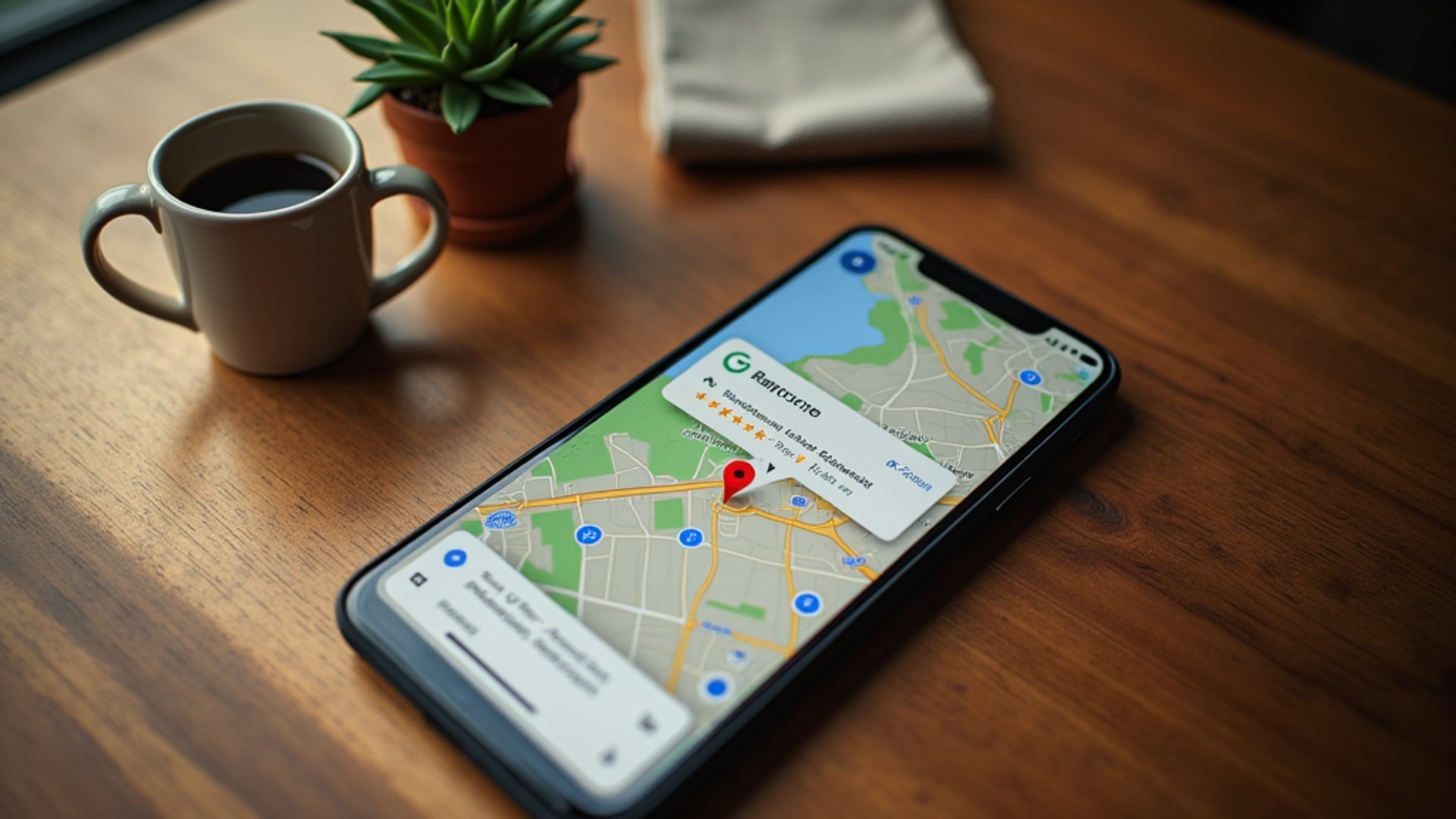
- Google Maps — Location ads appearing when users search on Google Maps
- YouTube and Display Network — Video pre-roll and banner ads across millions of websites
For restaurants, Search and Maps are the highest-priority placements. These capture local intent searches at the bottom of the decision funnel. Display and YouTube are better suited for awareness campaigns targeting top-funnel audiences.
Campaign structure for restaurants. A well-structured restaurant Google Ads account typically includes:
- A branded campaign targeting your restaurant’s name (protects against competitors bidding on your name)
- A cuisine/category campaign targeting generic searches like “Italian restaurant downtown”
- An occasion campaign targeting event-driven searches like “Valentine’s Day dinner reservation”
- A delivery/takeout campaign if applicable
Budget guidance. Strattz recommends tracking cost per click, click-through rate, conversion rate, and overall return on ad spend. Establish minimum thresholds before launching: what cost per click makes this channel profitable given your average ticket size and visit frequency?
Performance Max: Google’s Full-Funnel Approach
Performance Max (PMax) is Google’s AI-driven campaign type that simultaneously runs ads across Search, Maps, Waze, YouTube, Gmail, and the Display Network. Rather than managing separate campaigns for each placement, you provide creative assets — images, videos, headlines, descriptions — and Google’s algorithm determines the optimal combination and placement for each impression.
The 39 Celsius case studies provide compelling performance data for PMax in restaurant contexts. A Reno pub using a combined Search and PMax strategy drove 952 direction requests and $19,100 in new sales within 30 days of launching. The pub then experienced year-over-year sales growth of up to 35% in subsequent months — suggesting the initial paid traffic created a flywheel effect of increased awareness and word-of-mouth.
A London restaurant chain achieved even more dramatic results: $18,450 in revenue from 246 tracked customers against $2,675 in ad spend, representing a 589% ROI. A local pizza operation achieved $1.98 cost per conversion.
PMax addresses a strategic gap in pure search advertising. Search campaigns reach the 5-10% of people who are actively searching at any given moment. PMax uses Google’s AI to find and reach potential customers who are not yet searching but match the behavioral and demographic profile of your existing customers. This combination of bottom-funnel capture (Search) and top/middle-funnel demand generation (PMax) produces a full-funnel strategy.
Location targeting for PMax. 39 Celsius recommends a tiered radius approach: set multiple concentric targeting zones (3 miles, 5 miles, 7 miles) with bid adjustments that concentrate spending on users closest to the restaurant. This produces the highest impression density among the most likely visitors while maintaining broader awareness in adjacent areas.
Facebook and Instagram: Intent Targeting vs. Demographic Targeting
Facebook and Instagram advertising takes a different approach from Google. Rather than capturing existing search intent, Meta’s platforms target based on demographics, interests, behaviors, and past interactions with your brand.
This makes Facebook and Instagram better suited for:
- Event promotion — Announcing a themed dinner, live music night, or holiday special to people in your area who enjoy dining out
- Seasonal campaigns — Building awareness of a new menu or seasonal offering before it launches
- Lookalike audiences — Finding new potential customers who share characteristics with your best existing customers
- Retargeting — Serving ads to people who visited your website or engaged with your social content but have not yet visited
Facebook Location Ads specifically target users within a defined geographic radius of the restaurant. As Strattz notes, these campaigns can also track whether users visited the physical location after seeing the ad — a valuable attribution feature that most digital channels cannot offer.
Budget allocation. For restaurants new to paid social, start with a targeted local awareness campaign running seven to ten days before a major promotional event. Allocate a test budget of $5 to $10 per day, evaluate the cost per reach and engagement, and scale what works.
Geofencing: Precision Location-Based Advertising
Geofencing creates virtual boundaries around specific geographic areas and triggers targeted mobile ads when devices enter those zones. As GloriaFood explains, the technology uses GPS, RFID, Wi-Fi, and cellular data to detect device locations and deliver real-time marketing messages.
The power of geofencing for restaurants lies in its timing precision. A lunch special notification reaching someone walking past your restaurant at 11:45 AM has immediate conversion potential that a morning email cannot match. GloriaFood cites a 670% increase in click-through rates for geofenced campaigns versus non-targeted equivalents — a dramatic illustration of the relevance advantage.
Competitive geofencing is one of the most strategically interesting applications. By placing geofences around competitor restaurant locations, you can serve promotional ads to diners who are physically near competing establishments. These ads can highlight your unique offering, a time-limited discount, or a loyalty benefit that gives potential customers a reason to change their destination.
Other high-value geofencing targets:
- Office buildings and business parks (target lunch decision-makers)
- Event venues (reach concert or theater attendees before/after events)
- Hotels in your neighborhood (reach travelers unfamiliar with local options)
- Farmers markets and food festivals (reach food-engaged consumers)
- Your own restaurant (serve loyalty offers to customers already on-premises)
Geofencing platforms include Google Ads (through location-based bidding adjustments), as well as specialized tools like Foursquare Ads and various demand-side platforms. Food trucks, as Restolabs notes, find geofencing particularly useful for driving real-time traffic to their current location.
Delivery App Advertising
Sponsored listings on DoorDash, UberEats, Grubhub, and similar platforms represent a distinct paid channel. These ads appear at the top of app search results and category listings when users are actively in the process of ordering — arguably the highest-intent moment in the entire restaurant discovery funnel.
The economics require careful management. Strattz cautions that delivery app advertising spend should not exceed 10% of average order value to maintain profitability after accounting for the commission the platform already charges on each order. If your average delivery order is $35 and the platform charges a 25-30% commission, there is limited margin remaining for additional advertising spend.
The most effective approach is selective: use sponsored placement for high-margin menu items or during periods when organic visibility is lower (slower days, lunch when dinner dominates, off-peak dayparts).
Waze Ads: Reaching Drivers in Transit
Waze, Google’s navigation app, offers location-based advertising that appears to drivers navigating near your restaurant. A “zero-speed” banner ad appears when the vehicle is stopped, and a “pin” ad places your restaurant’s branded icon on the map for users navigating nearby.
Waze Ads work best for restaurants in high-traffic areas where the driving audience represents a significant portion of potential customers — suburban locations, restaurants near highways, and venues in areas with heavy commuter traffic benefit most.
Measuring What Matters
The specific conversion events most relevant to restaurant paid advertising:
- Direction requests — Directly signals intent to visit
- Phone calls — Indicates reservation or catering inquiry intent
- Reservation completions — The clearest indicator of paid-to-booking conversion
- Online order completions — Direct revenue attribution
- Website visits — Top-funnel but informative for brand awareness campaigns
Set up conversion tracking before launching any paid campaign. Google Ads supports call tracking, direction request tracking through Google Business Profile integration, and website conversion tracking via the Google Ads tag. Without conversion tracking, you cannot calculate ROAS (Return on Ad Spend) and cannot make informed optimization decisions.
Building a Full-Funnel Paid Strategy
The most effective restaurant paid advertising strategies use multiple channels in coordination:
Bottom of funnel: Google Search campaigns capture active intent. Budget 50-60% of your paid search spend here for established restaurants.
Middle of funnel: Google PMax and Facebook/Instagram campaigns targeting users who have interacted with your brand but not converted. Retargeting past website visitors with a specific offer is particularly efficient here.
Top of funnel: Awareness campaigns on Facebook/Instagram, YouTube, and Display reaching new local audiences. Budget 20-30% of total paid spend if you are in growth mode or have a new opening.
Real-time conversion: Geofencing campaigns and delivery app sponsored listings targeting users in active decision-making mode.
The Reno pub case study from 39 Celsius demonstrates that this coordinated approach — Search capturing existing demand, PMax expanding to new audiences — can move the needle on year-over-year sales significantly, not just generate isolated spikes. That is what separates a well-constructed paid media strategy from throwing money at ads: not a sugar rush, but genuine, measurable contribution to sustained growth.
→ Read more: Restaurant Google Ads: Case Studies, ROI Data, and What Actually Works → Read more: Local SEO and Google Business Profile: The Free Marketing Channel Most Restaurants Ignore → Read more: Restaurant Geofencing: Location-Based Advertising That Reaches Diners in the Moment