· Case Studies · 9 min read
Panera's Digital and Subscription Strategy: Redefining Fast-Casual Loyalty
Panera moved 60% of its sales to digital channels and launched a $8.99/month beverage subscription with 600,000 subscribers — not by adding technology, but by rethinking the entire customer relationship.
The restaurant industry’s approach to digital transformation has generally followed a familiar pattern: add an app, add online ordering, call it done. Panera Bread took a different path — one that started with a question most restaurant companies never actually ask: What does the customer relationship look like when you design around their entire day rather than just their mealtime?
The answer they built over a decade changed how the fast-casual segment thinks about loyalty, digital channels, and the economics of customer retention.
Starting Point: Panera 2.0
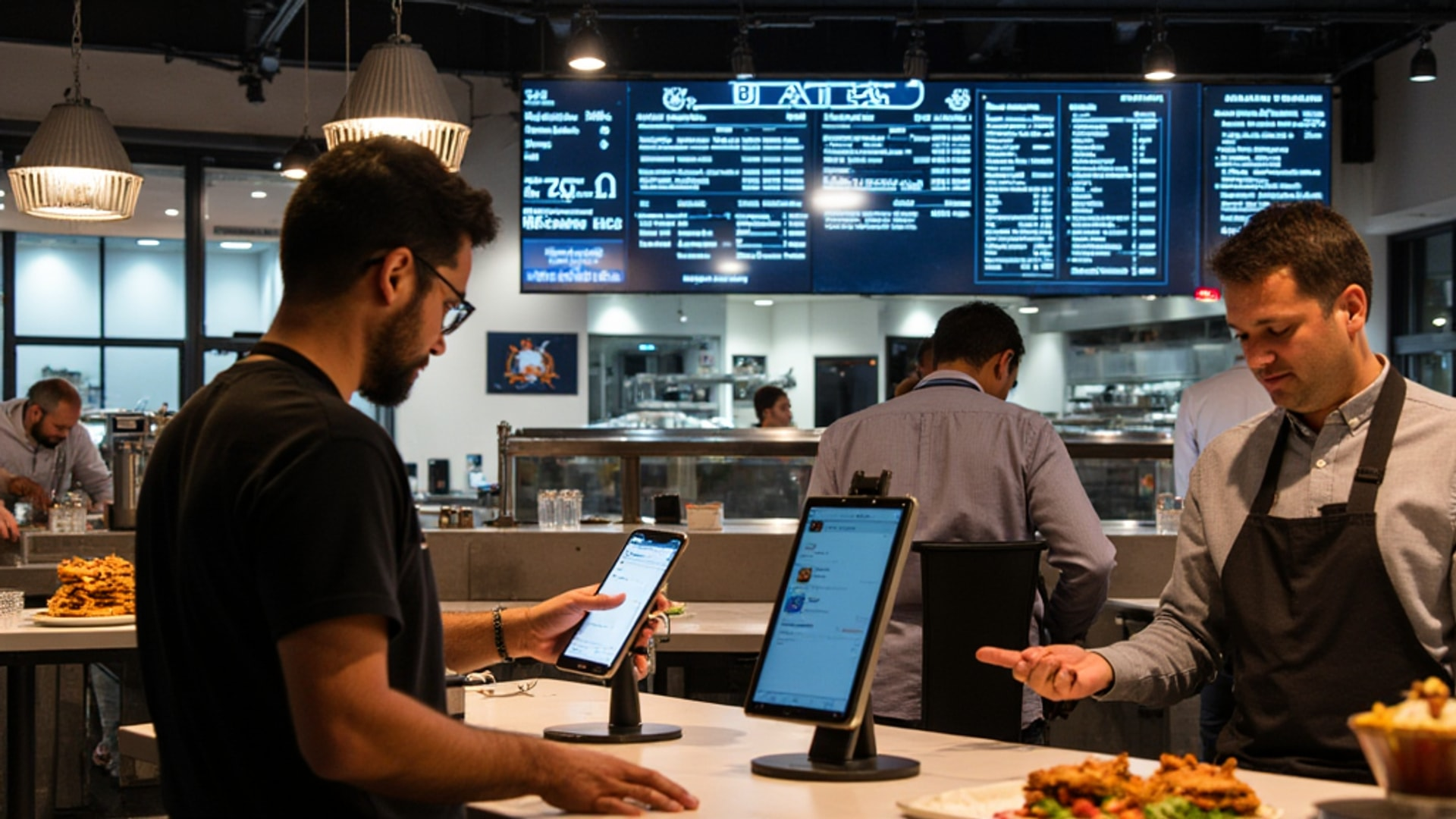
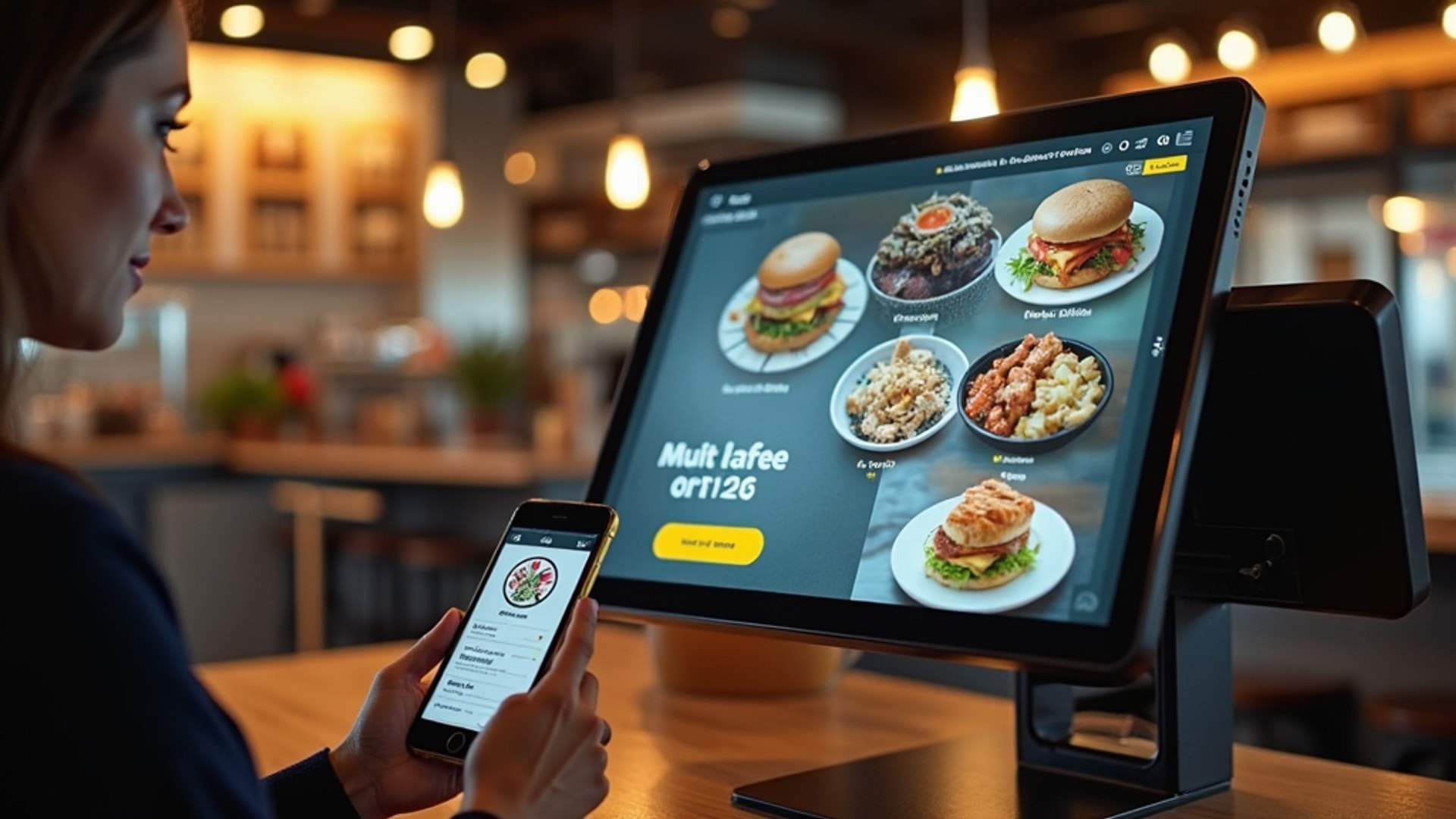
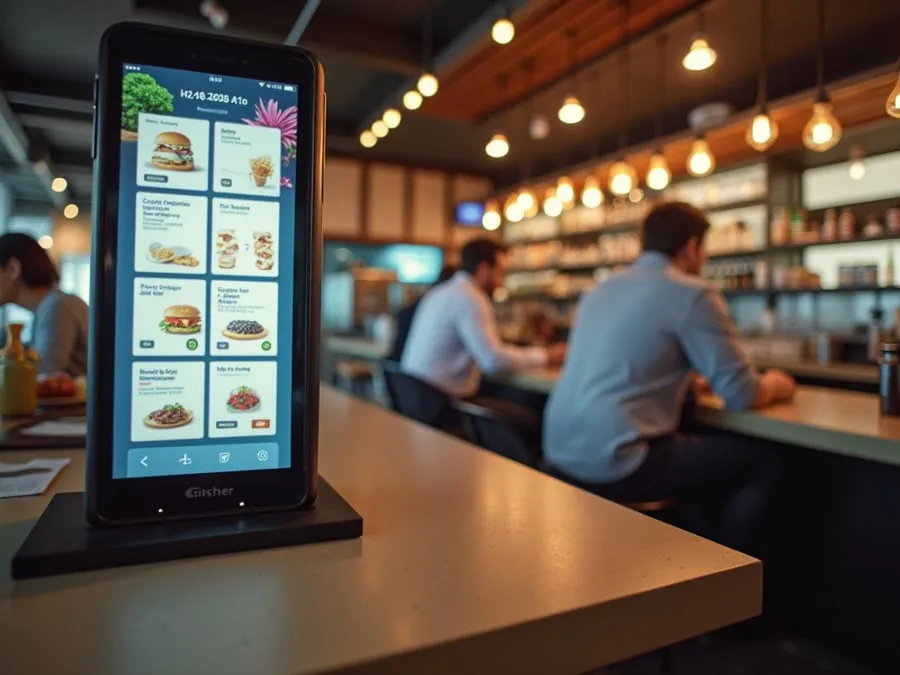
In 2014, Panera launched the initiative internally called Panera 2.0. The name signaled a comprehensive rethinking rather than an incremental upgrade, and the scope matched the ambition. The initiative integrated digital ordering kiosks inside cafes, launched mobile app ordering before most fast-casual competitors had functional apps, introduced delivery capabilities, and created the Panera at Home retail product line.
This was not a single technology project. It was a recognition that customers interact with a restaurant brand through multiple channels at different times of day and in different contexts, and that a restaurant capable of serving customers through all of those channels would capture more total spending than one that forced customers into a single interaction model.
According to Subport’s case study of the company’s digital strategy, the results have been transformative. Over 60% of Panera’s sales now come through digital channels. The company projects that the majority of future business will originate from digital ordering rather than traditional eat-in dining.
Those numbers represent a fundamental shift in where the company’s revenue comes from — and, more importantly, in how the company knows its customers.
The Data Advantage of Going Digital
When customers order through digital channels, every transaction generates data: what they ordered, when they ordered, how often they visit, which locations they use, what promotions they respond to, which items they try and never reorder. When customers order at a counter with cash, that information disappears.
Panera’s digital shift was simultaneously a customer experience improvement and a data infrastructure build. Every digital interaction adds to a customer profile that enables more precise personalization, more relevant promotions, and more accurate demand forecasting for kitchen operations.
Digital ordering also improved throughput. By reducing wait times at the counter and capturing orders that would previously have been lost to long lines or customer impatience, digital channels increased effective capacity without requiring physical expansion of any individual cafe. Sales that were previously impossible to capture became possible through mobile ordering and kiosk self-service.
The MyPanera Loyalty Program: 40 Million Members
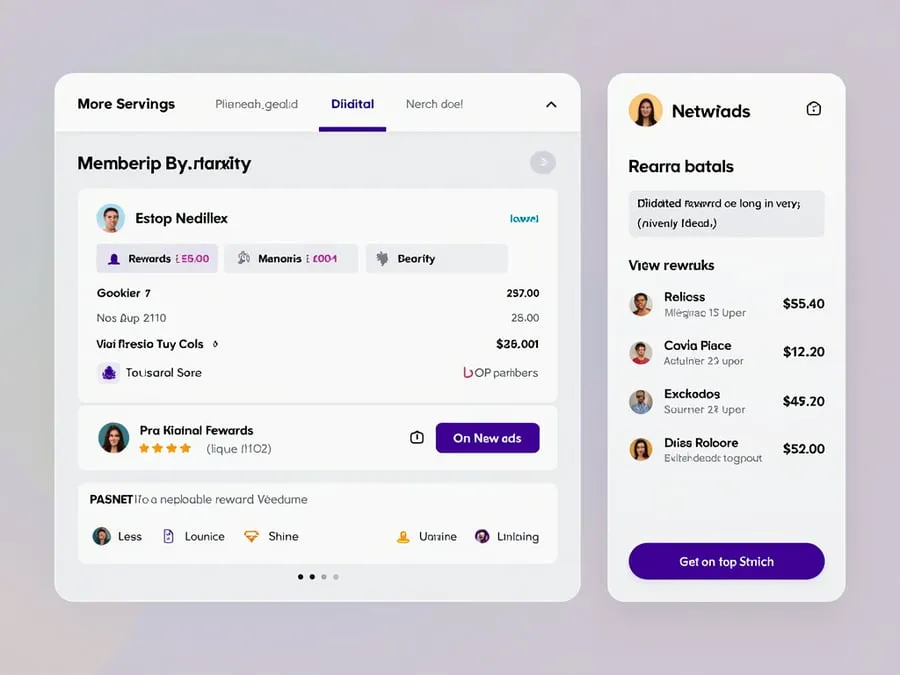
Before the subscription model, before the digital transformation was complete, Panera had already built something remarkable: a free loyalty program with more than 40 million members that generates over half of the company’s total sales.
MyPanera operates on a personalization model. Rather than issuing universal points redeemable for uniform rewards, the program tracks individual customer preferences and issues personalized rewards based on purchase history. A customer who regularly orders salads receives salad-relevant offers. A customer who always gets a soup and sandwich combination receives combination rewards. The experience feels tailored because it is.
This personalization approach accomplishes two things. It makes the rewards feel more valuable to the individual customer — a free item you actually want is more motivating than points toward something generic. And it drives specific purchase behaviors that align with Panera’s operational and margin objectives, steering customers toward items the program wants to sell more of rather than toward whatever the customer would have ordered anyway.
Forty million members generating more than half of total company sales represents an extraordinary level of customer engagement for a restaurant chain. It also represents a customer database of extraordinary value for planning, marketing, and menu development.
The Sip Club: Subscription as Frequency Driver
In early 2020, Panera launched the Panera Sip Club. For $8.99 per month, subscribers receive unlimited hot coffee, iced coffee, and hot tea. The program grew to over 600,000 monthly subscribers by the end of 2021, making it one of the largest restaurant beverage subscription programs in history.
The economics of the Sip Club are worth examining carefully, because they’re counterintuitive on the surface.
At $8.99 per month, a subscriber who visits daily for coffee is getting tremendous value. Panera’s individual coffee prices make a daily coffee subscription worth potentially $50-100 per month at retail pricing. How does this generate profit?
The answer lies in visit frequency and the economic behavior it drives. A subscriber who has already paid $8.99 for the month has a standing incentive to visit Panera rather than another coffee shop — they’ve already paid for the coffee. Each visit to redeem that included coffee creates an opportunity for an additional food purchase: a breakfast sandwich, a salad, a bowl of soup. The subscription converts an occasional coffee purchaser into a near-daily restaurant visitor who buys food on most visits.
The subscription’s direct revenue ($8.99/month) is less important than the incremental food revenue it drives. Panera is using a low-cost beverage subscription to increase the frequency of high-margin food purchase occasions.
The Two-Tier Engagement System
What Panera has built is a dual-tier customer engagement architecture that captures customers at different commitment levels.
The free tier — MyPanera — attracts broad participation. With 40 million members, it covers a substantial portion of the customer base that visits occasionally or regularly. It generates data and drives personalized engagement without requiring any upfront financial commitment from customers.
The paid tier — Sip Club — identifies and locks in the highest-frequency customers. These are the people for whom Panera is already a daily habit or close to it. For them, $8.99/month is a compelling deal that makes Panera their default morning destination. The paid tier generates subscription revenue, reduces daily price sensitivity (subscribers don’t decide each morning whether Panera coffee is worth today’s price), and creates behavioral lock-in.
According to Subport’s analysis, the combination of these programs produces an 84% increase in customer retention rates compared to baseline. When you understand the dual-tier structure, that number makes sense. Customers in either program have more reasons to return to Panera specifically than comparable customers without program membership, and customers in both programs are about as locked in as a fast-casual customer gets.
Using Data to Drive Menu Development
Panera’s digital infrastructure doesn’t just track customer behavior — it informs product development. The company used menu performance analytics to identify demand for items like warm grain bowls, then introduced them as the data indicated they would succeed.
This is a different model of menu development than the traditional approach, which relies on culinary intuition, trend observation, and consumer research panels. Data-driven menu development looks at what existing customers are ordering, what they’re not ordering but might be, and what operational additions would serve the most unmet demand within the existing customer base.
The approach reduces the risk of new product launches by grounding them in observable customer behavior rather than hypothetical preference research. A customer who already orders a particular salad component is more likely to order a new dish featuring that component than a completely untested flavor profile.

What the Panera Model Requires
The Panera digital transformation is often presented as a model for restaurant operators of all sizes. That’s partially right, but the honest version of this case study includes what makes it hard to replicate.
The technology investment was enormous. Building proprietary digital ordering platforms, integrating kiosks, developing a functional loyalty app, and managing a subscription billing infrastructure requires capital and technical capability that is genuinely beyond most independent operators. Panera invested years and tens of millions of dollars into the Panera 2.0 initiative before seeing the returns at scale.
The loyalty economics require scale. A 40-million-member loyalty program generates enormous data and marketing leverage. A 400-member loyalty program at an independent restaurant has less analytical power. The principles are the same, but the tools available at smaller scale are different — email marketing, simple punch cards, and third-party loyalty platforms rather than proprietary personalization systems.
The subscription model requires existing frequency. The Sip Club works because Panera already had customers visiting regularly for coffee. A subscription beverage program at a restaurant where customers typically visit twice a month would generate subscriptions but not the daily visit behavior that makes the economics work.
The Transferable Lessons
Despite those constraints, independent and multi-unit operators can extract genuine strategic lessons from the Panera model.
Digital ordering is not just convenience — it’s customer intelligence. Even a simple online ordering system generates data that helps you understand your customers better.
→ Read more: Restaurant CRM and Data-Driven Marketing Any operator who can afford basic digital ordering infrastructure should prioritize it, not primarily for the ordering convenience but for the purchase history data it creates.
Loyalty program design should drive behavior, not just reward it. MyPanera’s personalization model drives specific customer behaviors toward Panera’s preferred outcomes. Generic punch card programs reward behavior that was going to happen anyway. The design question for any loyalty program is: what specific behaviors do I want to drive, and what reward structure will drive them?
Subscription models work when the customer genuinely wins on most scenarios. The Sip Club is a genuine deal for frequent coffee customers. Subscriptions that are only profitable for the restaurant and mediocre for most customers generate subscriptions but not the frequency behavior that makes them strategically valuable.
The relationship between digital and physical should be designed, not left to chance. Panera designed the interaction between its digital channels and its physical cafes intentionally, ensuring that digital ordering enhanced rather than cannibalized in-cafe experience. Restaurant operators adding digital channels should think through these interactions explicitly rather than assuming they’ll resolve themselves.
Panera’s digital transformation is ultimately about something more fundamental than technology. It’s about deciding that the restaurant relationship extends beyond the transaction at the counter — that the customer’s entire day represents an opportunity, and that building the infrastructure to serve them across that entire day creates a fundamentally different and more durable business than serving them only when they’re standing in your cafe.
At 60% digital sales and 40 million loyalty members, Panera has made that case compellingly.
→ Read more: Technology-Driven Restaurant Success
→ Read more: Customer Retention Strategies