· Case Studies · 11 min read
Ghost Kitchen Operations: The Real Economics of Delivery-Only Restaurants
A ghost kitchen can launch for $30,000 in 6 weeks — versus $1 million and 52 weeks for a traditional restaurant. But 30% platform commissions and a 70% consumer trust gap make the math harder than it looks. Here is the operational reality.
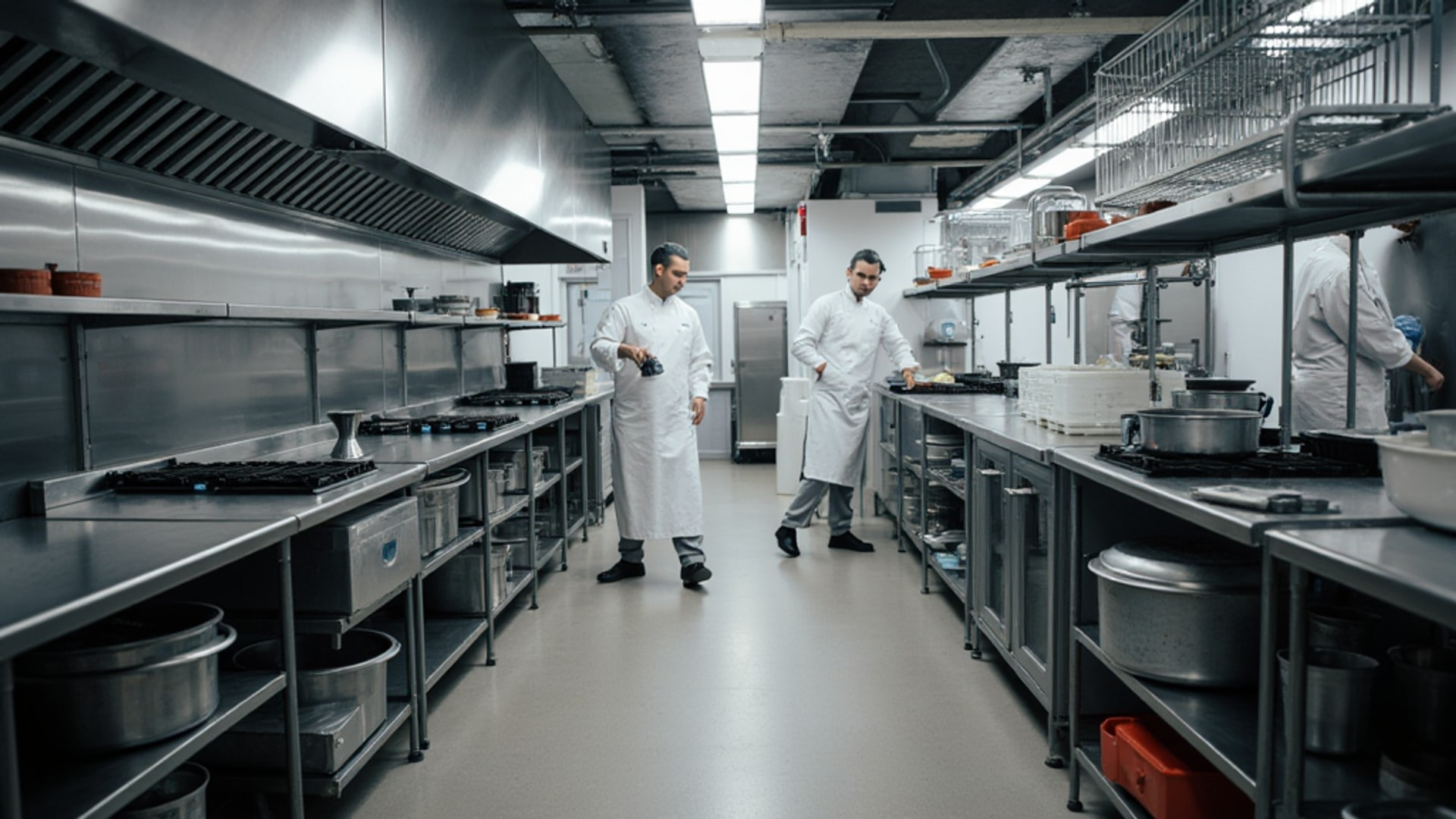
Ghost kitchens are the restaurant industry’s most talked-about innovation and its most misunderstood business model. The pitch is seductive: eliminate the dining room, skip the expensive real estate, cut your staff from 25 to 5, and start serving customers in weeks instead of months.
The reality is more complicated. According to CloudKitchens, delivery platform commissions reach approximately 30% per order, and 70% of diners prefer ordering from restaurants with publicly accessible physical locations. The model works, but only if you understand exactly what it gives you and what it takes away.
This article is part of the Restaurant Case Studies collection on NineGuides.
The Financial Case: Dramatically Lower Entry
The cost comparison between ghost kitchens and traditional restaurants is stark. CloudKitchens’ data breaks it down:
| Factor | Traditional Restaurant | Ghost Kitchen |
|---|---|---|
| Startup cost | $1 million+ | ~$30,000 |
| Time to launch | 52+ weeks | ~6 weeks |
| Space required | 2,100+ sq ft | 200-300 sq ft |
| Staff needed | 25+ employees | 3-5 employees |
| Real estate type | Prime, customer-facing | Cheap, industrial |
These numbers are real, and they represent the model’s fundamental appeal. You can test a food concept for $30,000 that would cost $1 million in a traditional format. If it fails, you lose a fraction of what a brick-and-mortar failure would cost. If it works, you have data to justify larger investment.
But startup cost is only half the financial equation. The other half is ongoing margin pressure.
The Commission Problem
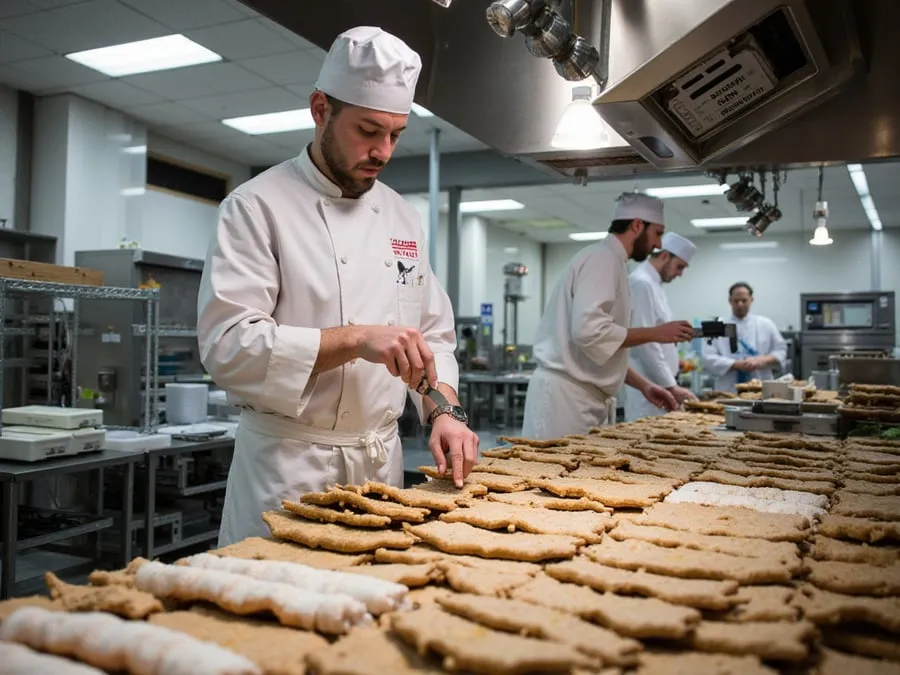
Ghost kitchens live and die on delivery platforms — DoorDash, Uber Eats, Grubhub. These platforms charge commissions of 15-30% per order. According to CNBC’s reporting on ghost kitchen economics, the approximately 30% commission rate at the high end makes profitability challenging without significant volume.
Here is what that means in practice:
| Metric | Without Commission | With 30% Commission |
|---|---|---|
| Order value | $25.00 | $25.00 |
| Revenue to kitchen | $25.00 | $17.50 |
| Food cost (30%) | $7.50 | $7.50 |
| Packaging cost | $1.50 | $1.50 |
| Remaining for labor, rent, profit | $16.00 | $8.50 |
That $8.50 has to cover labor, rent, utilities, insurance, and still produce a profit. On a $25 order with 30% platform fees, you are operating in a very narrow margin band.
The restaurants industry spends $24 billion annually on disposable containers, and ghost kitchens bear this cost on every single order because there is no dine-in volume to offset it. Packaging is not a minor line item in a delivery-only model. It is a core cost of goods.
Strategies to Manage Commission Pressure
Successful ghost kitchen operators use several approaches to reduce platform dependency:
- Build direct ordering channels. Your own website and app eliminate the commission entirely. Invest in SEO, social media, and local marketing to drive traffic to your direct ordering page.
- Negotiate commission rates. High-volume operators can negotiate lower rates with platforms. If you are running 100+ orders per day through a single platform, you have leverage.
- Price strategically. Some operators set slightly higher prices on platform menus to offset commissions, while offering lower prices for direct orders. This is common and accepted practice.
- Focus on higher average order value. Combo meals, family packs, and add-on items increase the revenue per order, which improves the margin even after commission.
The Multi-Brand Strategy
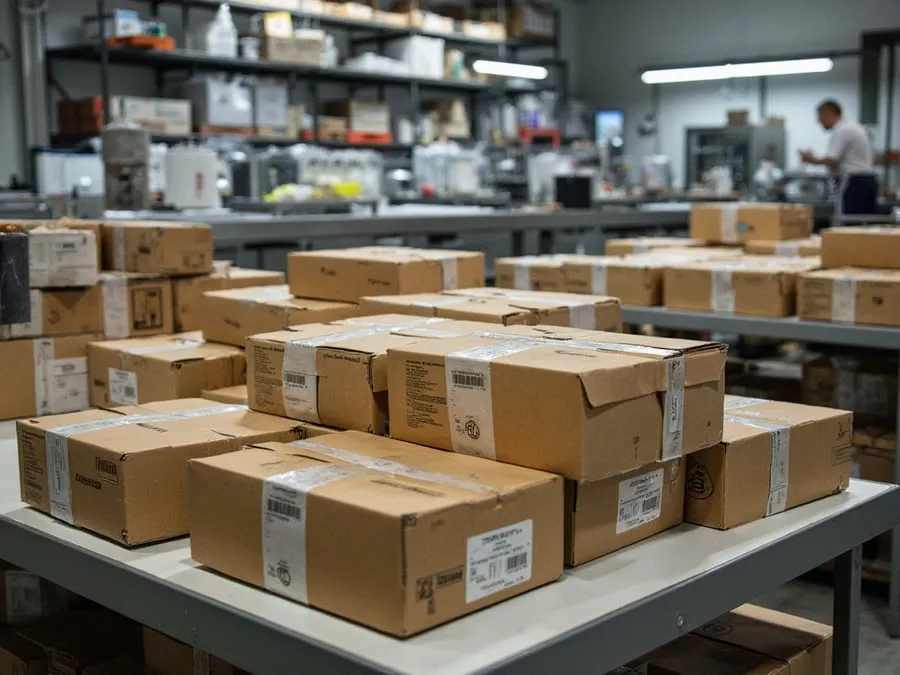
One of the ghost kitchen model’s most powerful features is the ability to operate multiple virtual brands from a single kitchen. CloudKitchens reports that successful operators often run five or more brands simultaneously, each targeting different cuisine categories and customer segments.
This strategy works because:
- Platform visibility multiplies. Five brands on DoorDash means five chances to appear in search results, five listing pages, and five distinct customer bases, all served from one kitchen.
- Marginal cost per brand is low. Adding a brand requires recipe development, packaging design, and platform setup, not additional rent, equipment, or core staff.
- Testing is cheap. Launch a new concept, run it for 30 days, analyze the data. If it performs, scale it. If not, shut it down. The financial risk of testing a virtual brand is a fraction of testing a new restaurant concept.
- Revenue diversity. Multiple brands reduce dependence on any single concept or cuisine category. If Thai food demand drops, your wing brand and your burger brand keep producing revenue.
The Multi-Brand Trap
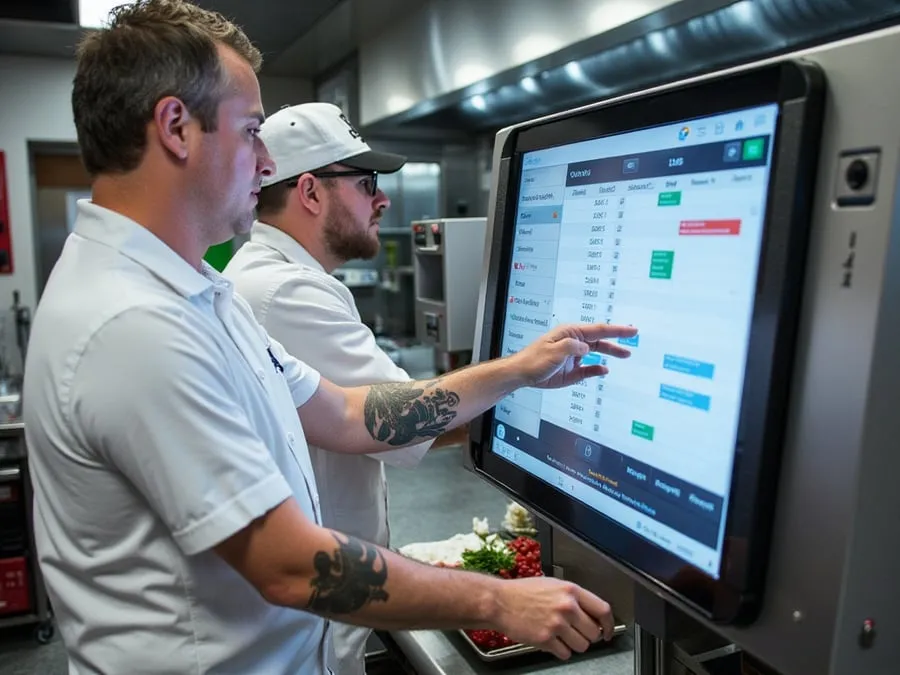
But there is a real danger here. Running five brands from one kitchen means five menus, five sets of recipes, five packaging systems, and five sets of quality standards, all executed by 3-5 people in 200-300 square feet during peak periods.
The operational challenges are significant:
- Order bottlenecks. During peak hours, orders from multiple brands arrive simultaneously. Without clear station assignments and workflow management, quality deteriorates.
- Inventory complexity. Five brands may require five different sets of ingredients. Storage in a 200-square-foot kitchen is extremely limited.
- Quality inconsistency. The more brands you run, the harder it is to maintain consistent quality across all of them. One bad review on one brand affects all your operations on that platform.
- Staff confusion. Your team needs to switch between different cuisines, different recipes, and different packaging systems throughout a single shift.
The sweet spot for most operators is 2-3 well-executed brands rather than 5-7 mediocre ones. The Curry in a Hurry case study (documented by Best of Exports) shows this well: the Mumbai-based cloud kitchen scaled to three locations by focusing on execution quality and using data analysis to refine their offering. They revealed high demand for a la carte items on weekends that led to a menu expansion increasing average order value by 40%.
Menu Design for Delivery
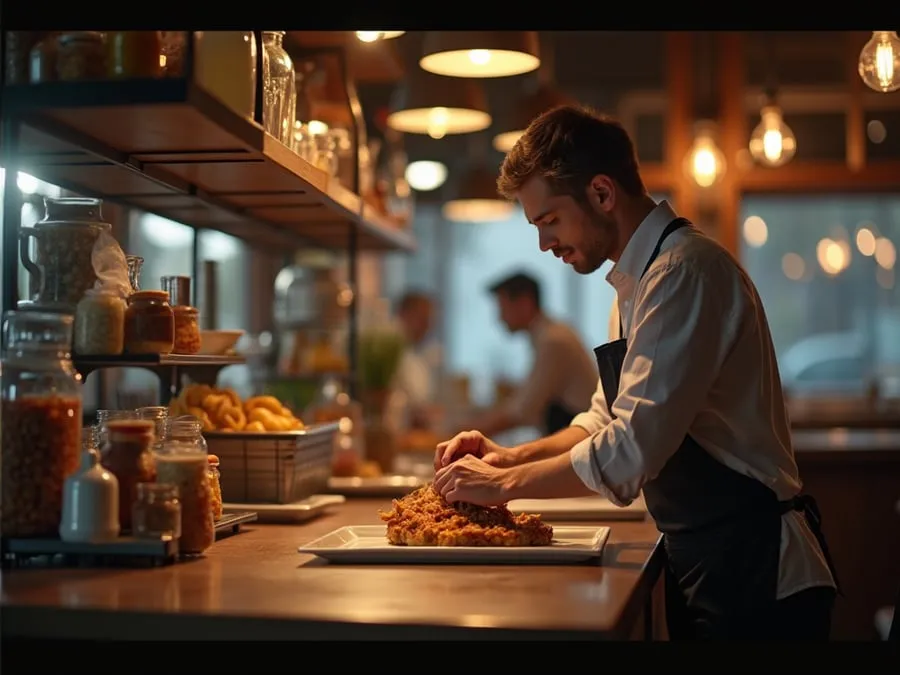
This is the operational decision that makes or breaks a ghost kitchen. Food must maintain quality through packaging and a 20-minute (or longer) delivery window. Many items that work beautifully on a plate in a restaurant are disasters in a delivery container.
→ Read more: Takeout and Delivery Menu Optimization
What Travels Well
- Bowls and grain-based dishes. Rice bowls, poke bowls, grain bowls. These hold temperature and texture reasonably well.
- Wings and fried chicken. Crispy items in vented containers maintain texture better than sealed packaging. But timing is critical. Package them too early and they steam.
- Burritos and wraps. Self-contained, portable, and resistant to temperature loss.
- Pizza. One of the original delivery foods for good reason: it travels well in purpose-built boxes.
- Smash burgers. Better delivery burgers than thick pub-style burgers that produce more moisture.
What Does Not Travel Well
- French fries. They have a 5-minute window of peak quality. By the time they arrive, they are usually soggy. Some operators have solved this with specialized vented packaging.
- Salads with dressing applied. Wilting is inevitable. Package dressing separately.
- Anything plated for visual presentation. Delivery containers do not maintain plating. Design food that looks good scattered, not arranged.
- Crispy-textured items in sealed containers. Steam from hot food destroys crispiness. Vented packaging is essential.
The Data Advantage
Ghost kitchens generate data that traditional restaurants often lack. Delivery platforms provide insights into ordering patterns, peak times, customer demographics, and menu item performance. Use this data to:
- Cut underperforming items. If a menu item generates low volume and negative reviews, remove it immediately. There is no sunk cost in a virtual menu.
- Identify peak demand. Schedule staff and prep based on actual order data, not estimates.
- Test pricing. Adjust prices and measure the impact on order volume and revenue in real time.
- Optimize prep schedules. Know exactly when your busiest periods are and pre-prep accordingly.
The Trust Gap
This is the ghost kitchen model’s most challenging limitation. CloudKitchens’ consumer research found that 70% of diners prefer ordering from restaurants with publicly accessible physical locations. The ghost kitchen label can reduce consumer trust.
The trust gap manifests in several ways:
- Discovery skepticism. When a customer searches for food on a delivery platform, they are more likely to order from a restaurant they have heard of or one with a physical location they have seen.
- Quality concerns. Without a dining room to visit, customers have no way to verify the kitchen’s cleanliness, the quality of ingredients, or the professionalism of the operation.
- Brand fragility. A few negative reviews can destroy a virtual brand that has no physical presence to fall back on. A brick-and-mortar restaurant can survive bad reviews because walk-in customers form their own impressions. A ghost kitchen lives entirely on its digital reputation.
Bridging the Gap
Successful ghost kitchen operators address trust through:
- Professional branding. Invest in logo design, packaging quality, and a professional website. The brand needs to feel like a real restaurant, even without a dining room.
- Social media presence. Behind-the-scenes content showing food preparation, kitchen cleanliness, and team members builds trust that platform listings alone cannot.
- Review management. Respond to every review, positive and negative. Address complaints quickly and professionally. On platforms where reviews drive visibility, reputation management is a core operational function.
- Consistent quality. Nothing builds trust faster than receiving great food every single time. In a model where repeat customers are everything, consistency is the most important marketing strategy you have.
Ghost Kitchen as Testing Ground
Perhaps the most compelling use case for ghost kitchens is not as a permanent business model but as a low-risk proving ground.
Both CloudKitchens and broader cloud kitchen vs. brick-and-mortar analyses confirm that ghost kitchens excel as concept testing platforms:
- Validate demand. Does your concept work in this market? Run it as a ghost kitchen for 3-6 months and find out for $30,000 instead of $1 million.
- Refine your menu. Use real customer data to identify your bestsellers, optimize pricing, and eliminate items that do not travel well or do not sell.
- Build a following. Accumulate a customer base and review history before committing to a physical location. When you open the restaurant, you are not starting from zero.
- Test multiple concepts. Run two or three different virtual brands simultaneously and invest in the physical build-out of the one that performs best.
Major grocery brands have used this approach too. Regency Centers reported that Raley’s launched a mobile food unit to understand evolving consumer preferences, and Whole Foods deployed a food truck to test seasonal items. Ghost kitchens serve the same function at even lower cost and risk.
The Hybrid Model
The future of ghost kitchens is not pure delivery-only. Many operators are already evolving toward hybrid models that combine ghost kitchen efficiency with some physical presence.
Hybrid Configurations
- Ghost kitchen + pickup window. Add a customer-facing window to your ghost kitchen for walk-up orders. This eliminates platform commissions on pickup orders and builds local brand awareness.
- Existing restaurant + virtual brands. Use your restaurant kitchen to run delivery-only virtual brands during off-peak hours. This generates incremental revenue from existing infrastructure with minimal additional cost.
- Ghost kitchen as expansion tool. Use ghost kitchens to enter new geographic markets before committing to full restaurant build-outs. If the market responds, build a physical location. If not, close the ghost kitchen with minimal loss.
- Pop-up events. Periodically host pop-up dining events to build brand connection and give customers a face-to-face experience with the brand.
The hybrid approach addresses the model’s biggest weakness (the trust gap) while preserving its biggest strength: low overhead and operational flexibility.
Ghost Kitchen Financial Model
Here is a realistic financial model for a single-brand ghost kitchen operation:
| Line Item | Monthly Amount | % of Revenue |
|---|---|---|
| Gross revenue (avg $22/order, 80 orders/day) | $52,800 | 100% |
| Platform commissions (avg 25%) | ($13,200) | 25% |
| Net revenue | $39,600 | 75% |
| Food cost (30% of gross) | ($15,840) | 30% |
| Packaging | ($2,640) | 5% |
| Labor (3 staff) | ($10,560) | 20% |
| Rent | ($3,000) | 5.7% |
| Utilities, insurance, misc | ($2,500) | 4.7% |
| Marketing (digital) | ($1,500) | 2.8% |
| Net profit | $3,560 | 6.7% |
This model produces a 6.7% net margin (better than many traditional restaurants) on monthly revenue of about $53,000. But notice how sensitive it is to small changes. If average order value drops $3, or daily orders drop by 15, or commissions increase to 30%, the model can quickly turn negative.
Volume is the lever. At 120 orders per day instead of 80, fixed costs (rent, insurance) get spread across more orders, and the margin improves significantly. This is why multi-brand strategies exist: they are fundamentally about driving volume through a fixed-cost base.
The Bottom Line
Ghost kitchens are a real and viable business model, but they are not the easy path their startup costs suggest. The low barrier to entry means intense competition. The platform dependency means margin pressure. The lack of physical presence means a trust deficit that requires constant digital marketing effort to overcome.
The model works best in three scenarios:
- As a concept testing platform — validate demand for $30,000 before committing $1 million to a build-out
- As a revenue extension for existing restaurants — add virtual brands to your kitchen during off-peak hours
- As a focused delivery brand with a menu specifically designed for travel, strong digital marketing, and a plan to reduce platform dependency over time
What the model does not work well for is replacing the full restaurant experience. The 70% of consumers who prefer restaurants with physical locations are telling you something. The dining room is not just overhead. It is a brand-building, trust-building, margin-building asset that ghost kitchens sacrifice.
→ Read more: Starting a Cloud Kitchen
→ Read more: The Real Impact of Delivery Platforms on Restaurant Profitability
Build your ghost kitchen with that understanding, and it can be a powerful tool in your portfolio. Treat it as a shortcut to restaurant ownership, and you will discover that the costs you eliminated from the front of house reappear in platform commissions, marketing spend, and the relentless grind of competing for visibility in a crowded digital marketplace.