· Case Studies · 9 min read
The Real Impact of Delivery Platforms on Restaurant Profitability: A Data-Driven Analysis
Third-party delivery platforms charge 15-30% commission per order, but the total cost burden can exceed 40% of delivery revenue — and research shows platform entry into a market statistically increases restaurant closure rates.
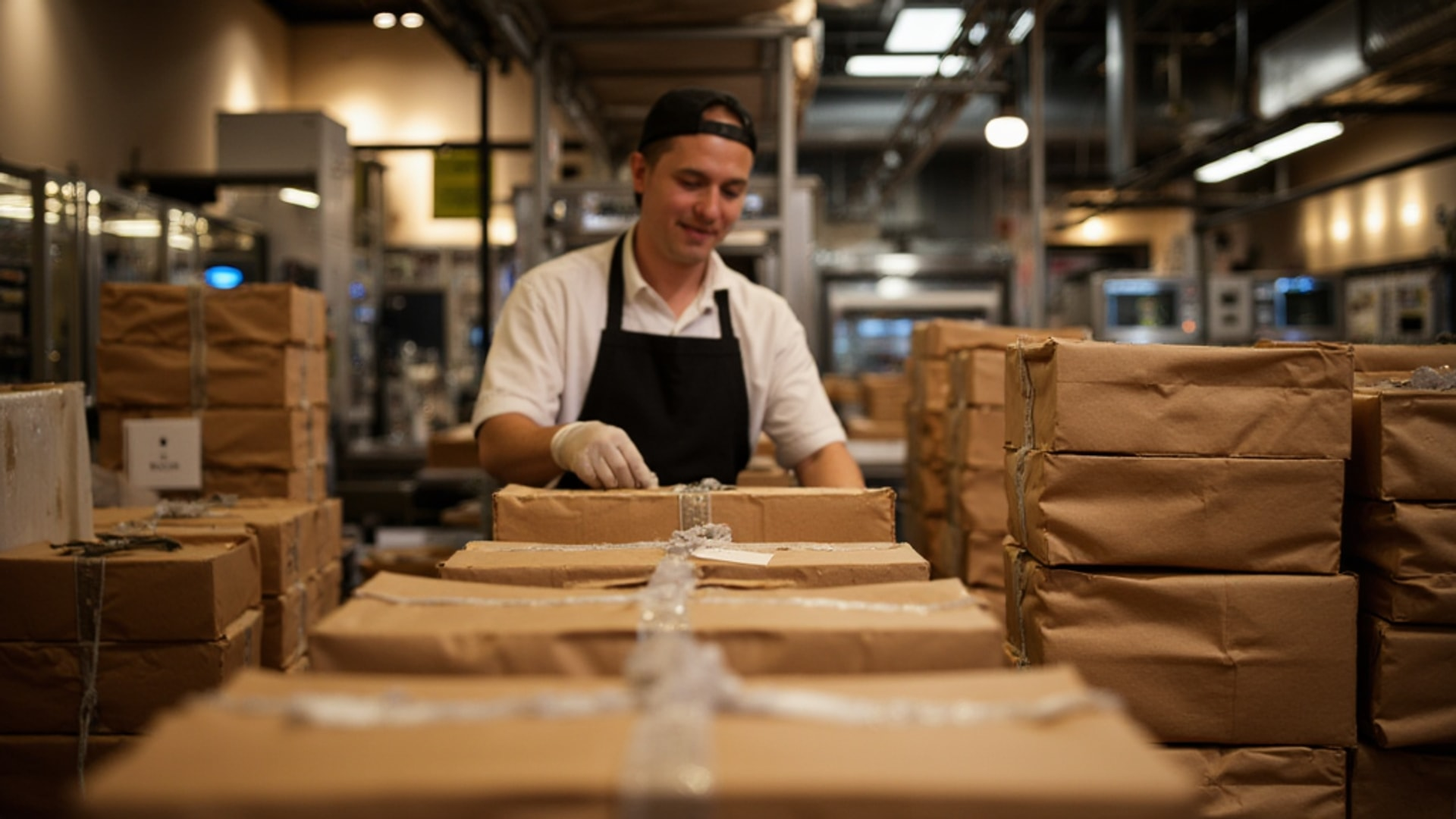
The pitch from delivery platforms is straightforward: they bring you customers you couldn’t reach otherwise, handle the logistics of delivery, and take a percentage of each order. For a restaurant struggling to drive traffic or add a delivery channel without the cost of hiring drivers, that sounds like a reasonable trade.
The data tells a more complicated story.
Research from Wharton and other institutions reveals that third-party delivery platforms simultaneously expand customer reach and compress margins in ways that can threaten restaurant viability. The platforms that were supposed to solve the restaurant industry’s access problem have created a new set of problems that every operator using them needs to understand clearly.
The Fee Structure You Need to Know Cold
The baseline commission structure for major delivery platforms is 15-30% per order. DoorDash and Uber Eats, the dominant players in most U.S. markets, typically charge in this range depending on the contract tier a restaurant negotiates.
That number alone would be challenging for businesses operating on restaurant margins of 3-8%. But the headline commission is not the full cost picture.
The Wharton analysis of delivery platform economics found that when all direct and indirect costs are calculated (packaging specifically designed for delivery, order management time, operational adjustments to kitchen workflow, payment processing fees, and delivery fees if using platform drivers) the actual cost burden can exceed 40% of delivery revenue.
Think about what 40% means in practice. A restaurant with a 30% food cost on a delivery order has spent 70% of revenue before any labor, rent, or overhead is applied. If delivery platform fees add another 40% of revenue in costs, the math produces a negative margin before a single hour of kitchen labor is counted.
The restaurants that survive on delivery platforms are largely the ones that understand this math completely and have priced their delivery menus specifically to account for it.
What Academic Research Says About Market Effects
The individual restaurant economics are important. The market-level effects are more alarming.
Academic research demonstrates that the entry of delivery platforms into a market statistically increases the probability of restaurant closures. This is not an accident or an unintended side effect. It is the logical outcome of what platforms actually do to local restaurant markets.
Platforms make it easier for customers to compare restaurants across a single interface, to sort by price, to read reviews side-by-side, and to switch between alternatives with minimal friction. This intensification of competitive pressure benefits consumers. It punishes restaurants that were surviving on geographic monopoly (being the most convenient option for nearby customers) rather than on genuine competitive differentiation.
Wharton’s data shows the effects are most pronounced for less operationally efficient restaurants and those in areas with high competitive density. These are exactly the restaurants that might be most tempted by the promise of incremental delivery revenue: struggling operators hoping a new channel will solve an underlying competitive problem.
The cruel irony is that delivery platforms accelerate the closure of the restaurants most likely to adopt them as a survival strategy.
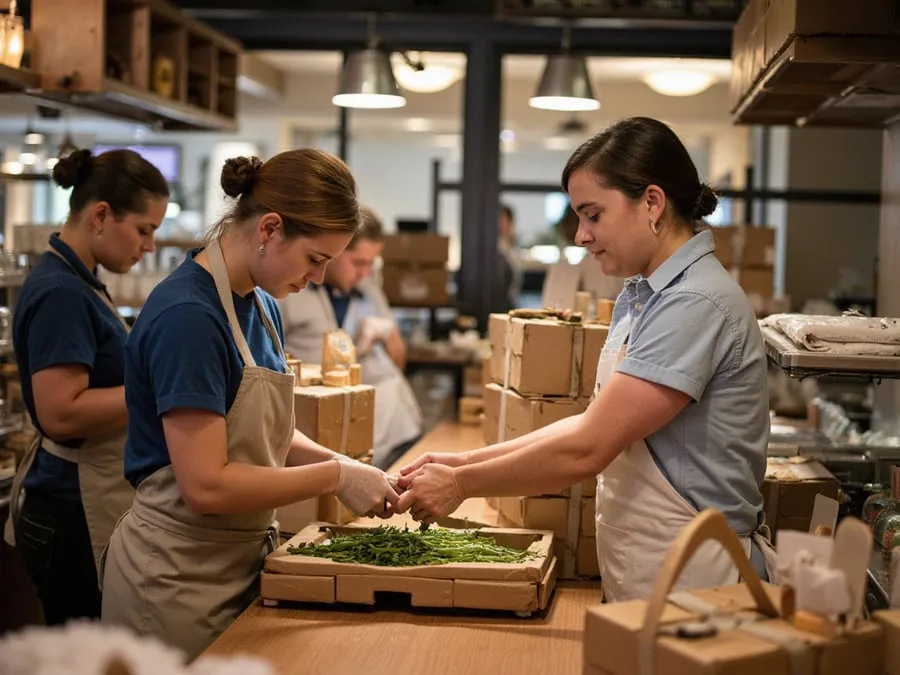
The Pricing Strategy That Changes the Math
Not all restaurants on delivery platforms are losing money. Research shows that systematic price optimization for delivery menus can achieve 24% profitability improvements, with intelligent pricing approaches yielding a 92% success rate and average monthly revenue increases of $5,400 per establishment.
The key distinction is between restaurants that put their standard menu on delivery platforms at standard prices and restaurants that engineer a delivery-specific pricing strategy.
The restaurants achieving these results are approaching delivery as a distinct channel with distinct economics, requiring distinct pricing. A delivery menu is not a restaurant menu with a delivery fee added. It is a different product with different costs that requires different pricing to be commercially viable.
The practical implementation of delivery pricing optimization involves several components:
Menu selection. Not every item belongs on a delivery menu. Dishes that travel poorly, that require last-minute assembly, or that have particularly thin margins are candidates for exclusion. Delivery menus should feature items with the best combination of margin, travel quality, and customer appeal.
Price adjustment. Delivery prices should account for packaging costs, the platform commission, and the different cost structure of a delivery order. This typically means delivery prices 15-25% higher than in-restaurant prices for comparable items. Most customers understand and accept delivery price premiums as part of the convenience cost.
Item configuration. Some restaurants create delivery-specific menu items (combinations, bundles, or formats optimized for the delivery context) rather than simply offering individual items from the dine-in menu. This allows for better margin management and better customer experience simultaneously.
Commission tier negotiation. Platform commission rates are not always fixed. Restaurants with meaningful sales volume on platforms have leverage to negotiate lower commission tiers. Restaurants that have not negotiated their rates are often paying more than necessary.
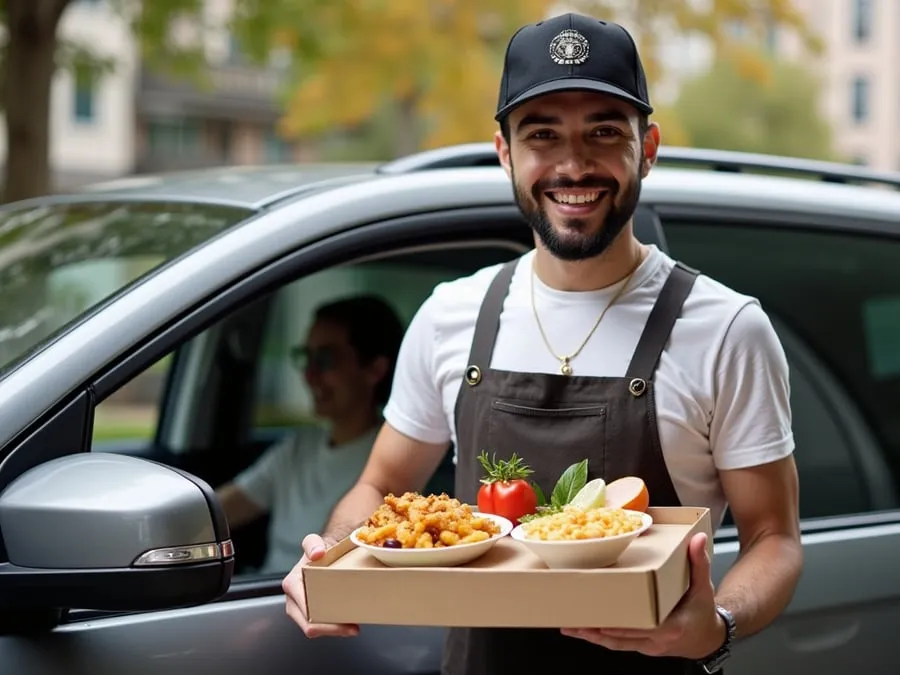
The Direct Ordering Alternative
The most economically attractive delivery strategy, for restaurants that can execute it, is bypassing third-party platforms entirely for at least a portion of delivery orders.
Wharton’s analysis notes that building direct ordering systems that bypass third-party platforms can retain 15% or more in additional revenue per order. The example cited is Birdcall, a Colorado-based chain that built a proprietary ordering platform during the pandemic. Within one week of launch, direct platform sales surpassed all third-party platform sales combined.
The direct ordering model has real costs and challenges. Building and maintaining proprietary ordering technology requires investment. Marketing that technology to customers (driving them to use your app or website rather than a platform they’re already on) requires ongoing effort. Drivers or a delivery partner need to be arranged if the restaurant doesn’t use platform drivers.
But the economics justify the effort for restaurants with sufficient volume and customer loyalty to build a direct channel. A 15% margin improvement on delivery orders is the difference between a marginally profitable channel and a meaningfully profitable one.
The optimal strategy for many restaurants is a hybrid: maintain presence on third-party platforms for customer acquisition (accepting the platform economics as a marketing cost) while actively driving loyal customers toward direct ordering channels where the economics are better.
→ Read more: Delivery Platform Comparison: DoorDash, Uber Eats, and Grubhub

The Customer Acquisition vs. Margin Erosion Trade-off
The fundamental strategic tension of delivery platform participation is genuine: platforms provide visibility and customer acquisition that many restaurants cannot achieve independently, but the cost of that access can erode the margins needed for long-term sustainability.
This trade-off differs by restaurant type.
New restaurants benefit most from platform visibility. Without an established customer base or brand recognition, the customer acquisition function of platform listing has high value. The cost of platform commissions is effectively a customer acquisition cost rather than pure margin erosion.
Established restaurants with strong local brand recognition benefit less from the visibility function and bear more of the margin cost with less offsetting benefit. For these restaurants, the calculus of direct ordering investment becomes more favorable.
High-average-check restaurants find platform economics less damaging because the fixed costs of platform participation (packaging, order management) represent a smaller percentage of a higher average transaction. A $15 average check bears a fundamentally different commission burden than a $50 average check.
High-volume, low-margin operations face the most acute pressure. A restaurant with thin margins and high delivery volume cannot absorb 40% delivery costs without fundamentally restructuring its economics. These operators either need to optimize delivery pricing aggressively or reconsider whether delivery is a viable channel for their specific model.

The Platform Profitability Question
DoorDash and Uber Eats have, after years of operating at significant losses, reached profitability. According to Deliverect’s industry analysis, other platforms like Just Eat continue to struggle financially.
The path to profitability for DoorDash and Uber Eats has come through increasing market dominance that reduces competitive pressure to share economics with restaurants, diversifying revenue streams beyond commission income, and achieving delivery efficiency at scale that reduces the per-order cost of delivery operations.
This trajectory is relevant for restaurants evaluating platform relationships. Platforms that have achieved profitability are platforms that have established enough market dominance to reduce their incentive to offer better terms to restaurants. The commission structures that restaurants negotiate today will likely not improve as platforms become more dominant — they will more likely deteriorate as alternative platform options contract.
What This Analysis Means for Your Business
The practical conclusions from this analysis are specific enough to inform immediate operational decisions.
Know your true delivery cost. Add up platform commission, packaging, additional labor for delivery order management, and any incremental food cost for delivery-specific preparation. This number is your real delivery cost, not the headline commission rate. If you haven’t done this math precisely, do it before evaluating whether delivery is profitable for your restaurant.
Price your delivery menu for delivery economics. If your delivery prices match your in-restaurant prices, you are almost certainly losing money on delivery orders after accounting for all costs. Model the price increase required to achieve your target margin on delivery orders and adjust accordingly.
Evaluate your direct ordering options. Even if full proprietary platform development is beyond your current resources, many POS systems and third-party technology providers offer direct ordering tools at lower cost than building from scratch. The return on investment from capturing 15% additional revenue on delivery orders typically justifies meaningful technology investment.
Treat platforms as a customer acquisition channel, not a revenue channel. If you’re on platforms primarily for the visibility, evaluate them as marketing spend rather than as a profitable revenue channel. What’s the cost per new customer acquired through platform visibility? How does that compare to other marketing channels? This framing produces better decisions than trying to make the per-order economics work when they often don’t.
Monitor platform performance monthly. Delivery platform economics shift with commission structure changes, algorithm changes that affect your restaurant’s visibility, competitive changes in your market, and your own operational changes. This is not a set-and-forget channel. It requires ongoing analysis.
→ Read more: Ghost Kitchen Operations: The Real Economics of Delivery-Only Restaurants
→ Read more: Delivery and Takeout Operations
Delivery platforms have fundamentally changed the competitive dynamics of restaurant markets. Understanding those changes clearly, rather than accepting the platform pitch at face value, is the first step to navigating them effectively.