· Marketing · 9 min read
Marketing Your Catering Services: Corporate Clients and Event Revenue
How to market restaurant catering services to corporate clients and event planners — from digital presence to direct outreach and Q4 revenue opportunities.
Catering is one of the most undermarketed revenue streams in the restaurant industry. Most operators with catering capabilities sell it passively — a tab on the website, a note on the menu — and wonder why the phone does not ring more often. The operations team knows the food is great. The problem is that the right people, in the right companies, with the right event budgets do not know you exist.
Catering marketing requires a different playbook from dine-in restaurant marketing. The buyers are different, the purchase process is longer, and the decision-making criteria shift from “I’m hungry and this looks good” to “will this vendor make me look good in front of my company’s leadership.” Understanding those differences is where catering revenue growth begins.
The Market Opportunity
The scale of the opportunity is substantial. According to Tripleseat, the U.S. catering market was projected to grow from $70 billion in 2024 to $124 billion by 2032. That trajectory represents a significant expansion of available revenue for restaurant operators who position themselves effectively in the catering channel.
The financial case for adding catering capacity is equally clear. Catering generates revenue that leverages existing kitchen infrastructure and brand equity, adding a high-margin stream without the overhead of additional dining room seats. Restaurants that allocate between 3% and 6% of total sales to marketing their catering services, or up to 10% for newer programs still building awareness, can realistically grow this channel into a meaningful percentage of total revenue.
Know Your Buyers
The single most common mistake in restaurant catering marketing is targeting the wrong people with the wrong messages. Dine-in restaurant marketing speaks to the end consumer. Catering marketing, particularly for corporate accounts, must speak to the decision-maker — who is almost never the person who will eat the food.
According to Owner.com’s catering marketing guide, the primary contacts for corporate catering are administrative assistants, executive assistants, and office managers. These individuals control catering budgets, coordinate event logistics, and make or heavily influence vendor decisions. They respond to different triggers than consumer diners:
- Reliability and consistency matter more than novelty. A corporate event planner needs certainty that an order will arrive on time, at the right temperature, with the right items, complete. They will not risk their professional reputation on an untested vendor.
- Professional communication signals competence. A clear, well-organized catering menu, prompt email responses, and professional invoicing communicate that your operation can handle business-level events.
- Ease of ordering reduces friction in the decision. The fewer steps between “we need to order lunch for Tuesday” and “order confirmed,” the more likely you are to win and retain corporate accounts.
For social event catering — weddings, birthday parties, celebrations — the buyer is typically more directly involved in the consumption, and taste and aesthetic presentation carry more weight. But even here, reliability and communication often differentiate vendors at similar quality levels.
Direct Outreach to Corporate Accounts
Digital marketing alone rarely wins corporate catering accounts. The most effective corporate catering acquisition strategy involves direct, human outreach.
Owner.com describes a specific tactic that cuts through the noise: physically bringing sample platters and pastry boxes to receptionists at large office buildings in the restaurant’s delivery area. This approach creates immediate product trial without requiring any prior relationship. The receptionist experiences the quality firsthand, receives materials to pass to the relevant decision-maker, and becomes an informal internal advocate for the restaurant.
The follow-up sequence matters as much as the initial sample delivery:
- Deliver samples with catering menus, business cards, and a brief introduction letter
- Follow up by phone or email three to five days later to confirm receipt and offer to answer questions
- Send a seasonal promotion or menu update six to eight weeks later to stay top of mind
- Target the account again before major catering periods (Q4, spring conference season)
This is relationship-based sales, not transactional marketing. It takes longer to produce results than a paid ad but creates stickier client relationships that generate recurring revenue.
Building Your Digital Catering Presence
While direct outreach targets known corporate prospects, digital marketing captures inbound inquiry from event planners actively searching for catering services.
The catering page as sales hub. Owner.com emphasizes that a clear “Catering” tab in the restaurant’s navigation bar is a round-the-clock sales channel. This page is not optional — it is the digital foundation of your catering business. It should include:
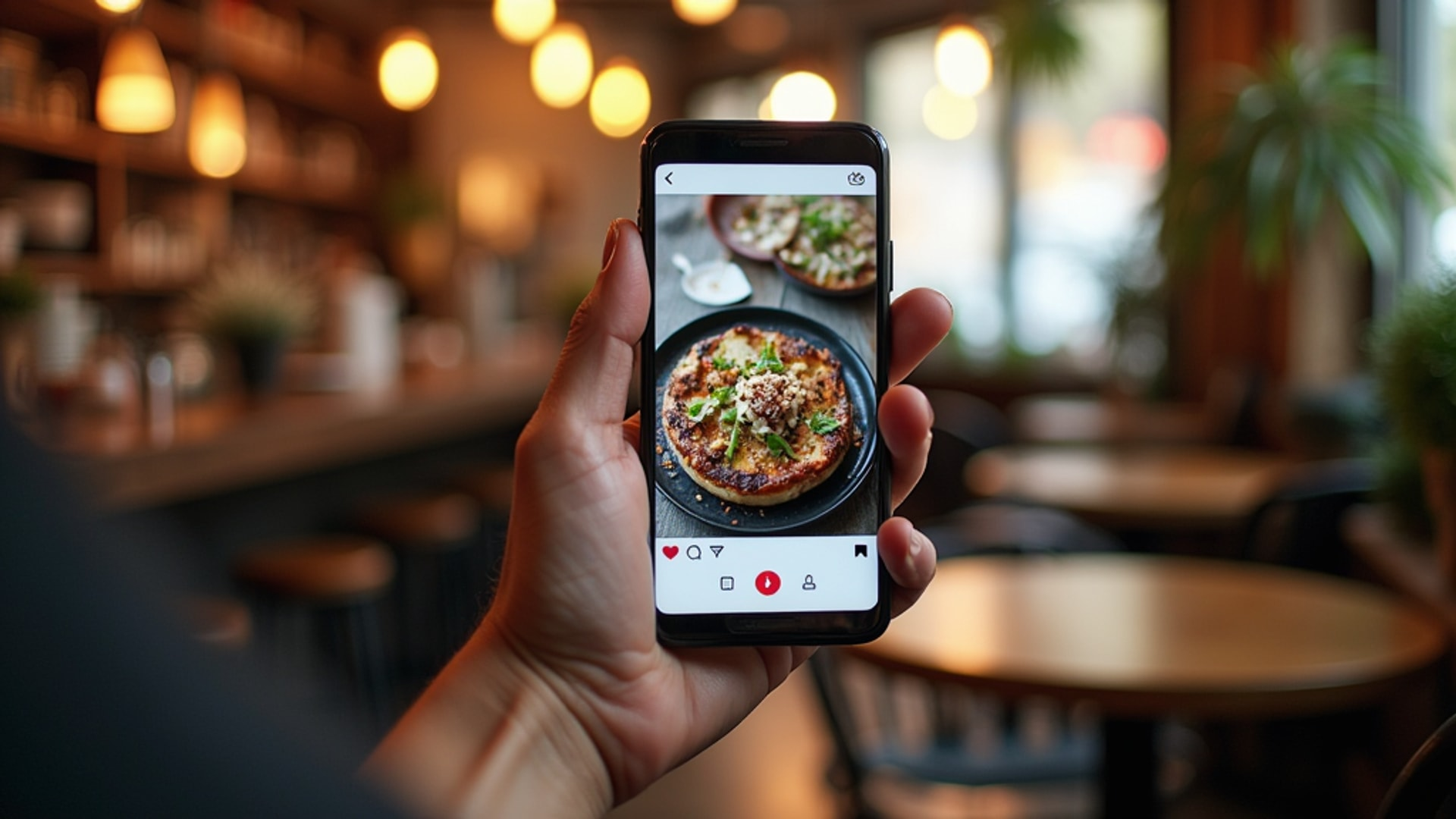
- High-quality photography of platters and spreads (the single most valuable catering marketing asset, per Owner.com)
- Package descriptions with pricing or starting-price guidance
- Minimum order requirements and delivery area information
- Testimonials or logos from notable corporate clients
- A direct, low-friction inquiry or booking form
Search optimization for catering queries. Potential corporate clients searching “office lunch catering [city]” or “corporate event catering [neighborhood]” represent high-intent traffic worth pursuing. Creating dedicated content around these search terms — including a FAQ section addressing common catering questions — improves organic visibility for these valuable queries.
Online booking capability. Tripleseat recommends online ordering platforms that allow customers to book catering, select menus, and pay deposits 24/7. Removing the requirement to call during business hours captures orders that would otherwise go to a competitor with online booking. This is especially important for smaller corporate orders where buyers want self-service convenience.
→ Read more: Restaurant Website Conversion: Turn More Visitors into Paying Guests
Email Marketing to Catering Prospects
Email marketing is disproportionately effective for catering compared to its role in consumer restaurant marketing. Owner.com cites a 4,200% ROI for email marketing targeting catering clients and corporate contacts — an average of $42 returned for every $1 spent.
This exceptional performance reflects two factors: the higher average order value of catering (a corporate lunch for 25 people at $20 per person is $500 compared to a $50 dine-in check), and the recurring purchase behavior of corporate catering clients who order weekly or multiple times per month.
Build your catering email list through:
- Post-event follow-up emails that thank clients and invite future bookings
- Lead capture from catering inquiry forms (visitors who filled out an inquiry form but did not book)
- Business card collection from direct outreach visits
- Event participation (trade shows, business networking events, chambers of commerce)
Segment your catering email list by client type (corporate accounts vs. social events), order frequency, and order size. A monthly email to your top 20 corporate accounts might offer a seasonal menu preview and a preferred-client offer. A quarterly email to your full list might announce new menu additions or a summer event promotion.
→ Read more: Restaurant CRM and Data-Driven Marketing: Turning Guest Data into Revenue
Seasonal Timing: The Q4 Opportunity
Corporate catering revenue follows predictable seasonal cycles. Understanding these cycles allows you to align marketing efforts with buying behavior rather than pushing against it.
Q4 — October through December — is the highest-revenue period for corporate catering. As Owner.com notes, companies budget for end-of-year team appreciation events, holiday celebrations, and annual gatherings during this window. Corporate event planners begin their Q4 booking process in September, with many locking in vendors by mid-October.
This means your Q4 catering marketing push should begin in August. Direct outreach to corporate prospects, email campaigns to past clients, and targeted advertising to local business addresses should all ramp up six to eight weeks before the event season begins.
Other notable catering seasons:
- January-February: Kick-off meetings, annual planning events, Super Bowl gatherings
- April-May: End-of-school celebrations, spring conferences, outdoor event season
- June-August: Summer company picnics, outdoor corporate events, graduation celebrations
Creating Revenue-Generating Showcase Events
Rather than offering free catering samples or open houses — which attract browsers rather than buyers — Tripleseat recommends creating ticketed tasting experiences. A “Catering Preview Dinner” or “Corporate Event Planner’s Evening” where guests pay to attend showcases the restaurant’s catering capabilities in an experiential setting.
These events serve multiple purposes: they qualify serious leads (people willing to pay $75 for a catering tasting event are genuinely evaluating you as a vendor), they generate direct revenue that offsets the event’s production cost, and they create a memorable brand experience that a cold sales pitch cannot replicate.
Building Loyalty Among Catering Clients
Once you have won a corporate account, protecting that relationship is far more efficient than constantly acquiring new ones.
Tripleseat recommends implementing a catering rewards program structure — for example, order five corporate lunches and receive the sixth at a discount or free. This incentivizes repeat orders from accounts that are already satisfied with your service and reduces the risk of competitive poaching between orders.
Tripleseat’s data shows upselling can increase catering revenue by up to 30%. Package deals that include add-on services — beverage stations, premium serviceware, staffing, decorations — encourage higher per-order spending. Per-person bundles with tiered pricing options simplify the client’s decision while building margin into the transaction.
Post-event follow-up is also critical for retention and social proof. Tripleseat recommends automated thank-you emails sent 48 hours after an event, with a request for a review or testimonial. A steady accumulation of positive catering reviews from local businesses is enormously powerful for corporate prospecting — event planners trust peer reviews from other businesses in their market.
→ Read more: Online Reputation and Review Management: Turning Customer Feedback into Revenue
Sustainability as a Catering Differentiator
Corporate event planners are increasingly evaluating vendors on sustainability credentials. Tripleseat identifies eco-friendly practices — compostable packaging, local ingredient sourcing, and waste reduction commitments — as a meaningful competitive differentiator in the corporate catering market.
For restaurants that already have sourcing and sustainability commitments baked into their operating philosophy, communicating these practices in catering marketing materials adds a dimension that resonates with environmentally-conscious companies and public sector clients who may have procurement policies that favor sustainable vendors.
A Simple Starting Framework
If catering is a growth priority but currently underdeveloped in your marketing, start here:
- Audit your current catering web page. Is it a genuine sales tool or a placeholder?
- Identify the ten largest office buildings within your delivery radius and plan direct outreach
- Build or clean up your catering email list and schedule a seasonal newsletter
- Create a Q4 catering campaign calendar starting in August
- Establish a post-event follow-up sequence for all completed catering orders
Catering revenue is not automatic, but it is highly predictable once you build a pipeline of corporate relationships. The clients who order today tend to order again next month and next quarter. If you deliver consistently, corporate catering is the closest thing to recurring revenue a restaurant can get.
→ Read more: Private Dining and Event Marketing: Turning Your Dining Room into a Revenue Machine → Read more: Seasonal Marketing Campaigns: The Restaurant Operator’s Full-Year Playbook