· Design & Ambiance · 8 min read
Kitchen-to-Dining Room Ratio: Space Planning That Maximizes Revenue
The kitchen-to-dining ratio is the single most consequential space planning decision in restaurant design — get it wrong and either service suffers or you leave money on the table.
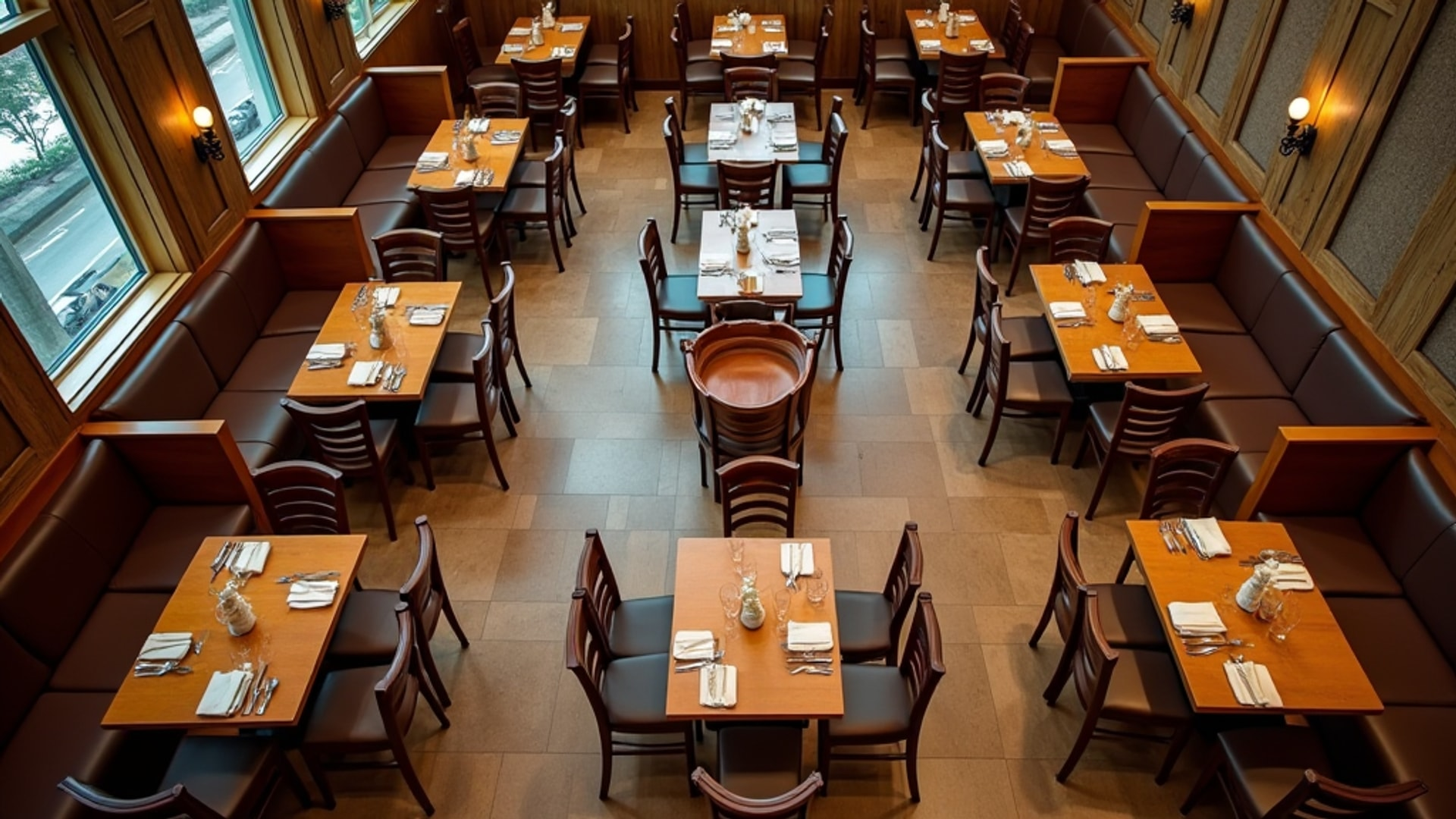
Every square foot in a restaurant costs money and makes money, or fails to do either. The kitchen costs more per square foot to build and equip than any other area. The dining room generates revenue by filling seats. The balance between these two zones — how much of your total footprint you dedicate to production versus service — is one of the most consequential decisions in restaurant design.
Get the kitchen too small and the dining room cannot be serviced properly at capacity. Orders back up, food quality suffers, and the dining room’s revenue potential is capped by what the kitchen can physically produce. Get the kitchen too large and you have spent capital and operating overhead on space that is not generating direct revenue.
The allocation of square footage between kitchen and dining room is one of the most consequential decisions in restaurant design, and the ratio determines seating capacity, kitchen capability, operational flow, and ultimately the revenue potential of the space, according to Toast’s space planning analysis.
The Industry Standard Ratios
The widely cited baseline for full-service dine-in restaurants allocates:
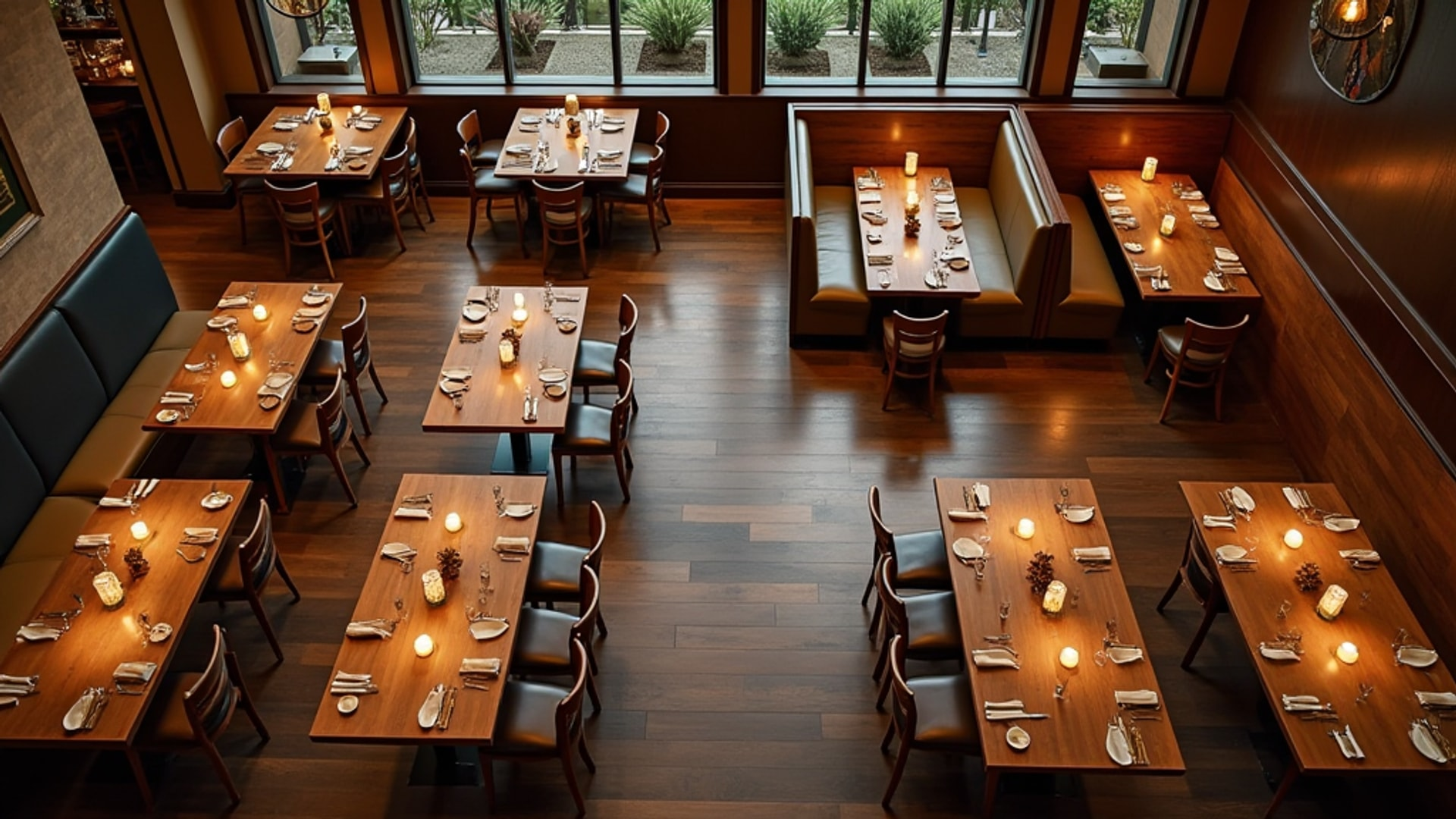
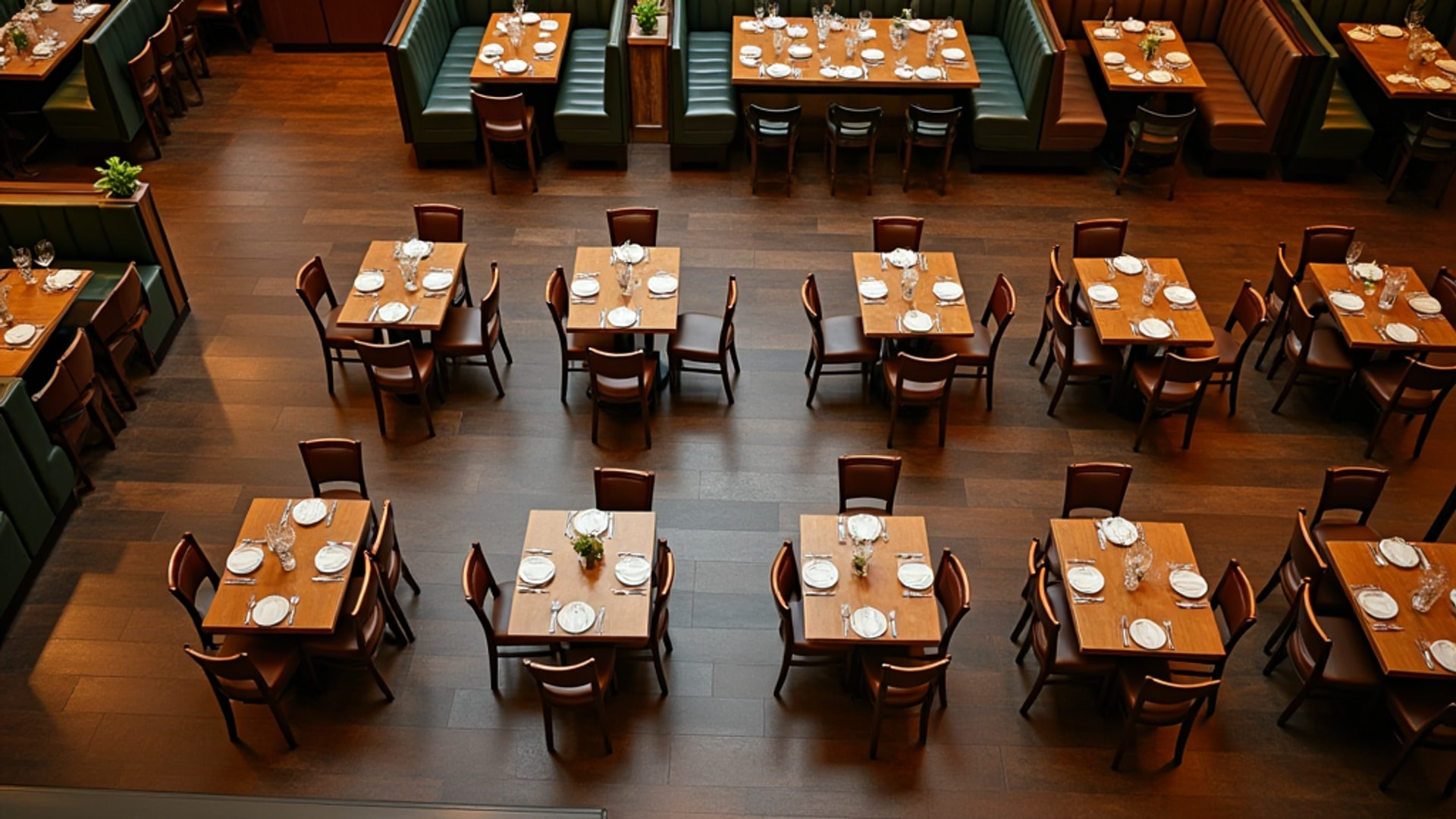
- 60 percent of total square footage to the dining room
- 30 percent to the kitchen
- 10 percent to support areas including storage, offices, and restrooms
This translates to roughly a 2:1 dining-to-kitchen ratio, according to Toast. However, this baseline varies significantly depending on concept, menu complexity, and service style. Treating it as a fixed rule rather than a starting point is how operators end up with kitchens that cannot execute their menus.
How Concept Drives the Ratio
The right ratio for your restaurant follows from the menu and service model, not from industry averages.
Fine Dining and Full-Service Restaurants
Fine dining and full-service restaurants typically operate with a 2:1 dining-to-kitchen ratio, reflecting the complexity of their menus and the need for specialized prep, cooking, and plating stations, according to Toast. The kitchen requires more space for:
- Multiple cooking lines (hot apps, sauté, grill, fish, meat)
- A pastry station separate from the main kitchen
- Garde manger operations for cold preparations
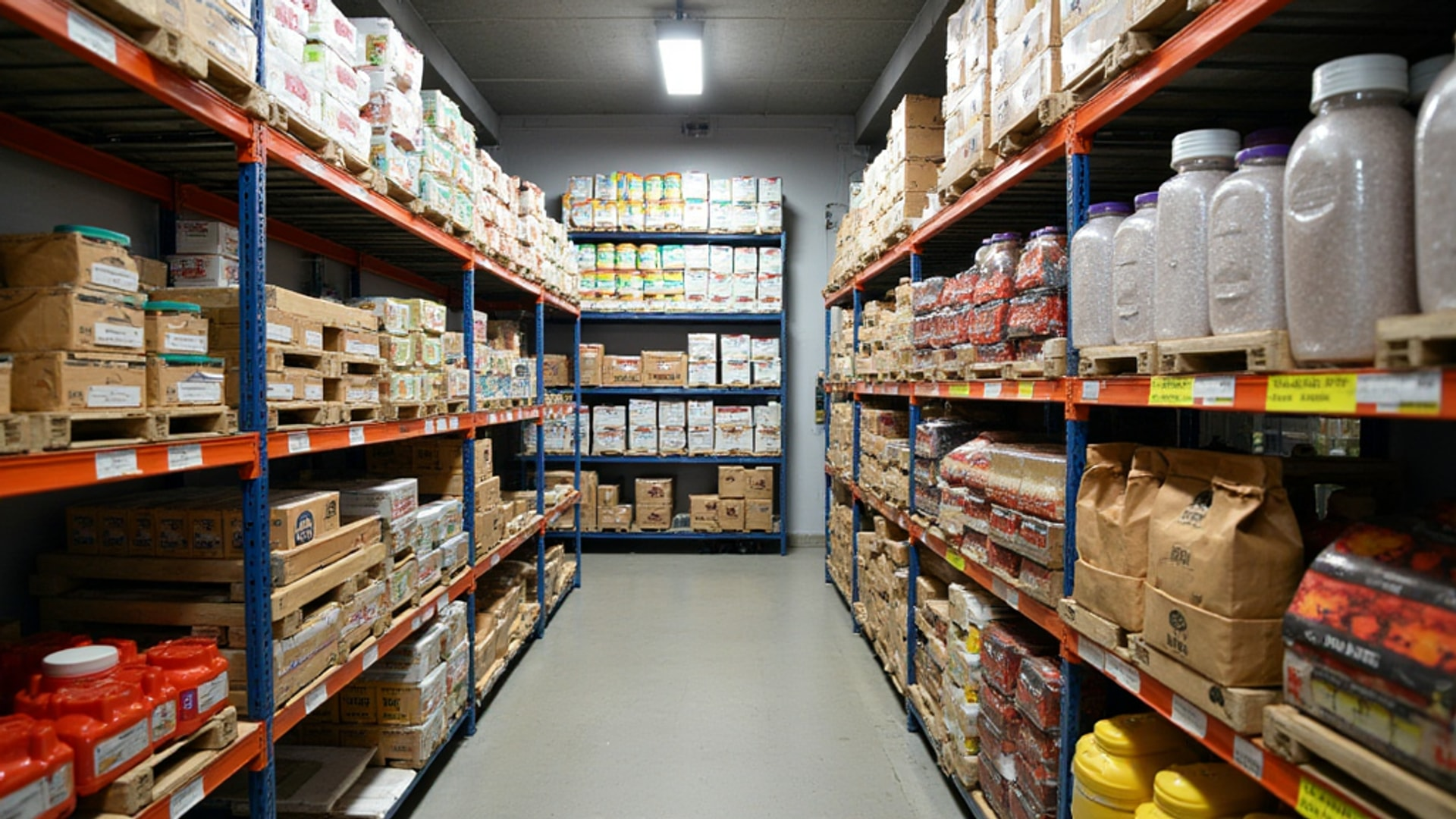
- Extensive cold storage for perishable ingredients
- Dry storage for the broader inventory a complex menu requires
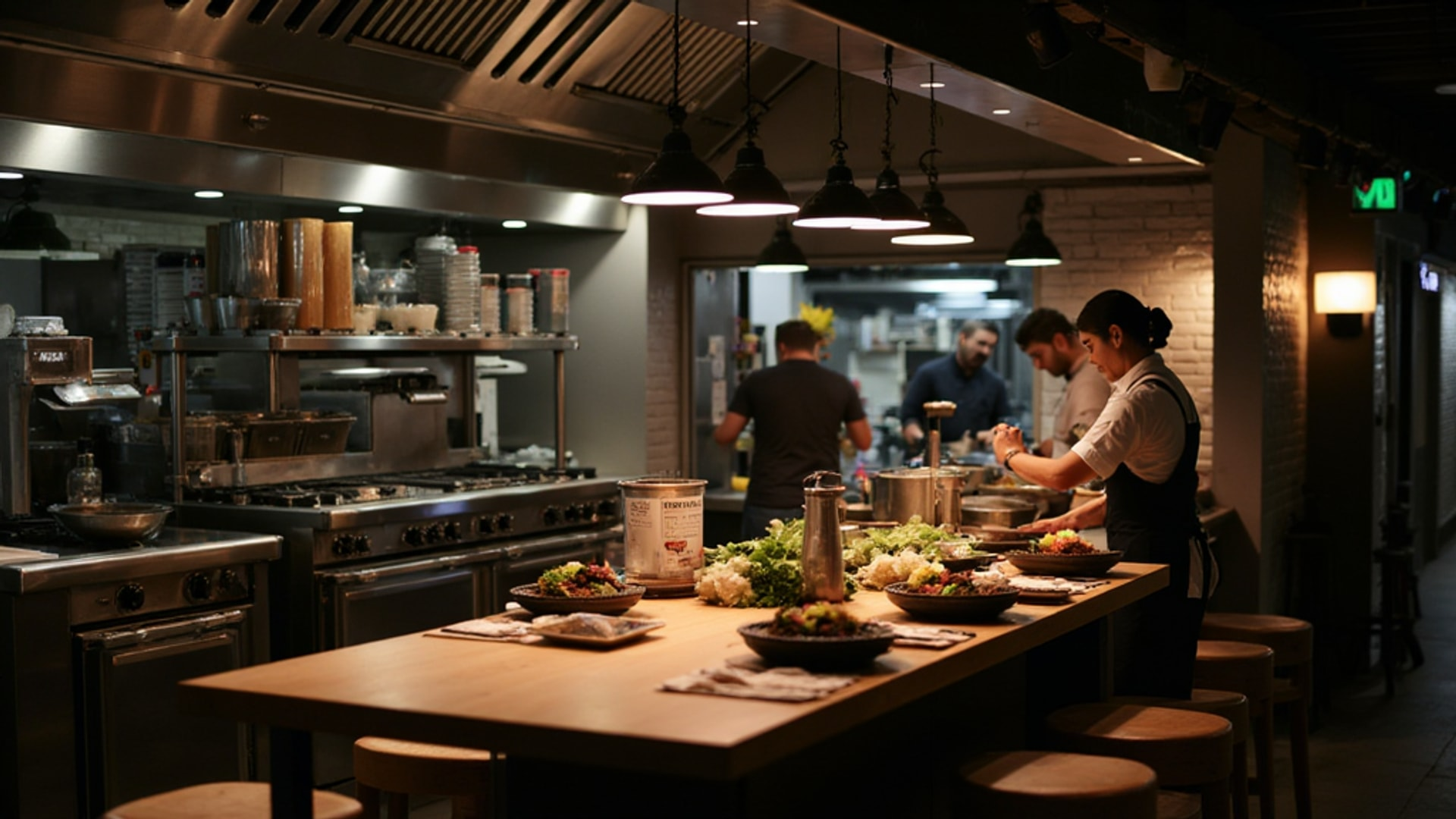
The kitchen in a fine dining restaurant is a specialized production facility that requires space to function properly. Compressing it to capture a few additional dining covers creates operational constraints that manifest as slow tickets, errors, and inconsistent food quality.
Casual and Quick-Service Restaurants
Casual and quick-service restaurants often use a 3:1 ratio, with simpler menus requiring less prep space and fewer specialized stations, according to Toast. When the menu is built around a limited number of items with streamlined preparation processes, the kitchen’s space requirements shrink proportionally.
A burger concept with five menu items needs substantially less kitchen infrastructure than a full-service restaurant with 40 items. The cooking line is simpler, prep requirements are lower, and the storage footprint is smaller. More space can go to the dining room without degrading the kitchen’s capability to serve it.
Fast-Service and Banquet Operations
Fast-service and banquet operations can push to a 4:1 ratio, with kitchens occupying as little as 25 percent of total floor space, according to Toast. These concepts rely on:
- Streamlined menus that minimize variety
- Batch preparation rather than à la minute cooking
- Simplified cooking processes that require less equipment and station space
- Production models that frontload preparation before service begins
A cafeteria, event venue kitchen, or highly standardized fast-food operation does not need the kitchen infrastructure that serves a diverse à la carte menu, and its space allocations reflect that difference.
The Factors That Override Ratios
The ratios above are starting points. Four factors push the required kitchen allocation up or down:
Menu complexity. This is the primary driver, according to Toast. A restaurant with an extensive from-scratch menu needs significantly more prep and cooking space than one relying on pre-prepared components. Every additional menu category, cooking technique, and specialized station adds to the kitchen’s space requirement. Work backward from the menu to understand what the kitchen actually needs, then calculate what dining space remains.
Service style. Buffet operations need serving space in the dining room but less plating space in the kitchen. Counter service concepts need pickup area in the guest-facing space but may have simpler kitchen requirements. The physical mechanics of how food gets from kitchen to guest affects both zones.
Storage and delivery frequency. Restaurants with less frequent deliveries need more dry and cold storage space, according to Toast. A restaurant that receives produce three times a week needs less cold storage than one receiving once a week. If the delivery schedule is constrained by location or budget, the storage allocation increases accordingly.
Building code requirements. Local codes may mandate specific spatial requirements for kitchen ventilation, plumbing, and fire suppression that constrain flexibility. Exhaust systems, grease traps, fire suppression systems, and the structural elements required to support commercial equipment all have spatial footprints that must be accommodated before the productive use of kitchen square footage is calculated.
The Right Way to Determine Your Ratio
The most reliable approach to determining the right ratio is working backward from the menu and projected covers, according to Toast. The logic:
Define the menu and production requirements. What stations are needed? What equipment does each station require? What prep, storage, and circulation does each station need to function?
Size the kitchen to execute the menu at peak. The kitchen must be sized to serve the dining room at capacity. Undersizing the kitchen to squeeze in more tables ultimately reduces service quality and throughput.
Determine how much of the total footprint remains for dining. The dining room is what the kitchen can support, not a fixed allocation that the kitchen is then sized to fit.
This approach requires menu design to happen before or simultaneously with architectural design, not after it. Operators who finalize a lease on a space and then design the menu often find themselves building a kitchen that cannot execute what they actually want to serve.
Kitchen Layout Types and Their Space Implications
The layout of the kitchen itself determines how efficiently the allocated square footage is used.
According to WebstaurantStore’s kitchen layout analysis, a well-planned kitchen can increase efficiency by up to 30 percent, improving service speed and reducing labor costs. Four primary layout configurations exist:
Galley layout: Parallel work lines with a central walkway, ideal for smaller kitchens where space efficiency is the priority. Our kitchen layout types guide covers all configurations in detail. Staff work in close proximity on both sides of a central aisle. Maximum functionality in minimum space, but requires small teams and close coordination.
Island layout: The primary cooking station — ranges, grills, fryers — positioned in a central island with preparation, storage, and plating stations along the walls. Allows the head chef to oversee all stations from a central position. Requires more total floor area to accommodate the central island and the circulation around it.
Assembly line layout: Equipment arranged in a linear sequence, making it ideal for high-volume operations with standardized menu items — pizza, sandwiches, bowls. Each station handles one step in the production sequence. Very efficient for limited menus; inflexible for diverse ones.
Zone layout: Related stations grouped by function. Works best for restaurants with diverse menus requiring multiple cooking methods. Allows specialized teams to work independently in their zones without interfering with each other.
Universal Kitchen Design Principles
Regardless of which layout type and ratio you choose, certain principles apply to every kitchen design, according to WebstaurantStore:
The workflow sequence is non-negotiable. Receiving, storage, preparation, cooking, service, and cleaning should flow in sequence without backtracking. No employee or material should need to retrace their path through the space in an optimal layout.
Preparation areas should be adjacent to cooking stations. Every step between prep and cook is dead time and cross-traffic risk.
Cross-traffic must be minimized. Traffic paths that cross contaminate workflow, create collision risk, and slow service. Clean and dirty paths should not cross.
The dishwashing area should be positioned to receive dirty dishes from the dining room without crossing through preparation or cooking areas. Proper storage design supports efficient flow throughout the kitchen. This is a food safety requirement as much as an efficiency one — contaminated items returning from the dining room should never pass through zones where clean food is being prepared.
The Rise of Off-Premises Business
The growth of delivery and takeout has shifted kitchen-to-dining ratios in some concepts, according to Toast. Ghost kitchens eliminate dining space entirely. Restaurants with significant off-premises business may allocate more space to kitchen operations and packaging areas at the expense of on-site seating.
Some operators are exploring hybrid models with smaller dining rooms supplemented by outdoor seating and larger kitchens optimized for both dine-in and delivery output. The trend creates a new planning question: What is the right balance between kitchen investment, on-premises seating, and off-premises volume? The answer depends on your market, concept, and margin profile — but it starts with the same principle: size the kitchen to execute the business model, then let the remaining footprint determine everything else.
→ Read more: Restaurant Seating Layout and Floor Plan
→ Read more: Restaurant Equipment Checklist