· Design & Ambiance · 10 min read
Hiring a Restaurant Designer: Process, Costs, and What to Expect
Hiring the right designer is the single most leveraged decision in a restaurant build-out — the right professional prevents mistakes that cost ten times their fee to correct.
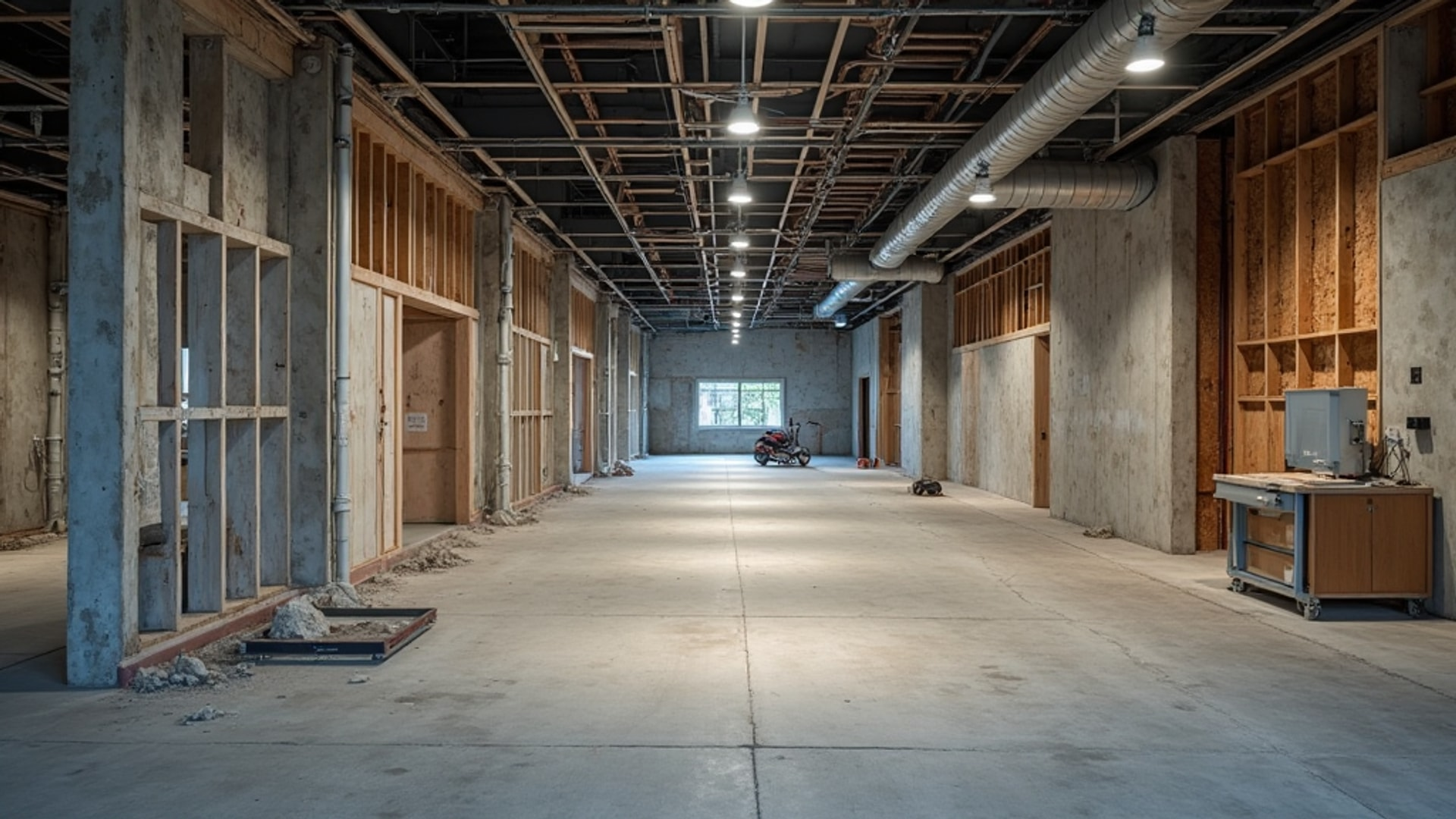
The decision to hire a restaurant designer — and specifically which designer to hire — shapes every subsequent decision in your build-out. Get it right and you have a partner who translates your vision into a code-compliant, operationally functional, atmospherically compelling space. Get it wrong and you spend the project’s duration fighting the consequences of poor planning, inadequate documentation, or a designer who doesn’t understand how restaurants actually operate.
According to ArcWest Architects, a restaurant architect should be one of the first professionals hired for a new restaurant project. That timing is not arbitrary — the architect’s work influences every subsequent decision and coordinates every other consultant on the project. Hiring late creates expensive conflicts and compromises that rarely get fully resolved.
Understanding the Design Team
Restaurant design is not a solo endeavor. A full design team for a restaurant project typically includes several distinct professionals, each with specific scope and expertise:
The Architect produces the construction documents that make the project buildable and code-compliant. According to ArcWest, the architect creates documents showing design intent according to building, accessibility, and egress codes. They produce drawings that the building department reviews for permit, that contractors use to build, and that other consultants coordinate their work against. Architectural licensing requires a bachelor’s degree in architecture and passing the Architecture Registration Exam — a requirement that protects the public by ensuring a qualified professional stamps drawings filed with governing authorities.
The Interior Designer develops the aesthetic concept — the material palette, furniture selection, color scheme, lighting fixtures, and decorative elements that create the dining experience. Interior design may be handled by the same firm as the architecture or by a separate specialist. In restaurant projects, interior designers with specific hospitality experience are strongly preferred because they understand how materials perform under the demands of commercial use, how furniture holds up through years of service, and how aesthetic choices interact with operational realities.
The Kitchen Equipment Consultant specifies and lays out the commercial kitchen. This is a highly specialized role. A kitchen equipment consultant understands cooking workflow, equipment performance, utility requirements, and health code compliance in ways that architects and interior designers typically do not. Skipping this consultant — which many operators attempt to do to reduce fees — usually results in kitchen layouts that work in theory but fail in daily operation.
MEP Engineers (Mechanical, Electrical, and Plumbing) design the infrastructure systems. The mechanical engineer handles HVAC and kitchen exhaust ventilation. The electrical engineer designs the power distribution system. The plumbing engineer designs the water supply and drainage systems. These engineers coordinate their work with the architectural and kitchen equipment drawings.
The General Contractor builds the project based on the documents produced by the design team. Contractors should be selected through competitive bidding or negotiation after the construction documents are substantially complete, not before.
ArcWest notes that additional required consultants include an interior designer, contractor, kitchen equipment consultant, and signage specialist, with permits and approvals consultants sometimes engaged to help navigate local building department requirements.
The Design Process: Phase by Phase
Understanding what happens in each design phase sets realistic expectations for timeline, cost, and your involvement as an owner.
Programming and Site Analysis
Before design begins, the architect documents the restaurant’s functional requirements: how many covers, what service style, what kitchen configuration, what support spaces are needed, what the budget is, what the brand vision is. Simultaneously, they evaluate the physical characteristics of the selected site — existing structural conditions, mechanical infrastructure, natural light, zoning constraints, and lease boundaries.
This phase often involves a formal site survey, which documents existing conditions with measured drawings. If the building has been previously occupied, existing drawings may exist but should never be trusted without field verification. Discrepancies between as-built conditions and old drawings are the source of many mid-construction surprises.
Schematic Design
Schematic design establishes the broad spatial relationships between the restaurant’s major program elements: kitchen, dining room, bar, restrooms, storage, entry, and any private dining or secondary spaces. According to ArcWest, this phase produces preliminary floor plans and elevations that capture the overall design direction without detailed specifications.
This is the most important phase for owner input. The decisions made in schematic design — where the kitchen is positioned, how the bar relates to the dining room, how guests flow from entry to table — establish constraints that are extremely expensive to change later. Operators who defer heavily to the designer at this stage and want to revisit spatial relationships during construction have almost always taken on significant cost increases and schedule delays.
The output of schematic design should be reviewed carefully. Walk the floor plan. Trace the paths guests will take from entry to table to restroom. Trace the path food will travel from kitchen to table. Identify every point where those paths cross and evaluate whether those crossings will create operational conflicts. Ask these questions now, when changes cost nothing.
Design Development
Design development refines the schematic concept into specific material selections, finish specifications, equipment requirements, and coordination with the MEP engineers. ArcWest describes this phase as producing enough detail for accurate cost estimation and code review.
This is when the real budget reality emerges. Schematic design cost estimates are inherently imprecise — they’re based on square footage benchmarks and preliminary assumptions. Design development estimates, based on actual material specifications and coordinated systems drawings, are far more reliable. If there’s a significant gap between the design development estimate and your budget, this is the time to resolve it through value engineering, scope reduction, or budget adjustment. Resolving it after construction documents are complete is more expensive. Discovering it during construction is more expensive still.
Construction Documents
Construction documents are the comprehensive set of drawings and specifications that contractors use to price and build the project, and that the building department reviews before issuing a permit. ArcWest identifies this as the final design phase, producing the drawings and specifications that contractors use to price and build.
The completeness and quality of construction documents directly affects both the accuracy of contractor bids and the smoothness of construction. Incomplete documents produce bids with large contingency allowances to cover unknowns, and generate field clarification questions that slow construction progress. Well-documented projects attract competitive bids and proceed more predictably.
Permit and Approval
Completed construction documents are submitted to the local building department for plan review and permit. The review process varies dramatically by jurisdiction — some building departments complete reviews in two to four weeks, others take months. In high-demand markets, permit timelines are one of the largest sources of schedule uncertainty.
Health department review of kitchen drawings is a separate process from building permit review in most jurisdictions and must be completed before the kitchen can be operated. Understanding permits and zoning requirements early prevents costly delays. Submit to the health department simultaneously with the building department.
Construction Administration
During construction, the architect’s role shifts to construction administration — verifying that the contractor’s work matches the design intent, responding to field conditions, reviewing shop drawings and submittals, and processing changes when they’re required. ArcWest identifies this phase as ensuring the built project matches the design intent.
Many owners are tempted to reduce construction administration services to save fees, particularly when working with a trusted contractor. This is a false economy. Construction administration is where design intent is defended when contractors propose cheaper alternatives, where errors are caught before they become costly to reverse, and where the architect’s professional engagement ensures the project doesn’t drift away from the approved design.
Fees: What to Expect
Restaurant design fees vary based on project size, complexity, geographic market, and the scope of services provided. General ranges from ArcWest’s practice context:
Architectural fees for restaurant projects typically range from 8 to 15 percent of construction cost for full services (through construction administration). For a $500,000 build-out, expect architecture fees in the $40,000 to $75,000 range. High-complexity projects with significant MEP coordination, custom millwork, or multiple rounds of design revision may exceed these ranges.
Interior design fees may be structured as a percentage of construction cost, an hourly rate, or a fixed fee for defined deliverables. Interior designers frequently earn additional compensation through trade discounts on furniture and fixtures — a practice that should be disclosed and understood at the outset.
Kitchen equipment consultant fees typically range from $5,000 to $20,000 for a full-service restaurant project depending on kitchen complexity.
MEP engineering fees add another 3 to 5 percent of construction cost across the three disciplines.
The critical insight: design fees are a small fraction of total project cost, but design quality is one of the largest determinants of total project outcome. The operator who cuts $20,000 from design fees and generates a kitchen layout that requires a $40,000 contractor change to correct has made a poor trade.
How to Evaluate and Select a Designer
ArcWest’s framing is that the architect interacts with every vendor and consultant throughout the project lifecycle — which means the relationship with your designer is the longest and most consequential professional relationship in the project.
Questions to ask when evaluating designers:
How much restaurant experience do they have, specifically? Restaurant design is not interchangeable with other commercial interior work. The operational knowledge, health code familiarity, and kitchen coordination experience required are specialized. Ask to see completed restaurant projects, and visit them if possible. Eat there. Ask the operators about the experience of working with the designer.
Who specifically will work on my project? Design firms present senior partners in pitches and assign junior staff to execute. Understand who will actually be drawing your project, attending site meetings, and responding to your calls.
How do they handle changes? Changes are inevitable in restaurant projects. Understand the fee structure for scope changes before signing a contract, not during construction when you have limited leverage.
Do they have relationships with the trades you’ll need? Designers with established working relationships with contractors, kitchen equipment dealers, and specialty vendors can often access better pricing and faster service than owners working with unfamiliar parties.
What is their communication style and cadence? Restaurant build-outs move quickly and decisions have compounding effects. A designer who responds slowly and communicates infrequently is a project risk.
The Right Relationship
The best designer relationship is collaborative, not transactional. Your designer should understand your concept deeply enough to make good decisions in your absence — because on a construction site with dozens of decisions made daily, you cannot be present for all of them.
Invest time at the outset in communicating your vision, your operational model, your guest profile, and your brand values. The more context your design team has, the better equipped they are to make the countless small decisions that collectively determine whether the finished restaurant feels like your vision or like someone else’s.
Hiring the right designer early, engaging them fully, and treating the design process as a genuine investment rather than a necessary cost produces restaurants that work — operationally, atmospherically, and financially — for years after opening day.
→ Read more: Restaurant Renovation Timeline
→ Read more: Interior Design Concept Development