· Marketing · 7 min read
Happy Hour Marketing: Filling Slow Hours and Building Your Customer Base
How to design, price, and market happy hour specials that convert off-peak hours into profitable guest acquisition and build loyal regulars.
According to Toast, 76% of happy hour customers look for 50% off on all appetizers. 56% seek deals on specific menu items. These are not casual preferences — they are firm expectations that determine whether a customer chooses your happy hour or your competitor’s.
Happy hour marketing is not just about filling empty seats between 3 PM and 6 PM. Done strategically, it is one of the most cost-effective customer acquisition channels available to restaurants. Guests who discover a restaurant through an attractive happy hour offering often return for full-price dinner service — and the data shows that early-in-the-evening guests tend to spend more on drinks per visit than their late-evening counterparts.
The Business Case for Happy Hour
Converting otherwise empty seats into revenue during traditionally slow periods improves the economics of every fixed cost in your restaurant. Labor is scheduled whether or not those seats are filled. Rent, utilities, and overhead costs are constant. Every incremental cover during the 3-6 PM window contributes margin above fixed costs that would otherwise be unrecovered.
The secondary benefit is customer acquisition. Toast’s data supports this: guests who discover a restaurant through attractive happy hour offerings often return for full-priced meals. Think of happy hour as a low-risk first date — lower ticket, lower commitment, higher probability of conversion to a long-term relationship.
Happy hour economics at a glance:
| Metric | Example |
|---|---|
| Seats available during happy hour | 40 |
| Average happy hour cover rate (before marketing) | 25% = 10 seats |
| Average happy hour check per person | $22 |
| Revenue before marketing | $220 |
| After effective marketing — 60% cover rate | 24 seats |
| Revenue after marketing | $528 |
| Incremental revenue from optimization | $308 per service |
| Annual incremental revenue (5 days/week, 50 weeks) | $77,000 |
These numbers make the case for treating happy hour marketing as a serious investment.
Designing the Happy Hour Offer
What Customers Actually Expect
Toast’s survey confirms it: 76% of happy hour customers expect half-price appetizers, and 56% seek deals on specific items. The baseline expectation is a meaningful discount — not a $2-off-a-$16-cocktail offer that customers will recognize as token generosity.
Competitive discount structures that drive traffic:
| Offer Type | Example | Perceived Value |
|---|---|---|
| Half-price appetizers | All apps at 50% off during happy hour | High — meets direct expectation |
| Dollar-off drinks | $3 off all draft beer and house wine | Moderate — depends on base pricing |
| Buy-two-get-one | Third drink free | High for groups |
| Bundled deal | App + two drinks for $25 | High — value clarity |
| Happy hour menu | Dedicated reduced-price small plates | High if executed with quality |
Avoid: Discounts that only apply to items people would not order at full price. If your happy hour “deals” only cover slow-moving items, customers notice and do not return.
Menu Strategy During Happy Hour
Feature high-margin items at attractive discounts. A chicken wing appetizer with 75% gross margin discounted to half price still contributes significantly to profitability. The goal is maintaining kitchen efficiency — items that can be prepared quickly and in volume — while delivering perceived value.
Limited-time offers and secret menu items available only during happy hour create exclusivity and urgency that motivate visits. A signature cocktail available only during the 4-6 PM window, or a happy hour-exclusive small plate that is not on the regular menu, gives customers a specific reason to come to your happy hour rather than any other.
Creating Differentiation: Themed Happy Hours
The competitive happy hour landscape in most markets means that discounted drinks alone are not sufficient differentiation. Themed happy hours provide real differentiation and give customers specific reasons to choose your location over competitors’.
Theme formats that consistently perform:
Industry night: Every Monday, hospitality workers and service industry staff receive 30% off the entire menu. The restaurant industry has tight social networks — this becomes word-of-mouth in a community that eats out frequently. These guests also tend to be knowledgeable, appreciative, and generous with tips.
Trivia night: Partner with a local trivia host. Charge a modest entry fee or make it free. Teams of 4-6 people spend significantly more time (and money) than a typical happy hour guest. The social dynamic — competing as a team — creates memorable experiences that generate word-of-mouth.
Wine tasting hour: Feature 6-8 wines by the 2 oz pour at $3-5 per taste with pairing notes. This works particularly well for restaurants with strong wine programs and educates customers on your bottle selections, driving full-bottle orders at dinner.
Local brewery or distillery feature: Partner with a local producer for monthly “takeover” happy hours. The producer promotes to their own customer base, bringing genuinely new customers to your restaurant who would not otherwise visit.
Live music: Even an acoustic guitarist in the corner from 5-8 PM changes the atmosphere and the draw. Customers come for the experience, not just the discount. Live music happy hours command slightly higher prices and longer dwell times.
Marketing Happy Hour: The Channel Mix
Social Media (Highest ROI)
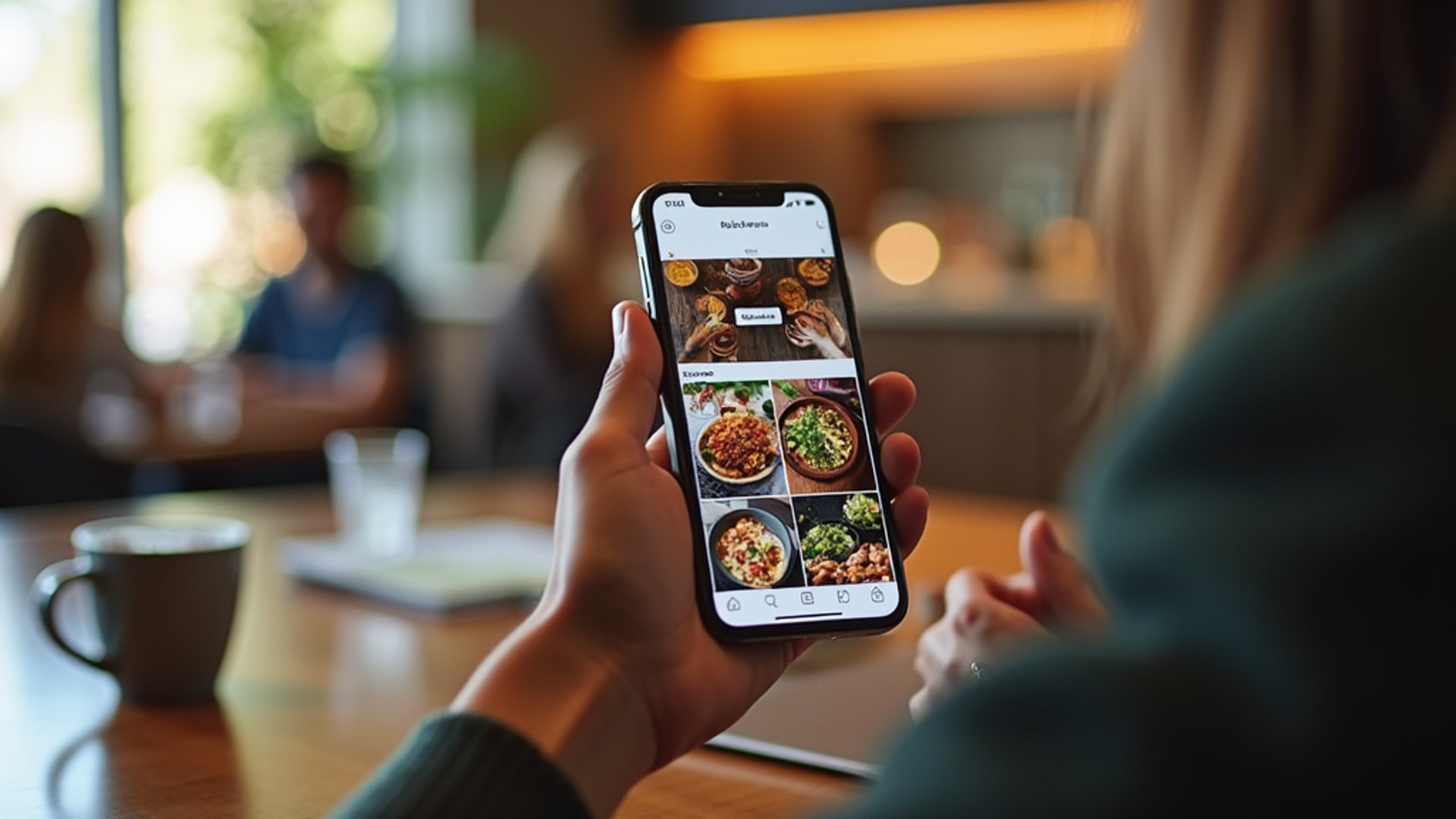
According to Toast, posting photos of signature cocktails and food specials on Instagram and TikTok, sharing images of customers enjoying happy hour, and using location-specific hashtags drive awareness.
Content cadence for happy hour marketing:
- Monday: “Week ahead” post featuring this week’s happy hour special
- Wednesday: Mid-week reminder with a close-up photo of the featured cocktail
- Friday: “Happy hour starts in 2 hours” post timed for 1-2 PM
- Post-event: Share photos from a recent busy happy hour (customer permission required)
The most effective content is specific: “Our mango habanero margarita is half price from 4-6 PM Tuesday through Sunday” beats “We have happy hour specials.”
Google Business Profile
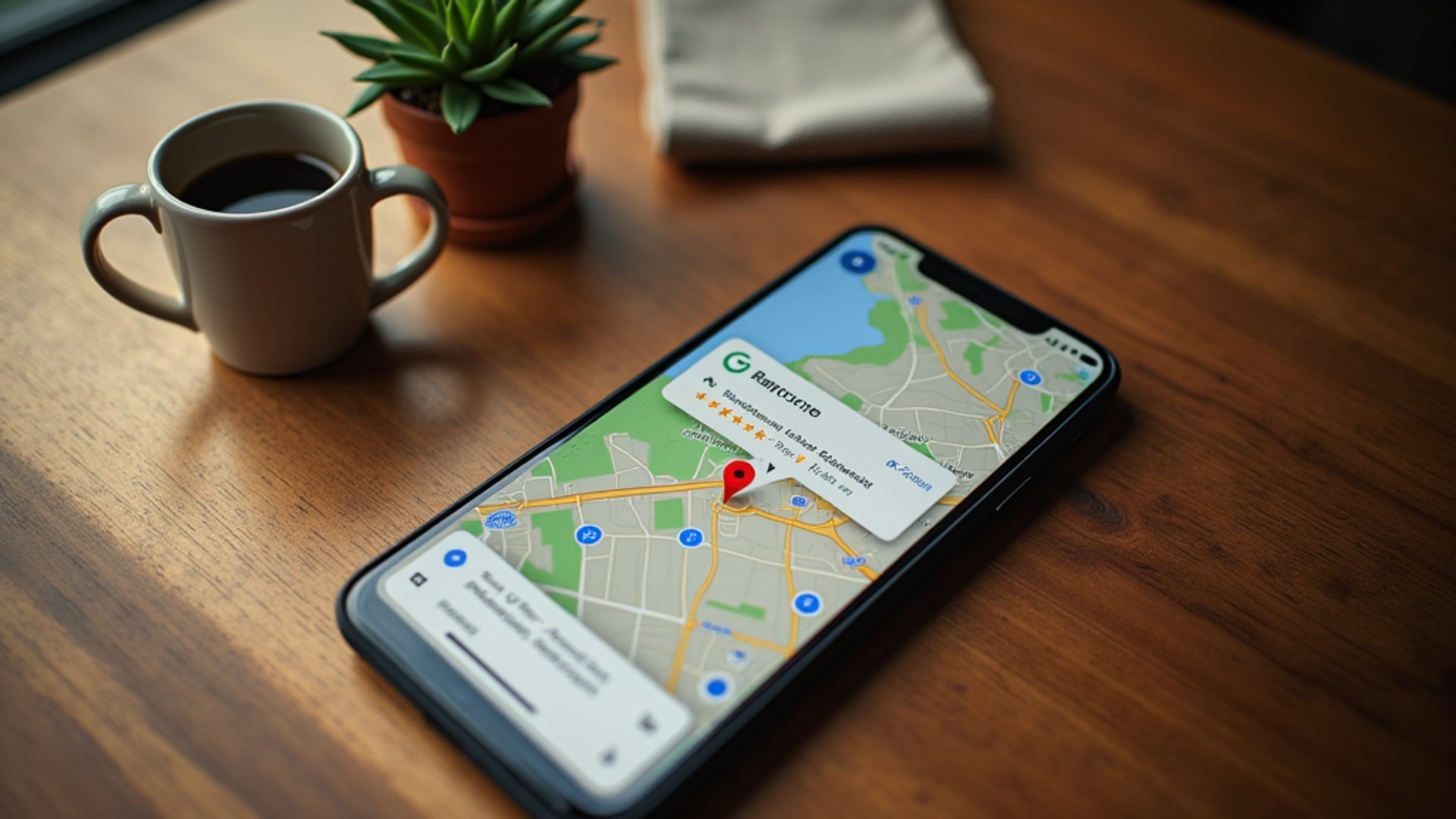
Update your hours on Google Business Profile to reflect happy hour pricing specifically. Add a Google Post each week featuring that week’s happy hour offer. According to Toast, consistent visibility in local search is critical for capturing nearby customers actively looking for happy hour options.
Email Marketing
Include happy hour information in weekly email newsletters. Feature a different deal or themed event each week to maintain interest. For customers who visited during happy hour but have not returned, a targeted “Thought you’d want to know — our happy hour menu just got better” win-back message can re-engage lapsed visitors.
In-Restaurant Promotion of the Next Visit
The most overlooked happy hour marketing tool is your own dining room. Every customer eating dinner between 6-10 PM should know that happy hour is 4-6 PM. A table tent with the happy hour menu, a brief server mention, or a printed card with the bill — “Join us for happy hour, Mon-Fri 4-6” — converts dinner guests into happy hour regulars.
Happy Hour Checklist: Building the Program
Menu design:
- Half-price appetizer offering (meets primary customer expectation)
- Dollar-off or percentage-off drink structure clearly defined
- 2-3 happy hour exclusive items not available at other times
- Menu item selection skews toward high-margin, quick-prep items
Operational setup:
- POS configured for automatic happy hour pricing by time window
- Staff trained on all happy hour specials and can describe each item compellingly
- Kitchen prep aligned with expected happy hour item mix
- Floor plan adjusted if needed (bar seating prioritized for walk-in happy hour guests)
Marketing launch:
- Google Business Profile updated with happy hour hours and specials
- Weekly social media content calendar created for happy hour promotion
- In-restaurant signage in place (A-frame outside, table tent inside)
- Happy hour information added to website and email newsletter footer
Performance tracking:
- Cover count during happy hour hours tracked daily
- Happy hour revenue versus same period prior month
- Percentage of happy hour guests who order from dinner menu (tracked for 30-day sample)
- Customer origin tracking (“How did you hear about our happy hour?”) for channel attribution
The Customer Acquisition Math
If your happy hour generates 15 new customers per week who would not otherwise visit, and 30% of those convert to regular dinner guests visiting once per month, you have added 4-5 monthly regulars from happy hour alone. At an average dinner check of $55, those regulars contribute $2,640-$3,300 per month in recurring revenue — from a marketing channel that essentially costs the discount on a few appetizers and cocktails.
That is the compounding value of happy hour done right. It is not a discount program. It is a customer development funnel.
→ Read more: Restaurant Customer Retention: Beyond Loyalty Programs → Read more: Seasonal Marketing Campaigns: The Restaurant Operator’s Full-Year Playbook