· Kitchen · 9 min read
Food Storage and Temperature Control: Zones, Rotation, and Compliance
A practical guide to FDA Food Code temperature requirements, the danger zone, cold and hot holding standards, receiving inspection procedures, and FIFO rotation systems that prevent spoilage and protect your health score.
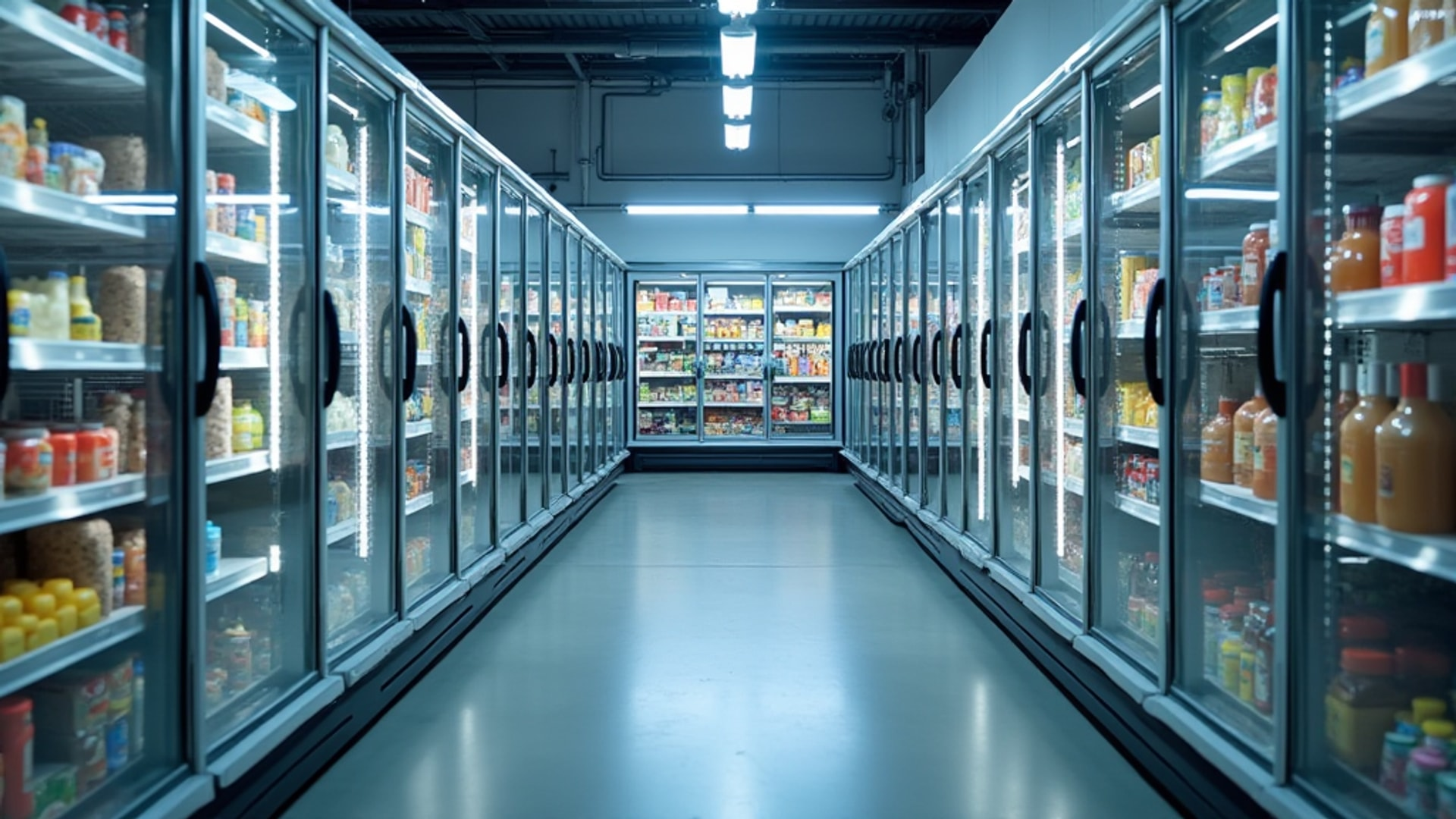
Temperature control is the backbone of food safety in any commercial kitchen. Most foodborne illness outbreaks that result in a restaurant shutting down — or worse, a guest hospitalization — trace back to a failure somewhere in the temperature chain: food received too warm, stored incorrectly, left in the danger zone too long, or held below the required temperature during service. Understanding the rules, building the systems, and training your team to follow them is not optional. It’s the operating baseline.
The Temperature Danger Zone
The FDA Food Code defines the temperature danger zone as 41 degrees F to 135 degrees F. Within this range, bacteria can double approximately every 20 minutes under ideal conditions. A food left in the danger zone long enough becomes a biological hazard even if it looks, smells, and tastes perfectly normal — because pathogens like Salmonella, E. coli, and Listeria produce no visible or olfactory indicators at dangerous concentrations.
The practical implication: every food handling decision should be made with the question “how long has this been in the danger zone?” in mind. That’s the frame for receiving inspection, refrigeration management, prep workflows, hot holding, and service.
Receiving: The First Line of Defense
The receiving process is where your food safety system either starts right or starts wrong. According to WebstaurantStore’s analysis of restaurant receiving procedures, the entire process from vehicle arrival to refrigerator storage must occur within 30 minutes to maintain cold chain integrity for perishable items.
This 30-minute rule requires that your receiving area be positioned close to the walk-in cooler — not across the kitchen — and that receiving inspections are staffed appropriately during scheduled delivery windows. A receiving dock at the back of the building with no direct path to refrigeration is a food safety design flaw.
What to inspect at receiving:
The delivery vehicle itself should be inspected first. The vehicle should be clean, and refrigerated trucks should be maintaining proper temperatures. Warm product, condensation on packaging, or thawed frozen items warrant heightened scrutiny.
Using a calibrated thermometer, check the internal temperature of representative items from the delivery. The standard is clear: refrigerated items must be at 41 degrees F or below. Frozen items must be fully frozen with no evidence of thawing and refreezing (watch for ice crystals inside packaging or misshapen packages, which indicate a thaw/refreeze cycle). Hot items must be at 135 degrees F or above.
Beyond temperature, quality inspection covers produce freshness and damage, protein color and texture, and the integrity of dry goods packaging. Canned goods should be free of dents, rust, swelling, or leaking — any of which can indicate compromised safety. Match the delivery against your purchase order for correct items, quantities, and specifications before signing.
Any rejected items must be documented with the reason for rejection, returned to the driver with a credit slip, and communicated to the supplier. Consistent rejection documentation provides data for evaluating supplier reliability over time.
→ Read more: Food Receiving Inspection: Procedures That Protect Your Kitchen
Cold Storage Temperature Requirements
Refrigerators must maintain 40 degrees F or below, per the FDA Food Code. In practice, walk-in coolers and reach-in units should run at 34 to 38 degrees F to provide margin against temperature spikes during door openings and deliveries.
Freezers must hold 0 degrees F or below.
Dry storage requires its own standards: items stored at least 6 inches off the floor, ambient temperature between 50 and 70 degrees F, good ventilation, and protection from direct sunlight.
Temperature monitoring should be continuous where possible. Digital monitoring systems with wireless sensors provide real-time readings and alert management when temperatures deviate from safe ranges. Manual temperature logs should be recorded at least twice daily — at opening and closing — and kept accessible for health inspectors. The log is not just a compliance document; it’s the early warning system that catches equipment problems before they spoil a full inventory.
Storage Hierarchy: Top to Bottom
Within the refrigerator, placement follows a strict hierarchy based on minimum internal cooking temperatures. The logic is designed to ensure that if anything drips from a higher shelf to a lower one, the food receiving the contamination will be cooked to a higher kill temperature than whatever dripped onto it.
Per the FDA Food Code storage requirements:
- Top shelf: Ready-to-eat foods — salads, deli items, prepared foods, leftovers, herbs, cut produce. These items will not be cooked again and are the most vulnerable.
- Second level: Whole cuts of beef and pork (minimum cooking temp: 145 degrees F).
- Third level: Ground meats and seafood (minimum cooking temp: 155 degrees F).
- Bottom shelf: Raw poultry — always at the very bottom, because it requires the highest cooking temperature (165 degrees F) and is the most common carrier of pathogens.
This arrangement is verified during every health inspection. Raw chicken stored above or beside ready-to-eat items is a critical violation.
Labeling and FIFO Rotation
Every stored item must be labeled with the item name, date of preparation or receipt, and use-by date. This is both a regulatory requirement and a practical cost-control tool.
FIFO — First In, First Out — is the rotation system that ensures older stock is used before newer deliveries. Proper implementation means new deliveries go behind existing stock, and the oldest items remain in front, visible and accessible. Color-coded day-of-the-week labels make FIFO even more intuitive for staff who may be restocking quickly during a delivery rush. According to KNOW’s food storage guidelines, labeling and FIFO together are the primary tools for identifying items approaching expiration before they become waste.
The four-hour rule applies to ready-to-eat food that has been in the temperature danger zone: food held between 41 and 135 degrees F for more than four cumulative hours must be discarded. This clock doesn’t reset when the food is returned to refrigeration — it accumulates across all time in the danger zone.
Dry Storage and Chemical Storage
Dry storage is frequently overlooked in food safety systems because it lacks the obvious temperature vulnerability of refrigeration. But dry goods stored improperly become contamination hazards and pest attractants.
Requirements: All items stored at least 6 inches off the floor on shelving (never directly on the floor). Ambient temperature between 50 and 70 degrees F with adequate ventilation. Protection from direct sunlight, which degrades packaging and accelerates oxidation of products like oils and fats. FIFO rotation applies to dry goods exactly as it does to refrigerated items.
Chemical storage must be completely and physically separated from food storage at all times, as specified by OSHA regulations. Cleaning supplies, sanitizers, and pest control chemicals belong in a dedicated chemical storage area, always stored below food products (never above), and always in their original labeled containers. A cleaning chemical accidentally stored above flour on a crowded dry storage shelf is a contamination incident waiting to happen.
→ Read more: Kitchen Cleaning and Sanitation: Schedules, SSOPs, and Health Code Compliance
Hot Holding: Keeping Cooked Food Safe
Hot holding is the final temperature control link in the service chain. Per the FDA Food Code 2022, hot-held food must maintain 135 degrees F or above at all times. This applies to buffets, cafeteria lines, hotel kitchens, and any restaurant maintaining a steam table or hot holding cabinet.
As WebstaurantStore’s steam table guide emphasizes, the critical operational point is that steam tables hold food at temperature but cannot cook food or safely reheat cold items. Food must be fully cooked to the required internal temperature before being placed in a steam table. Loading cold food into a steam table does not bring it to temperature — it slowly warms it through the danger zone, which is exactly the wrong approach.
During service, staff should:
- Check held food temperatures with a calibrated thermometer every two hours and log the readings
- Stir thick soups and sauces regularly, as surface temperature can be higher than internal temperature
- Monitor water levels in wet wells — evaporated water compromises heat transfer
- Discard any held food that has fallen below 135 degrees F and has been below that threshold for more than two hours
Steam tables use two heating methods. Moist heating adds water to wells beneath food pans, generating gentle steam heat ideal for items that must retain moisture — mashed potatoes, gravies, steamed vegetables. Dry heating operates without water, preserving crispness in fried items that would become soggy in a moist environment. Match the heating method to the product you’re holding.
→ Read more: Steam Tables and Hot Holding: Equipment Selection, Temperature Management, and Service Best Practices
Time as a Control Alternative
The FDA Food Code allows a “time as a control” method for certain situations where maintaining temperature throughout service is operationally difficult — small items at action stations, tableside service, catered events. Under this method, food can be held without temperature control for up to four hours if it starts at 41 degrees F or below and is discarded after four hours regardless of appearance. This method requires written procedures and documented time tracking per the FDA Food Code, and it cannot be used as an excuse to skip temperature control on items that a temperature system can reasonably manage.
Building Your Temperature Monitoring System
A workable temperature monitoring system for a mid-size restaurant operation includes:
- A calibrated probe thermometer at every station, used to check receiving temperatures, cooking temperatures, and holding temperatures
- A wall-mounted thermometer inside each refrigeration unit plus digital monitoring sensors with alerts
- A written temperature log completed twice daily and kept on file for 90 days minimum (some jurisdictions require longer retention)
- Clear procedures for what to do when a temperature is out of range — who gets notified, what products are evaluated, how the decision to discard or keep is documented
The investment in this system — $500 to $1,500 for monitoring equipment and about 10 minutes per shift in documentation time — is trivial compared to the cost of a single foodborne illness incident, which the National Restaurant Association estimates averages $75,000 in direct costs before any litigation.
Train every new hire on temperature control before they touch food. Make temperature checks part of the opening, service, and closing checklists. And treat the temperature log as the compliance document it is: the record that demonstrates your kitchen took food safety seriously on every single shift.
→ Read more: Kitchen Inventory Par Levels: Build the System That Prevents Stockouts