· Kitchen · 8 min read
Walk-In Cooler Organization: A System for Safety, Efficiency, and Waste Reduction
How to organize a walk-in cooler for food safety compliance, FIFO rotation, airflow, and waste reduction — with a storage hierarchy, temperature targets, and labeling protocols.

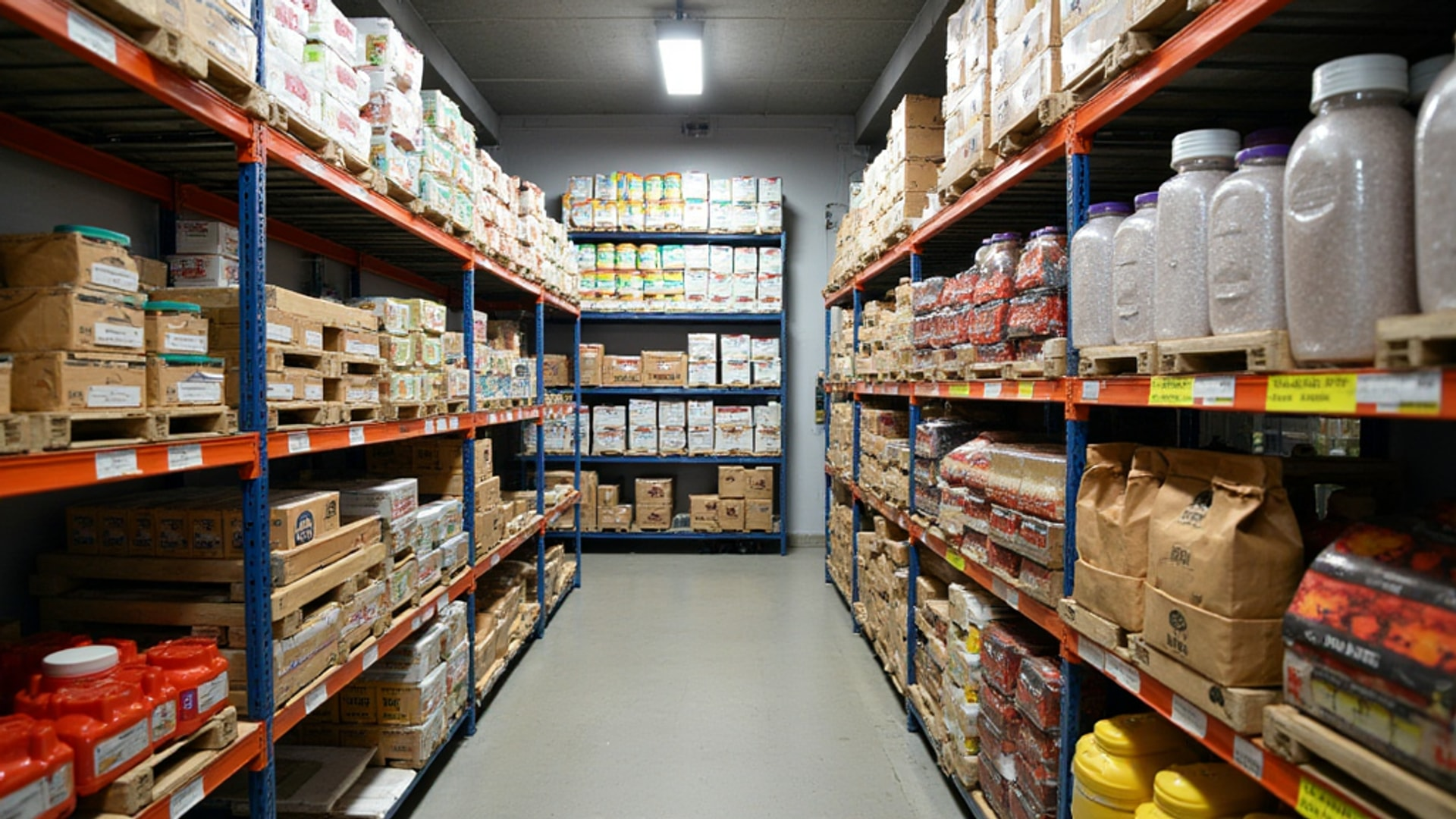
Walk-in cooler organization is one of those systems that looks optional until it fails. A disorganized walk-in means a cook searching for portioned chicken during a dinner rush, a rack of expensive herbs wilting because they were stored next to the fan, and a $200 tray of prepped food going into the trash because no one could read the date label. It means a health inspector finding uncovered raw proteins stored above ready-to-eat salads and writing a critical violation on your report.
A well-organized walk-in does the opposite: it makes the right storage location the obvious choice, makes FIFO rotation automatic, makes inventory counts fast and accurate, and makes health inspections predictable. The system is not complicated — but it requires setup, labeling, and consistent enforcement across every shift.
Temperature: The Foundation of Everything
Before addressing organization, address temperature. According to the GlacierGrid cold storage guide, the ideal temperature for a walk-in cooler is between 35 and 45 degrees Fahrenheit, with most food safety authorities targeting the tighter range of 34 to 38 degrees F. The Polar King walk-in organization guide agrees on the 34 to 38 degree F target.
Why this matters: the FDA Food Code defines the temperature danger zone as 41 degrees F to 135 degrees F — the range where bacteria double approximately every 20 minutes. A walk-in running at 44 degrees F is technically within some jurisdictions’ tolerance, but it is running at the very edge of safety and creating conditions where food quality degrades faster than necessary.
Walk-in freezers should maintain 0 degrees F or below, with consistent temperature rather than fluctuation that causes freeze-thaw cycles.
Temperature monitoring requirements:
- Temperature should be checked and logged at least twice daily at opening and closing
- Digital monitoring systems with continuous readings and automatic alerts when temperatures deviate are rapidly becoming the standard — they catch problems that manual logging misses
- Maintain a backup thermometer as a verification device for the primary sensor
- Keep a thermometer log for a minimum of 90 days; health inspectors may request records to verify consistent compliance
The Storage Hierarchy: Top to Bottom
The vertical arrangement of products in a walk-in cooler follows food safety logic, not convenience. The hierarchy exists to prevent cross-contamination through dripping, condensation, and physical contact between high-risk and low-risk items.
According to the GlacierGrid guide and the FDA Food Code, the correct sequence from top shelf to bottom shelf:
Top shelf: Ready-to-eat foods and fruits/vegetables Items that will be consumed without further cooking — salads, prepped garnishes, cut fruits, deli items, cooked and ready-to-serve items — occupy the highest shelves. These items are the most vulnerable to contamination from any item stored above them, so they sit where nothing can drip onto them.
Second tier: Pre-cooked items and dairy products Foods that have already been cooked and are being stored for later use, plus dairy products (milk, cream, butter, cheese). These items have lower contamination risk than raw proteins.
Third tier: Whole raw meats — beef, pork, lamb (minimum cook temp 145°F) Raw intact cuts of beef, pork, and lamb. Still a contamination risk, but requires lower cooking temperatures than ground meats and poultry.
Fourth tier: Ground meats and non-intact proteins (minimum cook temp 155°F) Ground beef, ground pork, and any proteins that have been mechanically tenderized, marinated by injection, or otherwise had their surface integrity compromised.
Bottom shelf: Raw poultry (minimum cook temp 165°F) Raw poultry — chicken, turkey, duck — always occupies the lowest shelf. Poultry is the food category most commonly associated with Salmonella and Campylobacter, and the 165-degree minimum cook temperature reflects the higher risk. Placing it on the bottom shelf ensures that any drip from poultry cannot contaminate any other food in the cooler.
Nothing on the floor. No exceptions. Per the FDA Food Code, food must be stored at least 6 inches off the floor. Items stored on the floor are at risk of contamination from floor drainage, water accumulation, and cleaning activity.
Shelving and Airflow
According to both the GlacierGrid and Polar King guides, wire cooler shelving is preferred over solid shelves throughout the walk-in. Wire shelving allows cold air to circulate around all stored items, preventing warm pockets that develop on solid shelves where cool air cannot reach the items directly above. Wire shelves also minimize the accumulation of food particles, dirt, and moisture that solid surfaces develop.
Maintain 2 to 3 inches of spacing around items and between items and walls. According to the Polar King guide, 3 to 6 inches between items and walls is the appropriate gap for adequate airflow circulation. Products pressed against walls or packed tightly together do not receive consistent cooling.
One exception noted in the Polar King guide: fruits and vegetables are particularly susceptible to damage from direct fan airflow, which causes wilting, freezer burn, and accelerated deterioration. Position produce away from the direct path of the cooler’s fans.
Use NSF-rated stainless steel or approved food-grade polycarbonate containers with tight-fitting lids. Tight lids prevent dehydration (which ruins the texture of many foods), prevent cross-contamination from uncovered items, and maintain cleaner cooler conditions overall.
FIFO Rotation: The Practice That Prevents Waste
FIFO — First In, First Out — means that older stock is always used before newer deliveries. The principle is simple; consistent execution requires a system.
According to both the GlacierGrid and Polar King guides:
- When new deliveries arrive, existing stock moves to the front of the shelf. New items are placed behind them.
- Every container in the walk-in must be labeled with item name, date of preparation or arrival, and use-by date.
- Staff must be trained not just in the procedure, but in the financial reasoning behind it: a labeled container that gets used in correct rotation protects profit. A container without a label or in the wrong position on the shelf is waste waiting to happen.
Color-coded day-of-week labels have become a practical alternative to date labels in many operations. A simple system using seven colors (one per day of the week) allows any staff member to immediately see which container is oldest without reading a small date label in a cold, dimly lit cooler. The color system only requires posting a reference chart inside the cooler door.
For high-value and short-shelf-life items — fresh fish, raw proteins, prepped sauces — some operations use a countdown system: the label shows the day the item was prepped and the last acceptable use day. A sauce prepped on Monday with a three-day shelf life gets a label reading “Made Mon. / Use by Wed.” No math required during service.
Zone Organization and Labeling
Designated zones within the walk-in assign specific shelf sections to specific categories. According to the Polar King and GlacierGrid guides, this consistency means items are in the same location across every shift, reducing search time during service and preventing the common failure mode of items being stored “wherever there was space” during a busy receiving period.
Implementation:
- Use adhesive shelf labels, laminated label holders, or color-coded shelf tape to mark each zone
- Post a simple cooler map inside the walk-in door showing zone locations. A laminated 8x10 map at eye level takes five minutes to create and saves the walk-in from becoming a chaotic refrigerator after a few weeks
- Include zone labeling in new staff onboarding — the first time a new cook puts product away, they should know where it belongs and why
Common zone layout for a mid-size restaurant walk-in:
- Left wall: dairy, eggs, produce (upper shelves)
- Back wall: prepped sauces and stocks, marinated proteins
- Right wall: raw proteins (beef/pork upper, poultry bottom, seafood below beef/pork)
- Center shelves (if a large walk-in): ready-to-eat items, grab-and-go components
Your specific layout will reflect your menu and volume, but the principle applies regardless of size: intentional zones, clearly marked, consistently enforced.
Cooler Maintenance and Cleanliness
An organized walk-in is not just well-stocked — it is clean. A regular cleaning schedule prevents the accumulation of food debris, condensation, and spills that create odors, cross-contamination risks, and mold growth.
Weekly minimum:
- Remove all items from one section at a time, wipe down shelves with an approved sanitizer solution, and return items in correct FIFO order
- Check expiration dates on all items during rotation; remove anything past its use-by date immediately
- Inspect door gaskets for deterioration (compromised gaskets cause temperature loss and ice buildup)
- Check that the drain is clear
Monthly:
- Deep clean the entire cooler including walls, ceiling-mounted condenser coils, and door hardware
- Verify temperature sensor calibration against a reference thermometer
- Inspect the condensate drain line for blockages
According to The Kitchen Spot’s energy efficiency guide, condenser coils on refrigeration units should be cleaned every three months to maintain heat transfer efficiency. Dirty coils force the compressor to work harder to maintain temperature, increasing energy consumption and shortening equipment life.
Impact on Food Cost and Waste
The connection between walk-in organization and food cost is direct. According to the GlacierGrid guide, a well-organized storage space provides a clear overview of stock levels, helping operators order supplies more accurately and avoid over-purchasing. Organized cold storage with clear labeling and proper rotation can reduce food waste by identifying items approaching expiration before they spoil — turning what would be waste into planned menu specials or staff meals.
The US restaurant industry wastes approximately $57 billion annually on uneaten food, according to IoT kitchen monitoring research. A walk-in cooler system that makes every item visible, dated, and accessible is one of the most cost-effective tools for reducing the restaurant’s share of that waste.
A well-run walk-in cooler is not glamorous work. But it is daily, compounding, financially significant work that separates operations with controlled food costs from those constantly struggling to understand where the margins went.
→ Read more: Commercial Refrigeration: Walk-Ins, Reach-Ins, and Cold Storage Best Practices
→ Read more: Kitchen Inventory Par Levels: Build the System That Prevents Stockouts