· Culture & Sustainability · 8 min read
Global Cuisine and Fusion Trends: How International Flavors Are Reshaping Menus
Fusion dishes are projected to appear on 40% of new U.S. restaurant menus — nearly double from five years ago. Understanding which global cuisines are gaining traction and what's driving demand tells you where the next menu opportunities are.

The American restaurant menu has never looked more global. According to Datassential’s 2025 research on flavor and cuisine trends, fusion dishes are projected to appear on 40 percent of new U.S. restaurant menus — nearly double their penetration from five years ago. This isn’t a culinary fashion moment. It’s a structural shift in how American diners eat, what they expect, and what the chef workforce is capable of delivering.
For operators, understanding this shift means more than adding a Korean-inspired taco to your menu. It means thinking clearly about which global culinary traditions are gaining traction, what’s actually driving consumer demand, and how to integrate international flavors in ways that create genuine culinary value rather than superficial novelty.
Which Cuisines Are Actually Growing
Not all global cuisines are gaining equally. Datassential’s research identifies clear leaders and emerging challengers that operators should understand before making menu decisions.
Asian cuisines lead the growth wave, with Vietnamese, Thai, Korean, and Filipino flavors finding their way into mainstream American dining at accelerating rates. Korean food has had the most dramatic trajectory — driven partly by cultural exports like K-pop and K-drama creating familiarity and affinity among younger consumers, and partly by the intrinsic qualities of Korean cuisine: bold fermented flavors, complex heat profiles, and a meat-grilling culture that translates well to American dining habits. Specific dishes like bulgogi have transitioned from Korean specialty restaurants to mainstream menu appearances across multiple segments.
Filipino cuisine is emerging as the next major breakthrough. Long underrepresented in American dining relative to the size of the Filipino-American community, Filipino food brings adobo, kare-kare, lechon, and the sour-savory flavor profiles of dishes like sinigang to a growing audience of adventurous diners. Operators who establish Filipino-influenced menus now are positioning ahead of a wave that most industry analysts expect to hit mainstream consciousness in the next two to three years.
Vietnamese flavors — particularly the herbal freshness of dishes like pho, banh mi, and bun bowls — continue to grow because they align with health-conscious eating preferences. The cuisine’s emphasis on fresh herbs, bright acid, and lean proteins gives it natural crossover appeal to diners who care about both flavor and nutrition.
Latin American cuisines beyond Mexican represent the fastest-growing regional category. Peruvian and Colombian cuisines are emerging as significant influences. Peruvian food brings a unique combination of Japanese, Spanish, African, and indigenous Andean traditions — producing dishes like ceviche, causa, and lomo saltado that have extraordinary depth and are genuinely unlike anything else in the American restaurant landscape. Specific dishes like birria, aguachile, and salsa macha are transitioning from regional Mexican specialties to broader menu appearances. These aren’t just trendy items; they’re dishes with genuine culinary logic — compelling flavors built on real technique — which means they have staying power.
The Gen Z Factor
Gen Z is the primary engine driving demand for bold, adventurous global flavors. According to Datassential’s research, younger diners show notably more adventurous palates and stronger interest in authentic global flavors than previous generations. This demographic cohort grew up with greater exposure to diverse foods through social media, multicultural communities, and international travel — and they bring that exposure directly to their dining expectations.
For operators, this has a specific implication: the younger your target customer, the more pressure you face to deliver genuinely interesting global flavors, not just familiar comfort food with international garnishes. Gen Z diners are sophisticated enough to recognize superficial “fusion” attempts and unimpressed by them. They want depth.
This also means that the competitive bar for global cuisine is rising. As more consumers develop genuine familiarity with Korean, Vietnamese, Filipino, and Peruvian flavors, the penalty for getting those flavors wrong increases. Credibility matters more as the audience becomes more educated.

The Flavor Profile Shift
Beyond specific cuisines, Datassential’s research identifies the flavor profiles that are driving menu innovation across all segments. Umami, spicy-sweet, and smoky profiles are at the forefront of what consumers are seeking.
Umami has become the most sought-after flavor dimension in contemporary American dining, closely connected to the rising interest in fermented foods. The deep, savory satisfaction that umami delivers — through ingredients like miso, aged cheeses, mushrooms, tomato concentrates, and fermented seafood products — is what underlies the success of many global cuisine trends. Korean doenjang, Japanese dashi, and Southeast Asian fish sauce all deliver umami with cultural specificity that generic seasoning cannot replicate.
Spicy-sweet combinations are proliferating because they create complexity in a single sensory experience. The combination appears across multiple global traditions — Korean gochujang, Thai sweet chili, Mexican chamoy, Taiwanese scallion sauce with chili crisp — and resonates powerfully with younger diners who grew up with Sriracha as a condiment. The nuance within spicy-sweet (the heat intensity, the sweetness source, the additional flavor layer) is where operators can differentiate.
Smoky profiles driven by global techniques — Korean BBQ, Peruvian anticucho, Mexican birria, Southeast Asian satay — connect the food theater of live-fire cooking with the cultural specificity of these traditions. Smoke is experiential as well as flavorful. Restaurants that have invested in equipment capable of delivering authentic smoky profiles have a meaningful advantage in the flavor arms race.

Fusion Done Right vs. Fusion Done Wrong
The 40 percent menu projection for fusion dishes comes with an important nuance from Datassential’s analysis: the trend is moving away from superficial combinations of disparate cuisines toward deeper cultural understanding and thoughtful blending of techniques and ingredients. The era of arbitrary novelty fusion — putting Korean flavors on Italian pasta and calling it innovation — is giving way to more sophisticated culinary thinking.
What distinguishes successful fusion from gimmicky mashups?
Cultural coherence. The best fusion dishes reflect deep knowledge of both culinary traditions being combined. A Japanese-Peruvian approach (Nikkei cuisine) works because it draws on the century-long history of Japanese immigration to Peru and the genuine synthesis of technique and ingredient that developed over that time. It isn’t arbitrary — it’s historically grounded. Operators who bring similar depth of understanding to their fusion choices create dishes with genuine culinary logic.
Technical mastery of both traditions. A Korean-Mexican fusion restaurant run by a chef who deeply understands both Korean and Mexican culinary technique produces fundamentally different results than one that applies surface flavors from one tradition to the format of another. The growing diversity of the chef workforce — chefs who grew up eating and cooking within specific cultural traditions — is one of the structural reasons fusion food quality is improving.
Restraint. The most compelling globally-influenced dishes typically combine one or two specific influences rather than attempting to merge five cuisines into a single dish. The complexity that makes global flavors exciting is already built into the individual traditions. Adding more traditions doesn’t create more complexity — it creates confusion.
Honest positioning. Diners increasingly bristle at cultural appropriation in food — restaurants that claim global culinary identity without real cultural connection or knowledge. The most commercially successful global cuisine restaurants are either operated by chefs with genuine cultural connection to the cuisine, or explicitly frame their approach as inspired-by rather than authentic. Transparency about your culinary influences builds credibility with the sophisticated diners who care most about this.

Plant-Based Fusion
One of the most interesting intersections in current menu trends is the convergence of plant-based menus with global fusion techniques. Datassential’s research specifically calls out plant-based fusion — pulled shiitake “meat,” mycelium bacon — as a gaining category. Fine dining is also embracing plant-only tasting menus with global influences.
This convergence makes culinary sense. Many of the world’s great vegetarian food traditions are Asian — Buddhist Chinese and Japanese temple cuisine, South Indian vegetarian cooking, the extensive vegetarian traditions within Filipino and Thai cuisines — and bring both technical depth and flavor sophistication to a category that American plant-based cooking has often lacked. Operators developing plant-forward menus with global influence have access to centuries of technique specifically developed to make vegetables and legumes compelling without meat.
Practical Menu Integration
For operators looking to incorporate global cuisine trends thoughtfully, a few practical considerations:
Start with ingredients, not dishes. Rather than importing complete foreign dishes wholesale, identify specific ingredients or flavor elements from target cuisines and integrate them into your existing menu DNA. Gochujang in a glaze. Miso in a vinaigrette. Peruvian aji amarillo in a sauce. These applications let you deliver global flavor complexity without fully departing from your established culinary identity.
Build sourcing relationships first. Authentic global flavors require authentic ingredients. Generic supermarket versions of specialty ingredients — low-quality miso, stale fish sauce, mass-produced gochujang — deliver neither the flavor nor the story. Identify specialty purveyors who carry high-quality versions of the ingredients you want to work with before you put dishes on the menu.
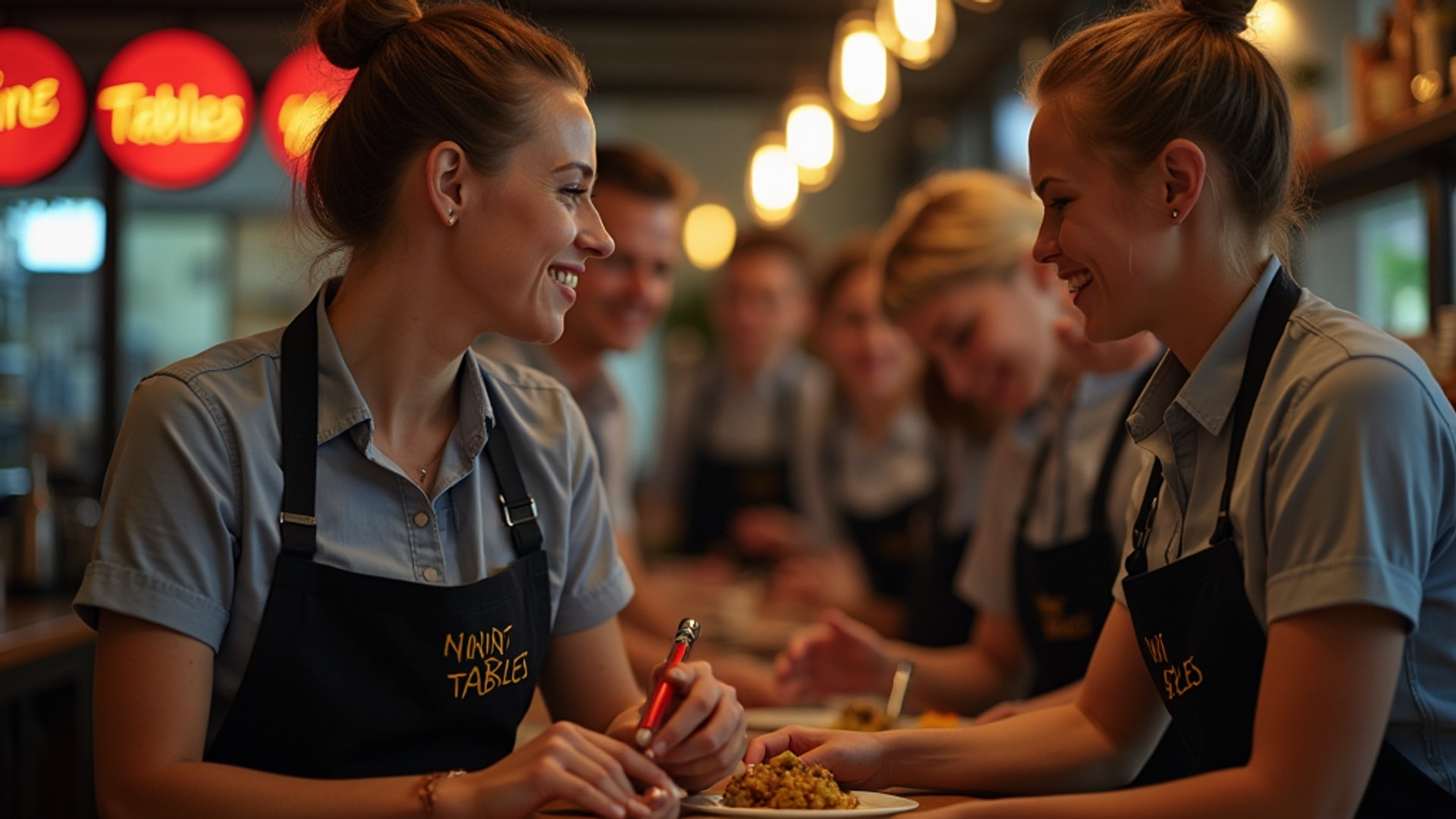
Staff knowledge matters. Guests who order globally-influenced dishes increasingly have questions about the ingredients, the tradition, and the flavor profile. Well-trained servers make the difference here. Servers who can answer those questions fluently — explaining what koji is, why this particular kimchi is different from what guests might have encountered elsewhere, what makes Peruvian ceviche distinct from Mexican — turn every global dish into an education and a connection.
The operators who navigate this landscape most successfully will be the ones who engage with global culinary traditions with genuine curiosity and respect — not as a trend to exploit, but as a body of culinary knowledge to learn from.
-> Read more: Food Trends and Menu Innovation: What’s Shaping Restaurant Menus Right Now
-> Read more: Menu Copywriting: Writing Descriptions That Sell
-> Read more: Culinary Tourism and Destination Dining