· Operations · 8 min read
Food Truck and Mobile Operations: Permits, Logistics, and Daily Workflow
Everything you need to know about running a food truck or mobile food business — from permit applications to daily workflow and route planning.

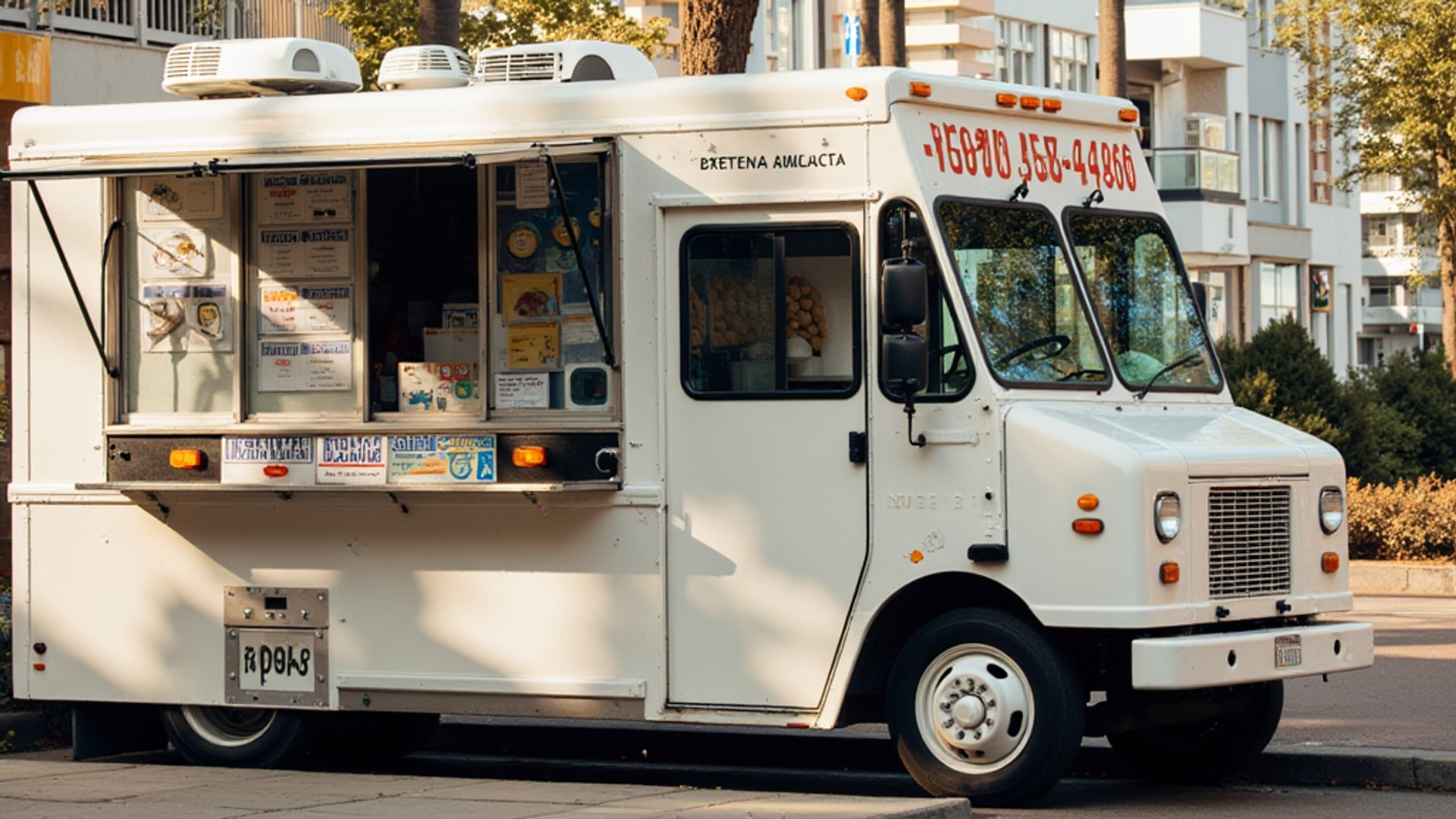
Running a food truck is not a simpler version of running a restaurant. It is a different business with different rules, different infrastructure dependencies, and different operational rhythms. The mobile format strips away fixed costs — rent, long-term leases, large build-out expenses — but replaces them with regulatory complexity, vehicle maintenance demands, and logistical challenges that a brick-and-mortar operator never faces.
Get that mindset right before you start, and you will be prepared for what actually running a mobile food business requires.
What “Mobile Food Facility” Actually Covers
According to Toast’s guide to food truck licensing and permits, mobile food facilities include trucks, trailers, vans, carts, and portable food preparation units. The category is broader than most people assume. A cart serving coffee at a farmers market, a trailer doing BBQ at festivals, and a truck running lunch routes through downtown office districts all fall under this umbrella — and all require substantially similar regulatory compliance, even if the scale differs.
The Permit Patchwork
This is where most aspiring food truck operators underestimate the complexity. There is no single federal food truck permit. You are navigating a patchwork of local, county, and state requirements that vary dramatically by jurisdiction. What applies in Austin, Texas will be different from what applies in Portland, Oregon, which will be different again from what applies in Chicago.
With that caveat clearly stated, most locations require some combination of the following:
Business license. The foundational document authorizing your business to operate. Required everywhere, relatively straightforward to obtain.
Health department permit. The most critical permit for food operations. Requires plan review approval covering your menu, kitchen layout, equipment specifications, water supply and waste management systems, and anticipated production volumes. This process takes time — often several months — and applications are reviewed by the same health departments that inspect fixed restaurants.
Fire safety permit. Required in most jurisdictions, particularly if you operate cooking equipment. Fire inspectors check suppression systems, clearances around equipment, and overall safety of the mobile unit.
Vehicle inspection. The vehicle itself must meet safety standards. Some jurisdictions have specific requirements for mobile food units beyond standard vehicle safety inspections.
Food handler certifications. All staff who handle food must hold valid certifications. ServSafe is the most widely recognized certification in the US.
Mobile food vendor permit. Some cities and counties have a specific permit category for mobile food vendors that is separate from a standard health permit.
According to Toast’s guide, initial permit and license costs can exceed $1,000, and application processes regularly take several months. Plan accordingly. If you are targeting a spring launch, your permit applications should begin the previous fall.
The Commissary Requirement
Here is the element of food truck operations that catches new operators most off guard: the commissary requirement.
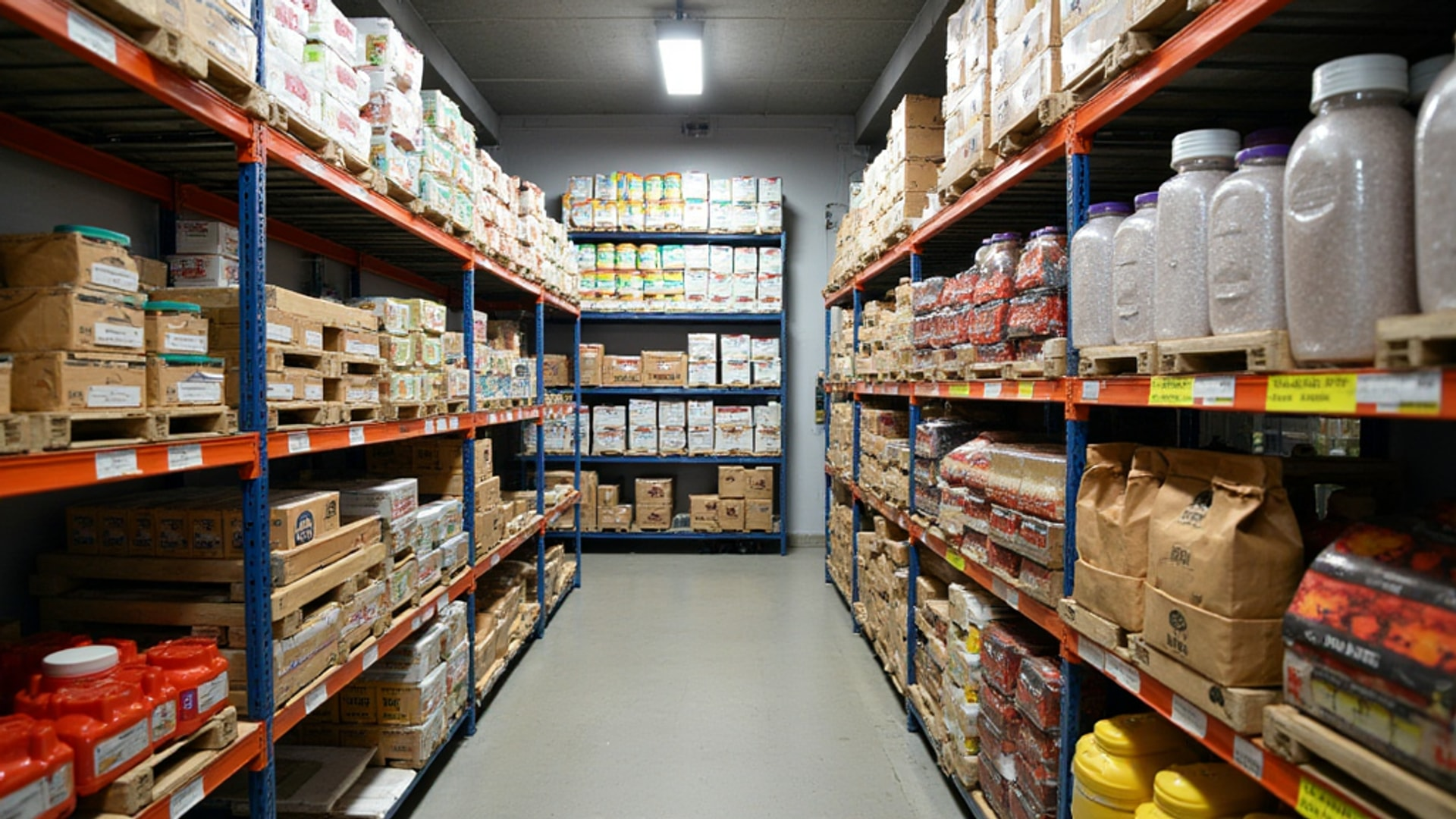
Most jurisdictions require mobile food operators to maintain a written agreement with a licensed commercial kitchen — a commissary — where the mobile unit returns daily. The commissary provides cleaning facilities for the vehicle and equipment, waste disposal, water supply replenishment, food storage, and space for initial food preparation. Toast’s guide notes that a written commissary agreement is typically required before permits are even issued.
This requirement exists for a practical reason. Mobile units cannot carry the infrastructure for comprehensive cleaning, waste management, and long-term food storage that a fixed facility provides. The commissary fills that gap and gives health regulators confidence that adequate support systems are in place.
Finding the right commissary is an early operational priority. Costs vary by location and services provided. Some commissaries are purpose-built shared kitchens catering specifically to food truck operators. Others are restaurant kitchens renting their off-hours capacity. Evaluate options on location relative to your routes, available hours, storage space, and the quality of the relationship with the commissary operator.
Pre-Operational Inspections and Ongoing Compliance
Before you start operating, a health inspector will conduct a pre-operational inspection of the mobile unit. This covers the kitchen setup, equipment, water systems, waste management, and your overall food safety plan. Fail this inspection and you do not operate. The consequences of attempting to operate without clearance are severe — including permit revocation.
After passing the initial inspection, you are subject to the same ongoing compliance framework as a fixed restaurant: annual permit renewals, periodic unannounced inspections, and the requirement to maintain daily operational standards. Do not treat the opening inspection as the finish line. Treat every day of operation as if an inspector might arrive.
Zoning, Parking, and Route Planning
One of the most practically significant constraints in mobile food operations is where you are allowed to park and operate. Zoning regulations limit mobile food vendors from operating in certain areas. Proximity rules in many cities prohibit food trucks from operating within a specified distance of established brick-and-mortar restaurants. Parking regulations determine where and how long you can occupy a spot.
Research these regulations thoroughly for every area you intend to operate. Do not assume that a location is open until you have confirmed it with the relevant authorities. A popular lunch spot that gets you moved along by parking enforcement after 20 minutes is not a viable location, no matter how much foot traffic it has.
Effective route planning accounts for all of the following:
- Zoning and parking restrictions at each intended location
- Customer traffic patterns and peak times at each location
- Proximity to commissary for daily returns
- Event opportunities (festivals, markets, corporate catering)
- Distance between locations and travel time
- Weather and seasonal patterns
- Competition from other food trucks operating the same routes
Many successful food truck operators develop a mix of regular scheduled locations (building a known customer base) and event-based opportunities (higher volume, shorter engagements). The regular locations provide revenue predictability; events provide peaks.
Daily Operational Workflow
A food truck day begins and ends at the commissary. The typical workflow runs as follows:
Morning at commissary. Load supplies for the day (fresh ingredients, pre-prepped items, packaging). Fill water tanks. Complete any pre-cooking that is legal under your permit and efficient to do in the commissary kitchen. Perform equipment checks before departure.
Travel to first location. Account for route, traffic, and setup time. Plan to arrive early enough to be fully set up — canopy deployed, menu board displayed, equipment at operating temperature — before your stated opening time. Starting late damages the trust of regulars.
Service period. Maintain all food safety standards during service. Monitor temperatures. Manage waste. Handle customer interactions with the same standards as any restaurant counter service. Track sales against inventory to understand pacing and avoid running out of popular items.
Between locations (if applicable). Keep cold items properly stored. Do not leave food in the temperature danger zone. Maintain the cleanliness of the service area between stops.
End of day at commissary. Return all perishables to proper storage. Dump waste. Refill water. Clean all equipment and surfaces. Perform vehicle maintenance checks. Log any issues that need attention before the next service day.
Menu Design for Mobile Operations
The menu you can execute successfully in a compact truck kitchen is fundamentally different from what a full restaurant kitchen can produce. The constraints are real: limited prep space, fewer burners, restricted storage, no dishwasher, and limited staff.
Successful food truck menus share common characteristics. They are focused — typically five to eight core items rather than the expansive menus of full-service restaurants. They are designed for speed, because throughput is revenue in a mobile environment. They use techniques and ingredients that travel well and can be held safely without quality degradation. And they have a clear identity — a food truck needs to stand for something specific to cut through the noise of a busy food truck market.
As Toast’s guide notes, menu design must balance culinary ambition against the practical constraints of limited space, equipment, power, and storage. Do not try to replicate a full restaurant menu in a truck. Build the menu around what the truck can execute excellently rather than what you wish you could serve.
Weather, Seasons, and Business Continuity
Mobile operations are weather-dependent in ways that fixed restaurants are not. Rain dramatically reduces foot traffic at outdoor locations. Extreme cold or heat makes outdoor service miserable for customers and staff. Seasonal patterns affect which locations are viable and which are ghost towns.
Build weather contingency into your business model from the start. Develop event partnerships that provide covered or indoor opportunities. Build relationships with corporate clients who can book the truck for indoor catering. Diversify your revenue mix so that a string of bad weather days does not create a liquidity crisis.
The operators who build durable food truck businesses treat the business as just that — a business — with the same financial planning, operational discipline, and strategic thinking that successful fixed restaurants apply. The vehicle is the format, not the identity. Build the identity around your food, your service, and your consistency, and the format becomes an asset rather than a limitation.
→ Read more: Food Truck Permits and Legal Requirements: A Mobile Vendor’s Compliance Guide → Read more: Commissary and Central Kitchen Operations: The Hub-and-Spoke Model for Multi-Unit Consistency → Read more: Food Truck to Empire: Real Stories of Mobile Dining Success