· Menu & Food · 5 min read
Recipe Standardization: Building Consistent, Profitable Dishes at Scale
Why standardized recipes are the backbone of food cost control and how to build a system that holds up in production.
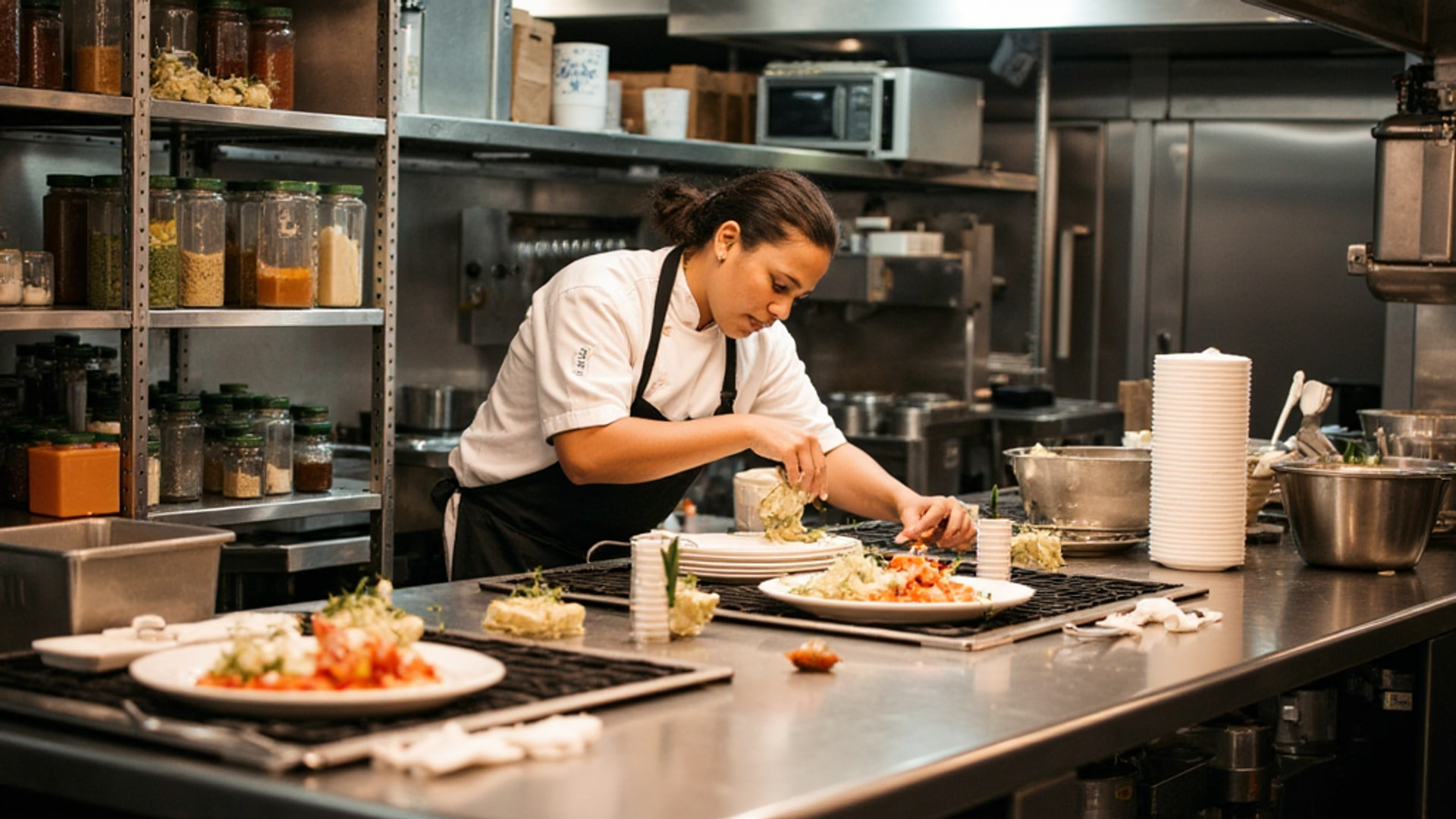
Inconsistency in a restaurant kitchen costs money in three ways: over-portioning drives food costs above target, under-portioning damages guest satisfaction and drives them elsewhere, and variation between cooks makes it impossible to measure or manage profitability accurately. According to BinWise, recipe costing — the discipline that depends entirely on standardized recipes — forms the foundation of informed menu pricing and profitability management.
Recipe standardization is not about removing creativity from the kitchen. It is about ensuring that the creative decisions made during development are executed accurately every time the dish is prepared, regardless of which cook is on the line.
What Standardization Actually Means
A standardized recipe specifies:
- Ingredient list — every component including garnishes, oils, and seasonings
- Quantities — in consistent, measurable units (ounces, grams, tablespoons — never “a handful” or “to taste”)
- Preparation method — step-by-step procedure with technique specifics
- Batch yield — how many portions this recipe produces
- Portion size — the exact weight or volume served to each guest
- Cooking temperatures and times — with target internal temperatures for proteins
- Plating instructions — garnish placement, sauce application, component arrangement
- Photo reference — a finished plate photo for visual standard
Without all of these elements, the recipe is incomplete. A recipe that specifies ingredients and steps but not portion size will produce wildly different per-plate costs depending on who portions it.
The Foundation: Yield Percentages
According to Chef’s Resources, accurate recipe standardization requires understanding the distinction between As Purchased (AP) cost and Edible Portion (EP) cost — and the yield percentage that bridges them.
The core concept: When you buy a case of asparagus, the AP cost is what you paid. The EP cost is what you actually put on the plate after trimming the woody ends. If asparagus has a 75% yield, then 10 pounds purchased produces 7.5 pounds usable — meaning the per-usable-pound cost is 33% higher than the per-purchased-pound cost.
Common yield percentages (approximate):
| Ingredient | Typical Yield |
|---|---|
| Whole chicken (fabricated) | 65–70% |
| Bone-in fish fillets | 45–55% |
| Leafy greens (trimmed) | 75–80% |
| Root vegetables (peeled) | 80–90% |
| Citrus (juiced) | 35–45% |
| Onions (diced) | 85–90% |
| Pre-diced purchased produce | 100% |
According to Chef’s Resources, yield percentage charts exist for produce, seafood, and beef to support accurate calculations. Using AP costs without yield adjustment systematically understates food cost and overstates margin — a mistake that compounds across hundreds of daily portions.
Sub-Recipe Costing
Many menu items rely on compound preparations: housemade sauces, stocks, marinades, dressings, spice blends. According to Food Cost Chef, sub-recipe costing handles these compound preparations — each sub-recipe has its own cost calculation that feeds into the main recipes where it is used.
Example: A roasted garlic aioli used in three menu items has its own recipe card with ingredient costs and yield. The cost per tablespoon is calculated from that card and entered as an ingredient cost in every main recipe that uses it. When garlic prices change, the sub-recipe cost updates and flows automatically into all dependent recipes.
This layered approach ensures that the true cost of every component — including slow-cooked stocks that use 12 hours of burner time — is captured in the final dish cost.
Building the Standardized Recipe System
Step 1: Document Every Recipe Currently In Production
Start with what exists, not with aspirational new recipes. According to BinWise, the recipe costing process begins with listing all ingredients including garnishes, seasonings, and cooking oil. Most restaurants have institutional knowledge in the chef’s head, not on paper. The first task is extraction.
Step 2: Cook to Specification, Weigh Everything
During the documentation session, cook the dish to its current standard and weigh every ingredient before it goes in. Do not estimate. A kitchen scale is the most important tool in recipe standardization.
Step 3: Test Across Multiple Cooks
A recipe that produces consistent results when the chef prepares it but varies significantly when a line cook does it is not yet fully standardized. The recipe needs to be tested by the people who will actually be executing it during service. Gaps in specificity become obvious immediately.
Step 4: Calculate Actual vs. Theoretical Cost Monthly
According to BinWise, recipe costing should be recalculated monthly or whenever vendor prices shift, ingredients change seasonally, or inflation impacts supply costs. The calculation:
- Theoretical food cost: what every dish should cost based on standardized recipes and menu mix
- Actual food cost: what COGS reports show from purchasing and inventory
- Variance: the difference between the two
A gap between theoretical and actual food cost indicates either over-portioning, waste, theft, or yield calculation errors. Without standardized recipes, you cannot calculate theoretical cost and therefore cannot identify or fix the gap. See Food Cost Control Tips for a guide to investigating and closing variance.
Portion Control Tools
Standardization requires physical tools to enforce it:
- Digital portion scales at every station where weighing is required
- Portion scoops for bulk items (rice, sides, desserts)
- Ladles of measured volume for sauces and soups
- Ring molds for presentations requiring specific diameter
- Template plates or photos at each station as visual reference
According to Chef’s Resources, the downloadable Excel template for plate costing organizes ingredient names and units, AP cost, quantity used, yield percentage, EP cost, and total recipe cost — providing real-time visibility into dish profitability as ingredient prices are updated.
Managing Recipe Changes
Standardized recipes are living documents. When a chef makes a modification — better technique, different supplier, new garnish — the recipe must be updated before the change becomes production standard. A change that isn’t documented creates the exact inconsistency standardization is designed to prevent.
Change control process:
- Chef proposes modification and tests it for quality
- Modified recipe is re-costed to confirm cost impact
- Updated recipe is entered into the system and printed
- Kitchen team is briefed on the change
- Old version is removed from circulation
The moment a recipe exists in multiple versions on the kitchen floor, consistency is compromised. One version, enforced, always.
→ Read more: Portion Control and Consistency: The Discipline Behind Menu Profitability → Read more: Menu Item Costing Spreadsheet: Building Your Recipe Costing System → Read more: Food Cost Formulas: The Essential Calculations for Restaurant Profitability