· Menu & Food · 6 min read
QR Code and Digital Menu Adoption: What Operators Need to Know in 2025
QR code menus are now standard infrastructure in US restaurants — here's how to implement them to improve operations and guest experience.
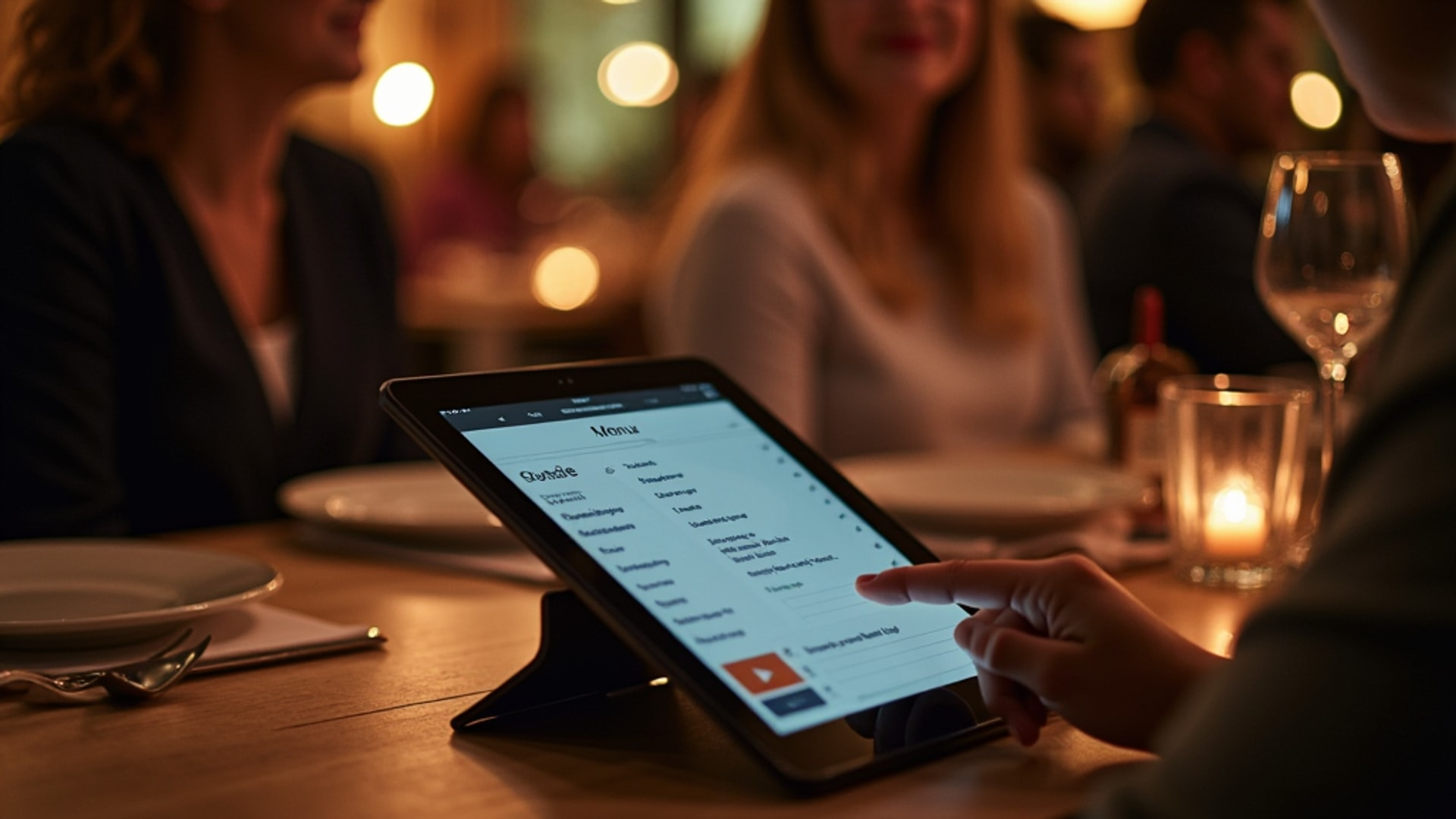
The pandemic-era adoption of QR code menus was reluctant for most operators and temporary in intent. Five years later, the technology has not retreated — it has deepened. According to Sunday App, approximately 70% of US restaurants now use QR codes for menus or payments, and 78% of respondents in customer surveys prefer QR code menus over traditional paper menus. This is no longer a trend to evaluate. It is operational infrastructure.
The question for operators in 2025 is not whether to use QR codes but how to implement them in ways that genuinely improve the guest experience, generate operational efficiency, and produce usable business intelligence.
Why QR Menus Have Sustained
The initial adoption was driven by contactless hygiene concerns. The retention has been driven by economics and capability:
Eliminated printing costs: According to Sunday App, QR menus enable real-time menu updates without any physical production. A price change, a sold-out item removal, or a new special can be reflected across all menus in the restaurant within minutes, at zero cost. For restaurants that printed and laminated menus every quarter (or every month with seasonal changes), the cost savings are immediate.
Order accuracy improvement: According to Sunday App, kitchen accuracy improves by eliminating handwriting transcription errors. Orders transmitted digitally from customer to kitchen bypass the server writing phase entirely. Fewer errors mean fewer remakes, less food waste, and higher customer satisfaction.
Table turn acceleration: According to Sunday App, digital ordering accelerates table turnover by enabling independent ordering and payment. When customers can order as soon as they are ready — without waiting for a server to appear — and pay as soon as they are finished — without waiting for the check — average table time decreases and cover throughput increases.
Quantified impact: According to Sunday App, a Denver bistro saw a 20% increase in daily transactions after QR implementation.
The Operational Benefits Beyond Menu Access
Data Generation
According to Sunday App, QR ordering systems provide real-time inventory tracking, peak-hour analysis, and customer behavior insights. This data layer is the most underappreciated benefit of digital menu systems. Every order is a data point: what was ordered, when, at which table, in combination with what other items, by a customer with what order history.
Over time, this data enables:
- Accurate demand forecasting for ordering and staffing
- Item-level performance tracking without manual POS analysis
- Identification of popular item combinations (upsell intelligence)
- Understanding of ordering patterns by time of day, day of week, and season
Staff Reallocation
According to Sunday App, when customers can browse, order, and pay through their devices, servers are freed from transactional tasks to focus on hospitality. In practical terms, this means a floor team that can cover more tables without proportionally increasing headcount — or a team focused on higher-value interactions (recommendations, special occasions, problem resolution) rather than low-value transactional steps.
This does not mean fewer servers. It means better-deployed servers.
Tipping Behavior
According to Sunday App, smartphone-based tipping prompts have increased gratuity percentages. The mechanic is the same that drives the high tip rates at coffee shops: a presented prompt with default options (18%, 20%, 25%) increases the friction of choosing a low tip. This benefits staff compensation directly.
Implementation Considerations
Guest Segmentation Reality
A 78% preference for QR menus means 22% of guests do not prefer them. This segment is disproportionately represented among older diners, those with technology barriers, and guests in contexts where the personal service element is the primary reason for choosing the restaurant.
The practical response: never make QR the only option. Physical menus available on request are not a failure of digital implementation — they are a hospitality decision that serves the full customer base. Fine dining establishments should be particularly cautious: the QR format can undermine the white-tablecloth experience even when the operational efficiency gains are real.
QR Code Placement and Access
A QR code that doesn’t scan reliably is worse than no QR code at all. The National Restaurant Association has documented how digital ordering infrastructure is becoming standard across the industry. Implementation requirements:
- Print codes at minimum 1-inch diameter; larger is better
- Test scanning at every table under actual lighting conditions before launch
- Ensure WiFi coverage across all dining areas (provide network name and password or use cellular-accessible links)
- Link QR codes to mobile-optimized pages, not desktop-formatted websites
→ Read more: Digital Menu Innovation: How Technology Is Transforming the Restaurant Menu
Menu Architecture for Digital Display
A digital menu must be designed for the mobile format, not adapted from a print menu. According to Sunday App, digital menus should feel intuitive, not cluttered, as chaotic online menus cause customers to default to familiar items.
Digital menu design principles:
- Category navigation visible without scrolling
- Item names and prices visible without expanding each item
- High-quality photography for top-selling items in each category
- Dietary/allergen filtering built into the navigation
- Checkout visible and accessible without multiple steps
The AI and Personalization Frontier
According to Sunday App, emerging features in digital ordering systems include AI-powered personalized recommendations, omnichannel ordering, and loyalty automation. These capabilities are already available in enterprise platforms and are moving into mid-market tools.
What AI personalization can do for operators:
- Recommend items based on a customer’s order history
- Suggest pairings based on the main item already in the cart
- Adjust recommendations based on time of day, day of week, or weather
- Identify customers at high risk of churning and offer proactive incentives
The data requirements for effective AI personalization depend on a first-party customer relationship — which is another argument for building direct ordering capability alongside platform-dependent QR solutions.
Adoption Metrics
| Metric | Current Reality |
|---|---|
| US restaurant QR adoption | ~70% |
| Customer preference for QR over paper | 78% |
| Speed/convenience as reason for digital ordering | 40% cite this as primary |
| Increased transaction rate after QR implementation | 20% (Denver bistro case study) |
| QR adoption increase over past two years | 150% |
| Diners preferring digital payment options | 35% more likely to visit QR-enabled establishments |
The infrastructure investment in digital menus — the right platform, quality photography, mobile-optimized design, and staff training — is modest relative to the operational improvements and the data asset it builds over time. The operators who have treated QR menus as serious systems rather than temporary workarounds are already seeing the difference in their margins and their customer intelligence.
→ Read more: Digital Menu Psychology: How Screens Change What Guests Order → Read more: Takeout and Delivery Menu Optimization: Designing for Off-Premise Success