· Menu & Food · 8 min read
Menu Bundling and Combo Meals: Increasing Check Size With Strategic Packaging
How strategic menu bundling and combo meal design increases average order value by 10-15% while improving margins through high-margin item pairing.
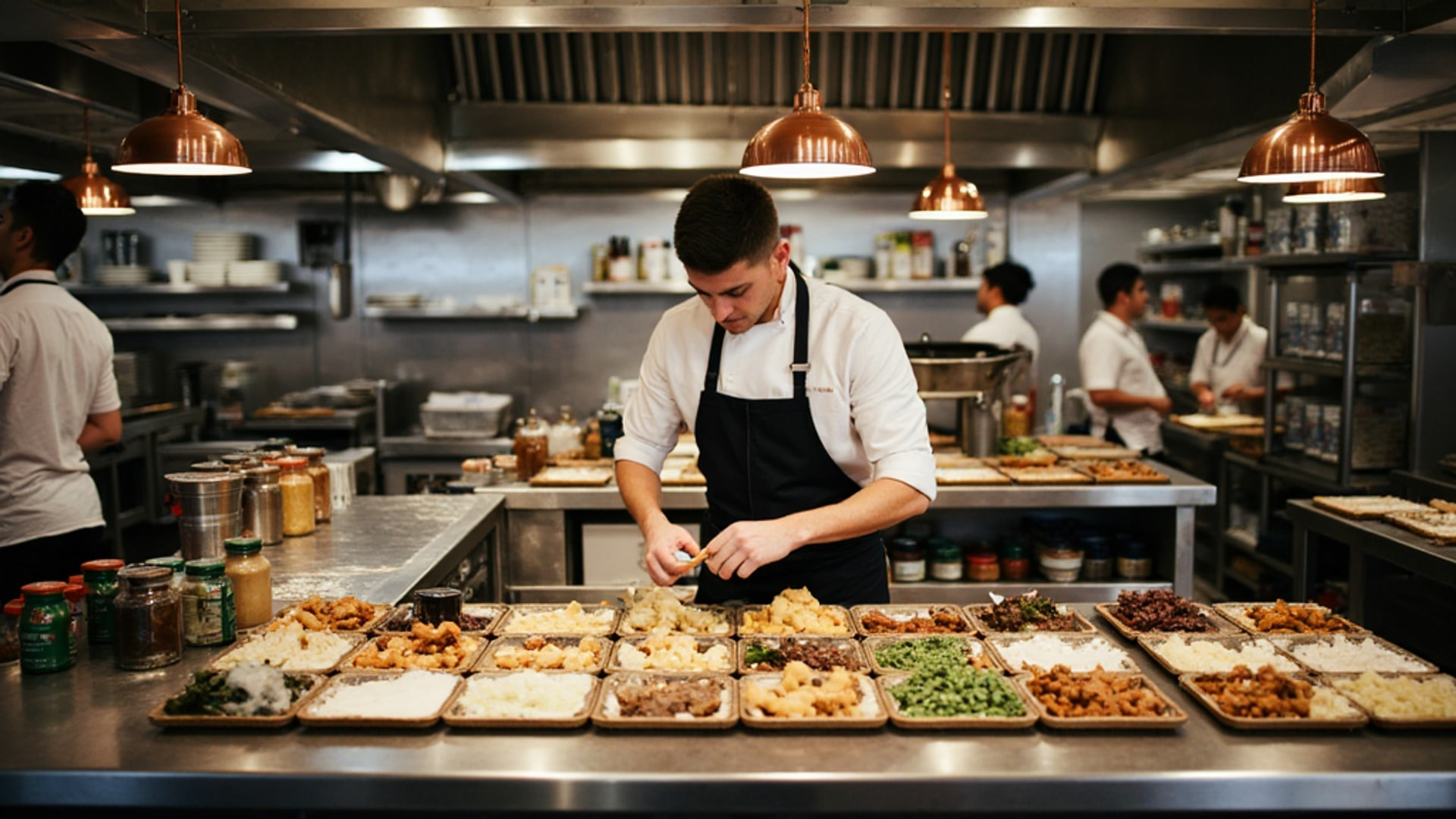
Bundling is one of the most studied pricing strategies in restaurant economics, and the results are consistent: when done correctly, it increases average check size without training customers to expect discounts. According to Restaurant Times, menu bundling combined with focused menu engineering can increase average profit by 10-15%. The mechanism is both economic and psychological — and understanding both sides helps operators design bundles that work rather than ones that give away margin.
Why Bundling Works: The Psychology of Perceived Value
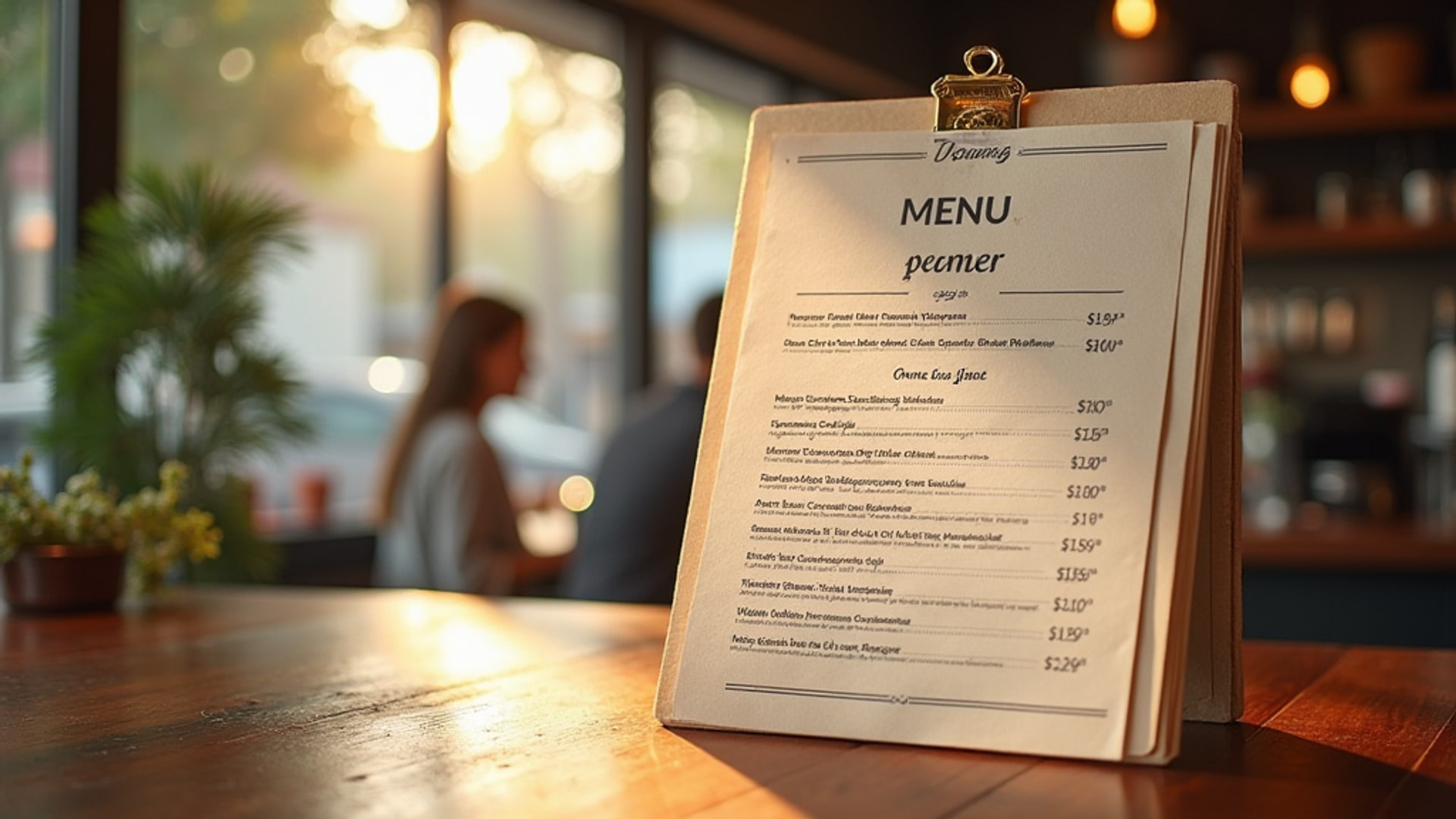
The fundamental engine of bundling is perceived value. When customers see a combo priced at $14.99 that includes items they might have priced separately at $17-18, they experience the satisfaction of getting something extra for a better price. The key insight is that this perception of value can be genuine even when the actual discount is small or nearly zero.
As Restaurant Times notes, customers perceive bundled prices as better value even when the discount is minimal. This happens because the cognitive work of comparing individual item prices to the bundle price is effortful — most customers don’t do it with precision. They see “combo = more items for one price” and make a decision based on that frame, not a detailed cost comparison.
For the operator, this psychology creates space to design bundles where the perceived value exceeds the actual discount. A burger at $10, fries at $4, and a soft drink at $3 — total $17 unbundled — can be offered as a combo for $14.99 with a modest real discount while generating more profit dollars because customers who wouldn’t have ordered fries and a drink individually now do.
That’s the core profit mechanism: bundles capture add-on orders that would not otherwise happen, even when those add-ons are slightly discounted. The volume effect more than compensates.
The Three Types of Bundles
Restaurant Times identifies three distinct bundling approaches, each with different use cases.
Pure bundling offers items only as a package — components are not available for separate purchase. This approach maximizes simplicity and kitchen efficiency but limits customer flexibility. It works best when the combination is inherently logical (a prix fixe tasting menu, a themed holiday meal kit) and when customers are unlikely to want only one component. Pure bundling is most common in fine dining and event-based contexts.
Price-based bundling offers a modest discount when items are purchased together versus separately. This is the classic combo meal format: the items are available individually, but the bundle provides a price incentive for ordering the full set. The discount must be meaningful enough to motivate behavior change but not so deep that it destroys margin.
Mixed or build-your-own bundling gives customers flexibility to assemble their own combo from a defined set of options. “Choose any two: soup, salad, or half sandwich” is a classic example. This format combines the personalization that customers increasingly expect with the efficiency and margin benefits of a structured offering. Build-your-own bundles work particularly well in fast-casual and polished casual segments where customization is part of the brand identity.
Designing Bundles for Profitability
The profitability engine of bundling lies in which items are included in the bundle. This is where most operators either get it right or leave money behind.
High-margin items should form the backbone of every combo. According to Restaurant Times, beverages, fries, desserts, and appetizer sides are ideal bundle components because they carry food costs well below 20% in most operations. A soft drink that costs $0.30-0.50 in syrup and CO2 sells for $3-4 unbundled. A small side salad with food cost of $1.20 sells for $5-6. When these items are included in a bundle at a slight discount, they are generating margin at 70-75% even in the bundled format.
A worked example of bundle margin math:
| Component | Individual Price | Food Cost | Food Cost % |
|---|---|---|---|
| Entree (burger) | $12 | $4.20 | 35% |
| Fries | $4 | $0.60 | 15% |
| Soft drink | $3 | $0.40 | 13% |
| Individual total | $19 | $5.20 | 27% |
| Bundle price | $15.99 | $5.20 | 33% |
At $15.99, the bundle still achieves 67% gross margin. The operator gives up $3 in revenue relative to individual pricing but captures the fries and drink sale that might not have happened at all. If 40% of customers who order the bundle wouldn’t have ordered fries and a drink individually, the bundle generates more total profit dollars than individual pricing despite the lower price.
The NOVA research on fine dining menu engineering adds an important nuance for upscale contexts: premium ingredients should be used in small, impactful portions as accents rather than main components. A bundle featuring a truffle-finished dish pairs a high-cost accent (a few grams of truffle) with lower-cost main components, maintaining the luxury perception while managing overall food cost.
Bundling and the Menu Engineering Matrix
Effective bundle design benefits from viewing your menu through the engineering lens before assembling combinations. The four-quadrant matrix categorizes items as Stars (high profit, high popularity), Plowhorses (low profit, high popularity), Puzzles (high profit, low popularity), and Dogs (low profit, low popularity).
According to NOVA’s research on fine dining menu engineering, Puzzles — items with strong margins but low order frequency — are prime candidates for bundle inclusion. Including a high-margin Puzzle item in a combo with a popular Star item exposes the Puzzle to more customers, potentially converting some of them into standalone purchasers while improving overall bundle margin.
Conversely, be cautious about building bundles around Plowhorses. These are popular items with thin margins — often the menu items that customers would order anyway. Bundling a Plowhorse at a discount can actually reduce revenue if it means customers who would have ordered it at full price as a standalone now access it within a discounted bundle.
The practical rule: build bundles around Stars (to capture high-margin, high-popularity items at volume) and Puzzles (to improve exposure and margin contribution), not around Plowhorses.
→ Read more: Cross-Selling Through Menu Design: Techniques That Lift Average Check
Prix Fixe: Bundling for Higher Check Sizes
Prix fixe menus represent the most structured form of bundling and consistently drive higher check sizes than à la carte ordering. Restaurant Times notes that combos and prix fixe menus drive higher overall check sizes — a claim that aligns with behavioral economics research showing that pre-set multi-course structures reduce decision fatigue and increase the likelihood of full-meal ordering.
For full-service restaurants, a prix fixe option (either as the primary menu or as a parallel offering) can be a powerful tool for weeknight traffic and special occasions. The kitchen benefits from predictable production volumes. The customer benefits from a curated experience at a defined price point. The operator benefits from a higher guaranteed check per cover.
The pricing for prix fixe should reflect the bundling principle: include courses that individually would total more than the prix fixe price, but ensure the package still achieves target margins by controlling food costs within the courses, particularly for proteins and premium ingredients.
Operational Benefits: More Than Just Revenue
Restaurant Times identifies operational benefits of bundling that are often underappreciated. Predictable combo sales simplify inventory management by channeling demand toward a controlled set of items. When operators know that 40-50% of Saturday lunch customers will order the combo, purchasing, prep, and production can be planned accordingly.
This predictability reduces food waste. Items that are part of defined combos are consumed at known rates — unlike à la carte items where demand variation is higher and over-preparation is more common. The waste reduction benefit compounds the margin improvement from bundle design itself.
Bundle standardization also reduces kitchen complexity during peak service. When a significant portion of orders follows a defined structure, line execution becomes more efficient. Prep can be batched. Plates can be partially pre-assembled during slower periods. The operational simplicity is particularly valuable in high-volume contexts.
Data-Driven Bundle Construction
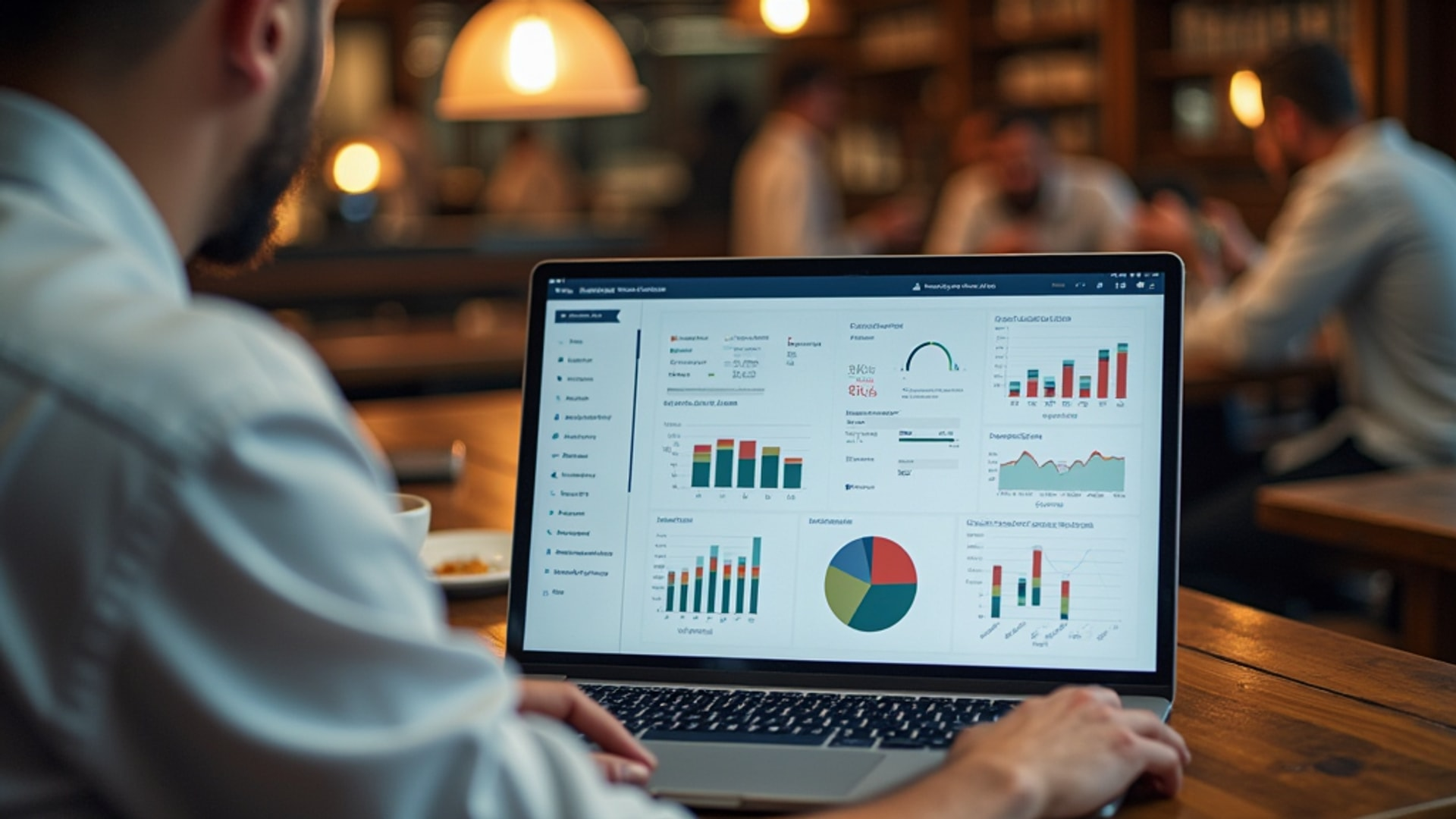
The most effective bundles are built from data, not intuition. Restaurant Times emphasizes that operators should analyze consumption patterns, cost-efficiency data, and dietary preferences from their POS systems before designing bundles.
The data questions to answer:
- Which items do customers already tend to order together? (Natural pairings that formalize into bundles)
- Which high-margin items have lower standalone sales? (Puzzle candidates for bundle inclusion)
- Which customer segments (lunch vs. dinner, family vs. couples) respond to different bundle structures?
- What bundle price points produce the highest conversion rates?
Modern POS systems like Toast and Lightspeed can identify natural ordering clusters automatically. If 35% of customers who order the salmon also order the wedge salad and a specific wine, you have the data to build a salmon-salad-wine bundle at a price point that captures more of those customers while improving check predictability.
Omnichannel Bundle Consistency
As Restaurant Times notes, bundles must integrate seamlessly across all ordering channels — dine-in, takeout, and delivery — to be effective. A combo that exists only on the printed menu but not in the delivery app misses a significant portion of potential bundle orders.
For delivery, bundles have additional appeal because they simplify the ordering process. Customers ordering through a delivery app are presented with more choices and more cognitive complexity than in-restaurant diners. A well-named bundle (“The Full Lunch,” “Family Feast for 4”) reduces that complexity and increases average order value in a channel where upselling is otherwise difficult.
Delivery platform bundle presentation requires attention to name, photo, and description. The bundle name should communicate the value proposition clearly. The photo should show the complete bundle. The description should articulate both what’s included and why it’s a good deal.
Operational note: ensure the kitchen can execute bundles consistently across channels. A combo that includes items not available during delivery hours creates customer disappointment and negative reviews. Bundle offerings should be channel-appropriate.
→ Read more: Takeout and Delivery Menu Optimization: Designing for Off-Premise Success → Read more: Menu Pricing Psychology: 9 Tactics That Influence What Guests Order