· Culture & Sustainability · 9 min read
Climate Change and Restaurant Menus: Adapting to a Warming World
Romaine lettuce spiking from $28 to $200 per case is not a freak event — it's a preview of what climate volatility means for restaurant menus, and the operators adapting now are building real competitive advantages.
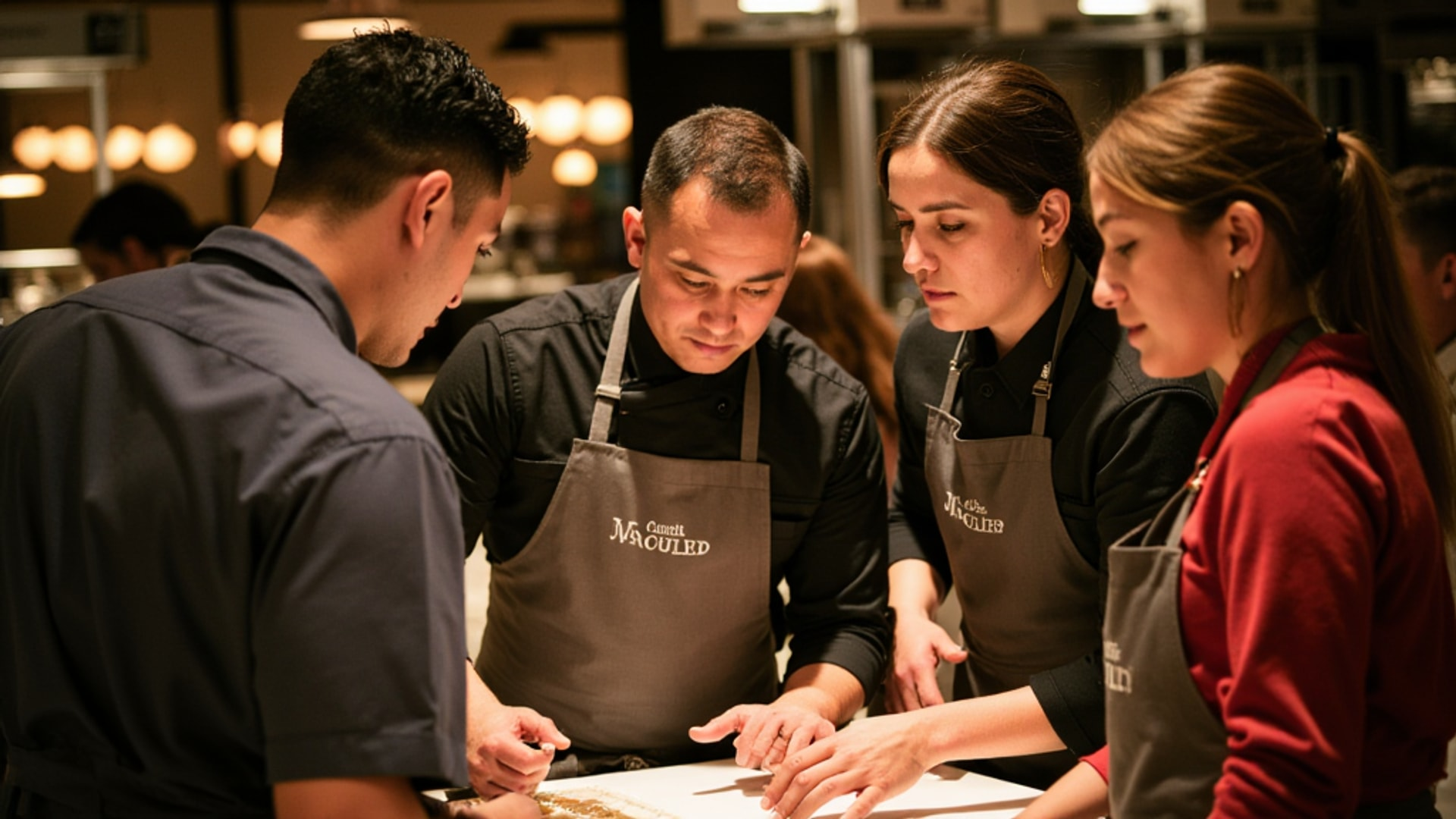
Restaurants live or die on their supply chains. When a key ingredient becomes unavailable or unaffordable, it’s not an abstraction — it’s a menu reprint, a margin hit, and a conversation with guests about why their favorite dish isn’t available. Climate change is making supply chain disruptions more frequent, more severe, and more predictable in their unpredictability.
Restaurant Business Online characterizes climate change as an existential threat to the restaurant industry. That framing is not hyperbole. The food system is both a major contributor to the problem — accounting for more than one-third of global anthropogenic greenhouse gas emissions — and one of the sectors most physically vulnerable to its effects.
Understanding what this means operationally, and what you can do about it, is becoming a core competency for restaurant operators.
The Supply Chain Reality
The effects are already visible in ingredient pricing and availability, not in some projected future but in the day-to-day purchasing decisions operators are making right now.
Restaurant Business Online cites the example of romaine lettuce costs spiking from $28 per case to over $200 per case during severe weather events. That’s a sevenfold increase driven by a single climate disruption. If romaine is a menu staple, the response options are unpleasant: absorb the cost and destroy your margins, raise the price and risk customer pushback, or remove the item and disappoint loyal guests.
This pattern — extreme weather causing dramatic, sudden price spikes for specific ingredients — is documented across categories. Drought conditions affect grain yields and pricing. Heat waves damage crop quality as well as quantity. Flooding disrupts harvest windows and transportation infrastructure. Pest pressures shift as warmer temperatures create conditions that favor insects and diseases previously limited by climate.
Some ingredient categories face more than short-term disruptions. Restaurant Business Online identifies coffee, chocolate, and wine grapes as facing genuine long-term threats from climate change — combinations of temperature shifts, new pest pressures, and changing precipitation patterns that affect yield and quality over decades, not just seasons. Seafood availability is shifting as ocean temperatures alter fish migration patterns and affect reproduction cycles.
The Economic Amplification
The National Restaurant Association’s inflation data provides context for the severity of what’s already happened. Food and labor costs have each risen 35 percent over five years for the average restaurant. Food and labor each account for approximately 33 cents of every dollar in sales. The pre-tax margin for a typical restaurant runs 3-5 percent.
When food costs spike due to climate disruptions on top of ongoing inflation, the math becomes quickly untenable. The NRA calculated that without menu price increases since 2020, the average restaurant’s pre-tax margin would have deteriorated from 5 percent to negative 24 percent. Climate-driven supply chain shocks are one of the forces compressing that margin.
The NRA also documents that average menu prices increased 31 percent between February 2020 and April 2025. This has already substantially reduced some consumer price tolerance. The ability to pass through further climate-driven cost increases is limited by what consumers are willing to absorb.
This means the adaptation challenge is not simply “raise prices when costs go up.” Operators who don’t adapt their sourcing and menu design to reduce climate exposure will face increasingly volatile cost structures with shrinking ability to pass through volatility to customers.

Carbon Labeling: A Proven Tool
One of the more striking findings from Restaurant Business Online’s climate coverage is the effectiveness of carbon labeling on menus. Displaying the emissions footprint of menu items — how much greenhouse gas was generated to produce and serve a dish — resulted in a 31 percent decline in greenhouse gas emissions per dish ordered, according to research on this intervention.
That’s a significant behavioral effect from a relatively simple menu addition. The mechanism is partly information (customers who care about emissions can make informed choices) and partly defaults (when lower-emission dishes are presented as the standard option, they’re ordered more frequently without any explicit persuasion).
Tools like Klimato and CarbonCloud, mentioned in Restaurant Business Online’s reporting, help restaurants calculate per-dish carbon emissions without requiring in-house environmental expertise. The calculation takes into account ingredient sourcing, transportation, and preparation. The results can then be displayed as labels, as symbols, or as highlighted low-emission sections.
For restaurants serving sustainability-conscious consumers — particularly in urban markets with younger demographics — carbon labeling is becoming a differentiator. For restaurants in any market, the process of calculating emissions often reveals sourcing opportunities that reduce both environmental impact and cost.
Menu Design as Climate Adaptation
The most practical climate adaptation available to restaurant operators happens at the menu level — not as an abstract values statement but as a concrete operational strategy.
Reduce ingredient concentration risk. Menus that depend heavily on a small number of potentially climate-vulnerable ingredients — beef, specific shellfish, certain vegetables with narrow growing regions — are more exposed to supply disruptions than menus with diversified sourcing. Menu engineering toward greater ingredient diversity reduces exposure to any single supply chain failure.
Increase local and regional sourcing. Local sourcing reduces transportation vulnerability, provides more direct relationships with suppliers who can communicate about crop conditions in advance, and often means shorter supply chains with fewer failure points. It doesn’t eliminate climate risk — local suppliers face weather disruptions too — but it reduces the compounding effects of disruptions across long supply chains.
Develop plant-forward menu options. Plants generally have lower carbon footprints than animal proteins, and many plant-based ingredients are more climate-resilient than the equivalent animal product. This is both a climate adaptation strategy and a business opportunity, as plant-forward dishes often carry competitive margins.
Build menu flexibility. Menus with seasonal flexibility — sections that change based on what’s available and well-priced — are more resilient to supply disruptions than menus that promise specific dishes year-round regardless of sourcing conditions. Training guests to expect seasonal variation, and training staff to explain and advocate for it, creates a menu culture that accommodates climate-driven sourcing shifts.
Default to lower-emission options. Restaurant Business Online documents the evidence that positioning lower-emission dishes as defaults — featuring them prominently, listing them first, having servers recommend them — reduces the emissions footprint of what gets ordered without requiring explicit environmental messaging. This is menu psychology applied to climate goals.

Specific Ingredients Under Pressure
Understanding which ingredients face the most climate risk helps operators make proactive sourcing and menu decisions.
Coffee. Climate change threatens coffee cultivation in traditional growing regions through a combination of temperature increases, new pest pressures (particularly coffee leaf rust), and changing rainfall patterns. Specialty coffee prices have already been affected, and long-term supply concerns are driving significant investment in climate-adapted coffee varieties and new growing regions.
Chocolate. Cacao is highly sensitive to temperature and humidity conditions that are shifting in West Africa, which produces roughly 60 percent of the world’s cocoa. Long-term supply concerns exist alongside current quality and availability pressures.
Shellfish and certain seafood. Ocean acidification, warming temperatures, and changing current patterns affect shellfish in multiple ways — oysters and mussels are affected by acidification, while warming affects fish migration patterns. Operators building menus around specific regional seafood should assess the climate resilience of those species and sourcing regions.
Specific vegetables. Water-intensive crops in drought-prone regions face supply volatility. California produces a disproportionate share of U.S. vegetables, and that supply base is exposed to ongoing drought and extreme weather risks.
Beef. Livestock agriculture contributes significantly to greenhouse gas emissions and is also affected by climate change through feed crop volatility, heat stress effects on animals, and drought impacts on grazing land. From both a cost and sustainability perspective, beef is the ingredient most affected by the climate-menu intersection.

What Forward-Thinking Operators Are Doing
Restaurant Business Online documents the adaptation strategies of operators who are treating climate as a strategic consideration rather than a compliance issue.
The consistent themes are: building supplier relationships that provide early warning of crop or supply issues; developing menu design that accommodates sourcing flexibility; communicating with guests about why seasonal and sourcing-driven changes happen (framing it as quality and sustainability rather than limitation); and investing in operational practices that reduce food waste, which reduces both cost and emissions.
Some operators are working with Klimato, CarbonCloud, or similar tools to measure and publish emissions data, primarily for the consumer-facing sustainability signal. The secondary benefit — internal visibility into which ingredients drive the most environmental cost — often reveals sourcing and menu optimization opportunities.
The most sophisticated operators are thinking in terms of portfolio management: maintaining a menu that can perform across a range of supply conditions rather than depending on specific ingredient availability at specific price points.
The Regulatory Horizon
While most current adaptation is voluntary, the regulatory environment is moving toward greater environmental transparency in the food system. Carbon labeling requirements, emissions reporting for large food businesses, and supply chain disclosure regulations are emerging across jurisdictions.
Operators who develop climate literacy and emissions tracking capacity now will be better positioned when these requirements formalize. Those who wait for regulatory requirements to force adaptation will find themselves playing catch-up while competitors who adapted early have already refined their approaches.
The Honest Framing
Climate change and restaurant menus isn’t a story about virtue or values, though values are part of it. It’s a story about operational risk. The ingredient disruptions that have already occurred — the romaine that went to $200 a case, the coffee and chocolate prices that have already shifted — are previews of what increased climate volatility will produce.
Restaurants that adapt their sourcing strategies, menu design, and supplier relationships to reduce climate exposure are building operational resilience as much as they’re demonstrating environmental commitment. These adaptations tend to improve business performance — diversified sourcing improves margin stability, local sourcing often improves quality, plant-forward options often carry strong margins — while reducing environmental impact.
The adaptation and the business case are not in tension. For most operators, they point in the same direction.
-> Read more: Supply Chain Resilience: How Restaurants Survive Disruptions, Tariffs, and Cost Volatility
-> Read more: Sustainable Restaurant Practices: What Actually Works
-> Read more: Seasonal Menu Planning: How to Rotate Dishes for Lower Costs and Higher Demand